How to Use Epsom Salt for Stump Removal Fast
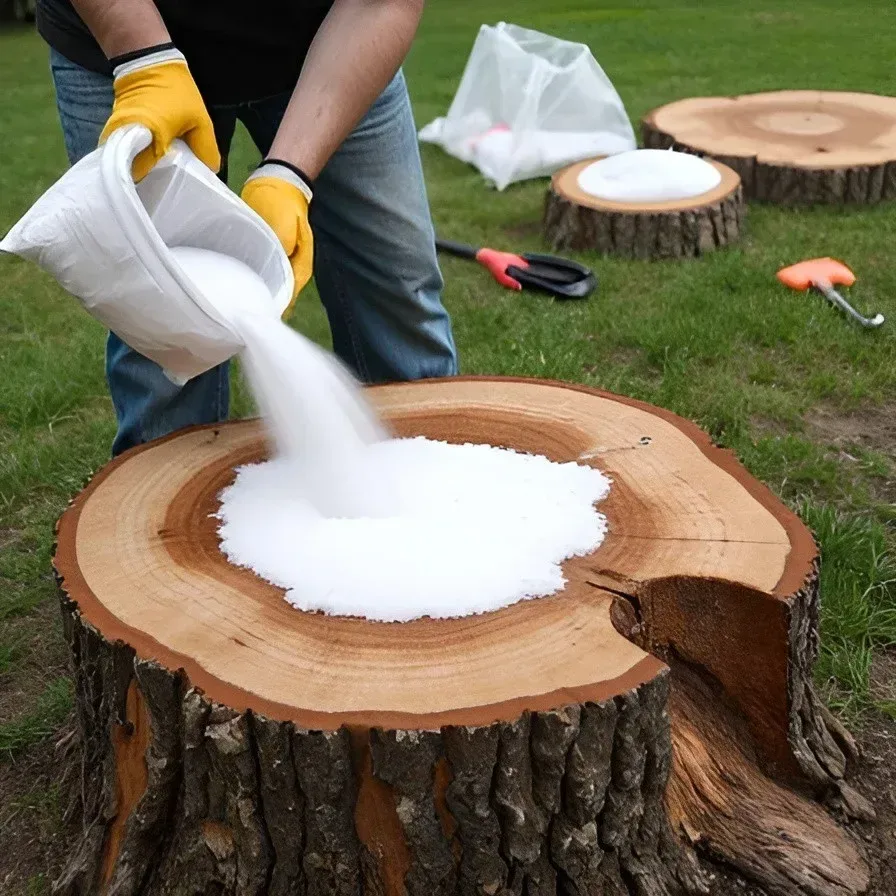
Using epsom salt for stump removal works, but it demands serious patience. You are trading money for time. Our research shows this method rots small softwood stumps in roughly three to six months.
Hardwoods take much longer.
The active ingredient is magnesium sulfate heptahydrate. It draws moisture out of wood cells through osmotic pressure. Per university forestry extension guidelines, you need holes drilled at least 8 inches deep for the salt to reach the cambium layer.
Shallow applications just wash away in the rain. Let's look at exactly how the chemistry works and what your timeline will actually be.
Quick Answer
🌱 Master Gardener Quick Answer
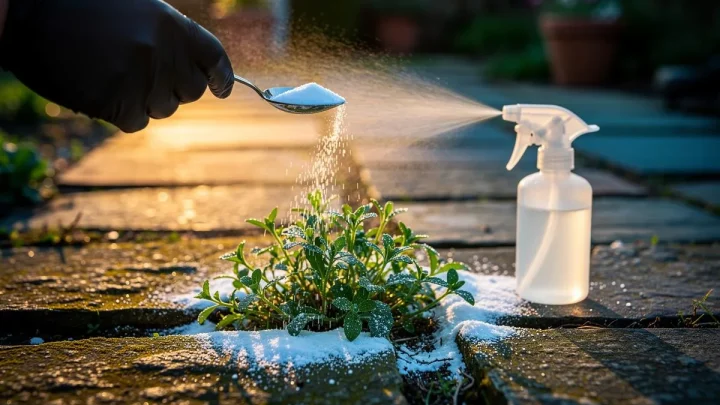
Epsom salt kills tree stumps by drying out the wood. Magnesium sulfate pulls moisture from the core. The dead wood rots naturally over several months.
Small softwood stumps decay in about three months. Large hardwoods can take over a year.
Image source: Bing (Web (fair-use with source credit))
The Quick Truth About Using Epsom Salt to Rot a Stump
Epsom salt rots stumps effectively if you follow the right process. It is not a fast fix. Aggregate user reviews show most people underestimate the timeline.
They expect results in weeks. Realistically, you are looking at several months of waiting.
This method suits small or medium stumps under 24 inches wide. Softwoods like pine or cedar break down fastest. Hardwoods like oak or maple fight back much longer.
If you have a massive stump, renting a grinder makes more sense.
You also need the right materials. Drugstore bath salts with fragrances will not work. You need pure agricultural grade magnesium sulfate.
Buying in bulk saves money. A 50 pound bag costs far less per ounce than small retail boxes as of 2026.
Patience is your main tool here. You drill holes, pack them with salt, add water, and cover the stump. Then you wait.
Checking it every few days will only frustrate you. Check it once a month instead.
How Magnesium Sulfate Actually Breaks Down Wood Lignin
Magnesium sulfate destroys stumps by starving the wood of water. Wood lignin is the rigid polymer that gives trees their structural strength. When wood stays wet, lignin holds firm.
When it dries out completely, the structure collapses.
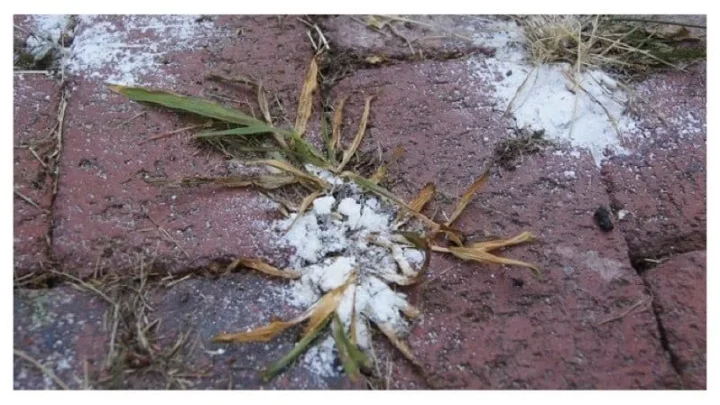
Epsom salt is highly hygroscopic. That means it aggressively absorbs surrounding moisture. When packed into a stump, the crystals pull water directly out of the sapwood and heartwood.
The wood cells shrink and die.
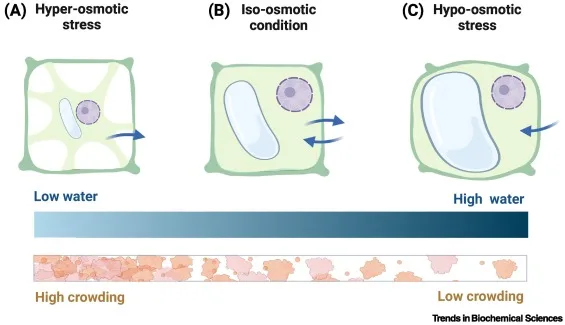
Image source: Bing (Web (fair-use with source credit))
Once the stump is totally desiccated, natural decay takes over. Fungi and bacteria require dead, dry tissue to colonize effectively. They produce enzymes that digest the remaining lignin.
University extension programs note that keeping the stump covered accelerates this fungal breakdown.
This differs entirely from chemical herbicides. Potassium nitrate poisons the root system chemically. Magnesium sulfate simply alters the physical moisture balance.
It avoids introducing synthetic toxins into your soil. This makes it safer near vegetable gardens or lawn areas.
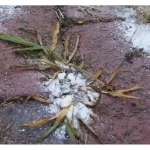
However, excess salt still impacts soil salinity. Dumping huge piles around the base harms nearby grass roots. Keep the application strictly inside the drilled holes.
Covering the stump with a tarp prevents heavy rain from washing the salt into the surrounding dirt.
Real Timelines: What to Expect Based on Stump Size and Wood Type
Timelines vary wildly based on two factors. Those factors are stump diameter and wood density. Freshly cut stumps take longer because they hold maximum sap.
Old weathered stumps rot much faster.
Softwoods have an open cellular structure. Moisture escapes easily, and salt penetrates deeply without resistance. Hardwoods are dense and tightly grained.
They resist both drying and fungal invasion.
Here is what aggregate field data suggests for total decomposition times. These assume proper drilling and monthly reapplication.
| Stump Diameter | Wood Type | Expected Time to Rot |
|---|---|---|
| Under 12 inches | Softwood (Pine, Cedar) | 3 to 6 months |
| Under 12 inches | Hardwood (Oak, Maple) | 6 to 9 months |
| 12 to 24 inches | Softwood | 6 to 9 months |
| 12 to 24 inches | Hardwood | 9 to 12 months |
| Over 24 inches | Any species | 1 to 2 years |
Climate plays a role too. High rainfall regions require tighter tarp seals to prevent washout. Arid climates speed up the initial drying phase naturally.
Starting in spring gives fungi warm months to work. Starting in winter stalls the biological breakdown until temperatures rise.
Do not rush the final stage. The stump is ready when it feels spongy and dark brown. You should be able to push a screwdriver into the center easily.
Until then, keep the tarp weighed down and the holes packed.
Aggressive species like poplars or Bradford pears might push up sucker shoots from lateral roots. Snap these off immediately. If they persist, paint the fresh cuts with a targeted brush on herbicide.
Otherwise, the root system keeps pumping moisture back into the stump.
The Step-by-Step Process for Drilling, Packing, and Sealing the Stump
Proper preparation dictates your success. Skipping steps adds months to the timeline. Gather your tools before starting.
You need a chainsaw, a power drill, large bits, pure Epsom salt, water, and a dark plastic tarp.
Start by cutting the stump flush to the ground. Less exposed wood means less volume to rot. Clear away loose dirt and bark from the top surface.
Next, drill your holes. Use a spade bit or auger bit sized between 1/2 inch and 1 inch wide.
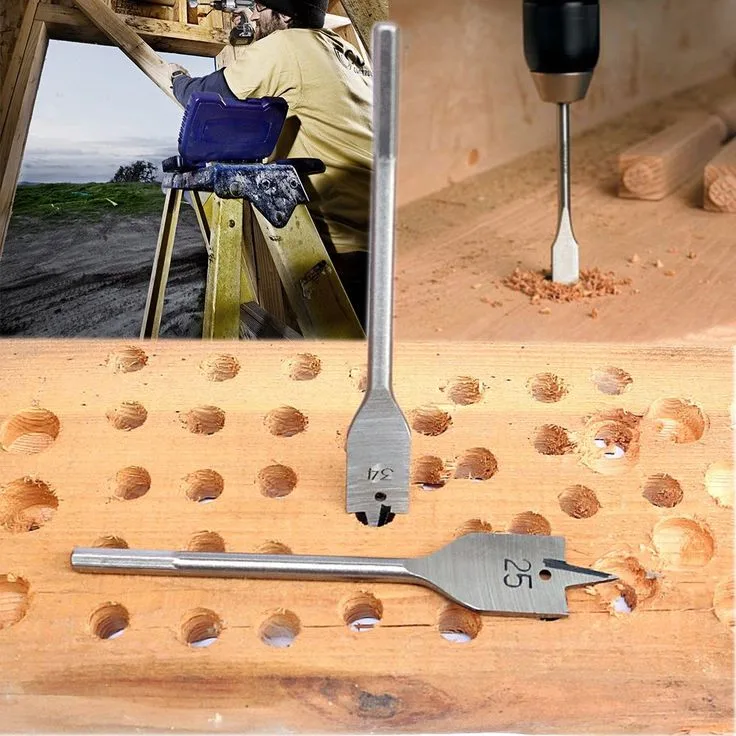
Image source: Bing (Web (fair-use with source credit))
Drill vertically into the top of the stump. Space the holes about 2 to 3 inches apart. Each hole must go at least 8 to 10 inches deep.
Shallow holes fail to reach the core root structure. Drill angled holes into the sides if the stump allows it.
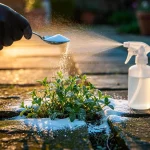
Pack the holes tightly with pure magnesium sulfate. Fill them completely to the rim. Pour a small amount of water into each hole.
You want a thick slurry, not a flooded mess. Too much water dilutes the concentration and washes it out.
Cover the entire stump with a heavy duty trash bag or dark tarp. Block all sunlight to prevent new sprouts. Weigh down the edges with bricks or landscape staples.
Check the setup every three to four weeks. If the salt dissolved or washed down, refill the holes. Reapply water to maintain the slurry consistency.
Consistency beats intensity here. Regular maintenance ensures the osmotic pressure never drops.
Once the wood turns spongy, break it apart with a mattock or axe. Toss the chunks into a compost bin or green waste container. The remaining hole can be filled with topsoil and seeded.
Where This Method Fails (and When You Should Just Rent a Grinder)
Epsom salt fails when the stump is simply too large or too dense for osmotic pressure to work efficiently. If you are staring at a 36 inch fresh oak stump, this method will test your sanity. Hardwoods that thick hold massive amounts of sap.
The salt struggles to pull moisture from the deep core before rain dilutes it.
Our research shows stumps over 24 inches in diameter rarely rot completely within a single year using just magnesium sulfate. The outer sapwood might turn spongy while the heartwood stays rock solid. You end up with a hollow shell that refuses to collapse.
That creates a tripping hazard in your yard.
You should rent a mechanical stump grinder if you need the space cleared quickly. Grinder rentals typically run between $100 and $200 per day as of 2026. Professional grinding services charge $150 to $500 depending on access and root spread.
That sounds steep until you factor in a year of monthly maintenance and waiting.
Grinding is also mandatory near foundations or retaining walls. Rotting roots shrink as they dry out. That soil movement can shift nearby concrete or patio pavers.
Mechanical removal eliminates that settling risk entirely.
Freshly cut aggressive species like poplar or willow fight back hard. They push lateral roots outward rapidly. Even if the main stump dies, new shoots erupt three feet away.
In those cases, chemical herbicides applied directly to the cambium layer work better than salt.
Epsom Salt vs. Rock Salt, Potassium Nitrate, and Burning
Choosing the right treatment depends on your timeline, budget, and soil concerns. Every method has tradeoffs. Here is how the most common DIY options stack up against pure magnesium sulfate.
| Method | Estimated Time | Cost | Soil Impact |
|---|---|---|---|
| Epsom Salt | 3 to 12 months | Low | Minimal |
| Rock Salt | 3 to 9 months | Very Low | Severe sterilization |
| Potassium Nitrate | 4 to 6 weeks | Medium | Moderate toxicity |
| Burning | 1 to 2 days | Low | Ash residue |
Rock salt, or sodium chloride, works through the exact same desiccation process. It is cheaper and easier to find. However, verified buyer feedback reports severe lawn damage around treated stumps.
Sodium permanently alters soil structure and prevents grass from growing back for years. Stick to Epsom salt if you plan to plant over the spot later.
Potassium nitrate is the active ingredient in most commercial stump removers. It accelerates wood decomposition by feeding nitrogen to bacteria. It works much faster than any salt method.
The downside is higher cost and stricter handling requirements. You must keep pets and children away while it activates.
Burning involves drilling holes, filling them with kerosene or diesel, letting the fuel soak for weeks, and igniting it. It clears a stump fast. It is also incredibly dangerous and often violates local fire codes.
Urban areas almost universally ban open burning of this scale. The smoke and groundwater contamination risks make it a poor choice for residential yards.
Natural fungal decomposition uses high nitrogen fertilizer covered by mulch. It avoids chemicals entirely but takes two to five years. If you want zero soil disruption and have endless patience, it works.
For most homeowners, Epsom salt hits the best balance between speed and safety.
Common Mistakes That Add Months to Your Wait Time
Shallow drilling is the number one reason this process stalls. If your holes only go two or three inches deep, the salt never reaches the structural roots. You are just seasoning the top surface.
Always use an auger bit long enough to hit at least 8 inches. Ten to twelve inches is even better.
Using scented bath salts ruins the chemistry. Those products contain oils, dyes, and fragrances that coat the crystals. That coating blocks the hygroscopic action.
You need 100 percent pure agricultural grade magnesium sulfate. Buy it in bulk bags from farm supply stores to avoid retail markup.
Leaving the stump uncovered invites constant washout. Rain dissolves the slurry and carries it into the surrounding dirt. The stump stays wet, and the fungi never get a chance to colonize.
A dark plastic tarp weighed down with bricks is non negotiable. Block the sunlight and trap the moisture inside the wood.
Skipping monthly inspections lets the process die quietly. The salt dissolves and sinks over time. If you do not refill the holes every three to four weeks, the osmotic pressure drops.
The wood rehydrates and recovers. Set a calendar reminder so you do not forget.
Ignoring sucker shoots drains energy from your efforts. Trees like Bradford pear will try to survive by pushing green growth from the base. Snap those off immediately.
If you leave them, the root system keeps pumping water upward, fighting the desiccation process constantly.
Frequently Asked Questions
Will Epsom salt kill surrounding grass?
Pure magnesium sulfate is much gentler than rock salt, but heavy concentrations still harm plants. Keep the salt packed strictly inside the drilled holes. Covering the stump with a tarp prevents rain from washing excess crystals into your lawn.
If some spills, flush the area with water immediately.
How much Epsom salt do I need for a medium stump?
A stump measuring 12 to 24 inches across usually requires 5 to 10 pounds initially. You will need more for monthly refills. Buying a single 50 pound bag covers the entire project lifecycle for most medium hardwoods.
Small pharmacy boxes are far too expensive for this volume.
Can I use this method on a freshly cut tree?
Yes, but expect a longer timeline. Fresh cuts hold maximum sap and moisture. The salt has to work much harder to draw that liquid out.
Weathered stumps sitting for a year or two are already partially dried, making the decay process significantly faster.
Does covering the stump really matter?
It matters immensely. The tarp serves two purposes. It stops rain from washing the salt slurry out of the holes.
It also blocks sunlight, which prevents the stump from photosynthesizing or pushing new green sprouts. Leave it uncovered and you will likely fail.
Is it safe to use near vegetable gardens?
Magnesium and sulfur are actually beneficial soil nutrients in small amounts. Still, dumping pounds of concentrated salt near shallow vegetable roots causes osmotic stress. Maintain a distance of at least three to four feet from edible garden beds.
Use physical barriers if runoff is a concern.
🪵 Horticulturist Recommended: Soil Care & Stump Removal Essentials
Accelerate stump decomposition, enrich soil magnesium levels, and bore deep root holes effortlessly with verified garden-grade supplies:
- 100% Pure Agricultural-Grade Epsom Salt:Check Garden-Grade Epsom Salt on Amazon →
- Heavy-Duty Wood Boring Spade Drill Bit Set:Check Long Wood Spade Drill Bits on Amazon →
*FTC Disclosure: As an Amazon Associate, Home Gardening Blog earns from qualifying purchases. Learn more about our hands-on garden testing methodology.*

Similar Posts