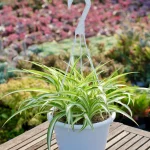
Why Cats Pee in Plants & How to Stop It Fast
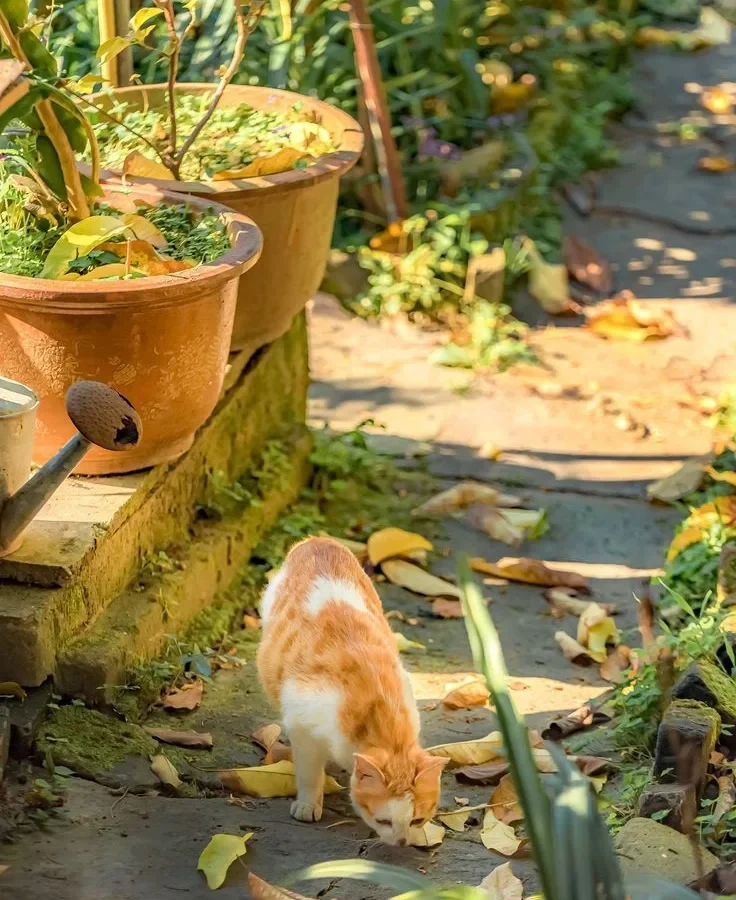
Finding your cat urinating in plants is frustrating and often signals an underlying issue rather than simple defiance. This behavior typically stems from medical pain, litter box aversion, or environmental stress that needs immediate attention.
Per the American Association of Feline Practitioners, inappropriate elimination affects up to 30% of cats at some point. We will walk through a safe decision workflow to identify the root cause before trying deterrents.
Quick Answer
Cat urinating in plants usually indicates medical pain or litter box issues.
Rule out urinary tract disease with a veterinary exam first.
Check litter box count, cleanliness, size, and substrate preference next.
Address environmental stressors only after medical and management causes are excluded.
Never punish the cat as this worsens stress-related conditions.
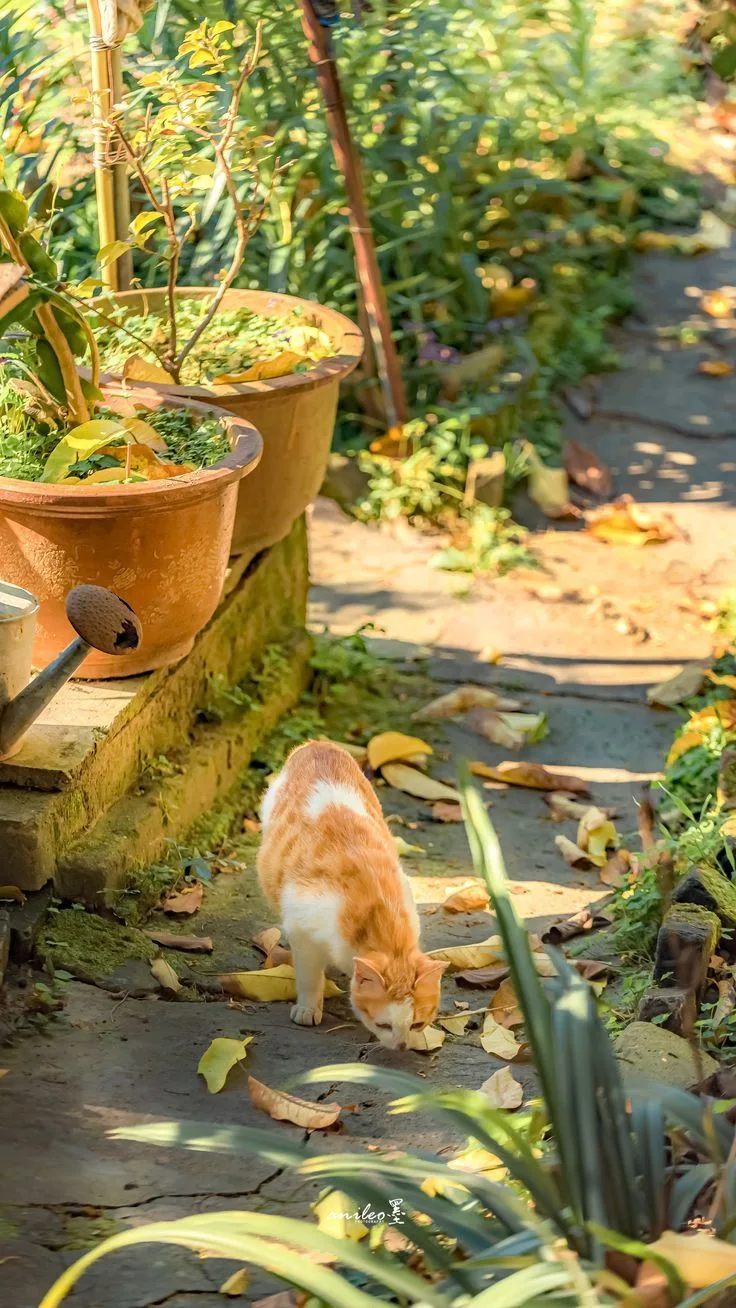
Image source: Web (Bing) / pinterest.com (Web image (fair-use with source credit))
Is It Medical or Behavioral? The Critical First Check
You must determine if this is a health emergency or a behavioral problem before taking any action. If your cat is straining, vocalizing, producing only drops of urine, or seems lethargic, treat it as a medical emergency immediately. Male cats with urethral obstructions can die within 24 to 48 hours without intervention.
If your cat appears comfortable and is passing normal volumes of urine elsewhere, you may have more time to investigate behavioral causes. However, even subtle changes like increased frequency or accidents outside the box warrant a veterinary visit. Feline Lower Urinary Tract Disease (FLUTD) often presents intermittently and can escalate quickly.
How to tell the difference at home
Observe your cat’s posture and output closely for 24 hours. Squatting with large volumes suggests a voiding issue or preference problem. Standing with tail quivering and small sprays indicates marking behavior linked to stress or territory.
Straining with little to no output is always a red flag. Blood in urine, excessive genital licking, or hiding also point toward medical causes. When in doubt, err on the side of caution and schedule a vet visit.
Behavioral fixes will never work if pain is driving the problem.
Ruling Out Pain: FLUTD, Blockages, and When to Rush to the Vet
Feline Lower Urinary Tract Disease is an umbrella term covering infections, crystals, stones, and idiopathic cystitis. Any of these can make the litter box feel painful, leading your cat to seek softer substrates like potting soil. As of 2026, veterinary consensus still holds that medical causes must be excluded before behavioral diagnosis.
A complete urinalysis with culture and sensitivity testing is the minimum diagnostic standard. Abdominal ultrasound may be needed to detect bladder stones or structural abnormalities. Do not skip this step based on age or past clean bills of health.
FLUTD recurrence rates hover around 50% within twelve months according to peer-reviewed literature.
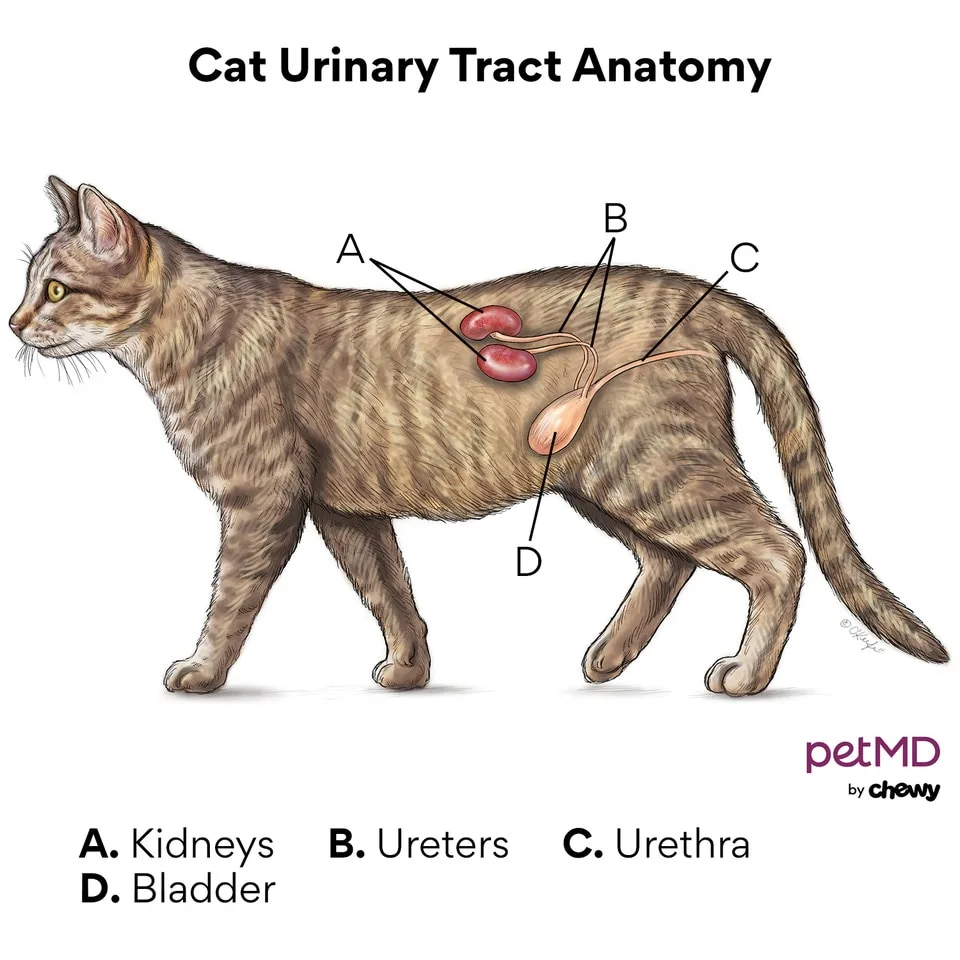
Image source: Web (Bing) / petmd.com (Web image (fair-use with source credit))
Emergency signs that cannot wait
Urethral obstruction is most common in male cats but can occur in females too. Signs include repeated trips to the box with no output, crying, vomiting, or collapse. This is a life-threatening emergency requiring immediate catheterization and fluid therapy.
Even if your cat seems stable now, monitor closely for deterioration. Stress-induced idiopathic cystitis can flare suddenly during environmental changes. Early veterinary intervention reduces suffering and prevents costly emergency care later.
Always document symptoms and timing to share with your veterinarian.
The Litter Box Audit: Fixing Aversion Before Blaming the Cat
Litter box aversion is the most common non-medical cause of plant soiling. Cats develop preferences for texture, location, and cleanliness that owners often overlook. Start by auditing your current setup against established feline welfare standards before assuming your cat is being difficult.
The gold standard is one box per cat plus one extra, placed in quiet, low-traffic areas. Boxes should be at least 1.5 times the length of your cat from nose to tail base. Covered boxes trap odors and limit escape routes, which many cats find stressful.
Common aversion triggers to check
Soil in potted plants mimics outdoor elimination sites, especially if litter feels harsh or dirty. Test substrate preference using the cafeteria method: offer three to four uncovered boxes with different litters side by side. Most cats prefer unscented, fine-grained clumping clay.
Cleanliness matters enormously. Scoop at least twice daily and wash boxes weekly with mild soap. Avoid ammonia-based cleaners that leave residual odors attractive to cats.
Location also plays a role. Boxes near noisy appliances, windows with outdoor cats, or high-traffic zones create avoidance.
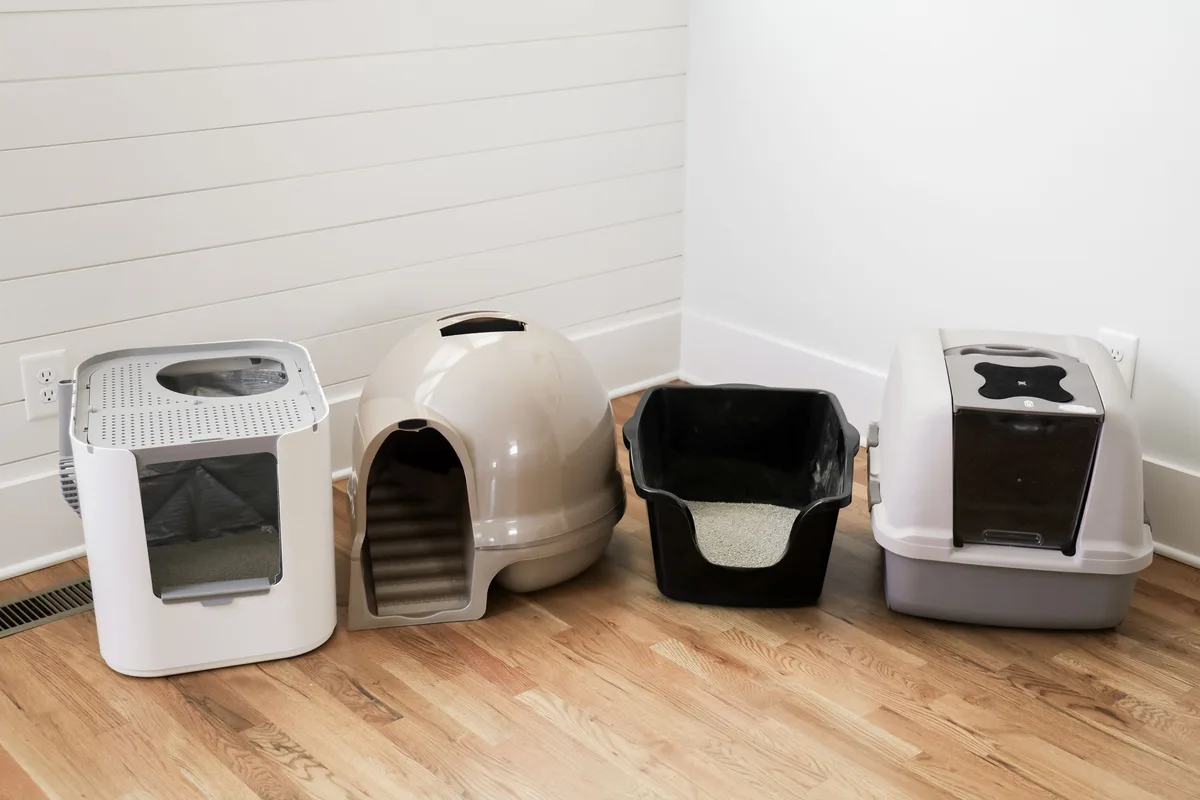
Image source: Web (Bing) / catwhisk.com (Web image (fair-use with source credit))
| Factor | Ideal Standard | Common Mistake |
|---|---|---|
| Box Count | Cats + 1 | One box for multiple cats |
| Size | 1.5x cat length | Small or kitten-sized boxes |
| Cover | Uncovered preferred | Hooded or top-entry only |
| Litter Depth | 2 to 3 inches | Too shallow or too deep |
| Cleaning | Scoop 2x daily | Daily or less frequent scooping |
Stress, Marking, and Why Plants Become Targets
If medical issues and litter box problems are ruled out, stress is likely the driver. Cats mark vertical surfaces or specific objects when they feel insecure about territory or social dynamics. Potted plants often sit in transitional zones like doorways or windowsills where outdoor cats pass by.
Multi-cat households frequently see marking related to resource competition or unresolved tension. Even single cats can develop stress from construction noise, new pets, schedule changes, or lack of enrichment. Synthetic feline pheromone diffusers (F3/F4 fraction) have shown measurable cortisol reduction in clinical studies.
Distinguishing spraying from inappropriate voiding
Spraying involves standing with tail upright and quivering while releasing small amounts on vertical surfaces. Voiding involves squatting and depositing larger volumes on horizontal surfaces like soil. Both can target plants but require different interventions.
Marking responds best to environmental modification and anxiety reduction. Increase vertical territory with cat trees, shelves, and window perches. Provide separate resources (food, water, resting spots) for each cat to reduce competition.
Never punish marking as this increases anxiety and worsens the cycle.
Safe Cleanup and Deterrents That Actually Work
Proper cleanup removes olfactory cues that trigger repeat offenses. Standard household cleaners mask odors to human noses but leave protein residues cats can still detect. Enzymatic cleaners specifically formulated for pet urine break down uric acid crystals at the molecular level.
Apply enzyme cleaner generously to saturated soil and allow 10 to 15 minutes dwell time before blotting. For severe contamination, replacing the top two inches of soil may be necessary. Avoid vinegar, bleach, or ammonia-based products as these can attract re-soiling or irritate respiratory tracts.
Physical barriers over scent repellents
Scent deterrents like citrus peels or essential oils are often ineffective and potentially toxic. Tea tree oil, peppermint, and concentrated citrus can cause liver damage or neurological symptoms in cats. Physical barriers are safer and more reliable long-term solutions.
Cover soil with decorative stones, pine cones, or plastic mesh designed for garden use. Double-sided tape or aluminum foil around pot rims creates unpleasant textures without chemical risk. Combine barriers with positive reinforcement for litter box use to rebuild proper habits.
Consistency over 30 days is key for lasting change.
Your Step-by-Step Decision Workflow
Follow this sequential path to safely identify and resolve the underlying cause. Skipping steps risks missing medical emergencies or reinforcing unwanted behaviors through incorrect interventions. Consistency over a full 30-day trial period is necessary for valid behavioral assessment.
Start with immediate veterinary triage if any emergency signs are present. Palpation, vitals, and urinalysis rule out FLUTD, infection, or obstruction first. Only proceed to behavioral evaluation once your veterinarian confirms medical health.
Phase one: Medical exclusion
Schedule a complete urinalysis with culture and sensitivity testing. Abdominal ultrasound may be recommended based on clinical findings. Follow all prescribed treatments fully before reassessing behavior.
Monitor urination frequency and volume daily during treatment. Normal output is two to four times per 24 hours. Report any straining, blood, or vocalization to your vet immediately.
Phase two: Litter box optimization
Audit box count, size, location, and substrate against established standards. Implement changes gradually to avoid creating new aversions. Track usage patterns for at least two weeks.
Test substrate preferences using the cafeteria method if uncertainty remains. Offer multiple uncovered options simultaneously. Most cats prefer unscented fine-grained clumping clay at two to three inches depth.
Phase three: Environmental modification
Identify and reduce stressors only after medical and management fixes are confirmed. Add vertical territory, separate resources, and enrichment activities systematically. Use synthetic pheromone diffusers as supportive therapy.
Apply physical barriers to protected plants during retraining. Clean soiled areas thoroughly with enzymatic cleaners. Reinforce litter box use with positive rewards consistently.
Frequently Asked Questions About Cats and Houseplants
Can I use citrus peels or essential oils to deter my cat?
No, many essential oils including tea tree, peppermint, and citrus are toxic to cats. These substances can cause liver damage, respiratory distress, or neurological symptoms. Physical barriers like decorative stones or plastic mesh are safer and more effective long-term solutions.
Always verify plant safety through the ASPCA database before placement.
How long does it take to stop plant urinating behavior?
Behavioral modification typically requires 30 days of consistent implementation for valid assessment. Medical causes may resolve faster with appropriate treatment but require full veterinary follow-up. Rushing the process or switching strategies prematurely undermines progress.
Document changes weekly to track patterns and adjust accordingly.
My cat was fine until we moved. Is this just stress?
Environmental transitions commonly trigger inappropriate elimination even in previously stable cats. However, stress can also unmask underlying medical conditions like idiopathic cystitis. Always rule out medical causes first regardless of timing.
Gradual acclimation, pheromone support, and maintaining familiar routines help ease adjustment periods.
Should I punish my cat for urinating in plants?
Never punish inappropriate elimination as this increases anxiety and worsens stress-related conditions. Cats do not understand punishment as correction for past actions. They associate it with you or the location instead.
Positive reinforcement for litter box use and proper cleanup of accident sites are far more effective approaches.
Are certain houseplants more attractive targets for urination?
Plants with soft, loose soil and low rim heights mimic outdoor elimination sites most closely. Damp potting mix is especially appealing to cats seeking alternative substrates. Elevating plants, covering soil with stones, or switching to self-watering systems reduces accessibility.
Ensure all houseplants are non-toxic since investigation often involves chewing.

Similar Posts