Why Are My Dahlia Leaves Turning Brown? Causes & Fixes
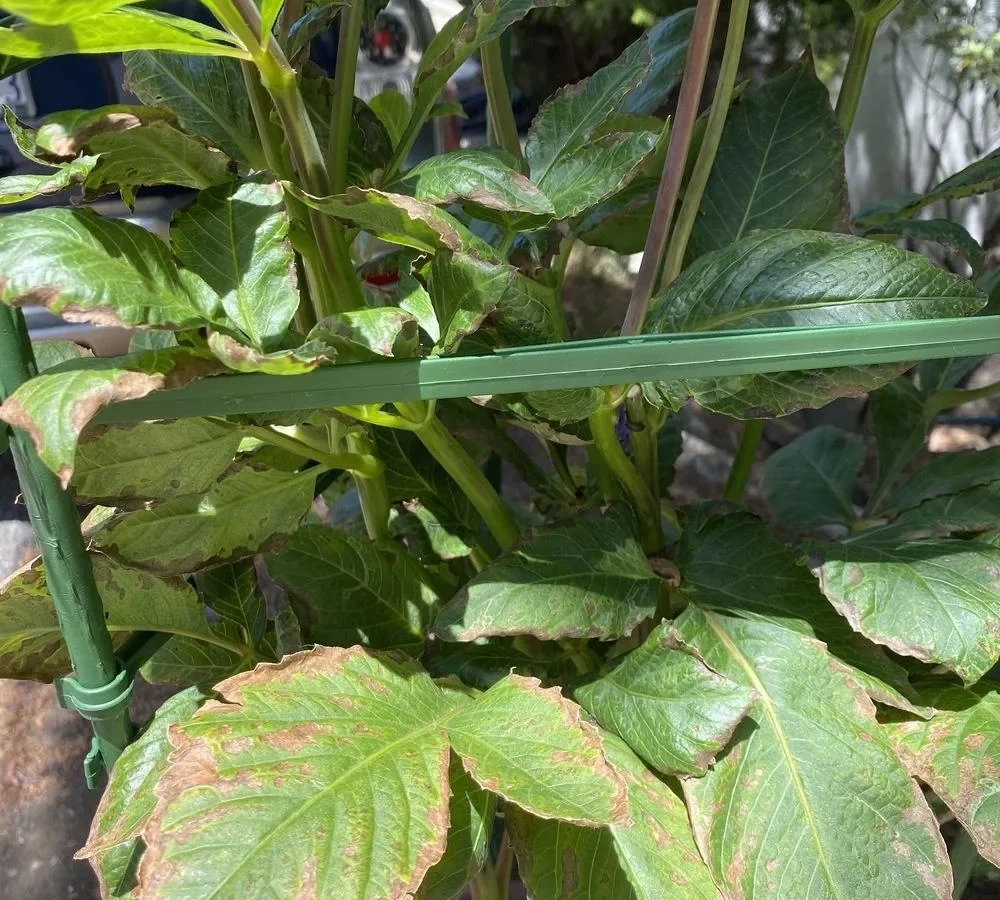
Seeing dahlia leaves turning brown is a distress signal, not a death sentence. The browning pattern tells you exactly what went wrong. You just need to know how to read it.
Our research into plant pathology shows that overwatering and fungal issues cause most midsummer dahlia losses. Dahlias need water pushed down six to eight inches into the soil. Shallow watering ruins them.
Let's figure out what your plant needs right now.
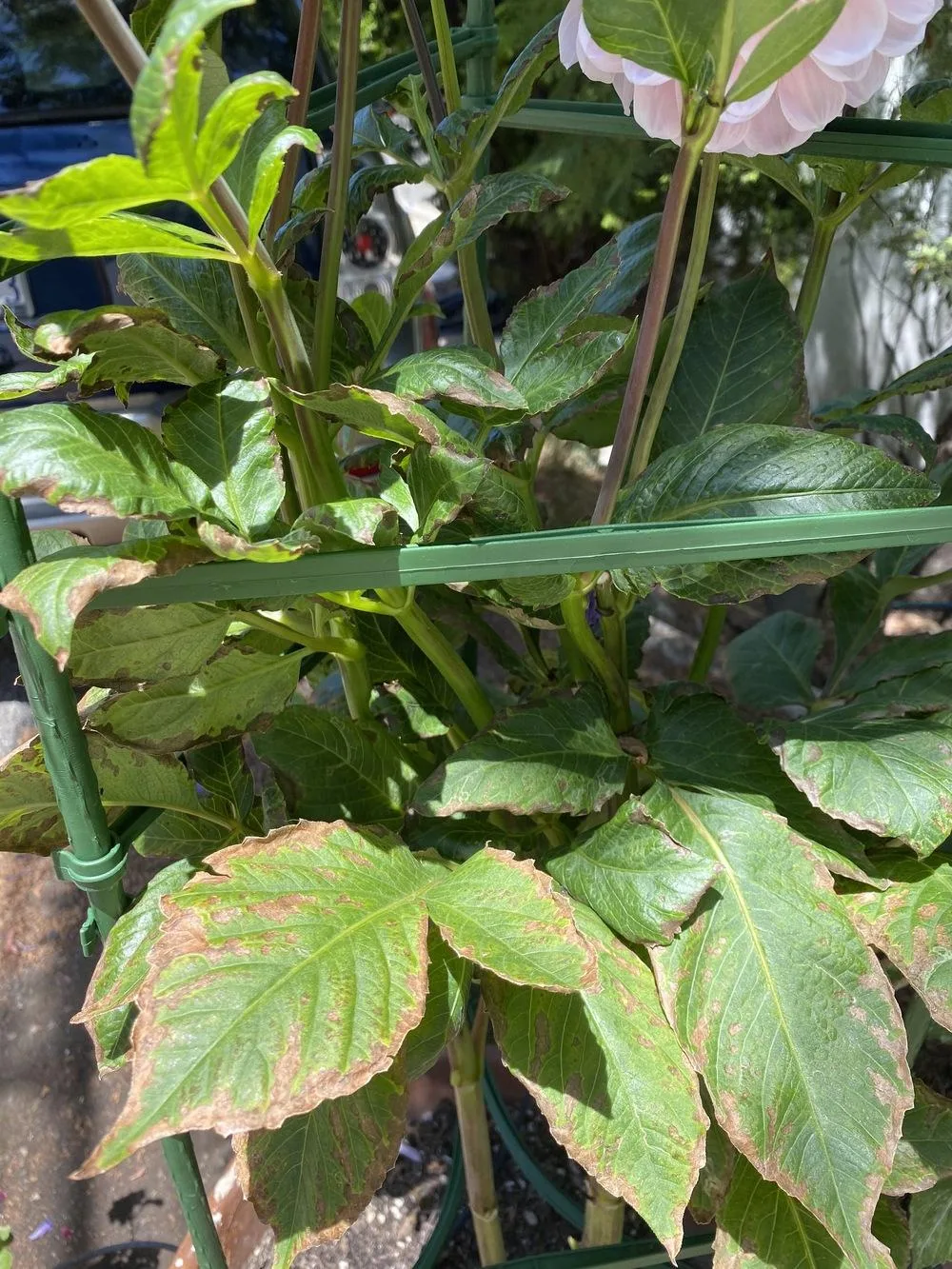
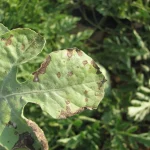
Image source: Bing (Web (fair-use with source credit))
Quick Answer
Dahlia leaves turn brown from stress or disease. Crispy edges mean heat or underwatering. Dark spots point to fungal infections.
Mushy lower leaves indicate root rot. Match the pattern to fix it.
Why Your Dahlia Leaves Are Turning Brown (And How to Read the Damage)
Brown dahlia foliage falls into two main categories. It is either abiotic or biotic. Abiotic means environmental stress caused the damage.
Biotic means a living pathogen attacked the plant.
Mixing these up is the biggest mistake gardeners make. Treating sunscald with fungicide wastes time. Watering a rotting tuber kills it faster.
You have to identify the trigger first.
Look closely at the texture of the dead tissue. Feel the brown spots between your fingers. Note exactly where the damage starts on the stem.
These details build your diagnostic path.
We use a simple branching workflow to solve this. You check the leaf margins first. Then you look at the lower canopy.
Finally, you inspect the base of the stem.
Each step eliminates half the possibilities. University extension programs like Clemson Cooperative Extension confirm this visual approach works best for home growers. You don't need a lab test to save your plant.
The Decision Tree: Match the Browning Pattern to the Real Problem
If the edges are crispy, follow the first branch. If the spots are dark and ringed, take the second. Each symptom points to one specific failure.
Use this table to start your diagnosis.
| Symptom | Texture | Location | Most Likely Cause |
|---|---|---|---|
| Brown margins | Dry, papery | Leaf edges | Heat stress or salt burn |
| Bullseye spots | Dry, brittle | Scattered leaves | Alternaria leaf spot |
| Yellow then brown | Soft, mushy | Bottom leaves only | Overwatering or tuber rot |
| Total collapse | Limp, stringy | Whole plant | Verticillium wilt |
Crispy Edges and Tips: Heat Stress, Underwatering, or Fertilizer Burn
Crispy leaf margins happen when roots cannot supply enough moisture. The stomata close to save water. The outer edges of the leaf die first because they are furthest from the veins.
This usually happens during extreme summer heat. Dahlias struggle in USDA zones 8 through 10 without afternoon shade. The sun literally bakes the outer cell walls.
Fertilizer burn looks almost identical. Too much synthetic nitrogen builds up salts in the soil. Those salts pull moisture away from the roots.
The leaf tips fry from the inside out.
If you fed the plants heavily last week, suspect salt toxicity. Flush the soil slowly with deep water. Push the excess fertilizer past the root zone.
Stop feeding until new growth looks healthy.
Underwatering causes the same crispy texture. Check the soil depth before grabbing the hose. Stick your finger down three inches.
If it feels like dust, your plant is thirsty.
Dark Spots with Yellow Halos: Alternaria, Septoria, and Fungal Leaf Spot
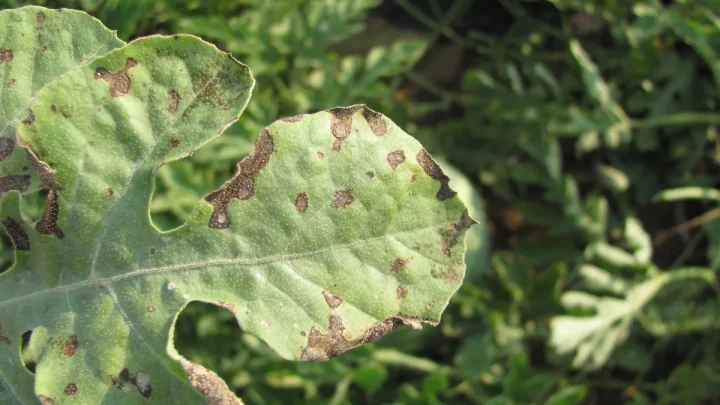
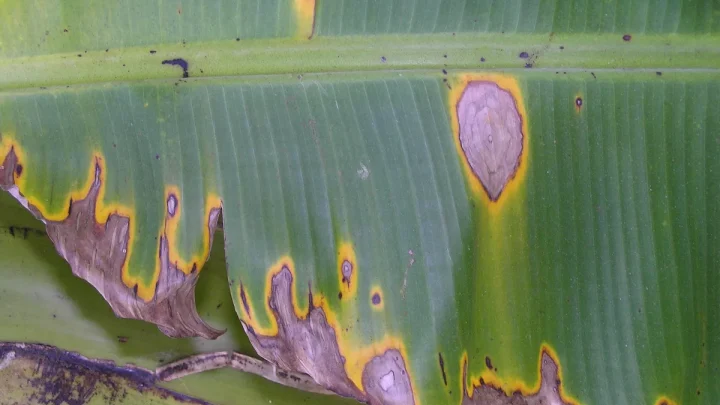
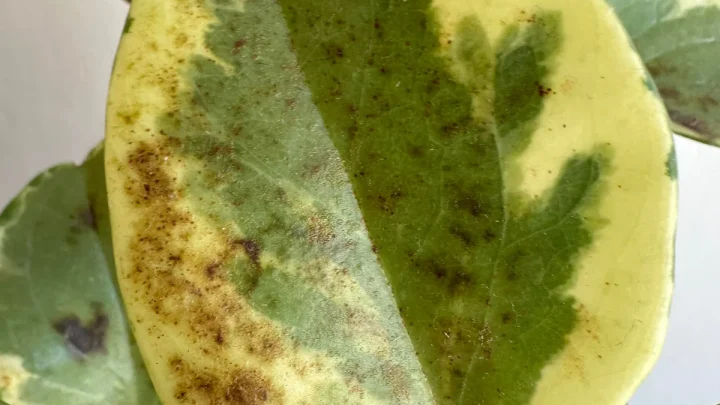
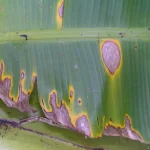
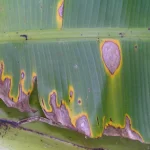
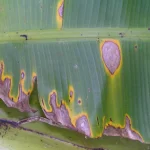
Dark spots with yellow borders mean fungus. Alternaria leaf spot creates distinct concentric rings. It looks like a tiny brown bullseye on the leaf surface.
Septoria produces smaller, darker dots.
Both fungi thrive on wet foliage. Overhead sprinklers practically invite them in. Heavy morning dew in humid climates does the same thing.
The spores germinate when leaves stay wet for hours.
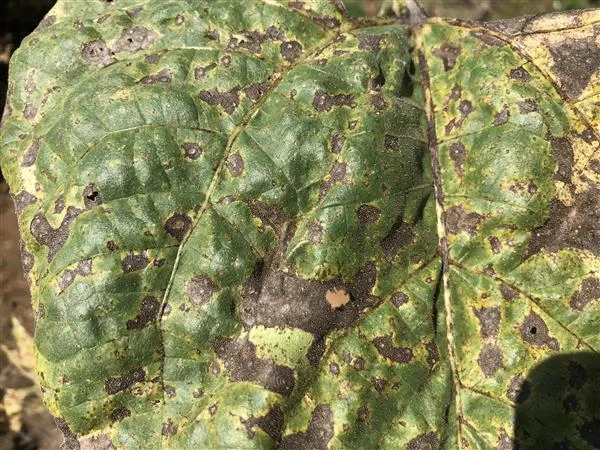
Image source: Bing (Web (fair-use with source credit))
The yellow halo is the plant fighting back. It cuts off nutrients to the infected area to starve the fungus. That tissue eventually dies and turns completely brown.
Remove the worst affected leaves immediately. Wipe your pruning shears with rubbing alcohol between every single cut. Bag the diseased leaves in plastic.
Never drop them into your compost bin.
Copper based fungicides protect the remaining green leaves. They do not cure the dead spots. Spray early in the morning so the liquid dries fast.
Follow the exact rates on the product label.
Mushy Lower Leaves Turning Brown: Overwatering and Tuber Rot
Soft, brown lower leaves mean the roots are drowning. Dahlias grow from tubers. Tubers sitting in soggy clay soil will rot quickly.
The plant sacrifices its oldest leaves first to survive.
This browning looks different from heat stress. The tissue feels slimy instead of crispy. It smells slightly sour if you get close.
The yellowing spreads upward as the rot worsens.
Stop watering immediately. Pull any mulch away from the main stem. Let the top two inches of soil dry out completely.
Do not trust a moisture meter blindly here.
Check the drainage holes if they are in pots. Clogged holes trap water at the bottom. Tip the pot slightly after watering to drain excess liquid.
Root rot moves fast in warm weather.
Do not apply fertilizer to a waterlogged plant. Stressed roots cannot process nutrients. Adding food right now just burns the remaining healthy tissue.
Wait for the soil to dry out.
Sudden Wilting and Blackened Stems: Verticillium Wilt and Bacterial Collapse
Sudden total collapse points to vascular disease. Verticillium wilt blocks the water transport system inside the stem. The plant looks fine at breakfast.
By dinner, it is a brown, crumpled mess.
Bacterial stem rot acts similarly. The stem turns black near the soil line. It feels hollow or stringy when you squeeze it.
Neither issue responds to extra watering.
Perform the scratch test right away. Scrape the bark near the base with your thumbnail. Healthy stems show pale green tissue underneath.
Diseased stems reveal brown, dead wood.
If the inside is brown, the plant is finished. Dig it up carefully to avoid spreading soil. Throw the entire plant and tuber in the trash.
Verticillium survives in dirt for over ten years.
Do not plant another dahlia in that exact hole next season. Rotate your flower beds to break the disease cycle. Clean your shovel thoroughly before working in other parts of the garden.
The Fix: Step-by-Step Actions for Each Diagnosis
Once you identify the problem, execute the fix. Don't mix treatments. Pick the path that matches your symptoms and stick to it.
Here is the workflow we recommend based on aggregate horticultural data.
For heat stress, change how you water. Soak the root zone deeply twice a week. Avoid daily shallow sprinkles.
Lay down three inches of straw mulch to cool the soil.
For fungal spots, focus entirely on airflow. Prune crowded lower stems. Space your plants further apart next spring.
Switch from overhead sprinklers to drip irrigation or soaker hoses as soon as possible.
For root rot, manage your moisture strictly. Let the soil dry out between waterings. Mound extra soil around the base if you have heavy clay.
This encourages runoff away from the crown.
For vascular wilt, practice strict sanitation. Remove the infected plant immediately. Do not try to save it with chemical sprays.
Protect your healthy plants by keeping your tools sterile.
Always observe the plant for three days after changing your routine. Recovery takes time. New growth tells you if the treatment worked.
Old brown leaves will never turn green again.
Heat Wilt vs. True Drought: The 8 AM Scratch Test
Heat wilt mimics drought stress perfectly. Both cause drooping leaves. But they require completely opposite reactions.
Watering a heat wilted plant can drown it.
Dahlias naturally shut their stomata during hot afternoons. This conserves internal moisture. The leaves droop to reduce sun exposure.
It is a defense mechanism, not an emergency.
True drought stress means the soil is actually empty. The plant has no water left to conserve. It will remain limp even when temperatures drop.
Knowing the difference saves lives.
Check your plants at eight in the morning. If they stand tall before the sun peaks, they were just heat wilting yesterday. Leave them alone.
Do not flood the soil out of panic.
If they are still drooping at dawn, they need water. Give them a slow, deep soak. Push the moisture down six to eight inches.
Surface watering won't reach the active roots.
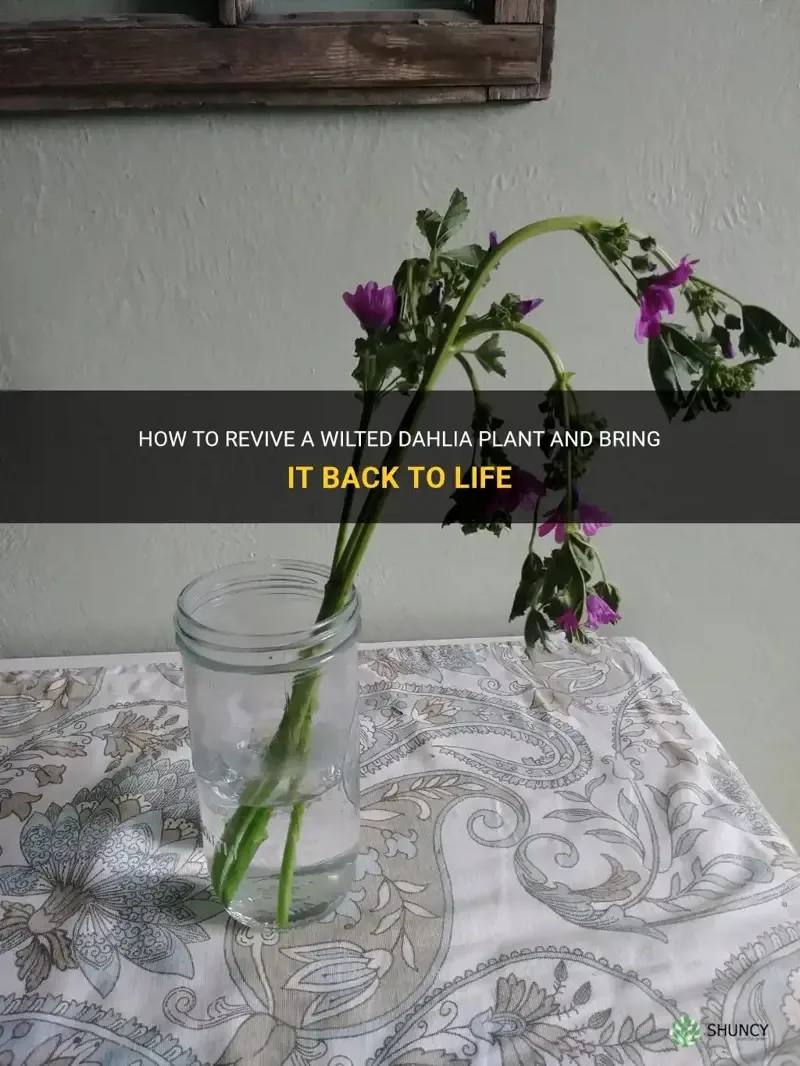
Image source: Bing (Web (fair-use with source credit))
Use the scratch test if you aren't sure. Gently scrape the main stem. Green means the vascular system is moving water properly.
Brown means the tissue has died from prolonged stress or disease.
As of 2026, university extensions still consider the morning check the gold standard. It removes guesswork from summer dahlia care. Trust the morning posture over the afternoon drama.
Five Mistakes That Kill Dahlias Faster Than the Disease
Panic watering is the fastest way to kill a stressed dahlia. If the leaves are crispy from heat, flooding the soil won't fix it instantly. You just drown roots that are already struggling to breathe.
Overhead irrigation spreads fungal spores across your entire bed. Water droplets act like tiny catapults for Alternaria and Septoria. Always aim your hose directly at the soil line.
Keep the foliage completely dry.
Using dirty pruning shears moves disease from plant to plant. Wiping blades with 70% isopropyl alcohol takes three seconds. Skipping this step inoculates healthy dahlias with whatever you just cut off the sick one.
Applying synthetic fertilizer to a waterlogged plant causes massive root burn. Stressed roots cannot process nutrients. The excess salts just sit in the mud and fry the remaining healthy tissue.
Tossing diseased leaves into your compost pile guarantees future problems. Verticillium wilt survives in organic matter for over a decade. Bag infected debris in plastic and put it straight in the trash.
Frequently Asked Questions
Should I cut off brown dahlia leaves?
Remove leaves with dark spots or mushy rot immediately to stop disease spread. Leave crispy heat damaged leaves alone if they are still attached. They provide slight shade to the main stem while the plant recovers.
Always sanitize your pruners first.
Can a dahlia recover from Verticillium wilt?
No. Once the vascular tissue turns brown and stringy, the plant cannot transport water. Dig up the entire dahlia and its tuber carefully.
Throw it away and avoid planting susceptible species in that exact spot next season.
Why are only the bottom dahlia leaves turning brown?
Lower leaf browning usually points to overwatering or poor soil drainage. Tubers sitting in wet clay begin to rot from the bottom up. Let the top two inches of soil dry out completely before watering again.
How often should I water dahlias in extreme heat?
Water deeply twice a week instead of giving daily shallow sprinkles. Push moisture down six to eight inches so roots grow deep. Check the plants at eight in the morning to confirm they actually need water.
Does mulch help prevent brown dahlia leaves?
Yes. A two to three inch layer of straw or shredded leaves cools the soil significantly. It prevents surface roots from baking during afternoon heat spikes.
Just keep the mulch pulled back an inch from the main stem.

Similar Posts