Foamy Substance on Plants: Warning Signs & What to Do
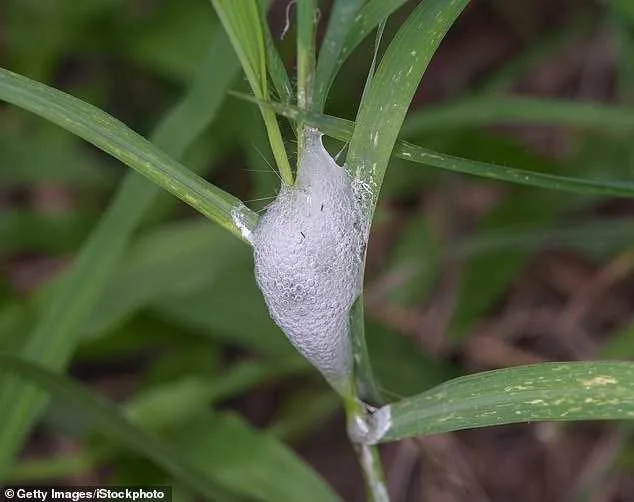
Seeing a foamy substance on plants warning you about potential damage can be alarming. You walk out to your garden and find bubbly white clumps sitting on stems or oozing from tree bark. Your first instinct is usually panic.
But not all foam means your plant is dying.
In our research, the most common culprit is the spittlebug nymph (family Cercopidae). These insects pierce xylem tissue to drink sap and excrete a protective froth. As of 2026, university extension data confirms bacterial wetwood remains the primary threat for mature trees showing trunk ooze.
Let's figure out exactly what you are looking at so you can take the right action.
Image source: Bing (Web (fair-use with source credit))
Quick Answer
A foamy substance on plants warning means checking the source immediately. Spittlebugs create odorless spit-like bubbles on tender green stems. Bacterial wetwood produces sour-smelling slime from woody tree trunks.
Environmental rain creates harmless temporary froth on top of soil. Identify the cause before applying any treatment.
Why That Foamy Substance on Your Plant Needs a Closer Look
Foam on a plant always signals biological activity or environmental stress. It never just appears out of nowhere. You need to look closer because the underlying cause dictates your entire response plan.
Treating a bacterial infection like an insect problem will only cost you time.
Spittlebugs use their back legs to whip excreted sap into bubbles. This foam hides them from predators and insulates them against temperature swings. It looks messy but rarely threatens established perennials or vegetables.
The nymphs inside are tiny, soft-bodied, and pale green.
Slime flux operates on a completely different level. Bacteria enter through pruning wounds or mechanical damage from weed whackers. They ferment the sap inside the heartwood, creating intense gas pressure.
That pressure forces a thick, foul-smelling liquid out through cracks in the bark.
Environmental froth is the easiest to rule out. Heavy rainfall whipping against decaying mulch or compost creates temporary surfactants. Soil-dwelling fungi sometimes produce similar bubbles when agitated by water.
This type of foam sits low on the ground and vanishes as soon as the sun dries the soil.
The 3-Step Diagnostic: Is It Spittlebugs, Slime Flux, or Just Rain?
Diagnosing the foam requires three specific checks. Grab a pair of gloves and get close to the affected area. You are looking for texture, location, and smell.
These three variables separate a minor nuisance from a serious structural threat.
Step 1: Check the Location
Where the foam sits tells you almost everything. Spittlebugs prefer leaf joints, tender green stems, and young transplants. They avoid thick woody bark.
If the foam is tucked into the crotch of a soft stem, suspect insects first.
Slime flux exclusively targets woody trunks and large branches. Look for cracks, old pruning cuts, or storm damage. The ooze originates from deep inside the vascular tissue.
It runs down the bark and pools near the root flare.
Soil froth stays on the ground. You will see it sitting on top of mulch rings or bare dirt after a heavy storm. It does not cling vertically to stems or trunks.
Gravity keeps it pooled at the base of the plant.
Step 2: Evaluate the Texture and Smell
Wipe a small amount away with a gloved finger or a twig. Spittlebug foam feels light, airy, and exactly like soap suds. It has absolutely no odor.
If you brush it aside, you will likely see the tiny nymph hiding underneath.
Bacterial wetwood ooze feels thick, sticky, and slimy. It stains the bark dark brown or black over time. The smell is the biggest giveaway.
It reeks of fermentation, sour yeast, or rotting fruit. Flies and beetles often gather around it.
Environmental froth feels watery and pops easily. It smells like wet earth or nothing at all. There are no bugs hiding inside it.
It leaves no dark staining on surrounding plant tissue.
Step 3: Assess the Plant Vigor
Look at the foliage above the foam. Spittlebugs drain xylem sap, but mature plants barely notice the loss. If the leaves are green and growing normally, the bug population is manageable.
Seedlings might show slight wilting under heavy feeding pressure.
Trees with active slime flux often display yellowing leaves or branch dieback directly above the wound. The bacteria compromise the vascular system's ability to transport water. If the canopy is thinning while the trunk oozes, the infection is advancing.
Healthy plants sitting in temporarily frothy soil show zero distress. Their leaves remain turgid and fully colored. The foam is strictly a surface event tied to recent weather patterns.
No internal tissue is compromised.
When Foam on Plants Actually Becomes a Warning Sign
Most gardening advice dismisses plant foam as a harmless spittlebug quirk. But ignoring the wrong type of foam leads to lost trees and ruined harvests. You need to know exactly when that bubbly mass crosses the line from weird to dangerous.
Young seedlings face the highest risk from spittlebugs. A newly planted tomato or pepper transplant has limited sap reserves. Multiple nymphs feeding simultaneously can stall root establishment entirely.
If you see foam covering tender nursery stock, wash those bugs off immediately.
Slime flux becomes a severe warning when accompanied by canopy decline. Fermenting bacteria produce gases that build massive pressure inside the heartwood. This weakens the structural integrity of the branch.
Heavy fruit loads or wind can snap these compromised limbs without warning.
Watch for black sooty mold developing below the foam. Both spittlebug honeydew and bacterial ooze contain sugars. Fungi colonize this sugary residue rapidly.
A thick layer of sooty mold blocks sunlight and shuts down photosynthesis on lower leaves.
Mechanical damage accelerates every warning sign. Weed whackers bouncing off tree trunks create open wounds for wetwood bacteria. Mowers stripping bark from low branches invite secondary infections.
Per university cooperative extension guidelines, proper mulch rings prevent this exact type of injury.
Side-by-Side Breakdown: Insect Froth vs. Bacterial Ooze vs. Soil Suds
Comparing these three conditions side by side removes the guesswork. You need clear parameters to make fast decisions in the garden. Use this breakdown whenever you spot unexpected bubbles on your property.
| Feature | Spittlebug Foam | Slime Flux Ooze | Environmental Froth |
|---|---|---|---|
| Primary Location | Leaf joints, tender stems | Woody trunks, pruning wounds | Soil surface, mulch beds |
| Texture | Light, airy, spit-like | Thick, sticky, slimy | Watery, loose bubbles |
| Odor Profile | Completely odorless | Sour, fermented, yeasty | Earthy or no smell |
| Hidden Contents | Pale green nymphs | Dark stained sap, bacteria | Dirt, organic matter |
| Threat Level | Low (high for seedlings) | Moderate to high | Zero |
| Attracts Pests | Rarely | Flies, sap beetles | None |
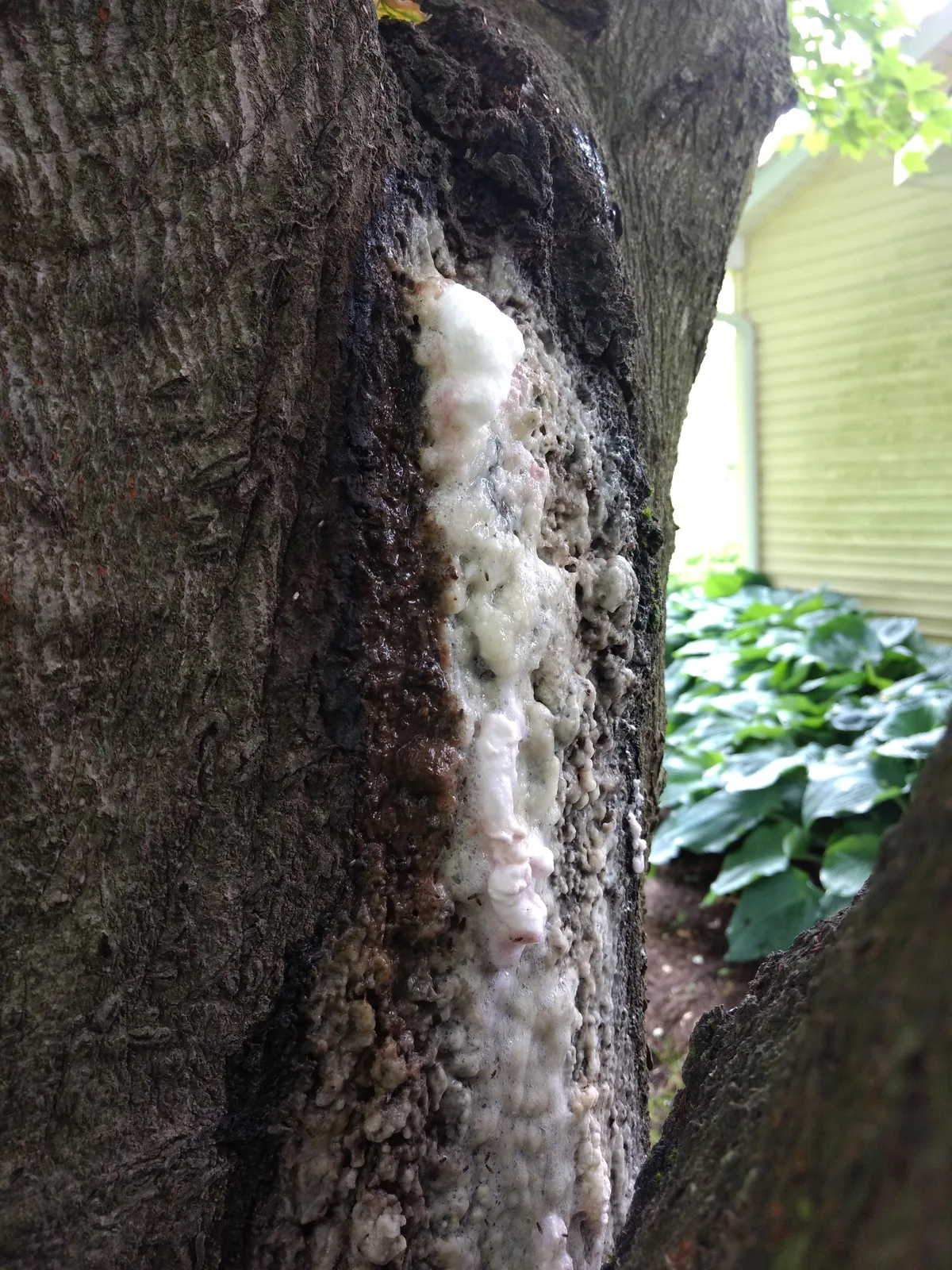
Image source: Bing (Web (fair-use with source credit))
Spittlebugs belong to the family Cercopidae. They are xylem-feeding insects that rely on foam for survival. The nymph stage lasts several weeks before they hop away as adults.
They thrive in temperate climates during mid-to-late spring.
Bacterial wetwood affects deciduous hardwoods most frequently. Elms, poplars, willows, and maples are highly susceptible. Stone fruits like cherries and plums also suffer severe complications.
The bacteria ferment sap internally long before you see external foam.
Soil froth happens purely due to physics and weather. Raindrops act as agitators against natural surfactants in decaying compost. Certain soil-dwelling microbes also produce foaming compounds.
It resolves entirely on its own once moisture levels drop.
Understanding these differences prevents unnecessary chemical applications. Spraying insecticides on a tree with slime flux wastes money. Washing harmless soil froth off your mulch wastes water.
Match the symptom to the correct entity before taking action.
Exactly What to Do Next Based on Your Diagnosis
Your response depends entirely on which condition you identified. Follow these specific workflows to resolve the issue safely. Never apply broad-spectrum treatments when targeted action works better.
Managing Spittlebugs
If you found nymphs hiding in the froth, start with water pressure. A sharp stream from your garden hose knocks them off the stems. They cannot climb back up quickly enough to survive.
This mechanical removal eliminates the need for chemical insecticides.
Clear out tall grasses and weeds surrounding your garden beds. Spittlebugs overwinter as eggs in dense plant debris. Removing their habitat reduces next year's population drastically.
Keep the garden floor tidy through autumn to break their life cycle.
For heavy infestations on vulnerable seedlings, use insecticidal soap. Spray it directly onto the exposed nymphs after wiping away the foam. The soap breaks down their soft outer cuticle.
Avoid spraying open flowers to protect local pollinator populations.
Addressing Slime Flux
Do not plug the weeping wound. Trapping the fermentation gases inside the trunk pushes bacteria deeper into healthy heartwood. The tree needs that pressure release to survive.
Let the ooze flow naturally down the bark.
Focus entirely on supporting the tree's overall vigor. Water deeply during dry spells so the roots have energy to fight. Avoid heavy nitrogen fertilization, which forces weak, rapid growth.
You want slow, dense wood formation to compartmentalize the decay.
Sterilize your pruning tools with rubbing alcohol between every single cut. Dirty shears spread wetwood bacteria from infected trees to healthy ones. If a limb shows severe dieback above the ooze, hire a certified arborist.
They understand the CODIT model for safe removal.
Handling Environmental Froth
Leave it alone. This foam requires zero intervention from you. The sun will dry the soil surface within a few hours.
The bubbles will pop and vanish completely.
Check your drainage if the froth lingers for days. Constant pooling water suggests your mulch ring is too thick or graded poorly. Adjust the soil grade to move standing water away from plant crowns.
Healthy roots need oxygen just as much as moisture.
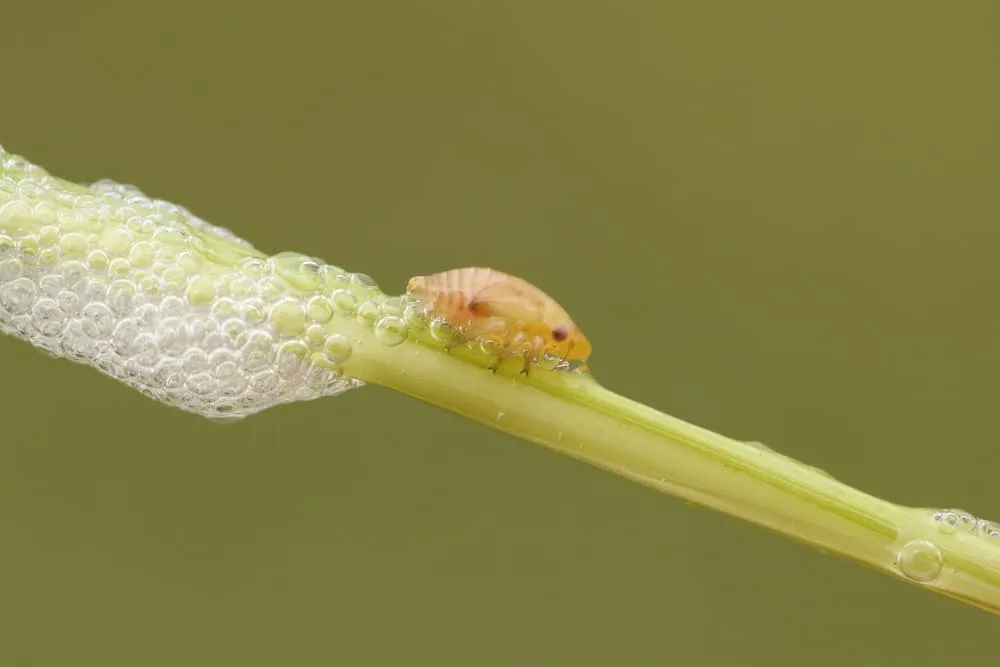
Image source: Bing (Web (fair-use with source credit))
Mistakes to Avoid: What Makes Spittlebugs and Wetwood Worse
Good intentions often cause the most damage when dealing with plant foam. You see a problem and want it gone immediately. But rushing the fix usually creates two new problems.
Here are the specific errors that make these conditions worse.
Plugging a slime flux wound is the biggest mistake we see. People try to seal the ooze with caulk, tar, or expanding foam. That traps fermentation gases inside the trunk.
The internal pressure spikes and pushes bacteria deeper into healthy wood.
Using broad-spectrum insecticides for spittlebugs rarely works well. The foam itself acts as a physical shield against chemical sprays. The liquid just rolls off the bubbles without reaching the nymph inside.
You end up killing beneficial predators like parasitic wasps instead.
Over-fertilizing a tree with bacterial wetwood seems helpful at first. You think extra nutrients will boost its immune system. Instead, heavy nitrogen forces rapid, weak cell growth.
That soft new wood lacks the density needed to compartmentalize decay properly.
Leaving ragged pruning stubs invites wetwood bacteria directly into the heartwood. Flush cuts destroy the branch collar where healing tissue forms. Always cut just outside that swollen collar area.
Clean cuts let the tree seal the wound naturally.
Ignoring weed whacker damage around the base of trees is another silent killer. Those small bark tears might look minor. But they provide perfect entry points for opportunistic pathogens during spring rains.
A simple mulch ring prevents this mechanical injury entirely.
Skipping tool sanitation spreads disease across your entire property. If you prune an infected elm and move straight to a healthy maple, you transfer the bacteria. Wipe your shears with rubbing alcohol between every single tree.
It takes seconds and saves mature specimens.
Frequently Asked Questions
Are spittlebugs harmful to my garden plants?
Spittlebugs rarely harm established perennials or mature vegetables. They drink xylem sap, which is mostly water. However, heavy infestations on young seedlings can stall root development.
Blast them off tender transplants with a sharp stream from your garden hose.
Why does my tree smell sour and ooze white foam?
That sour smell indicates bacterial wetwood, also called slime flux. Bacteria entered through a wound and fermented the sap inside the trunk. Gas pressure forces the sticky liquid out through cracks in the bark.
Do not plug the hole.
Can I use pesticides to kill spittlebug nymphs?
Pesticides struggle to penetrate the protective foam mass. The bubbles physically block the spray from reaching the insect. Mechanical removal using pressurized water works much better.
Clearing surrounding weeds also eliminates their preferred overwintering habitat.
Will rain foam on my soil hurt my vegetables?
Environmental froth caused by heavy rain is completely harmless. Raindrops agitate natural surfactants in decaying mulch or compost. The bubbles pop and disappear once the sun dries the surface.
Your vegetable roots remain perfectly safe underneath.
Should I cut off a branch oozing slime flux?
Only remove the branch if severe canopy dieback exists above the wound. Otherwise, focus on supporting the tree's overall vigor through proper watering. Consult a certified arborist if the limb hangs over structures.
Sudden failure is a real safety risk.
How do I prevent foam from coming back next year?
Clear dead plant debris in autumn to destroy spittlebug eggs. Prune trees correctly using sterilized tools to prevent bacterial entry. Maintain consistent deep watering schedules during dry summer months.
Healthy, unstressed plants resist both insects and internal infections effectively.

Similar Posts