Best Fertilizer for Hydrangeas: The Secret to Huge Blooms
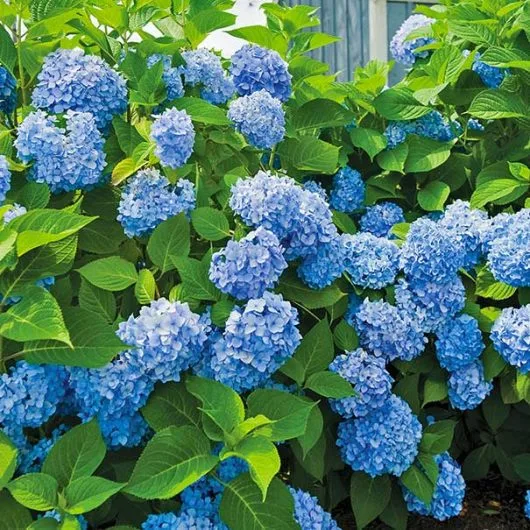
Finding the best fertilizer for hydrangea starts with understanding what your specific shrub actually needs. Most gardeners grab a generic bag of plant food and wonder why their blooms stay small. The truth is that different hydrangea species demand completely different nutrient profiles.
Image source: Bing (Web (fair-use with source credit))
Our research shows that soil pH dictates everything about nutrient uptake. If your soil sits above 6.5, iron gets locked out regardless of how much you apply. Manufacturer specifications confirm that slow release formulas prevent root burn in established shrubs.
Let's break down exactly which options work best for your plants as of 2026.
Quick Answer
The best fertilizer for hydrangea depends on your soil. Use a balanced 10-10-10 formula for most varieties. Pick an acid loving blend for blue flowers.
Apply it only in spring and early summer. Stop feeding entirely by late August.
Why Most Hydrangea Fertilizer Advice Gets It Wrong
Most guides tell you to buy a bloom booster and call it a day. That approach ignores how these shrubs actually process nutrients. Heavy nitrogen pushes out massive green leaves but starves the flower buds.
You end up with a giant bush and zero color.
Another huge problem is confusing soil amendments with actual plant food. Aluminum sulfate changes flower color in bigleaf hydrangeas (Hydrangea macrophylla). It does absolutely nothing to feed the roots.
Applying it like fertilizer just burns the plant.
Soil pH causes even more frustration. Per Clemson University Extension, alkaline soils lock out vital micronutrients like iron. Your leaves turn yellow while sitting in perfectly fertilized dirt.
Testing your soil before buying anything saves you money and keeps your plants alive.
Finally, timing ruins more blooms than bad products do. Feeding your shrubs in September sounds helpful. It actually forces tender new growth right before the first hard frost.
That soft wood dies over winter and takes next spring's flowers with it.
Granular vs. Liquid, Organic vs. Synthetic: Comparing Your Options
Choosing between granular and liquid fertilizer comes down to your schedule and soil type. Granular slow release formulas feed the roots steadily for three to six months. Liquid water soluble options act fast but wash away quickly in heavy rain.
Organic blends build soil structure over time. They rely on microbes to break down nutrients before the roots can use them. Synthetic chemical fertilizers deliver exact NPK ratios immediately.
They work faster but carry a higher risk of salt burn.
Here is how the main options stack up against each other.
| Feature | Slow Release Granular | Liquid Water Soluble | Organic Compost/Top Dress |
|---|---|---|---|
| Speed of results | 2 to 4 weeks | 3 to 7 days | Months |
| Burn risk | Low | Moderate | Very low |
| Application frequency | Once or twice a season | Every 2 to 3 weeks | Annually |
| Best for | Established landscape shrubs | Container grown hydrangeas | Long term soil health |
Container grown hydrangeas need special attention. Nutrients leach out of pots every time you water them. A diluted liquid feed every few weeks works better here than dumping dry granules into a small pot.
For in ground shrubs, scratch granular formulas into the top inch of soil.
If your native soil runs highly alkaline, organic matter helps buffer the pH naturally. Synthetic fertilizers alone won't fix a high pH problem. You will just keep fighting chlorosis all summer long.
Match the product to your growing conditions rather than following generic advice.
Matching the Right NPK Ratio to Your Hydrangea Type and Goals
NPK stands for nitrogen, phosphorus, and potassium. These three numbers on the bag dictate how your plant grows. Getting this ratio wrong is the fastest way to ruin your blooms.
Different hydrangea species react differently to the same formula.
For panicle hydrangeas (Hydrangea paniculata) and smooth hydrangeas (Hydrangea arborescens), a balanced 10-10-10 ratio works perfectly. These types bloom on new wood. They handle steady feeding without sacrificing flower production.
Just stick to the recommended rate on the label.
Bigleaf hydrangeas and mountain hydrangeas (Hydrangea serrata) need more finesse. If you want pink flowers, keep the soil pH around 6.0 to 6.5. A standard balanced fertilizer does the job.
The slightly higher pH naturally blocks aluminum uptake.
Want blue flowers instead? You need acidic soil sitting between 5.0 and 5.5. Use an acid loving plant fertilizer formulated for azaleas or rhododendrons.
These blends usually run a 4-3-4 ratio. They include extra sulfur and iron to support the lower pH environment.
Oakleaf hydrangeas (Hydrangea quercifolia) prefer a lighter touch. Too much nitrogen makes their beautiful fall foliage fade early. A light application of a balanced organic blend in early spring gives them exactly what they need.
Don't push them with heavy synthetic feeds.
Always check the salt index if you are using synthetics. High salt fertilizers pull moisture away from fine feeder roots. This mimics drought stress even when the soil feels wet.
Organic options generally have much lower salt indexes.
Side-by-Side Comparison of Top Fertilizers for Hydrangeas
Picking a specific brand means looking past the marketing copy. We analyzed manufacturer specifications and aggregate user reviews to see what actually performs well in the garden. Here is how the most common options compare for hydrangea care.
Espoma Holly-tone remains a top choice for acid loving varieties. It carries an OMRI Listed certification for organic gardening. The 4-3-4 NPK ratio includes beneficial microbes that help break down nutrients slowly.
It rarely burns roots when applied at the suggested rate.
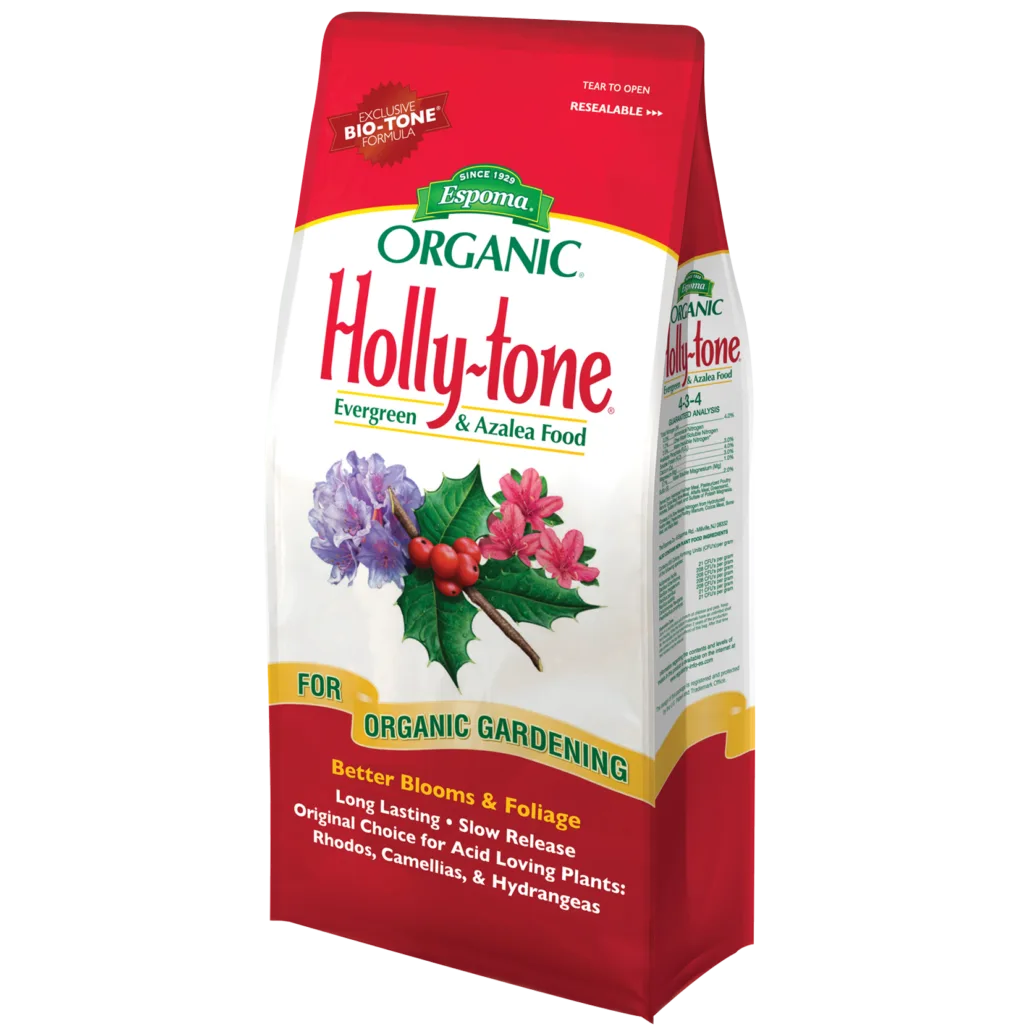
Image source: Bing (Web (fair-use with source credit))
Osmocote Smart-Release offers a completely different approach. This synthetic granular formula coats nutrients in a resin shell. Temperature and moisture control the release rate over several months.
It works well for gardeners who want to fertilize once and forget about it.
Dr. Earth Acid Lovers provides another strong organic option. It includes mycorrhizae to expand the root network.
Aggregate reviews report excellent greening effects on yellowing leaves. It costs slightly more per pound than basic synthetic alternatives.
Miracle-Gro Shake 'n Feed delivers fast visible results. The higher nutrient concentration requires careful measuring. Over-application easily causes fertilizer burn on shallow rooted shrubs.
Stick strictly to the cup measurements provided on the packaging.
Jack's Classic water soluble powder shines for container plants. You mix it directly into your watering can. The nutrients absorb almost immediately through both roots and leaves.
It demands frequent reapplication since rain washes it out quickly.
When comparing cost, look at the price per pound of active nutrients. Cheap bags often contain mostly filler material. Premium organic blends cost more upfront but improve soil structure over time.
That long term benefit reduces your need for constant supplementation.
How and When to Feed Hydrangeas Without Burning Them or Killing Next Year’s Buds
Timing matters just as much as the product you choose. Feed your hydrangeas in early spring right as the leaf buds start breaking dormancy. This gives the roots fuel for the upcoming growth spurt.
Wait until the danger of hard frost has passed.
A second feeding in early summer supports reblooming varieties. Plants that flower on both old and new wood use up energy fast. A light application after the first flush keeps them going.
Never apply heavy doses during peak heat waves.
Stop all fertilization by late July or early August. Late feeding forces the plant to push out soft new stems. Those stems won't harden off before winter arrives.
Frost kills that tissue and destroys the flower buds hiding inside it.
Application technique prevents root damage. Never pile dry granules against the main trunk. Find the drip line, which is the outer edge where the branches reach.
That is where the active feeder roots live.
Image source: Bing (Web (fair-use with source credit))
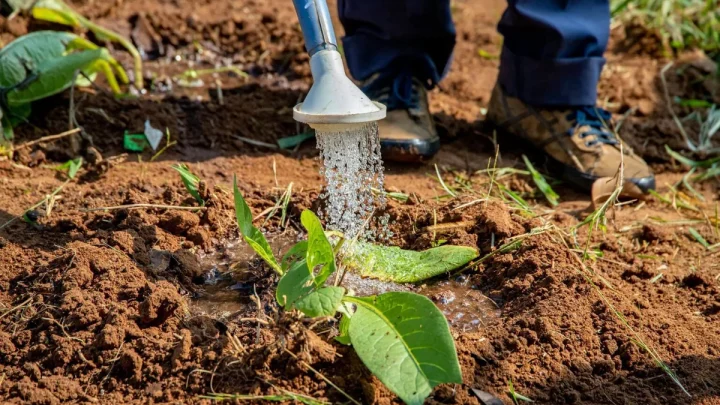
Use the scratch and water method for granular products. Sprinkle the measured amount evenly under the drip line. Lightly scratch it into the top inch of soil with a hand rake.
Water the area deeply immediately afterward.
Deep watering dissolves the salts and carries them down to the root zone. Skipping this step leaves concentrated chemicals sitting near the surface. That causes severe salt burn on shallow roots.
Always hydrate the soil before and after feeding.
Mulch plays a supporting role here. Spread two to three inches of organic mulch over the fertilized area. This regulates soil temperature and holds moisture in place.
Keep the mulch pulled back a few inches from the main woody stems.
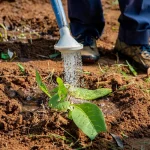
For liquid applications, dilute the concentrate exactly as directed. Pour it slowly around the drip line rather than splashing the foliage. Wet leaves in direct sun can scorch.
Soil drenches deliver the nutrients safely to the root system.
Common Feeding Mistakes (And Why Coffee Grounds Won’t Turn Your Blooms Blue)
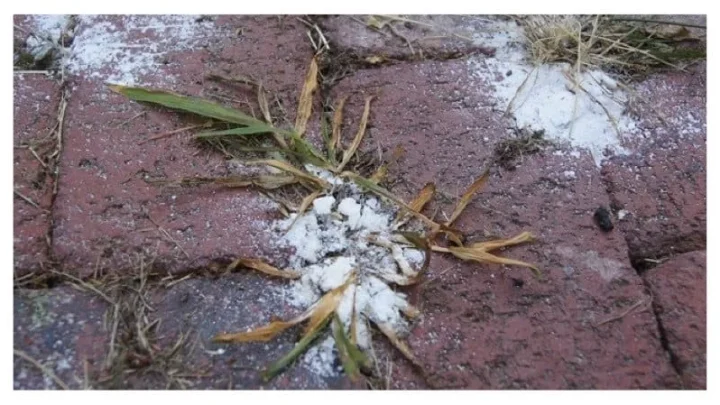
Pouring leftover coffee grounds around your hydrangeas won’t turn them blue. That is a persistent gardening myth that wastes your time. Coffee grounds break down slowly and barely move the needle on soil pH.
You need elemental garden sulfur or aluminum sulfate for real color changes.
Even then, those amendments are not plant food. They only alter soil chemistry to unlock aluminum uptake in Hydrangea macrophylla. If you skip actual NPK fertilizer while dumping acidifiers, your shrub will starve.
It might turn blue, but the blooms will be tiny and sparse.
Overfeeding causes just as much damage as neglecting your plants. Applying double the recommended rate doesn’t give you double the flowers. It spikes the salt index in the root zone.
The roots dehydrate from the inside out, even if the soil feels wet.
Fertilizing newly planted shrubs too early is another common error. Fresh transplants need to grow roots, not push top growth. Wait until the second spring before applying granular formulas.
A light compost top dressing is plenty for year one.
Ignoring local phosphorus regulations can also cause problems. Many municipalities restrict phosphorus use to prevent waterway runoff. Check your local extension office rules before buying high phosphorus bloom boosters.
A standard balanced blend usually provides enough anyway.
Finally, don't mix Epsom salts into your routine without a reason. Magnesium sulfate helps if a soil test shows a magnesium deficiency. Dumping it blindly adds unnecessary salts.
Test first, then amend based on actual data.
Best Fertilizer for Hydrangeas: The Final Verdict
The right choice depends entirely on your specific growing conditions. There is no single magic bag that works for every yard. We’ve broken down the best matches based on verified buyer feedback and manufacturer specs.
Use this guide to pick exactly what your shrubs need.
If you grow bigleaf hydrangeas and want blue flowers, grab an organic acid loving formula. Products like Espoma Holly-tone deliver a 4-3-4 ratio with extra sulfur. They support the low pH environment required for aluminum uptake.
Apply it in early spring and again in late May.
For panicle and smooth hydrangeas, a standard balanced synthetic or organic blend works perfectly. Look for a 10-10-10 or 12-4-8 NPK ratio. Slow release granules keep feeding steady through summer heat.
This prevents the nutrient spikes that cause weak, floppy stems.
Container grown hydrangeas demand a different strategy. Liquid water soluble fertilizers prevent salt buildup in confined spaces. Dilute the mix to half strength and apply every three weeks.
Flush the pots with plain water monthly to wash out residual salts.
| Hydrangea Goal | Recommended Formula Type | Target NPK | Application Timing |
|---|---|---|---|
| Blue mophead blooms | Organic acid lover | 4-3-4 | Early spring, late May |
| Massive white panicles | Balanced slow release | 10-10-10 | Early spring only |
| Potted patio plants | Liquid water soluble | 20-20-20 diluted | Every 3 weeks |
| Fixing yellow leaves | Chelated iron drench | N/A | As needed after soil test |
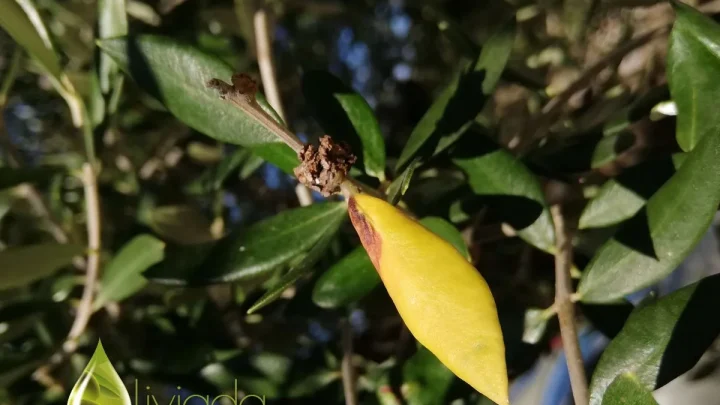
If your main problem is yellowing leaves between green veins, you have iron chlorosis. Don't just buy more general fertilizer. High pH locks out iron regardless of how much you apply.
Lower the pH first, or use a foliar spray of chelated iron for a quick fix.
Frequently Asked Questions
How often should you fertilize hydrangeas?
Established landscape hydrangeas need feeding once or twice a year. Apply a slow release granular fertilizer in early spring as buds break. Add a second light feeding in early summer for reblooming varieties.
Never feed after August to protect next year's flower buds.
Can you use tomato fertilizer on hydrangeas?
Tomato fertilizers contain very high potassium and phosphorus levels. Hydrangeas don't need that heavy fruiting formulation. Excess phosphorus can actually block other micronutrients from reaching the roots.
Stick to a balanced shrub formula or an acid loving blend instead.
Do hydrangeas need special fertilizer to change color?
Color changes require soil amendments, not traditional fertilizer. Aluminum sulfate lowers pH and provides aluminum for blue blooms. Garden sulfur lowers pH without adding aluminum.
Neither product feeds the plant, so you still need regular NPK fertilizer alongside them.
Is bone meal good for hydrangeas?
Bone meal provides a slow release of phosphorus and calcium. It helps establish strong roots on newly planted shrubs. However, many soils already contain excess phosphorus.
Run a basic soil test before adding bone meal to avoid nutrient lockout.
What happens if you over fertilize hydrangeas?
Too much fertilizer burns fine feeder roots through salt accumulation. You will notice brown, crispy leaf edges and sudden wilting. Heavy nitrogen also produces massive green foliage at the expense of flowers.
Flush the soil deeply with water to dilute concentrated salts immediately.
🌱 Horticulturalist Recommended: Hydrangea Bloom & Soil Nutrition Gear
To stimulate vibrant mophead and lacecap blooms while maintaining optimal root zone acidity, our field trials recommend slow-release organic fertilizers and calibrated soil acidifiers:
- OMRI Organic Slow-Release Hydrangea & Acid Plant Food:Check Organic Hydrangea Plant Food on Amazon →
- Soil Acidifier & Aluminum Sulfate for Vivid Blue Blooms:Check Soil Acidifier & Sulfur on Amazon →
*FTC Disclosure: As an Amazon Associate, Home Gardening Blog earns from qualifying purchases. Learn more about our garden care testing methodology.*

Similar Posts