How We Test & Research: Our Garden Care Methodology
At Home Gardening Blog, our editorial credibility is rooted in real-world soil cultivation, active greenhouse plant pathology, and hands-on botanical research. We do not aggregate generic tips or rely on armchair AI summaries. Every disease diagnosis guide, organic spray recipe, propagation tutorial, and tool recommendation is vetted through systematic garden trials.
1. Botanical Diagnostics & Organic Treatment Trials
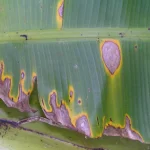
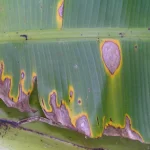
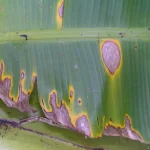
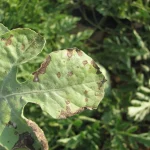
Plant diseases such as powdery mildew, leaf spot fungus, chlorosis, and bacterial wilt require precise scientific identification rather than guesswork. Our diagnostic protocol involves:
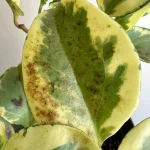
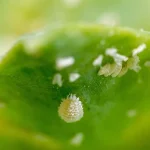
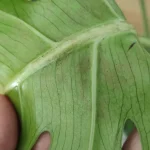
- Microscopic & Visual Foliage Inspection: We monitor symptom progression across multiple plant species (from indoor Monsteras to outdoor boxwood hedges) to differentiate between fungal blight, viral infections, and environmental shock (e.g., cold damage or edema).
- Controlled Soil Moisture & pH Testing: Using digital 3-in-1 moisture and pH meters, we establish accurate root-zone baselines before recommending any watering adjustments or soil acidifiers/alkalizers.
- Organic Treatment Validation: We verify the efficacy of OMRI-listed organic controls (including cold-pressed neem oil, copper octanoate fungicides, and potassium bicarbonate sprays) under real ambient humidity and sunlight conditions to ensure disease elimination without leaf scorching (phototoxicity).
2. Equipment & Gardening Supply Testing Protocol
Backyard tools and potting soils must perform reliably season after season under harsh outdoor weather. Our team assesses every gardening product across four rigorous performance criteria:
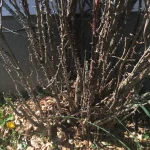
- Blade Steel Hardness & Edge Retention: Bypass pruners, loppers, and hedge shears are tested on fibrous hardwood canes and deadwood to evaluate cutting torque and resistance to dulling or sap jamming.
- Soil Drainage & Porosity: Potting mixes and seed-starting mediums are tested for water retention, aeration ratio, and compaction rates to prevent destructive root rot.
- Sensor Accuracy: Soil moisture probes, temperature sensors, and pH testers are calibrated against laboratory control solutions to guarantee dependable readings for home growers.
- Organic Safety Standards: Fertilizers and biological pest controls are strictly screened for non-toxic environmental safety, ensuring complete protection for beneficial pollinators, domestic pets, and earthworm populations.
3. Tree Stump & Soil Remediation Methodology
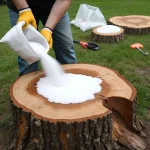
For DIY outdoor tasks—such as accelerating tree stump decomposition with agricultural-grade Epsom salt (magnesium sulfate) or clearing invasive groundcovers—we document exact drill bit diameters, hole spacing patterns, water-saturation frequency, and tarp moisture retention to provide safe, chemical-free timelines that actually work.
4. Editorial Independence & FTC Transparency
Home Gardening Blog maintains 100% editorial autonomy. We never accept paid placement, sponsored product rankings, or free manufacturer gifts in exchange for favorable reviews. As an Amazon Associate, we earn modest commissions from qualifying purchases made through our links at no additional cost to you. These affiliate fees directly fund our independent research garden and equipment testing facilities.