How to Remove a Tree Stump With Epsom Salt Fast
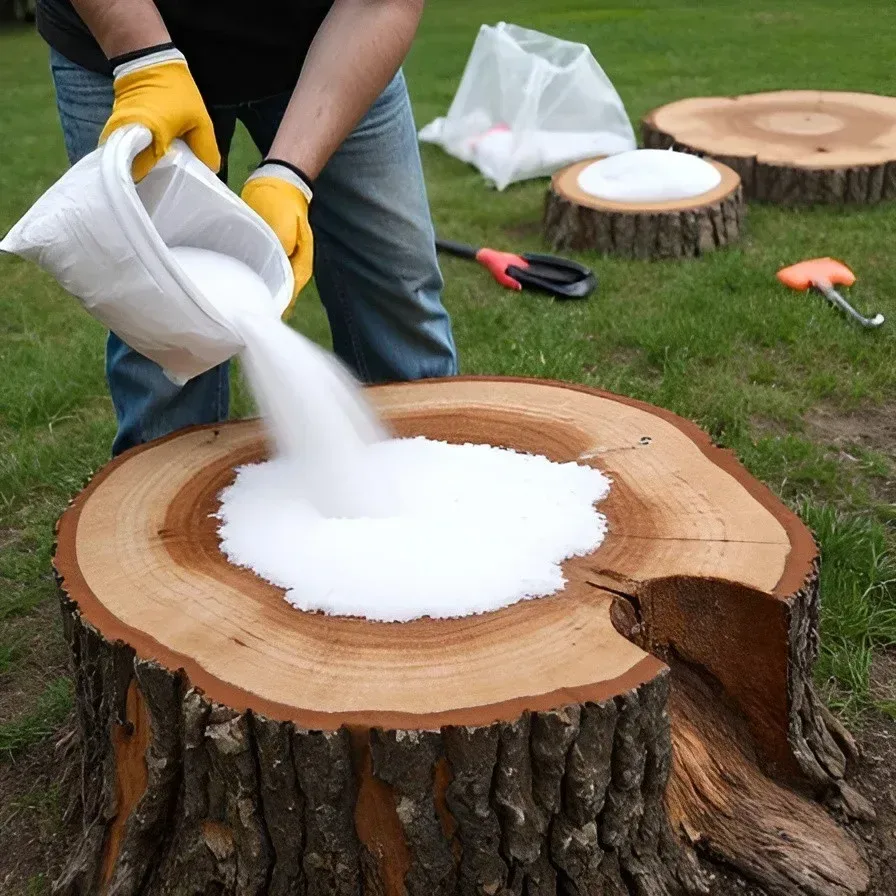
Tree stump removal epsom salt is a popular DIY method, but it only works under specific conditions. You need to know if your stump is actually a good candidate before buying supplies.
University extension research shows this process typically takes eight to twelve weeks for softwoods under six inches in diameter. We will walk you through the exact decision points and application steps to determine if this method fits your situation.
Quick Answer
Epsom salt kills stumps by drying out wood fibers completely. It works best on small softwood stumps under six inches wide. Expect the process to take two to three months minimum.
Larger hardwoods often require mechanical grinding instead. This method fails in consistently wet or humid environments.
Will Epsom Salt Actually Kill Your Stump? The Decision Checklist
Image source: Bing (Web (fair-use with source credit))
Epsom salt is not a universal solution for every unwanted stump. You must evaluate three specific variables before committing to this slow chemical process. Skipping this assessment usually leads to wasted time and money on treatment that never finishes.
Is Your Stump Small Enough?
Stumps wider than twelve inches rarely die completely from salt treatment alone. The desiccation front simply cannot reach the outer cambium layer fast enough. Measure the diameter at ground level before purchasing any materials.
If your stump exceeds twelve inches, consider mechanical grinding or professional herbicide application. Smaller stumps under six inches respond predictably within standard timelines. Medium stumps between six and twelve inches may work but require multiple reapplications over several months.
What Species Are You Dealing With?
Softwoods like pine, spruce, and fir absorb magnesium sulfate readily through their xylem. These species have open grain structures that facilitate rapid moisture wicking. Rot-resistant hardwoods present a completely different challenge for chemical desiccation.
Cedar, black locust, and osage orange contain natural preservatives that block salt absorption. These species often survive treatment and continue producing suckers from lateral roots. Check your tree species identification before starting the drill-and-fill process.
Is the Site Too Wet?
Magnesium sulfate requires dry conditions to create sufficient osmotic pressure. Consistent rainfall or high soil moisture dilutes the treatment before it penetrates deeply. Arid climates and dry seasons provide ideal conditions for this method.
Humid regions or poorly drained sites significantly reduce effectiveness. If water pools around the stump base after rain, choose an alternative removal method. You can use plastic sheeting to shield the treatment area, but persistent groundwater issues remain problematic.
How Magnesium Sulfate Desiccates Wood (And Why It’s Slow)
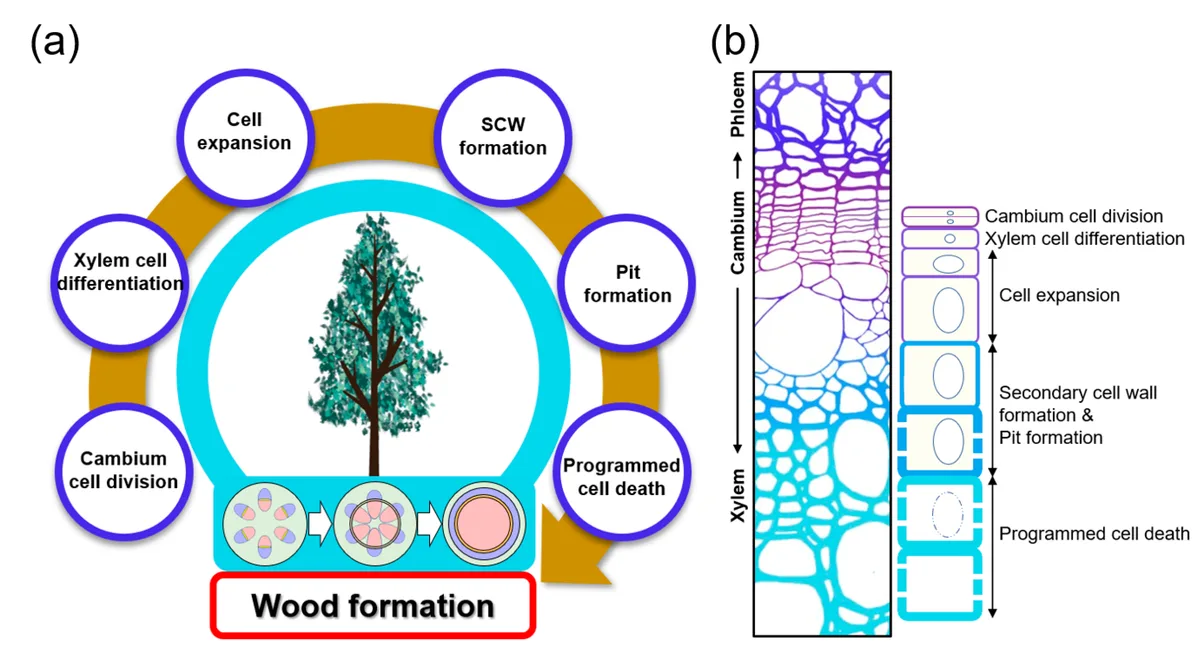
Image source: Web (Bing) / ar.inspiredpencil.com (Web image (fair-use with source credit))
Epsom salt kills wood through hygroscopic action rather than toxicity. Magnesium sulfate heptahydrate draws cellular moisture out of wood fibers via osmosis. This dehydration process collapses cell walls and prevents nutrient transport.
The compound does not poison the tree or disrupt biological processes directly. It simply removes the water that living tissue requires to function. Understanding this mechanism explains why results take months instead of days.
Why Patience Is Non-Negotiable
Desiccation occurs gradually as salt crystals pull moisture molecule by molecule. The rate depends entirely on wood density, ambient humidity, and temperature fluctuations. There is no way to accelerate this physical process safely.
Manufacturer specifications indicate super-saturated solutions work faster than dry powder applications. Liquid fills drilled holes completely and maintains contact with exposed xylem tissue. Dry salt often clumps and creates air gaps that slow absorption significantly.
Soil Impact Considerations
Excess magnesium sulfate eventually leaches into surrounding soil during rain events. High concentrations can temporarily inhibit plant growth near the treatment zone. Most soils recover within three to six months after treatment stops.
Avoid using this method near valuable ornamental plants or vegetable gardens. The USDA Forest Service notes that magnesium buildup affects soil structure differently than sodium chloride. Recovery is possible but requires patience and adequate rainfall to flush residual salts.
Step-by-Step Drill-and-Fill Workflow for Maximum Absorption
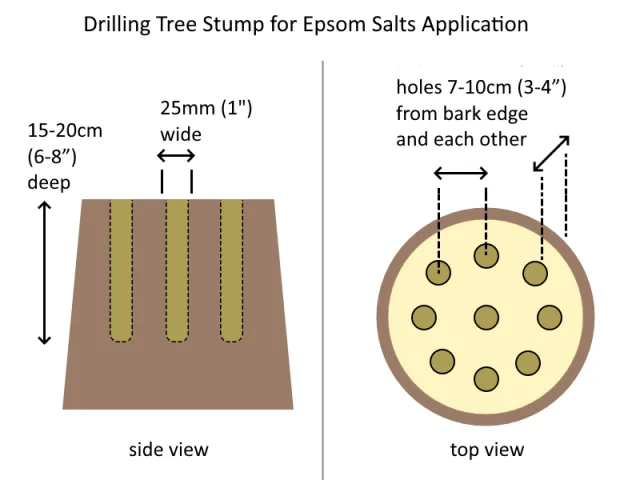
Image source: Bing (Web (fair-use with source credit))
Proper technique matters more than the amount of salt you apply. Shallow holes or inadequate spacing leaves live tissue untouched deep inside the stump. Follow this exact workflow to ensure complete saturation of the root system.
Prepare a Fresh Cut Surface
Chainsaw or handsaw the stump as close to ground level as safely possible. Exposed fresh wood absorbs solution far better than weathered surfaces. Remove all bark from the top face to maximize contact area.
Clean away sawdust and debris before drilling. Moisture barriers form quickly on cut surfaces left exposed to air. Work immediately after cutting for best absorption rates.
Drill Deep Vertical Holes
Use a 3/8-inch to 1/2-inch spade bit or auger bit for optimal penetration. Drill holes at least eighty percent of the visible stump height vertically. Space holes two to three inches apart in concentric rings across the entire surface.
Angle outer holes slightly inward toward the center mass. This ensures solution reaches the core rather than running down exterior bark. Depth is critical because shallow treatments fail to kill lower root connections.
Mix and Apply Super-Saturated Solution
Dissolve Epsom salt in warm water at a two-to-one ratio by volume. Stir until no more crystals dissolve and excess settles at the bottom. This super-saturated state maximizes the osmotic gradient driving moisture extraction.
Pour solution into each hole until completely full. Cover the entire stump with plastic sheeting weighted down by bricks or stones. This prevents rain dilution and slows evaporation during the treatment period.
Monitor and Reapply Regularly
Check holes weekly and refill as solution absorbs or evaporates. Consistent saturation maintains the chemical gradient needed for deep penetration. Most stumps require four to eight reapplication cycles over the treatment period.
Remove plastic periodically to inspect progress and prevent mold buildup underneath. Replace covering immediately after inspection to maintain treatment integrity. Document dates and volumes applied to track effectiveness over time.
When to Skip Epsom Salt: Species, Size, and Site Limitations
Some situations make Epsom salt treatment impractical or ineffective. Recognizing these limitations early saves months of failed effort. Use this guide to identify when alternative methods are necessary.
Rot-Resistant Hardwoods
Species like cedar, redwood, and black locust contain natural fungicides and resins. These compounds actively resist chemical penetration and decay processes. Epsom salt cannot overcome these biological defenses effectively.
Heartwood in mature hardwoods also resists absorption regardless of species. The dense inner core lacks active xylem pathways for solution transport. Only the outer sapwood responds to treatment in these cases.
Large Diameter Stumps
Stumps exceeding twelve inches present insurmountable diffusion challenges. The desiccation front moves too slowly to reach peripheral roots before regrowth occurs. Suckering from untreated lateral roots defeats the purpose entirely.
Professional stump grinding removes large stumps in hours rather than months. Herbicide translocation methods also work faster on large specimens when applied correctly. Reserve Epsom salt for genuinely small-scale projects where time is not critical.
Wet or Shaded Sites
Persistent moisture prevents the osmotic gradient from establishing properly. Rainfall dilutes treatment faster than wood can absorb concentrated solution. Shaded locations stay damp longer and slow evaporation-driven concentration.
Groundwater issues compound these problems in low-lying areas. Even plastic covers cannot prevent capillary rise from saturated soil below. Choose mechanical removal or systemic herbicides for consistently wet sites.
Time-Sensitive Removal Needs
Epsom salt requires eight to twelve weeks minimum for complete kill. Landscaping projects or construction timelines rarely accommodate this pace. Partial decomposition creates unstable ground that complicates subsequent work.
Grinding provides immediate site clearance for new planting or hardscaping. Chemical alternatives like potassium nitrate accelerate decay somewhat but still require weeks. Plan accordingly if project deadlines are firm.
Epsom Salt vs. Grinding vs. Herbicides: Cost and Timeline Breakdown
Choosing the right method depends on balancing cost, speed, and site constraints. Each option has distinct advantages for specific situations. Compare these factors against your actual priorities before deciding.
| Method | Typical Cost | Timeline | Best For |
|---|---|---|---|
| Epsom Salt | $5-$15 | 8-12 weeks | Small softwoods, tight budgets |
| Stump Grinding | $150-$400 | Same day | Large stumps, immediate clearance |
| Potassium Nitrate | $20-$30 | 4-6 weeks | Medium stumps, accelerated decay |
| Systemic Herbicide | $30-$60 | 2-4 weeks | Resistant species, large diameters |
Budget-Conscious Small Projects
Epsom salt wins purely on material cost for stumps under six inches. Pharmacy-grade magnesium sulfate costs pennies per ounce compared to specialized products. Equipment requirements are minimal beyond a basic drill and bits.
This advantage disappears quickly for larger stumps requiring multiple treatments. Cumulative material costs plus months of labor offset initial savings. Calculate true total cost including your time value before choosing this route.
Immediate Site Clearance Needs
Mechanical grinding eliminates the stump entirely in one visit. No waiting period means landscaping proceeds without delay. Rental equipment makes DIY grinding feasible for accessible locations.
Upfront cost is significantly higher than chemical methods. However, time savings often justify the expense for active construction sites. Consider opportunity cost of delayed projects when evaluating cheaper options.
Resistant Species Solutions
Systemic herbicides like glyphosate or triclopyr translocate through vascular systems. They reach roots that physical desiccation cannot penetrate effectively. Cut-stump applications work even on rot-resistant hardwoods.
Regulatory restrictions may limit herbicide use in residential areas. Proper handling requires protective equipment and disposal precautions. Epsom salt remains preferable where chemical restrictions apply despite slower results.
Critical Safety Steps and Soil Recovery After Treatment
Magnesium sulfate is generally safe but requires basic precautions during handling. Dry powder creates fine dust that irritates eyes and respiratory passages. Always wear safety glasses and a dust mask when mixing or applying.
Skin contact with concentrated solutions can cause temporary dryness or irritation. Gloves protect against prolonged exposure during repeated applications. Wash hands thoroughly after each treatment session to prevent accidental ingestion.
Protecting Pets and Wildlife
Epsom salt acts as a laxative if ingested in significant quantities. Dogs and cats may investigate treated stumps out of curiosity. Keep pets away from the treatment area until solution fully absorbs into drilled holes.
Covering the stump with secured plastic sheeting provides dual benefits. It prevents rain dilution while also blocking animal access to concentrated salt. Check covers regularly for tears or displacement that could expose the treatment.
Managing Soil Salinity Post-Treatment
Excess magnesium eventually leaches into surrounding soil through rainfall. High concentrations temporarily suppress plant growth near the stump base. Most garden soils recover naturally within three to six months after treatment ends.
Avoid planting sensitive species in the immediate vicinity during recovery. Flush the area with deep watering if you plan to replant sooner. Soil testing confirms when magnesium levels return to acceptable ranges for new vegetation.
Utility Line Awareness
Drilling deep vertical holes carries risk of striking underground utilities. Always call 811 before beginning any stump removal project. This free service marks buried lines and prevents costly or dangerous accidents.
Marked zones typically extend two feet on either side of utility lines. Maintain this buffer distance when positioning drill holes. Shallow lateral roots often grow directly above or alongside buried infrastructure.
Common Epsom Salt Stump Removal FAQs
How long does Epsom salt take to kill a stump?
Most softwood stumps under six inches show complete desiccation within eight to twelve weeks. Larger specimens or hardwoods may require four to six months of consistent treatment. Timeline varies significantly based on species, size, and local climate conditions.
Patience is essential because rushing reapplications wastes material without accelerating results.
Can I use regular table salt instead of Epsom salt?
Table salt contains sodium chloride which permanently damages soil structure and fertility. Magnesium sulfate breaks down safely and allows eventual replanting in treated areas. Sodium accumulation creates sterile zones that persist for years despite remediation efforts.
Always verify your product label specifies magnesium sulfate heptahydrate before purchasing supplies.
Will Epsom salt harm nearby plants or grass?
Concentrated solution leaking from drill holes can burn adjacent vegetation temporarily. Proper plastic covering and careful pouring minimize runoff risks significantly. Surrounding plants typically recover once excess magnesium leaches below root zone depth.
Maintain at least twelve inches of buffer space between treatment site and valuable ornamentals.
Do I need to cover the stump with plastic?
Plastic sheeting prevents rainfall from diluting the super-saturated solution inside drilled holes. Uncovered treatments lose effectiveness rapidly during wet weather or high humidity periods. Weighted covers also slow evaporation and maintain consistent concentration gradients.
Remove briefly for weekly inspection and reapplication then replace immediately afterward.
What if my stump keeps sprouting new growth?
Persistent suckering indicates incomplete kill of lateral root systems beyond treatment reach. Continue reapplying solution to fresh cuts on emerging shoots to exhaust stored energy reserves. Sever visible surface roots connecting to main stump mass when possible.
Consider switching to systemic herbicide or mechanical grinding if regrowth continues past six months.

Similar Posts