Can Seeds Survive Freezing? What You Need to Know

If you’ve ever wondered if tossing your leftover garden seeds into the freezer will kill them, you’re not alone. So, can seeds survive freezing? Yes, they absolutely can.
But only if you prep them correctly first. Throw a damp seed in the ice chest and it’s dead on arrival.
The trick comes down to removing internal water before dropping the temperature. Per USDA genebank standards, orthodox seeds stored at minus 18 degrees Celsius can stay viable for decades. As of 2026, that remains the gold standard for long term preservation.
Let’s look at how this actually works so you don’t ruin your harvest.

Image source: Web (Bing) / indiamart.com (Web image (fair-use with source credit))
Quick Answer
Yes, seeds can survive freezing. They must be dried first. Moisture causes lethal ice crystals inside cells.
Only orthodox seeds tolerate deep cold. Recalcitrant seeds die when frozen.
Why Moisture Content Decides If Your Seeds Live or Die
Water is the real enemy here, not the cold. When liquid water freezes, it expands by about nine percent. That expansion creates microscopic ice shards inside the seed tissue.
Those shards puncture cell walls and shred the embryo. Once that happens, the seed is finished.
Desiccation tolerance is a seed's ability to survive extreme drying. Orthodox seeds have high desiccation tolerance. You can safely dry them down to roughly five to eight percent moisture content.
At that level, there isn't enough free water left to form damaging crystals. The cold just pauses their metabolism completely.
Recalcitrant seeds lack this tolerance entirely. They drop from the plant already packed with water. Drying them below twenty percent moisture kills the embryo through desiccation stress.
Then freezing them finishes the job with intracellular ice formation. You cannot cheat this biology.
Harrington’s Rule of Thumb explains why drying matters so much. For every one percent decrease in seed moisture content, the storage life doubles. For every five degree Celsius drop in temperature, the storage life doubles again.
This rule only applies within safe limits though. Dropping moisture below three percent can actually damage some orthodox varieties.
Our research shows most home growers fail because they guess at moisture levels. A seed might feel dry on the outside while holding dangerous amounts of water internally. You need reliable physical tests to confirm the seed is truly ready for sub zero temperatures.
Guesswork leads to dead embryos.
Orthodox vs. Recalcitrant Seeds: Which Ones Belong in the Freezer?
You have to sort your stash before doing anything else. Not all seeds play by the same rules. We group them into two main categories based on how they handle drying and cold.
Getting this wrong means destroying your crop genetics.
Orthodox seeds are your standard garden varieties. Tomatoes, peppers, beans, corn, wheat, carrots, lettuce, and sunflowers all fall into this group. They naturally dry out as they mature on the parent plant.
Their metabolism shuts down completely at sub zero temperatures without cellular damage. These are the ones you want in the freezer.
Recalcitrant seeds are the divas of the plant world. Avocados, mangoes, oaks, chestnuts, cacao, citrus, and lychee belong here. They refuse to dry out safely.
Freezing kills them immediately. You have to plant these quickly or store them in cool, moist conditions strictly above freezing.
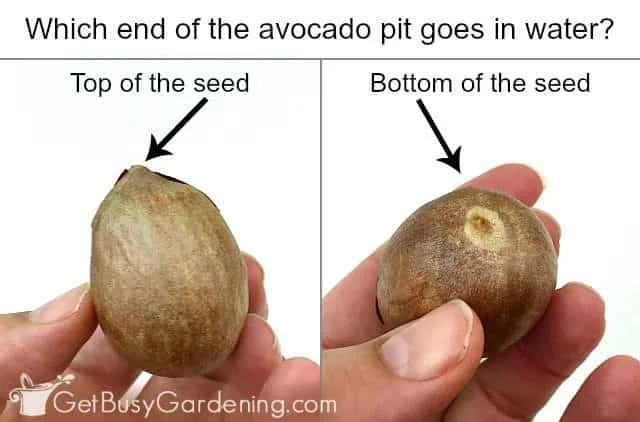
Image source: Bing (Web (fair-use with source credit))
Here is a quick breakdown to help you sort your harvest.
| Feature | Orthodox Seeds | Recalcitrant Seeds |
|---|---|---|
| Natural state | Dry at maturity | Moist and fleshy |
| Drying tolerance | High (down to 3 to 8 percent) | None (die below 20 percent) |
| Freezing survival | Excellent when dried properly | Zero tolerance |
| Common examples | Beans, tomatoes, grasses, brassicas | Acorns, avocados, mangoes, rubber trees |
| Storage method | Dried, sealed, frozen | Kept moist, cool, planted fast |
If you aren't sure which category your seed falls into, check university extension resources. Agricultural departments like UC Davis or Cornell provide verified databases on seed biology. Never assume a tropical tree seed handles cold like a common bean does.
That assumption costs people their entire harvest every single year.
Step-by-Step Workflow for Drying, Packaging, and Freezing Seeds
If you are working with orthodox seeds, follow this exact workflow. Skipping steps introduces moisture risks that ruin everything later. Take your time here.
Clean and Sort Your Harvest
Remove any chaff, pulp, or debris from the seeds. Leftover organic matter holds moisture and invites mold during storage. For wet harvested seeds like tomatoes, ferment and rinse them thoroughly first.
Spread the clean seeds out on a paper towel to remove surface water.
Dry Them Down Completely
This is the step people skip, and it is exactly why their seeds fail. Spread seeds in a single layer on a screen or parchment paper. Keep them in a warm, dry, well ventilated area out of direct sunlight.
Leave them there for one to three weeks depending on seed size.

Image source: Bing (Web (fair-use with source credit))
Use the snap test to verify dryness. For larger seeds like beans or corn, try bending one. If it flexes, it is too wet.
If it snaps cleanly or shatters when struck with a hammer, it is ready. Your target is roughly five to eight percent moisture content.
Package Everything Airtight
Moisture is the enemy inside the freezer too. Pack your dried seeds in containers that will not let ambient humidity creep in. Glass jars with rubber gasket seals work perfectly.
Mylar bags heat sealed shut are great for larger batches.
Toss in a small silica gel desiccant packet. This absorbs any residual moisture trapped inside the jar. Make sure the indicator beads are fresh and active before sealing the lid.
Freeze Consistently
Place your sealed containers in the back of the freezer. Do not store them in the door. Every time you open the freezer door, the temperature spikes.
You want a stable, deep freeze around minus 18 degrees Celsius.
Thawing Frozen Seeds Without Triggering Condensation Damage
Pulling seeds out of the freezer incorrectly ruins all your previous work. Temperature swings cause condensation, and condensation reintroduces the very moisture you spent weeks removing. You have to thaw them slowly.
When you are ready to plant, pull the container out of the freezer. Leave the lid completely sealed. Set the jar on the counter away from direct heat sources.
Let it sit until the glass reaches room temperature.
This usually takes twelve to twenty four hours depending on jar size. If you crack the lid while the jar is still freezing cold, humid room air rushes inside. That moisture hits the cold seeds and condenses directly onto them.
Suddenly your perfectly dry seeds are soaking wet again.
Only open the container once the outside feels completely neutral to the touch. Wipe off any exterior frost before breaking the seal. This keeps stray water drops from falling into your stash.
Once opened, use what you need immediately. Do not refreeze leftover seeds repeatedly. Constant temperature cycling stresses the embryo and lowers the germination rate over time.
Move unused portions to a refrigerator instead.
Here is a quick reference table for your storage options.
| Storage Method | Best For | Expected Viability | Risk Level |
|---|---|---|---|
| Room Temp Drawer | Planting next season | One to three years | Moderate |
| Refrigerator | Medium term storage | Three to ten years | Low |
| Standard Freezer | Long term home stash | Ten to thirty plus years | Very low |
| Deep Freeze | Decades long preservation | Forty plus years | Extremely low |
Keep your frozen stash organized by date and variety. Label every jar clearly before it goes into the cold. Trying to read faded marker on a frosted jar leads to mistakes.
Good labeling saves your heirloom genetics from getting mixed up or forgotten.
Common Mistakes That Destroy Frozen Seed Viability
Even experienced growers mess this up occasionally. The most common mistake is freezing fresh, wet seeds straight from the garden. Putting un-dried seeds into the freezer guarantees lethal ice crystal damage inside the embryo.
You have to dry them first.
Using flimsy packaging is another major issue. Standard zip-top sandwich bags are not truly vapor-proof. Over months in the freezer, frost penetrates thin plastic and rehydrates your stash.
Glass jars or heat-sealed Mylar bags prevent this completely.
Temperature cycling stresses the embryo over time. Moving seeds in and out of the freezer repeatedly ruins their vigor. Only take out the exact jar you plan to plant that season.
Leave the rest sealed in the deep cold.
Forgetting the snap test leads to false confidence. Guessing that a seed is dry because it feels dry on the outside is risky. Trust the physical snap or shatter test for larger varieties.
Small seeds need extended drying times on screens.
Rushing the thawing process introduces condensation. Cracking the lid while the jar is still freezing cold soaks the seeds instantly. Patience during the twelve to twenty four hour warmup phase protects all your previous work.
Always let the glass reach room temperature first.
Skipping pest treatment before storage causes hidden losses. Weevils and other insects lay microscopic eggs inside seed coats during harvest. Freezing kills these pests, but only if the seeds survive the cold.
Proper drying ensures they do.
| Mistake | Result | Fix |
|---|---|---|
| Freezing wet seeds | Ice crystals shred cells | Dry to 5% moisture first |
| Using plastic bags | Frost penetrates packaging | Switch to glass or Mylar |
| Opening jars early | Condensation soaks seeds | Wait for room temperature |
| Ignoring pests | Larvae eat seeds in storage | Freeze properly dried batches |
Frequently Asked Questions
Will freezing kill tomato seeds?
No, tomato seeds are orthodox and handle freezing perfectly. You must ferment, rinse, and dry them down to roughly five percent moisture first. Once sealed in an airtight glass jar with silica gel, they survive decades at minus 18 degrees Celsius without losing viability.
How long can seeds last in a home freezer?
Properly dried orthodox seeds can remain viable for ten to thirty years in a standard home freezer. Some agricultural research shows successful germination after forty plus years in deep freeze conditions. The key is maintaining stable temperatures and preventing any moisture intrusion through quality packaging.
Can I freeze seeds in regular plastic bags?
Regular plastic sandwich bags are not vapor-proof and allow frost to penetrate over time. This reintroduces moisture to your dried seeds and causes cellular damage during temperature fluctuations. Use glass jars with rubber gaskets or heat-sealed Mylar bags for reliable long term protection against humidity.
Do pepper seeds survive freezing temperatures?
Yes, pepper seeds fall into the orthodox category and tolerate freezing very well. They naturally dry out as the fruit matures on the plant. Ensure they pass the snap test before sealing them away.
Store them in airtight containers to maintain their low moisture content safely.
Why did my frozen seeds fail to germinate?
Failed germination usually points to excess moisture during the initial freezing process. If the seeds were too wet, intracellular ice formation destroyed the embryo tissue permanently. Opening the storage jar before it reached room temperature also causes fatal condensation damage to previously dried seeds.

Similar Posts