Berkeley Composting Method: Fast Hot Compost in 18 Days
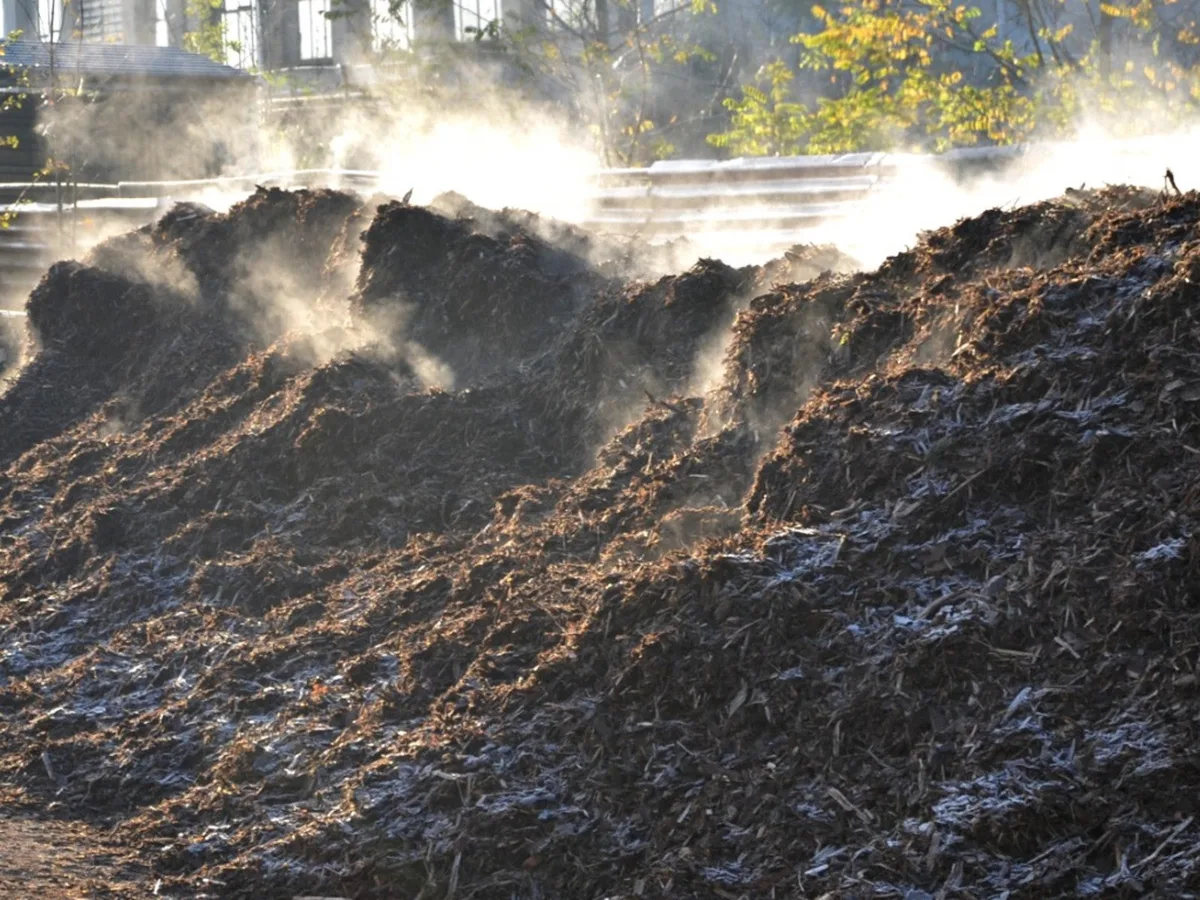
The berkeley method of composting solves the biggest frustration in organic waste management by producing finished humus in just 18 days. This rapid thermophilic process relies on strict batch assembly and frequent turning rather than passive decomposition over months or years. You get usable soil amendment fast without sacrificing pathogen destruction or nutrient density.
Research from UC Berkeley confirms this protocol requires a minimum pile volume of one cubic yard to sustain necessary heat. The standard demands an initial carbon-to-nitrogen ratio between 25:1 and 30:1 for optimal microbial activity. Meeting these specifications is the difference between a hot biological reactor and a smelly pile of rotting waste.
Quick Answer
The berkeley method of composting produces finished humus in 18 days. It requires a minimum one cubic yard batch size. You must maintain temperatures above 130°F throughout the cycle.
Frequent turning every two days ensures aerobic conditions persist. This rapid process eliminates pathogens and weed seeds reliably.
What Makes the Berkeley Method Different From Regular Composting
Image source: Bing (Web (fair-use with source credit))
Most backyard composting is passive and cold, taking six months to two years for materials to break down. The Berkeley method flips this model entirely by engineering conditions for maximum microbial metabolism. We're talking about managed thermophilic decomposition where biology is accelerated through precise environmental control.
This isn't just "hot composting" as a vague concept. It's a specific protocol developed at UC Berkeley that standardizes every variable from particle size to turning frequency. Generic hot piles might reach temperature occasionally but lack the systematic approach that guarantees results in under three weeks.
Consistency matters more than peak heat.
Active Management vs Passive Decay
Passive systems rely on ambient conditions and whatever microbes happen to colonize your waste. The Berkeley method introduces deliberate intervention at every stage to maintain optimal decomposition rates. You're essentially farming billions of thermophilic bacteria rather than hoping they show up on their own.
Temperature monitoring becomes a daily task instead of an afterthought. Turning happens on a fixed schedule regardless of whether the pile "looks ready." Moisture adjustments occur during each turn based on tactile feedback and thermometer readings. This level of engagement separates true rapid composting from neglected heaps that merely warm up briefly.
Biological Succession Under Control
Natural decomposition moves slowly through mesophilic organisms before reaching thermophilic stages. Our research shows the Berkeley method compresses this succession into days rather than weeks through batch assembly. All feedstock enters simultaneously so microbes don't waste time waiting for nitrogen sources to become available.
Thermophiles dominate within 48 hours when ratios are correct. These heat-loving bacteria generate temperatures that pasteurize the entire mass while breaking down complex lignins and proteins. Cold composting never reaches this stage reliably, leaving potential pathogens and viable weed seeds intact in the final product.
The Non-Negotiable Setup: Volume, Ratio, and Particle Size
You cannot scale down the Berkeley method successfully because thermal mass drives the entire process. A pile smaller than three feet cubed loses heat faster than microbes can generate it. Physics wins every time against insufficient volume no matter how perfect your carbon-to-nitrogen balance might be.
Particle size directly determines surface area available for bacterial colonization. Materials chopped to half-inch pieces decompose exponentially faster than whole branches or unshredded leaves. Pre-processing takes effort upfront but prevents stalled piles later when you're already committed to the 18-day timeline.
There are no shortcuts here.
Calculating Your Carbon-to-Nitrogen Ratio
Getting the C:N ratio between 25:1 and 30:1 requires actual measurement, not guesswork. Brown materials like dry leaves typically run 60:1 while fresh grass clippings sit around 20:1. Mixing equal volumes rarely produces the target range because density varies wildly between feedstocks.
| Material Type | Approximate C:N Ratio | Role in Pile |
|---|---|---|
| Dry Leaves | 60:1 | Carbon / Bulking Agent |
| Straw | 75:1 | Carbon / Aeration Structure |
| Grass Clippings | 20:1 | Nitrogen / Heat Fuel |
| Vegetable Scraps | 25:1 | Balanced Nitrogen Source |
| Coffee Grounds | 20:1 | Nitrogen / Microbial Activator |
We recommend weighing materials for your first few batches until you develop intuition for volumetric mixing. Kitchen scales work fine for small test piles while larger operations need platform scales. Once you understand how your specific feedstocks behave, visual estimation becomes reliable enough for routine use.
Moisture Content Calibration
Water content must hit 40% to 60% for aerobic bacteria to function optimally. Below this range, microbial activity slows dramatically as cells desiccate. Above it, pore spaces fill with liquid and oxygen gets excluded, triggering anaerobic conditions and foul odors.
The wrung-out sponge test remains the gold standard for field assessment. Grab a handful of mixed material and squeeze firmly. A few drops should appear between your fingers but no stream should form.
If nothing emerges, add water during assembly. If liquid runs freely, incorporate more dry browns immediately.
The 18-Day Turning Schedule and Temperature Decision Points
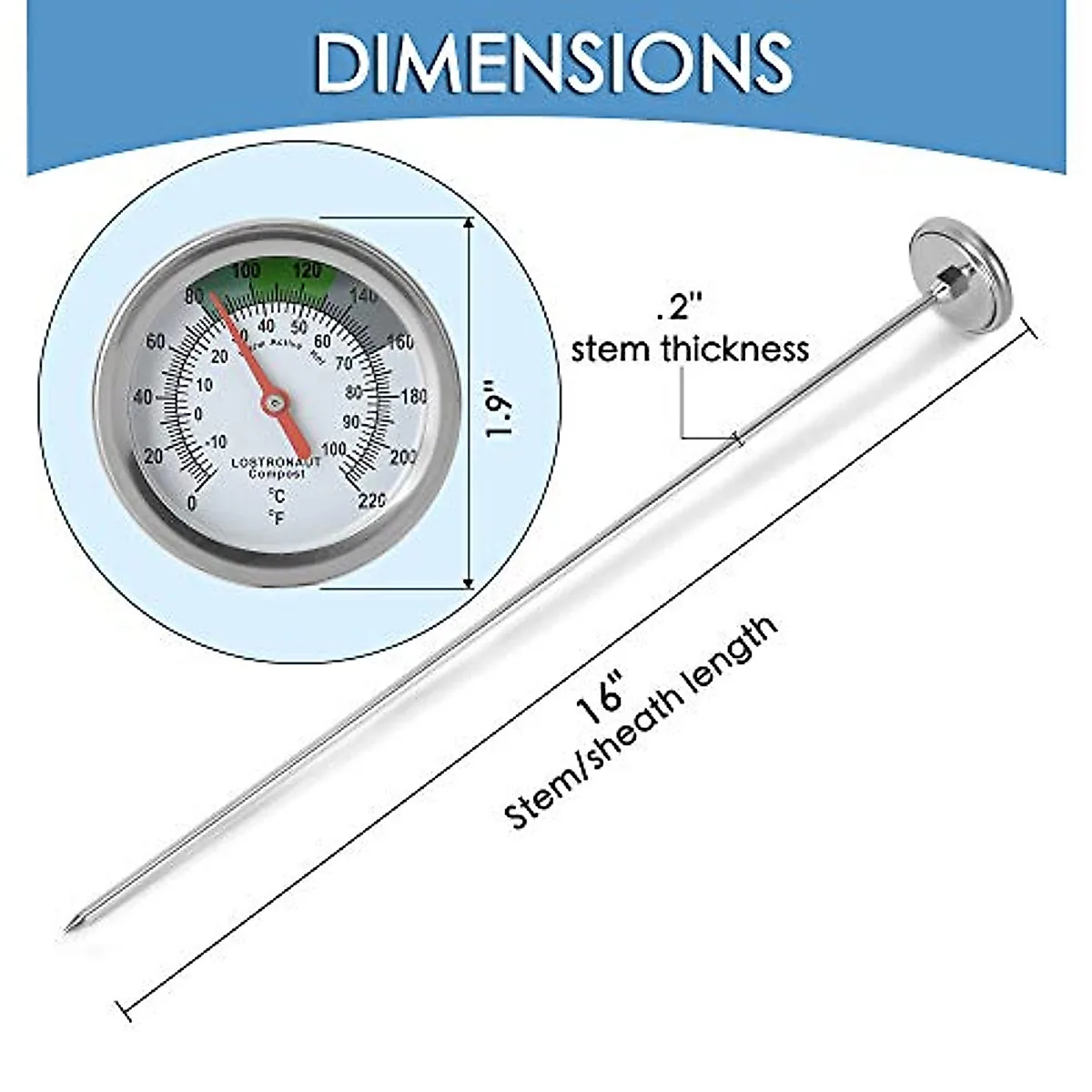
Image source: Web (Bing) / retailmarket.net (Web image (fair-use with source credit))
The turning schedule isn't arbitrary calendar management but responsive biological stewardship based on thermal feedback. Day four marks the first critical turn when internal temperatures should exceed 130°F. Missing this window allows outer layers to dry out while core zones potentially go anaerobic from compaction.
Subsequent turns occur every two days through day 18 assuming temperature targets are met. Each event redistributes heat, reintroduces oxygen, and moves cooler exterior material toward the active center. You're essentially homogenizing the biological reactor to ensure uniform processing rather than allowing stratification that creates finished and raw zones simultaneously.
Reading Temperature as a Decision Signal
A long-stem probe thermometer is non-negotiable equipment for this method. Insert it into multiple locations after each turn to map thermal distribution across the pile. Core readings drive your next action while edge temperatures indicate insulation adequacy or moisture loss issues requiring correction.
If temperatures drop below 130°F after turning, check moisture first before adding nitrogen. Water loss during aeration is the most common cause of unexpected cooling in established piles. Only add high-nitrogen amendments if moisture is adequate but heat generation still fails to recover within 24 hours.
When to Deviate From the Standard Schedule
Rigid adherence to calendar dates causes more failures than flexible response to actual pile conditions. If your heap maintains 140°F to 150°F consistently between scheduled turns, extra aeration may actually cool it unnecessarily. Trust the thermometer over the spreadsheet when biological signals contradict planned intervals.
Conversely, persistent failure to reach temperature despite correct setup indicates systemic problems needing diagnosis. Continuing to turn a dead pile every two days just wastes labor and moisture. Pause the schedule, troubleshoot the underlying issue using the decision tree below, then restart only when conditions support thermophilic activity again.
Troubleshooting When Your Pile Won't Heat Up or Smells Bad
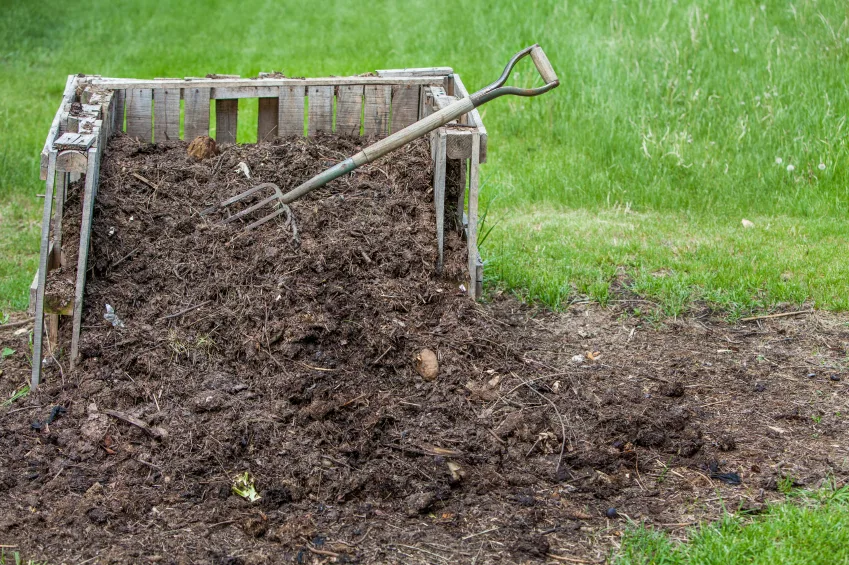
Image source: Bing (Web (fair-use with source credit))
Failed piles almost always trace back to one of three variables being outside acceptable parameters. Insufficient nitrogen starves thermophiles of protein needed for reproduction and metabolic heat generation. Excess moisture excludes oxygen and shifts the system toward anaerobic fermentation.
Inadequate mass simply cannot retain generated warmth against ambient losses.
Diagnosis requires systematic elimination rather than random adjustments that compound existing problems. Start with moisture since it's easiest to assess and correct in the field. Then evaluate particle size distribution before finally considering nutritional imbalances that require adding new materials.
Patience during troubleshooting saves weeks of wasted effort.
Correcting Ammonia Odors and Nitrogen Excess
Sharp chemical smells indicate your C:N ratio dropped below 20:1 and nitrogen is volatilizing as ammonia gas. This represents lost fertility and neighborhood relations problems simultaneously. Immediate correction involves thoroughly mixing in high-carbon bulking agents like sawdust or shredded cardboard during the next turn.
Don't just layer browns on top and hope diffusion handles the imbalance. Active mechanical incorporation is mandatory to distribute carbon throughout the nitrogen-rich zones causing off-gassing. Retest temperature and odor 24 hours after correction to confirm the adjustment worked before resuming normal turning schedule.
Reviving Stalled Thermophilic Activity
Piles that plateau around 100°F often suffer from particle size issues preventing bacterial access to interior cellulose. Large woody chunks create physical barriers that slow decomposition regardless of external conditions. Reshredding and reassembling the batch is sometimes faster than waiting months for nature to overcome poor preparation.
Moisture redistribution during turning can also leave dry pockets that act as thermal sinks. Use a garden hose with spray nozzle during reassembly to target these zones specifically rather than wetting the entire mass uniformly. Spot corrections preserve overall balance while addressing localized failures that drag down average performance.
Safety Protocols and Feedstock Exclusions for Hot Composting
Bioaerosols released during turning contain fungal spores and bacterial endotoxins that pose respiratory risks. Wearing an N95 or P100 respirator during pile disturbance isn't optional precaution but necessary protection verified by occupational health research. Immunocompromised individuals should avoid active turning duties entirely or delegate them to someone else.
Certain materials have no place in rapid composting systems regardless of theoretical biodegradability. Meat, dairy, oils, and pet waste introduce pathogens that even thermophilic temperatures may not reliably destroy in residential-scale piles. Municipal facilities achieve consistent sanitization through engineered controls that backyard operators simply cannot replicate safely.
Ergonomic Considerations for Frequent Turning
Moving one cubic yard of material seven times in 18 days represents significant physical labor demanding proper technique. Bend at the knees and keep loads close to your body to protect your lower back from strain injuries. Using a manure fork with D-handle provides better leverage than traditional pitchforks designed for hay rather than dense compost.
Schedule turns for cooler parts of the day during summer months to reduce heat stress exposure. Hydrate before starting and take breaks between forkfuls rather than pushing through fatigue. This isn't weakness but sustainable practice that prevents injury-related abandonment of the method halfway through the cycle.
Regulatory Compliance and Neighbor Relations
Local nuisance ordinances often address composting operations under general sanitation or vector control provisions. Check municipal codes before establishing a Berkeley system in urban or suburban settings to avoid citations. Setbacks from property lines and screening requirements vary significantly between jurisdictions and enforcement intensity depends largely on complaint history.
Odor prevention serves double duty as both regulatory compliance and community goodwill maintenance. Proper C:N ratios and moisture management eliminate most smell issues before they start. Having a contingency plan with stored browns ready for emergency correction demonstrates responsible operation if neighbors do raise concerns about your activities.
Is the Berkeley Method Right for Your Situation
This method demands consistent physical labor and precise timing that doesn't forgive extended absences. If you travel frequently or cannot commit to turning every two days, passive systems suit your lifestyle better. The 18-day cycle is unforgiving of interruptions once thermophilic activity begins.
Space constraints also matter more than most guides acknowledge. You need room for a full cubic yard pile plus workspace for turning and material storage. Urban lots with tight setbacks may not accommodate this footprint without violating ordinances or annoying neighbors.
Matching Feedstock Availability to Batch Requirements
Successful batches require collecting sufficient greens and browns simultaneously rather than accumulating waste gradually. Kitchen scraps alone rarely provide enough volume for a single batch unless you process commercial quantities. Landscaping projects or seasonal garden cleanup generate ideal surpluses for batch assembly.
Without adequate feedstock on hand, you'll face the choice of building undersized piles or waiting weeks for materials. Both options defeat the purpose of rapid composting entirely. Stockpiling dry browns year-round ensures you can build properly when nitrogen sources become available seasonally.
Physical Capacity and Labor Realities
Turning dense, hot compost is genuinely strenuous work that requires honest self-assessment. Each turn moves hundreds of pounds of material multiple times over three weeks. Those with back problems or limited strength should consider static aerated piles instead.
Hiring help or sharing labor with neighbors makes the method accessible despite physical limitations. Community gardens often distribute turning duties among members to manage workload sustainably. Solo operators must respect their bodies' signals rather than pushing through pain that leads to injury.
Frequently Asked Questions About Rapid Hot Composting
Can I add new materials to an active Berkeley pile?
Adding fresh waste disrupts the synchronized decomposition timeline and resets thermal progress. Build separate batches instead of contaminating active cycles with raw inputs. This discipline maintains the 18-day completion guarantee that defines the method's value proposition.
Why does my pile smell like ammonia after turning?
Excess nitrogen relative to carbon causes ammonia volatilization during aeration events. Mix in high-carbon materials like sawdust or shredded paper immediately to rebalance ratios. Monitor temperatures closely for 24 hours to confirm correction before resuming normal schedule.
How do I know when compost is actually finished?
Finished product no longer heats up after turning and stabilizes near ambient temperature. Original feedstocks should be unrecognizable except for small woody fragments. A simple germination test using radish seeds confirms phytotoxin absence before garden application.
What happens if I miss a scheduled turn by several days?
Core temperatures likely dropped below optimal range allowing mesophiles to recolonize. Resume turning immediately and monitor heat recovery over the next 48 hours. Expect the total cycle to extend proportionally to the delay duration.
Can I use Berkeley compost immediately after 18 days?
Technically yes but curing for two additional weeks improves stability and plant safety. Fresh thermophilic compost can temporarily tie up soil nitrogen during final maturation. Patience here prevents growth stunting in sensitive seedlings and transplants.

Similar Posts