How to Fix a Small Water Fountain Pump Fast
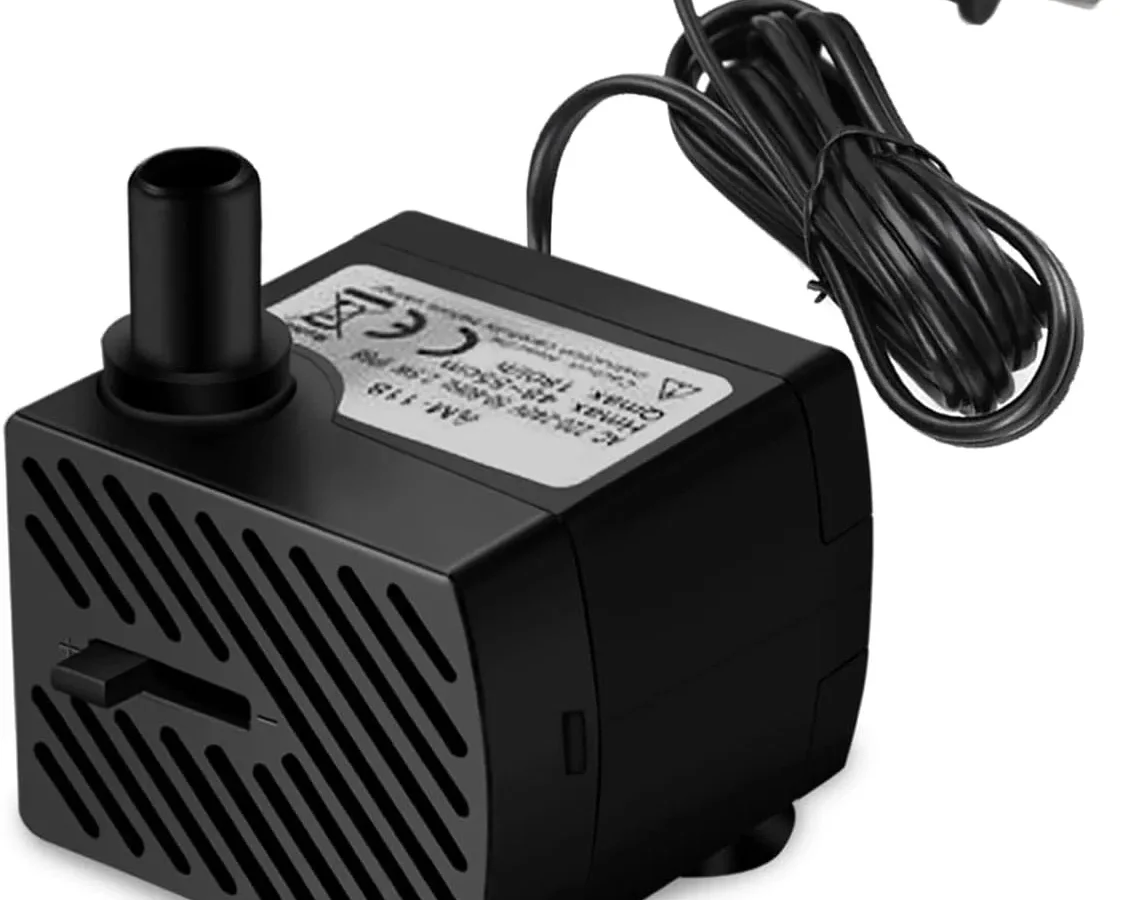
Figuring out how to fix a small water fountain pump usually comes down to clearing a clog or freeing a stuck impeller. You rarely need to replace the whole unit right away. Most failures are just maintenance issues hiding behind a scary noise.
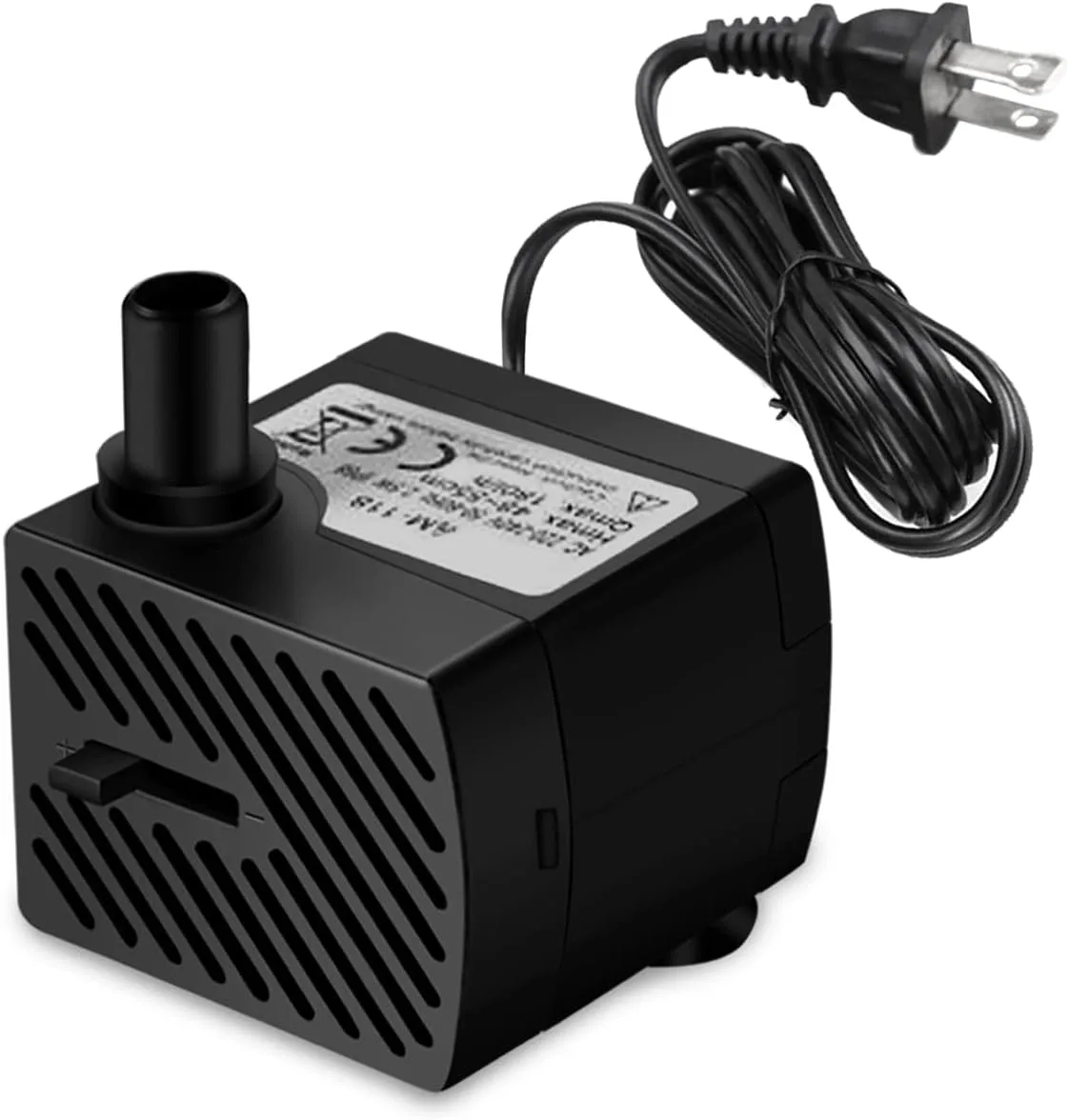
Image source: Web (Bing) / tiendamia.cr (Web image (fair-use with source credit))
Manufacturer specifications indicate most small submersible pumps carry an IP68 waterproof rating and last 3,000 to 5,000 hours. That lifespan drops fast if calcium builds up inside the stator well. Let's walk through the exact troubleshooting steps to get yours running again.
Quick Answer
Fixing a small water fountain pump requires cleaning the magnetic rotor impeller. Unplug the pump from the wall first. Remove the plastic faceplate by hand.
Wipe away hard water scale and debris. Reassemble the parts and test underwater.
Why Your Fountain Pump Stopped Working (And When to Just Walk Away)
A dead tabletop fountain is frustrating. You hear nothing, or maybe just an angry buzz. Our research shows about 90% of these failures stem from clogs, air locks, or low water levels.
The motor itself is usually fine.
Submersible fountain pumps rely on a constant flow of water to stay cool. If the basin runs dry, the internal plastic housing warps quickly. That heat destroys the electromagnetic coil inside.
Once those copper windings burn out, the repair is over.
You should also walk away if the power cord has exposed copper near the water line. Never try to tape up a submerged cord. A cracked plastic housing is another immediate dealbreaker.
Both issues create serious electrocution risks.
If your pump has been running continuously for two years, it likely hit its maximum hour rating. Aggregate user reviews suggest replacing older units is cheaper than hunting down rare replacement impeller kits. Sometimes a $15 replacement saves you hours of frustration.
| Symptom | Likely Cause | Fixable? |
|---|---|---|
| Humming, no water | Seized impeller or air lock | Yes |
| Grinding noise | Sand in stator well or broken shaft | Maybe |
| Completely silent | Burned motor or tripped breaker | Rarely |
| Weak trickle | Clogged intake sponge | Yes |
Safety First: Power, Cords, and Water Don't Mix
Always unplug the pump before touching any internal components. Electricity and standing water are a dangerous combination. Pull the plug directly from the wall outlet.
Do not just switch off a power strip.
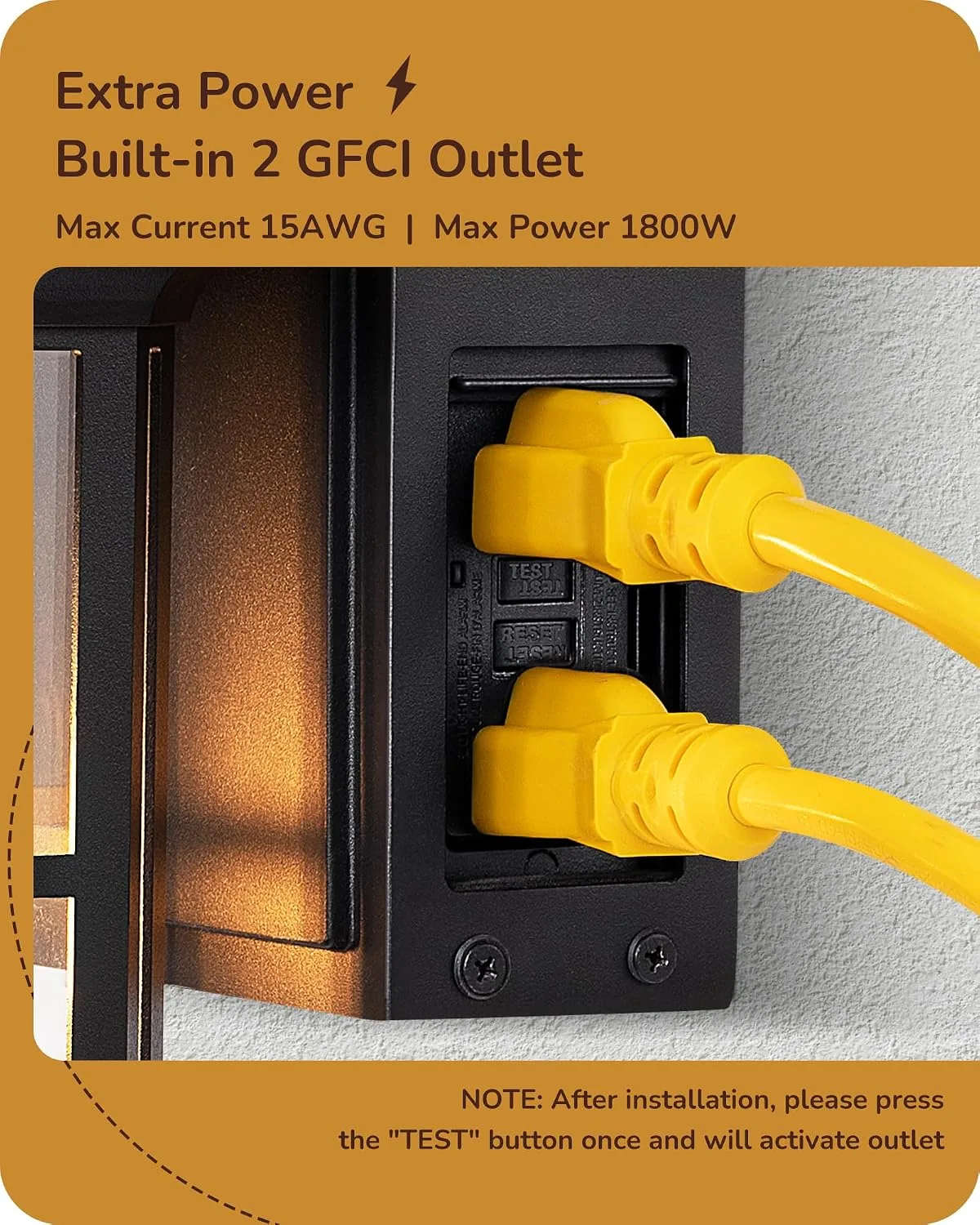
Image source: Bing (Web (fair-use with source credit))
Your outdoor or indoor fountain should always connect to a GFCI outlet. The Consumer Product Safety Commission strongly recommends ground fault protection for any device near water. This safety feature cuts power instantly if current leaks into the basin.
Run your fingers along the entire power cord before starting repairs. Look for kinks, pet chew marks, or frayed insulation. If you feel bare wire, throw the pump away immediately.
Do not attempt a DIY splice on a submersible cord.
Never use metal screwdrivers to pry off the pump's plastic faceplate. Metal slips easily and cracks the housing. A cracked housing allows voltage to leak directly into your fountain water.
Use your fingernails or a dull plastic spudger instead.
Keep the workspace dry while you inspect the parts. Lay down a towel to catch drips. Make sure your hands are completely dry before plugging anything back in for testing.
Rushing this step causes preventable accidents.
What’s Actually Inside a Small Submersible Pump
Understanding the parts makes the repair much easier. These pumps do not have complex gears or belts. They use a simple magnetic drive mechanism to push water.
Fewer moving parts means fewer things can break.
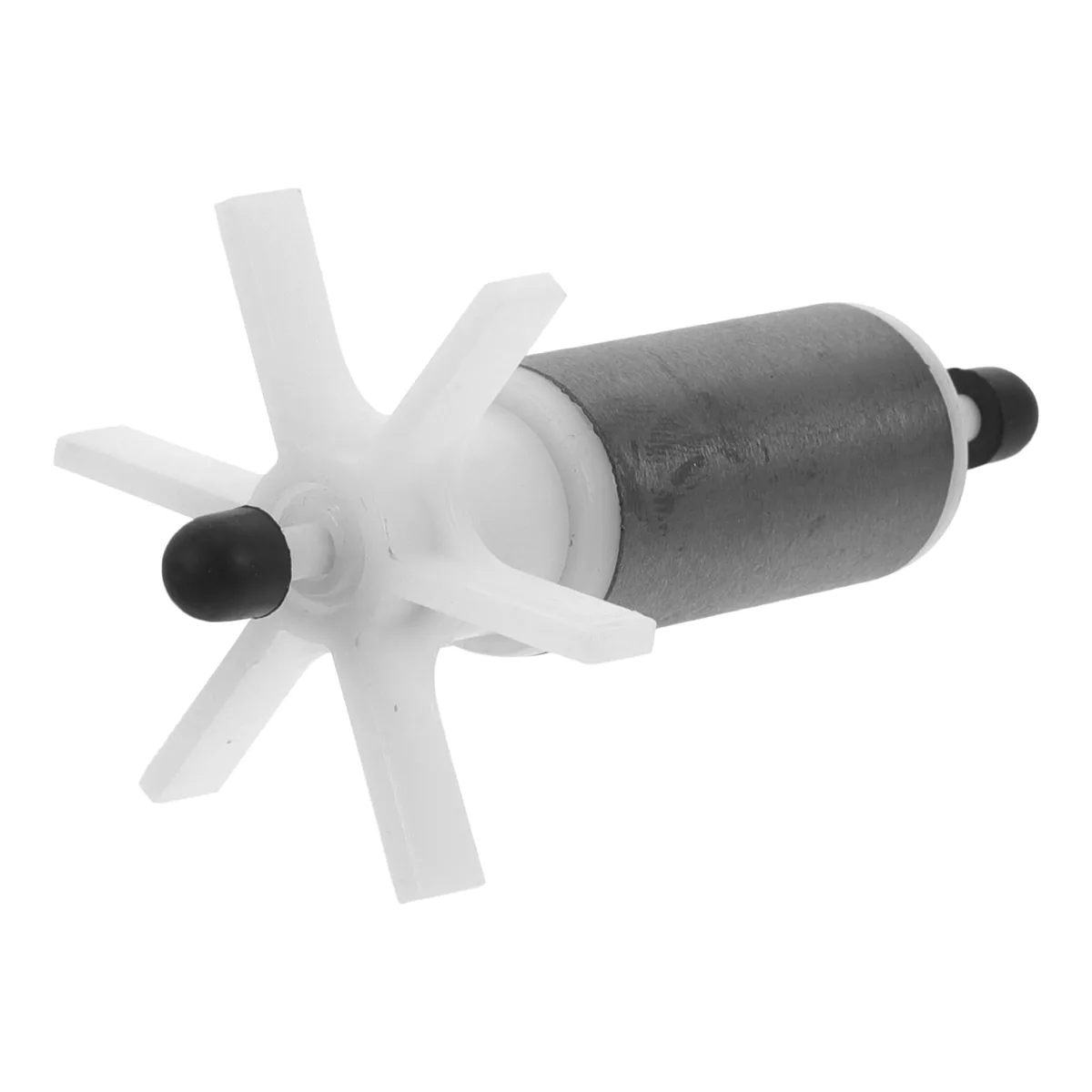
Image source: Web (Bing) / walmart.com (Web image (fair-use with source credit))
The core component is the magnetic rotor impeller. This is a small fan blade with a magnet embedded in its center. It sits inside a hollow cavity called the stator well.
The impeller spins freely on a tiny ceramic shaft.
That ceramic pin is crucial. It does not rust, and it handles high speeds without friction. However, it is brittle.
If you force the impeller out at an angle, the shaft snaps cleanly in half. Replacement shafts are difficult to source.
Behind the sealed plastic wall sits the stator. This is the electromagnetic coil that creates the magnetic field. Alternating current flips the magnetic polarity rapidly.
That flipping action pulls and pushes the rotor magnet, forcing the impeller to spin.
Water flows in through the intake slots at the bottom or sides. Many models include a foam pre-filter sponge over these slots. The spinning impeller forces water up through the top discharge port.
From there, it travels through your vinyl tubing to the fountain spout.
Some models feature a small flow control dial on the front. This slider restricts the intake opening manually. Sliding it toward the plus sign opens the gap fully.
Sliding it toward the minus sign reduces the water volume.
The Diagnostic Decision Tree: Match Your Symptom to the Fix
Stop guessing what is wrong. Listen to the pump and watch the water flow. Pick the branch below that matches your exact situation.
Follow the specific steps for that symptom only.
Branch A: Humming or Buzzing, But No Water Moves
If the pump hums loudly but pushes no water, the impeller is stuck. The electromagnet is working perfectly. Something is physically preventing the rotor from spinning.
This is the most common issue we see.
First, pull the front cover off the pump housing. Twist it counterclockwise or pop it off gently with your thumb. Avoid prying with tools.
Underneath, you will see the magnetic rotor impeller resting in its well.
Lift the impeller straight up and out. It is held in place only by magnets. You might feel slight resistance as it breaks the magnetic pull.
Do not twist it sideways during removal.
Inspect the ceramic shaft closely. If it is snapped, the repair is over. You need a new impeller assembly or a new pump.
If the white pin is intact, move on to cleaning.
Wipe the impeller blades clean with a damp cloth. Hard water scale often glues the magnet to the housing walls. Soak the impeller in white vinegar for ten minutes if the buildup is thick.
Vinegar dissolves calcium safely.
Next, clean the stator well inside the pump body. Dip a cotton swab in white vinegar. Scrub the inside walls of the cavity thoroughly.
Mineral deposits love to hide in this tight space.
Rinse everything under tap water. Drop the impeller back onto the ceramic shaft. It should fall into place and spin freely when flicked.
Snap the faceplate back on.
Submerge the pump completely in the fountain basin. Plug it in. The humming should stop, replaced by the sound of flowing water.
If it still hums, an air lock might be trapped inside. Tilt the pump underwater to release bubbles.
Branch B: Completely Silent and Dead
If the pump makes zero noise, the motor is not receiving power. The internal windings might be burned out. Or you might just have a tripped breaker.
Always check the easy stuff first.
Plug a lamp or phone charger into the same wall outlet. If the secondary device does not turn on, your problem is electrical. Check your breaker panel for a tripped switch.
Reset any popped GFCI buttons on nearby outlets.
If the outlet works fine, inspect the pump's power cord again. Look for damage near the plug head. Sometimes the internal wires break right where they enter the plastic casing.
Wiggle the cord gently while plugged in to check for intermittent contact.
Some slightly larger submersible pumps include a thermal overload switch. This safety feature trips if the pump runs dry and overheats. It shuts off power to prevent a fire.
If your pump has one, unplug it and wait an hour.
Letting the motor cool down resets the thermal switch automatically. After an hour, submerge the pump and try again. If it wakes up, you caught it in time.
Remember to keep the water level higher going forward.
If the outlet works, the cord is pristine, and the pump stays dead after cooling, the motor is finished. The copper windings inside the stator have burned through. There is no safe way to rewind a small sealed pump.
Buy a replacement.
Branch C: Grinding, Rattling, or Screeching Noises
A healthy magnetic drive pump operates almost silently. Loud mechanical noises mean physical interference. Something is scraping against the spinning rotor.
Address this quickly before it shatters the ceramic shaft.
Unplug the pump and remove the faceplate. Lift out the impeller assembly. Look inside the stator well for sand, grit, or small pebbles.
Outdoor fountains constantly suck in debris from the basin floor.
Even fine sand acts like sandpaper inside the cavity. It scores the plastic walls and grinds against the magnet. Flush the entire pump body under strong running water.
Shake it upside down to dislodge trapped particles.
Examine the ceramic pin for deep scratches or chips. A scored shaft causes the impeller to wobble violently at high speeds. That wobble creates the screeching sound you hear.
Minor wear is normal, but deep grooves mean failure.
Push the impeller firmly back down onto the shaft. It needs to sit completely flush. A loose impeller rattles against the faceplate during operation.
Ensure it spins smoothly by giving it a gentle flick with your finger.
Reassemble the pump and test it underwater. If the grinding persists after a thorough cleaning, the internal bearings are worn out permanently. Small fountain pumps do not have serviceable bearings.
Replace the unit entirely.
Branch D: Weak Trickle or Pathetic Flow
If the pump runs quietly but barely splashes, the mechanics are fine. The environment is choking the flow. Water cannot reach the impeller efficiently.
This is usually a very quick fix.
Check the water level in your fountain basin immediately. Submersible pumps must be completely covered to function. If the water drops below the intake slots, the pump sucks air.
Air compresses and ruins the pumping pressure.
Top off the basin until the pump is submerged by at least two inches. Evaporation happens faster than most people realize, especially outdoors. Check the level every few days during hot weather.
Locate the foam pre-filter sponge covering the intake slots. Pull it off the pump body. Squeeze it out in a bucket of clean water.
Algae and slime block the pores completely over time.
If the sponge is falling apart, discard it. Running the pump without a filter is better than running it with a clogged one. Just clean the basin more frequently to prevent large debris from entering the stator well.
Finally, detach the vinyl tubing from the top discharge port. Hold it up to the light. Algae grows rapidly inside clear tubing sitting in direct sunlight.
Push a pipe cleaner through the length to scrape out the slime.
For stubborn algae, soak the tubing in a diluted bleach solution for ten minutes. Rinse it extremely thoroughly afterward. Bleach residue harms pets and birds drinking from the fountain.
Reattach the tube and check your flow rate.
Mistakes That Kill Fountain Pumps Permanently
Most pump failures happen because of bad habits rather than factory defects. Rushing through a repair or ignoring basic setup rules destroys the motor quickly. Avoid these specific errors to keep your fountain running.
Using metal tools to pry off the faceplate is the fastest way to crack the housing. Once that plastic splits, water reaches the electromagnetic coil. The pump becomes a shock hazard immediately.
Stick to your fingernails or soft plastic tools.
Running the basin dry even for a few minutes generates extreme heat. Submersible pumps rely on surrounding water to cool the stator. Without it, the internal components warp and seize.
Always check the water level before plugging it in.
Taping up a frayed power cord might seem like a clever fix. Electrical tape degrades rapidly underwater. Per National Electrical Code safety standards, damaged cords on submersible devices require total replacement.
Never risk electrocution to save fifteen dollars.
Ignoring hard water buildup slowly glues the magnetic rotor impeller to the stator well. Calcium deposits act like cement over time. If you skip monthly cleaning, the motor strains against that resistance until the copper windings burn out completely.
Forcing a stuck impeller sideways snaps the ceramic shaft instantly. That tiny white pin does not bend. It shatters.
If the rotor feels stuck, soak it in white vinegar first to dissolve the scale holding it in place.
| Common Mistake | Result | Prevention |
|---|---|---|
| Prying with screwdrivers | Cracked housing, voltage leak | Use plastic tools only |
| Running pump dry | Warped plastic, burned motor | Keep basin fully topped off |
| Taping cut cords | Electrocution risk | Replace the entire pump |
| Ignoring calcium scale | Seized impeller | Clean monthly with vinegar |
| Forcing stuck parts | Snapped ceramic shaft | Soak in descaler first |
Routine Maintenance to Hit That 5,000-Hour Lifespan
Manufacturer specifications confirm that continuous run times reach 5,000 hours with proper care. Neglect cuts that number drastically. A simple routine keeps the magnetic drive mechanism spinning freely for years.
Switch to distilled water if your fountain sits indoors. Tap water contains dissolved minerals that leave calcium deposits inside the pump body. Distilled water eliminates this scaling problem entirely.
You will rarely need to descale the stator well again.
Outdoor fountains cannot easily use distilled water due to rain and evaporation. Instead, pull the foam pre-filter sponge off the intake slots every two weeks. Rinse it thoroughly under a strong stream from your garden hose.
Squeeze it until the water runs clear.
Wipe down the magnetic rotor impeller once a month. Pop the faceplate off and lift the rotor out. Check the ceramic shaft for fine scoring or grit.
A quick rinse prevents sand from grinding down the internal cavity walls.
If you use vinyl tubing to carry water up to a spout, inspect it seasonally. Algae thrives inside clear tubes exposed to direct sunlight. Push a long pipe cleaner through the length to scrape away slime.
This maintains your maximum flow rate.
Always adjust the flow control dial back and forth a few times during cleaning. Mineral deposits can freeze this slider in one position. Moving it breaks up early scale formation.
Leave it set to the plus sign for optimal pressure.
Top off the basin weekly. Evaporation happens faster than most people realize during summer months. Keeping the pump submerged by at least two inches prevents air locks.
It also ensures the motor stays perfectly cool during operation.

Similar Posts