Why Is My Cactus Wrinkled? Causes & How to Fix It
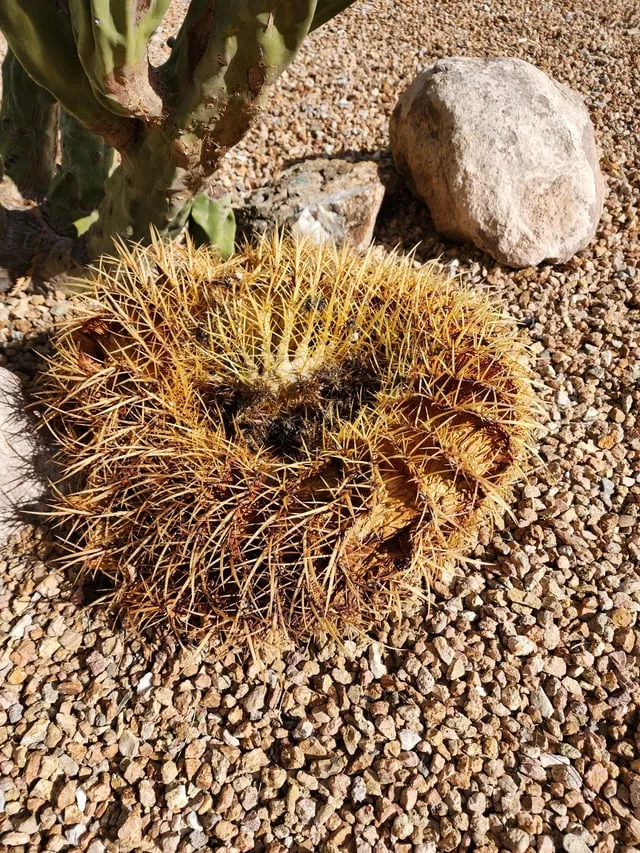
If you're asking why is my cactus wrinkled, the plant is losing water faster than it can absorb it. That shrinking happens for a few very different reasons. A wrinkled cactus isn't always thirsty.
Sometimes it's drowning in soggy soil with dead roots.
Cacti store moisture inside fleshy parenchyma cells that deflate when stressed. University extension programs confirm that most indoor cacti need soil drying out completely between waterings. Figuring out which problem you have takes a quick check.
Let's walk through exactly how to do that.
Quick Answer
A wrinkled cactus means low internal water pressure. The stem shrinks as stored moisture depletes. This happens from underwatering or root rot.
Root rot stops water absorption even in wet soil. Winter dormancy also causes harmless seasonal shrinkage.
Image source: Web (Bing) / reddit.com (Web image (fair-use with source credit))
The Quick Test: Why Your Cactus Is Actually Wrinkled
Your cactus wrinkles because its internal turgor pressure drops. Turgor pressure is the force of water pushing outward against plant cell walls. When that pressure falls, the thick outer skin folds inward.
You see those folds as deep vertical grooves along the ribs.
This deflation is an early warning system. The plant sacrifices its shape to keep core tissues alive. In our research, mild wrinkling almost always reverses if you act fast.
Severe collapse takes much longer to fix.
The tricky part is finding the actual trigger. Most people grab a watering can immediately. That instinct kills plants suffering from overwatering.
Wet soil suffocates roots and invites fungal decay. Dead roots cannot drink, so the stem shrivels anyway.
You have three main suspects to evaluate. First, the soil might actually be bone dry. Second, the roots might be rotting in soggy dirt.
Third, your cactus could just be resting for winter.
Cold temperatures and shorter days trigger natural dormancy. Dormant cacti slow their metabolism dramatically. They use up stored water without replacing it.
Per guidelines from university agricultural extensions like UC ANR, winter resting periods are normal for desert species.
Don't panic if this happens between November and February. The plant isn't dying. It's just sleeping.
We'll cover how to tell the difference next.
Reading the Wrinkles: Underwatered, Overwatered, or Just Dormant?
You can diagnose the problem by touching the plant and checking the pot. The texture of the stem tells you everything. So does the weight of the container.
Here is how to read those physical clues accurately.
An underwatered cactus feels firm and crisp. The wrinkles run vertically along the natural ribs. The skin stays tight, just folded inward.
If you poke it, there is still solid resistance underneath.
An overwatered cactus feels soft or squishy. The base often turns yellow, brown, or translucent. Wrinkles might look puckered rather than neatly ribbed.
Poking the stem leaves a slight indentation that doesn't bounce back.
A dormant cactus shrinks slowly and evenly. The color stays healthy green or blue-green. The texture remains firm, just slightly deflated.
Nothing looks mushy or discolored at the soil line.
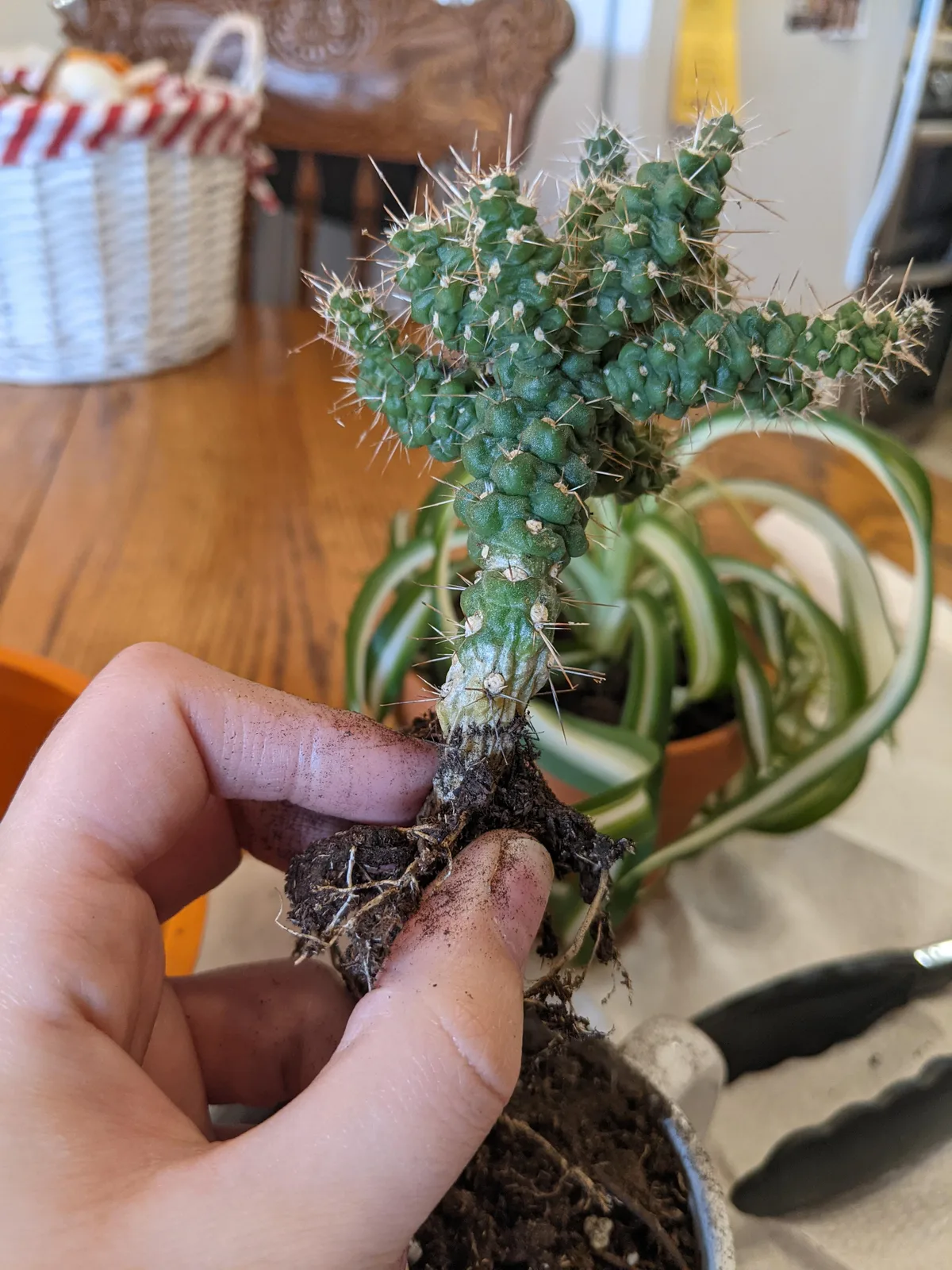
Image source: Web (Bing) / reddit.com (Web image (fair-use with source credit))
Use this table to compare what you see right now.
| Symptom | Underwatered | Overwatered / Root Rot | Winter Dormancy |
|---|---|---|---|
| Stem feel | Firm, crisp | Soft, squishy, mushy | Firm but slightly deflated |
| Wrinkle type | Deep vertical ribs | Horizontal puckering | Uniform overall shrinkage |
| Base color | Normal green | Yellow, brown, black | Normal green |
| Soil state | Bone dry, dusty | Wet, heavy, smells sour | Dry or slightly damp |
| Pot weight | Very light | Heavy | Light to medium |
Another hidden culprit is hydrophobic soil. Peat-based mixes repel water once they dry out completely. You pour water on top, and it runs straight down the sides.
The center stays totally dry while the edges flood.
Root-bound plants face a similar issue. If roots fill the entire pot, there is no soil left to hold moisture. Water flushes through instantly.
The plant drinks nothing and starts wrinkling within days.
Pests cause damage too. Root mealybugs suck sap directly from underground tissues. Spider mites drain surface moisture.
Both leave the plant looking starved and shriveled. Check for tiny white webs or cotton-like fuzz near the soil.
As of 2026, gritty soil mixes remain the standard recommendation for preventing these issues. A proper mix holds just enough moisture without suffocating roots.
The 4-Step Diagnostic Workflow to Find the Real Problem
Don't guess what your cactus needs. Follow this exact sequence every time you see wrinkling. It prevents you from watering a plant that is already drowning.
Step 1: Perform the Lift Test
Pick up the pot. Feel how heavy it is. A pot full of wet soil feels surprisingly dense.
A pot with dry soil feels hollow and light.
If the pot feels heavy, stop right here. Do not add any water. Heavy soil combined with a wrinkled stem points directly to root failure.
Move to step three to inspect the roots.
If the pot feels very light, the soil is likely dry. Proceed to step two to confirm the moisture level deeper down.
Step 2: Run the Chopstick Test
Push a wooden chopstick into the soil. Drive it all the way to the bottom of the pot. Pull it out and look at the wood.
Dry wood means the soil is parched throughout. Damp wood clinging to the stick means moisture hides at the bottom. If the bottom is wet but the top is dry, your soil mix is holding too much water.
If both the lift test and chopstick test confirm dry soil, your cactus simply needs a drink. Skip to the fixing section below. If the tests show moisture, unpot the plant immediately.
Step 3: Unpot and Inspect the Roots
Lay down some newspaper. Tip the pot sideways and slide the cactus out gently. Wear thick gloves to protect your hands from spines.
Shake off the loose dirt carefully.
Look closely at the root system. Healthy roots are white, tan, or light brown. They feel wiry and snap cleanly when bent.
Rotted roots are dark brown or black. They feel slimy and pull apart like wet string.
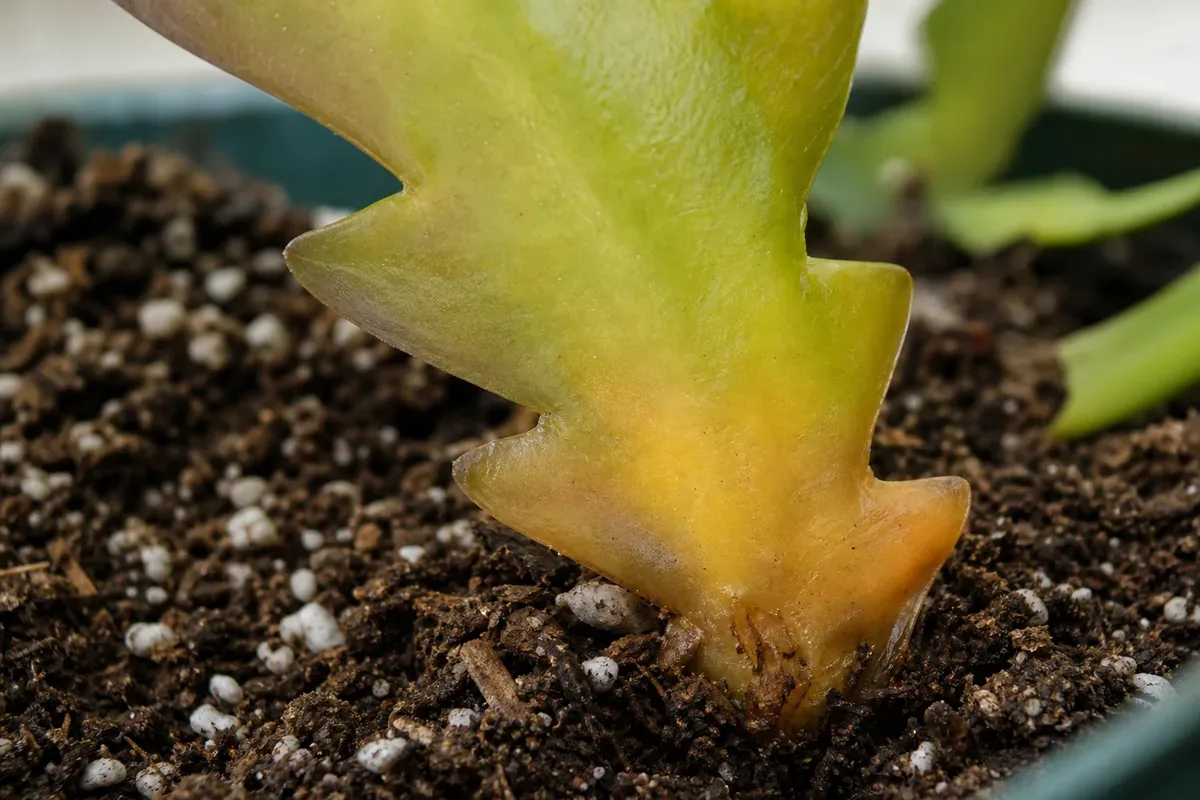
Image source: Bing (Web (fair-use with source credit))
If more than half the roots are mushy, the plant needs emergency surgery. Fungal infections spread fast in trapped moisture. You must remove the dead tissue before the rot reaches the main stem.
Step 4: Check the Stem Base
Examine where the stem meets the roots. Look for dark spots, oozing liquid, or soft patches. A compromised base means the infection moved upward.
If the base feels solid, the plant has a great chance of survival. If the base is mushy, recovery gets much harder. You may need to cut away the rotten section entirely.
Always sterilize your cutting tools with rubbing alcohol before trimming anything. This stops bacteria from jumping onto fresh wounds. Clean cuts heal faster and resist new infections.
How to Fix a Wrinkled Cactus (Based on What You Found)
The treatment depends entirely on your diagnostic results. Never apply the same fix to every wrinkled plant. Match the solution to the specific problem you uncovered.
Fixing an Underwatered Cactus
If the soil was bone dry, your plant needs a thorough soaking. Top watering often fails because dry soil channels water around the edges. Bottom watering forces moisture upward through the drainage holes.
Fill a bowl with room-temperature water. Set the pot inside the bowl. Let it sit for 15 to 30 minutes.
Touch the top inch of soil to check progress.
Once the surface feels damp, pull the pot out. Let it drain completely in the sink. Never leave a cactus sitting in standing water.
A healthy root system plumps the stem back up quickly. Expect visible improvement within 24 to 72 hours. The vertical ribs will expand and smooth out naturally.
If the soil repelled water entirely, you need a new mix. Repot the cactus using a blend of 50% to 80% inorganic material. Pumice, perlite, and coarse sand work perfectly.
Standard houseplant soil holds too much moisture for desert species.
Treating Root Rot
Rot requires immediate action. Grab sterilized shears and cut away every mushy root. Leave only the firm, healthy tissue behind.
Don't worry about removing too much. A few good roots beat a mass of infected ones.
If the base of the stem is rotting, cut higher up. Slice horizontally until you see clean, green flesh. No dark spots should remain on the cut surface.
Let the plant air dry after trimming. Place it in a warm spot out of direct sunlight. It needs 3 to 7 days to form a hard callus over the wound.
Planting a fresh cut into wet soil guarantees more rot.
After the wound dries, repot into completely fresh, dry substrate. Use a small pot that fits the remaining root mass snugly. Too much empty space holds excess moisture.
Do not water the newly potted cactus right away. Wait at least a week. The plant needs time to grow new root hairs before it can absorb liquid again.
Managing Winter Dormancy
Dormant cacti don't need fixing. They need patience. Reduce your watering frequency drastically during cold months.
Many species only need a tiny sip of water every four to six weeks in winter.
Keep the plant in a cool spot above 50°F. Provide as much bright light as possible. Avoid placing it near hot radiators or drafty windows.
Artificial heating dries the air unevenly and stresses resting plants.
When spring arrives and daylight increases, resume normal watering gradually. The wrinkles will disappear as the plant wakes up and drinks again. Forcing water on a dormant cactus causes fatal rot.
Watering Mistakes That Cause Shriveling and Rot
Most cactus problems trace back to bad watering habits. People treat them like tropical houseplants. Desert species operate on entirely different rules.
Breaking those rules leads straight to wrinkling.
Watering on a strict calendar schedule is the biggest mistake. Cacti don't care what day it is. They only drink when their roots signal a need.
Environmental factors change how fast soil dries out.
A terracotta pot near a sunny window dries in five days. A glazed ceramic pot in a dim corner stays wet for three weeks. If you water both pots every Sunday, one will bake while the other rots.
Always test the soil first.
Using the wrong container causes silent failures. Pots without drainage holes trap water at the bottom. The top layer feels dry, tricking you into watering again.
Meanwhile, the lower roots sit in a stagnant puddle.
Oversized pots create the same hazard. A tiny cactus in a massive planter has too much surrounding soil. That extra dirt holds water long after the roots finish drinking.
Match the pot size closely to the root ball.
Overcompensating for vacation absence hurts plants too. Soaking a neglected cactus repeatedly won't speed up recovery. Damaged roots need time to rebuild.
Flood them, and you drown whatever survived the drought.
Fertilizing a stressed plant burns fragile tissues. Never feed a wrinkled or rotting cactus. Wait until the stem plumps up and new growth appears.
Nutrients only help actively growing plants.
Finally, ignoring seasonal shifts ruins root systems. Summer heat demands more frequent checks. Winter chill demands total restraint.
Adjust your routine as the temperature drops and rises throughout the year.
Frequently Asked Questions
Will a wrinkled cactus plump back up?
A healthy cactus plumps back up within 24 to 72 hours after proper watering. This only works if the root system is still alive and functioning. If the roots rotted away, the stem stays deflated until you trim them and force new growth.
How often should I water my indoor cactus?
Never water on a strict calendar schedule. Wait until the soil dries out completely throughout the entire pot. In summer, that usually takes 7 to 14 days.
In winter, it can take a month or longer.
Why is my cactus wrinkled but the soil is wet?
Wet soil combined with a shriveled stem almost always means root rot. The roots died from suffocation or fungal infection. Dead roots cannot absorb moisture, so the plant starves while sitting in a puddle.
Unpot it immediately to check.
Is bottom watering better for cacti?
Bottom watering forces moisture upward through the drainage holes evenly. It prevents dry pockets in hydrophobic soil mixes. Set the pot in shallow water for 15 to 30 minutes.
Always let it drain fully afterward.
Can cold drafts make a cactus shrink?
Cold air slows down internal water transport significantly. Prolonged exposure below 50°F causes cell damage and visible puckering. Keep your plants away from drafty windows and air conditioning vents.
Move them to warmer spots during winter months.
Should I repot a wrinkled cactus right away?
Only repot immediately if you confirmed root rot or totally dead soil. A merely thirsty cactus just needs a good soak first. Disturbing stressed roots without cause delays recovery.
Diagnose the moisture level before grabbing a new container.

Similar Posts