Brown Spots on Peperomia Obtusifolia: Causes and Fixes
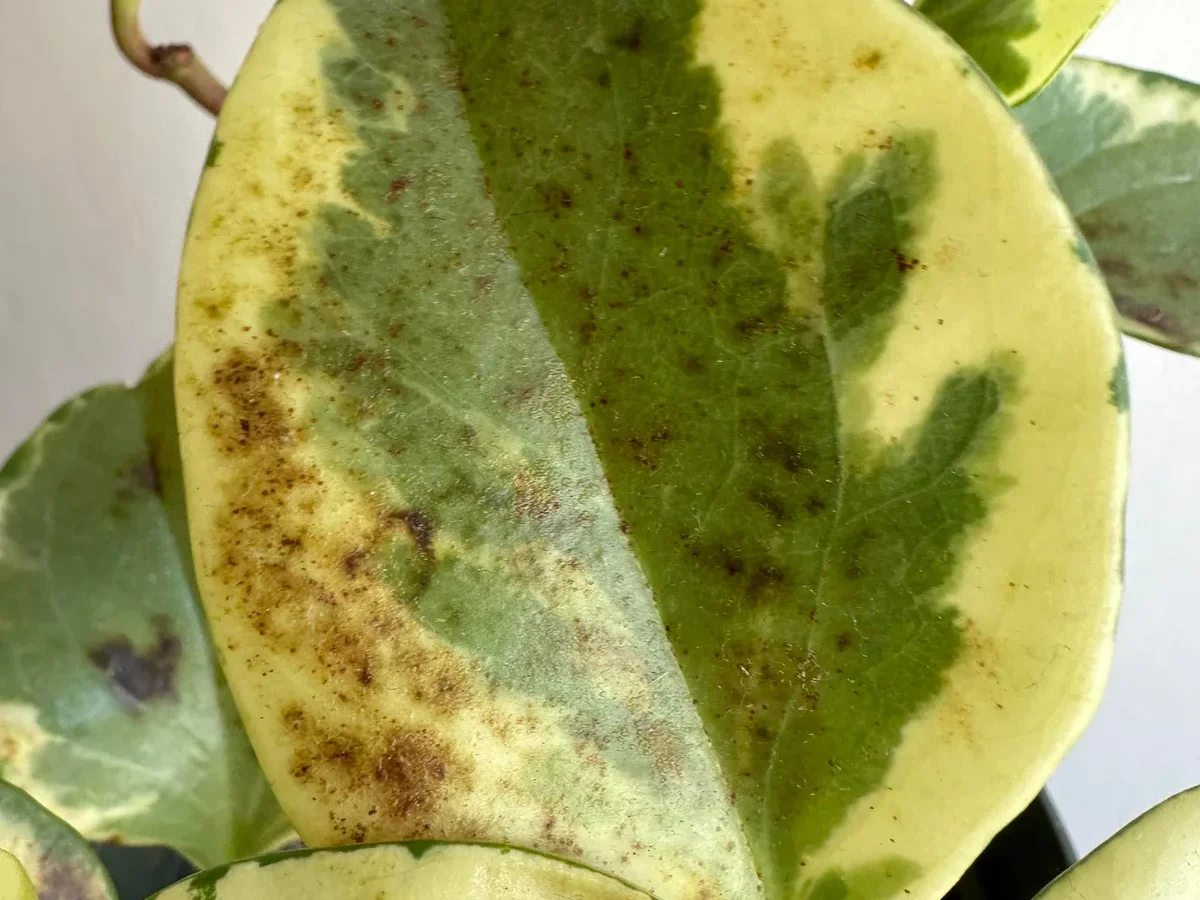
Finding brown spots on peperomia obtusifolia usually means your watering habits or light exposure need adjusting. These thick, fleshy leaves store water, so they react quickly when their environment is off. The spots aren't random.
They're specific signals telling you exactly what went wrong.
Our research shows that overwatering causes the majority of leaf spot issues in houseplants as of 2026. Per Clemson University Cooperative Extension guidelines, indoor plants kept in heavy soil without proper drainage are highly prone to root suffocation. Let's figure out which branch of the diagnostic tree your plant falls into.
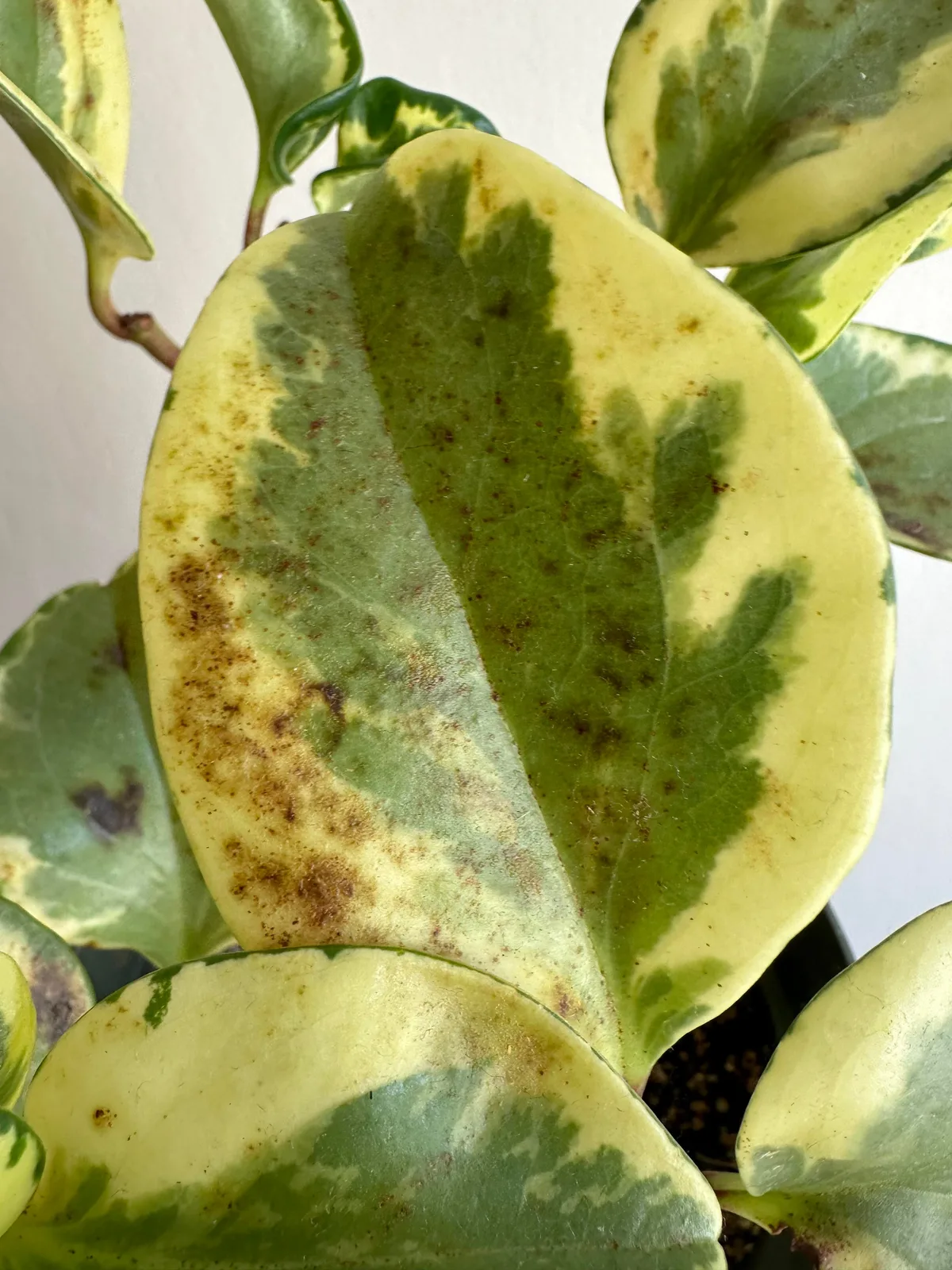
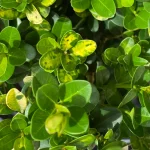
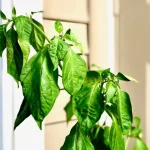
Image source: Bing (Web (fair-use with source credit))
Quick Answer
Brown spots on peperomia obtusifolia signal environmental stress or disease. Mushy dark spots mean overwatering or root rot. Crispy tan edges point to sunburn or low humidity.
Raised corky bumps indicate edema from inconsistent watering. Check the texture first to diagnose accurately.
The Quick Touch Test: What Your Peperomia’s Brown Spots Are Telling You
The fastest way to diagnose your baby rubber plant is to physically touch the damaged leaf. Don't just look at it. Feel the spot between your fingers.
The texture tells you more than the color ever will.
If the brown area feels soft, wet, or mushy, you're dealing with too much moisture. That points directly to overwatering, poor drainage, or a bacterial infection taking hold. The roots are likely sitting in soggy soil right now.
If the spot feels dry, crispy, or papery, the issue is environmental. Sun scorch, cold drafts, or severely low humidity cause this kind of damage. The leaf tissue has literally dried out and died back.
Sometimes you'll feel raised, rough bumps on the underside of the leaves. That's edema. It happens when the roots drink water faster than the leaves can release it through transpiration.
The cells burst and form corky brown scars.
Pest damage feels different again. Spider mites leave tiny stippled dots that feel slightly rough. Thrips leave silvery scars that eventually turn brown.
Flip the leaf over and look closely for webbing or moving specks.
Here is a quick reference table to guide your initial assessment before we move to the full decision tree.
| Texture | Color | Location | Most Likely Cause |
|---|---|---|---|
| Soft, mushy | Dark brown, black | Lower leaves, centers | Overwatering, root rot, bacteria |
| Crispy, dry | Light tan, bleached | Edges, top leaves | Sunburn, low humidity, cold draft |
| Raised, corky | Rust-colored, brown | Undersides of leaves | Edema |
| Rough, stippled | Tiny scattered dots | Anywhere | Spider mites, thrips |
Once you know the texture, you can stop guessing. You have the exact variable needed to run through the diagnostic branches below. Grab your phone flashlight if the room is dim.
Good lighting makes spotting these textures much easier.
The Decision Tree: Matching Spot Texture, Color, and Location to the Cause
This is where we put the clues together. We'll use simple if/then logic to pinpoint the exact problem. Follow the branch that matches what you felt during the touch test.
Crispy Edges and Light Tan Patches (Sunburn, Low Humidity, or Cold Drafts)
If the spots are crispy, light tan, and located on the edges or the leaves facing your window, then your plant is getting scorched. Peperomia obtusifolia thrives in bright, indirect light. Direct afternoon sun through glass acts like a magnifying lens.
It bakes the thick leaves.
Move the plant back a few feet from the window immediately. If you can't move it, hang a sheer curtain to diffuse the harsh rays. The burned leaves won't heal, but new growth will come in green and healthy.
If the crispy edges are happening away from windows, check your humidity levels. Indoor heating systems in winter routinely drop ambient humidity below 30 percent. That's far too dry for a tropical plant.
Group your plants together or set the pot on a pebble tray filled with water to raise local moisture.
Cold damage looks similar but usually appears as large, bruised patches rather than just edges. If the plant sits near an AC vent or a drafty door in winter, it will suffer. Keep the temperature above 65°F (18°C).
Never let it dip below 50°F (10°C), as cold shock damages the cell walls permanently.
Dark, Mushy Centers and Yellow Halos (Overwatering, Root Rot, or Bacterial Leaf Spot)
If the spots are dark brown or black, feel soft, and sit near the center of lower leaves, then you are overwatering. Baby rubber plants store water in their stems and leaves. They don't need frequent drinks.
Let the top two to three inches of soil dry out completely before watering again.
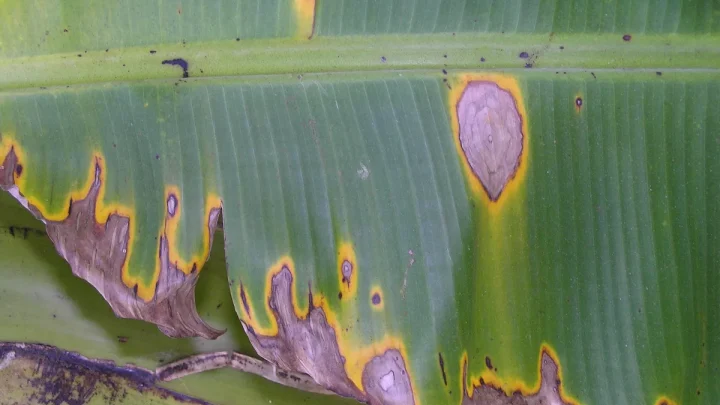
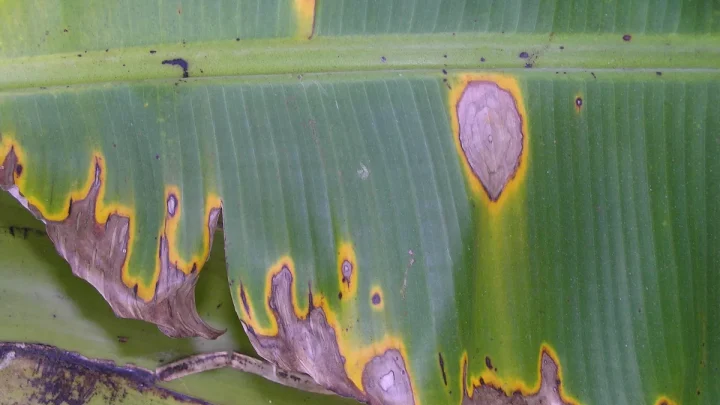
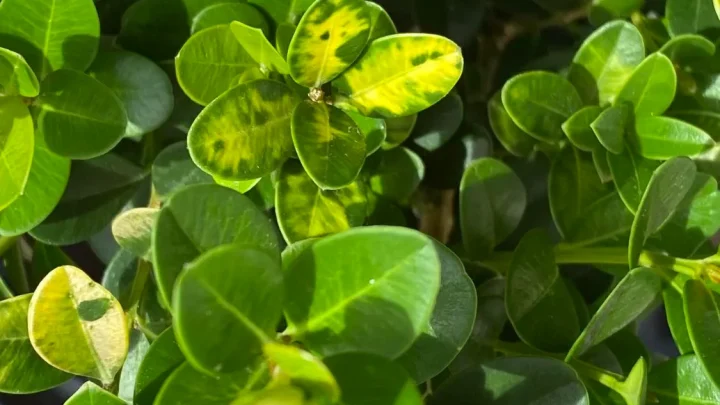
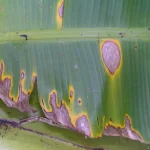
If those dark mushy spots also have a distinct yellow ring around them, suspect bacterial leaf spot. Bacteria thrive in warm, wet environments. Getting water on the leaves during watering spreads the infection rapidly from leaf to leaf.
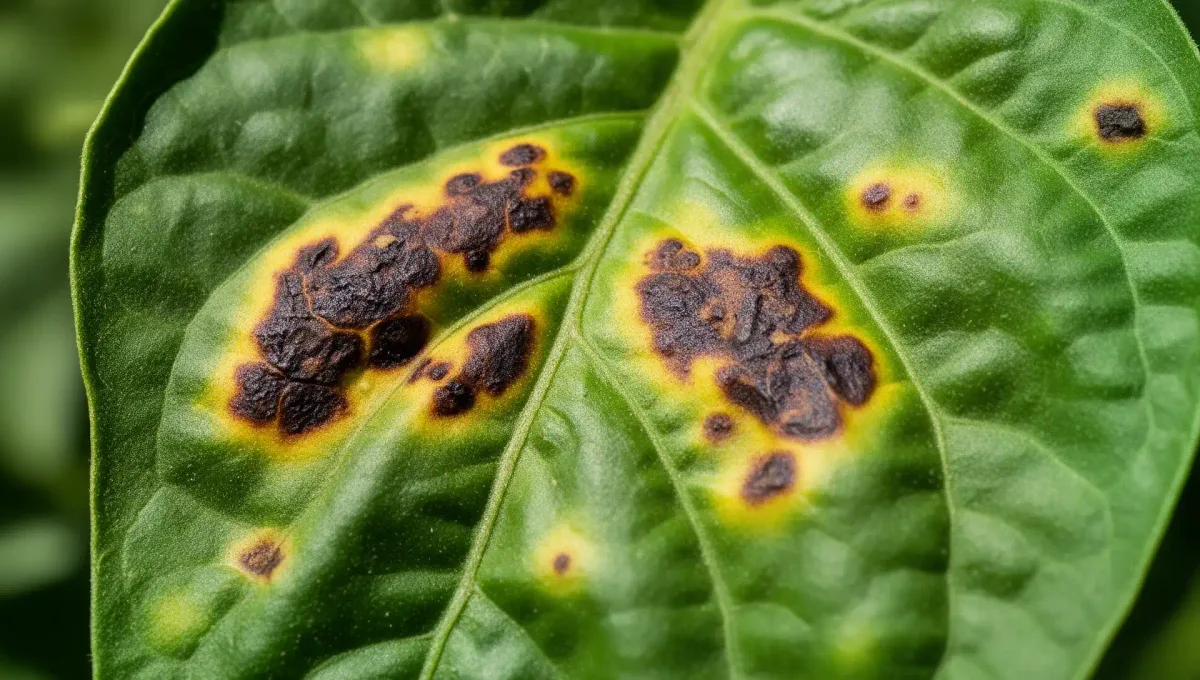
Image source: Bing (Web (fair-use with source credit))
Stop misting the plant immediately. Water only at the soil level, or switch to bottom watering by placing the nursery pot in a bowl of water for ten minutes. If the soil smells sour or swampy, root rot has already started.
You'll need to repot the plant today.
Fungal infections like Cercospora look slightly different. They often form dry, powdery spots with concentric rings, almost like a target. Fungus prefers damp conditions too, but responds well to copper-based fungicides.
Bacteria do not respond to standard fungicides, which is why accurate identification matters.
Raised Corky Bumps on Leaf Undersides (Edema from Inconsistent Watering)
If you feel hard, raised, rust-colored bumps mostly on the undersides of the leaves, then your plant has edema. This isn't a disease or a pest. It's a physiological disorder caused by erratic watering schedules.
Edema happens when the soil stays wet while the air remains cool and still. The roots push water up, but the leaves can't evaporate it fast enough. The internal pressure bursts the cells, leaving permanent corky scars.
Fix this by establishing a strict drying cycle. Only water when the top few inches of soil are bone dry. Improve airflow around the plant by opening a window slightly or running a gentle fan nearby.
The existing bumps won't disappear, but preventing new ones is entirely in your control.
Tiny Scattered Dots and Stippling (Spider Mites or Thrips Damage)
If the brown marks are actually clusters of tiny pinprick dots, then pests are feeding on your plant's sap. Spider mites are the most common culprit for indoor peperomias. They love dry, dusty environments.
Look closely at the joints where the leaf meets the stem. If you see fine, silky webbing, spider mites are present. Thrips leave behind silvery trails that eventually turn brown and scarred.
Both pests multiply incredibly fast indoors.
Isolate the affected plant from your other houseplants right away. Wipe the leaves down gently with a damp cloth to remove the bulk of the pests. Follow up with a neem oil spray applied in the evening to avoid burning the leaves under sunlight.
Repeat this treatment every five to seven days until the pests are gone.
Step-by-Step Triage: How to Stop the Spread and Treat the Plant
Once you've identified the correct branch on the decision tree, take action immediately. Delaying treatment allows fungal spores, bacteria, or pests to spread to healthy tissue. Here is the exact workflow to stabilize your plant.
Step 1: Isolate the plant. Move your peperomia obtusifolia away from your other houseplants. Quarantine prevents cross-contamination if you're dealing with bacteria, fungus, or pests. Give it its own space while you work.
Step 2: Prune the worst damage. Remove any leaves that are more than 50 percent brown or completely mushy. They won't recover. Leaving them attached drains energy from the plant and harbors pathogens.
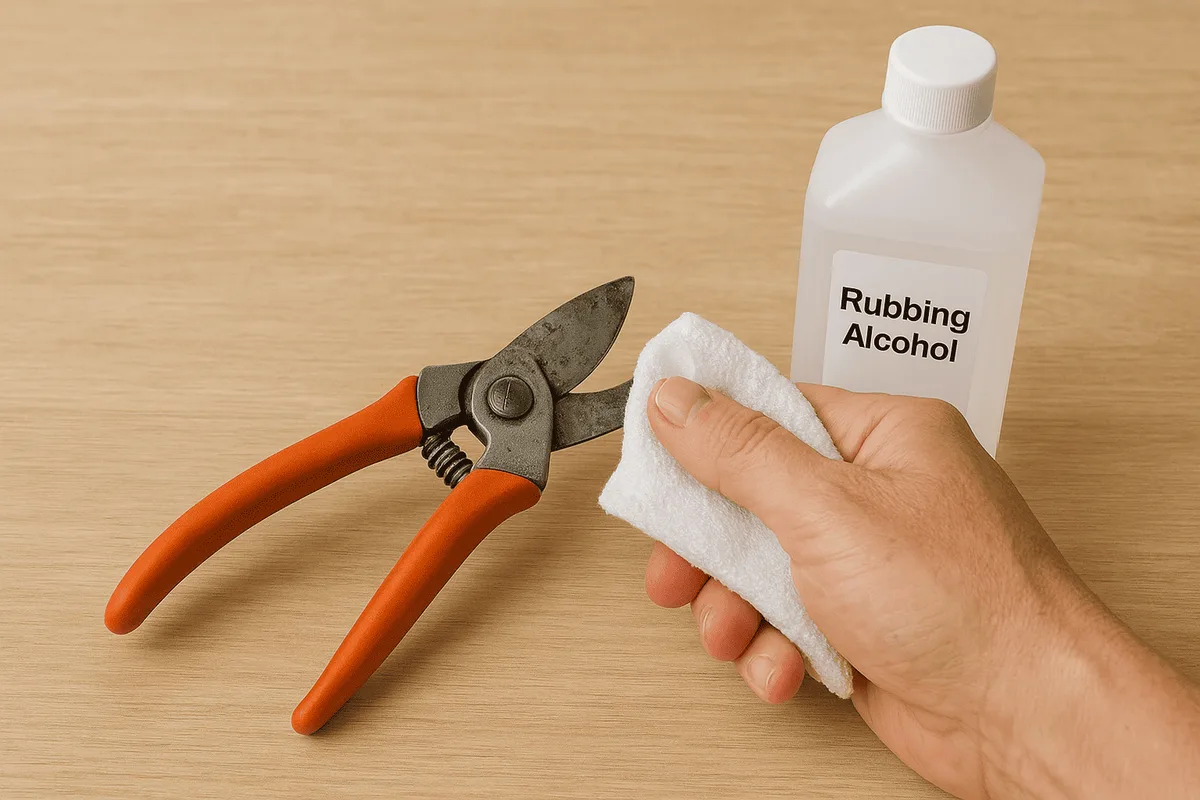
Image source: Bing (Web (fair-use with source credit))
Always sterilize your pruning shears with 70 percent isopropyl alcohol before making a cut. Wipe the blades again between every single leaf you remove. Skipping this step drags bacteria directly into fresh wounds.
Step 3: Inspect the roots if overwatering is suspected. Gently slide the plant out of its pot. Healthy roots are firm and white or light tan. If they are black, slimy, or fall apart when touched, root rot is active.
Trim away all dead roots using your sterilized shears.
Step 4: Repot if necessary. If you found root rot or the soil was heavily compacted, repot the plant. Use a chunky, well-draining mix. A blend of standard potting soil, perlite, and orchid bark works perfectly for succulent-leaved plants.
Ensure the new pot has drainage holes.
Step 5: Apply targeted treatment. If you diagnosed a fungal issue, apply a copper-based fungicide according to the package directions. For pests, use neem oil or insecticidal soap. If the problem was purely environmental, like sunburn or edema, skip chemicals entirely.
Just adjust the growing conditions.
Step 6: Adjust your watering method. Switch to bottom watering. Place the plastic nursery pot inside a shallow bowl of room-temperature water. Let it soak for 10 to 15 minutes until the topsoil feels moist.
Lift it out and let it drain completely before putting it back in the decorative pot. This keeps the foliage dry and forces roots to grow downward.
Step 7: Monitor new growth. Recovery takes time. Expect to wait two to four weeks to see unaffected new leaves emerging. Don't panic if older spotted leaves eventually drop off naturally.
Focus entirely on the health of the newest growth at the top of the stems.
Common Mistakes That Make Peperomia Obtusifolia Spots Worse
We see the same errors repeated constantly when people try to save a struggling baby rubber plant. Fixing the environment means nothing if your daily habits keep undoing the progress. Avoid these specific traps.
Watering on a calendar schedule is the biggest mistake. "Every Sunday" doesn't work for plants. Soil dries at different rates depending on the season, the room's humidity, and how much light the plant receives.
Always check the soil moisture manually before adding water. Stick your finger two inches deep into the dirt. If it's damp, walk away.
Using heavy, peat-dense potting mixes straight out of the bag suffocates the roots. Peperomia obtusifolia needs oxygen at the root zone just as much as it needs water. Standard indoor potting soil holds too much moisture for this semi-succulent species.
Always amend it with perlite or pumice to increase drainage.
Misting the leaves to increase humidity often backfires. While these plants enjoy moderate humidity, sitting water droplets on thick leaves invite bacterial leaf spot. The water pools in the crevices and creates a perfect breeding ground for pathogens.
Use a humidifier or a pebble tray instead of a spray bottle.
Cutting off too many leaves at once shocks the plant. Even if a leaf has a few brown spots, it's still photosynthesizing and feeding the roots. Only remove leaves that are completely dead, mushy, or actively spreading disease.
Leave partially spotted leaves alone until new healthy growth replaces them.
Ignoring the undersides of the leaves hides early warning signs. Pests and edema always show up on the bottom first. If you only inspect the glossy tops, you'll miss the problem until it covers the entire plant.
Make flipping the leaves over a regular part of your weekly plant care routine.
Throwing infected pruned leaves into your compost bin spreads the disease. Bacterial and fungal spores survive the home composting process easily. Seal diseased plant material in a plastic bag and put it directly into the trash.
Wash your hands thoroughly after handling sick plants.
Applying treatments in direct sunlight burns the foliage. Neem oil and chemical sprays act like magnifiers under intense light. Always apply foliar sprays in the early evening or move the plant to a shaded area until the treatment dries completely.
Frequently Asked Questions
Should I cut off leaves with brown spots?
Only remove leaves that are mostly dead, mushy, or actively spreading disease. Leaves with minor cosmetic spots still produce energy for the plant. Sterilize your shears with rubbing alcohol before cutting.
Leave partially spotted leaves intact until healthy new growth emerges.
Why are my peperomia leaves turning brown and falling off?
Leaves dropping alongside browning usually indicates severe root rot from overwatering. The roots are decaying and cannot support the foliage anymore. Unpot the plant, trim away black roots, and repot in fresh, chunky soil.
Reduce your watering frequency immediately.
Can brown spots on peperomia obtusifolia heal?
No. Once leaf tissue turns brown and dies, it cannot turn green again. Your goal is to stop new spots from forming.
Correct the underlying environmental or watering issue. The plant will push out flawless new leaves within two to four weeks.
How often should I water my baby rubber plant?
Never water on a fixed schedule. Wait until the top two to three inches of soil are completely dry. In summer, this might mean watering every ten days.
In winter, it could take three weeks. Always test the soil moisture with your finger first.
Is bacterial leaf spot contagious to other houseplants?
Yes. Bacterial leaf spot spreads easily through splashing water and contaminated tools. Isolate the infected peperomia immediately.
Do not reuse your pruning shears on other plants without sterilizing them first. Avoid getting water on the leaves when watering nearby plants.

Similar Posts