Why Sunflower Leaves Turn Black: Causes & Fixes
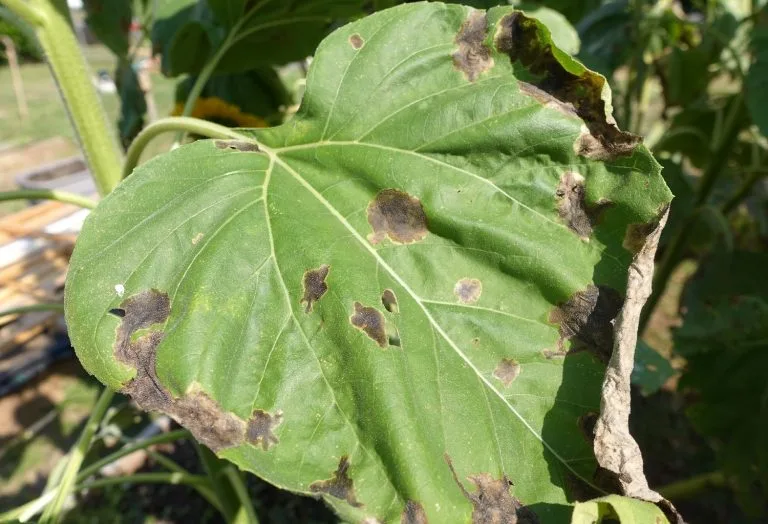
Seeing sunflower leaves turning black is alarming, but it rarely means your plant is a lost cause. The dark tissue usually points to one specific problem you can actually fix.
In our research across university extension data as of 2026, prolonged leaf wetness beyond 12 hours triggers most fungal infections on Helianthus annuus. We built this guide to help you pinpoint the exact cause fast. Let's walk through the diagnostic steps together.
Quick Answer
Sunflower leaves turn black for several distinct reasons. Fungal diseases like Alternaria cause dark spots. Frost kills tissue overnight.
Aphid pests leave behind black sooty mold. Check the pattern to find your cure.
Image source: Web (Bing) / towerlandscapedesign.com (Web image (fair-use with source credit))
Why Your Sunflower Leaves Are Turning Black (And How to Tell What’s Actually Wrong)
Black leaves are just a symptom. The real issue hides in the pattern, texture, and timing of that discoloration. You have to look closer to figure out what went wrong.
A sudden frost turns tender top leaves black almost instantly. Fungal issues like Alternaria leaf blight start as small spots. Those spots slowly expand outward over several days.
Root rot works from the bottom up. Overwatered soil suffocates roots. Lower leaves wilt and turn dark because they cannot get nutrients.
Each scenario demands a completely different response.
Generic advice tells you to spray fungicide on everything. That approach wastes money and stresses the plant further. Spraying copper on frostbitten tissue does absolutely nothing.
We need to separate environmental damage from biological threats first. Look at where the blackening started. Check if the tissue feels wet or dry.
These clues build your diagnosis.
Purdue Extension notes that accurate identification prevents unnecessary chemical applications in commercial and home gardens alike. Guessing leads to crop loss. Observing leads to a cure.
Your goal right now is simple. Gather information about the affected leaves. Then we will run that information through a quick decision tree.
The 5-Minute Diagnostic Workflow: Frost, Fungus, Bugs, or Rot?
This workflow relies on basic if/then logic. You observe a symptom. That observation points you down a specific branch.
Follow the steps exactly.
Start by touching the blackened tissue. Feel the edges of the spots. Note which part of the plant suffered first.
Top leaves and bottom leaves tell very different stories.
| Symptom | Texture | Location | Likely Cause |
|---|---|---|---|
| Uniform dark patches | Brittle and papery | Top leaves first | Frost damage |
| Spots with rings | Dry and embedded | Anywhere on leaf | Alternaria blight |
| Black coating | Wipes off easily | Underside of leaves | Sooty mold |
| Dark mushy base | Wet and slimy | Bottom leaves/stem | Root rot |
Use this table while standing next to your plants. Match what you see to the rows above. Once you have a match, jump to the corresponding branch below.
Do not rush this step. Misdiagnosis is the main reason gardeners lose their sunflowers. Take thirty seconds to really examine the leaf surface.
Branch 1: Sudden, Uniform Blackening (Frost Damage vs. Natural Senescence)
If the blackening happened overnight after a cold snap, you are looking at frost damage. Temperatures dropping below 31 degrees Fahrenheit kill sunflower cells rapidly. The water inside the leaf expands and bursts the cell walls.
The dead tissue turns uniformly black or dark brown. It feels brittle and papery when you touch it. This damage always hits the newest top growth first.
Natural senescence looks entirely different. End of season dieback starts at the very bottom of the stalk. Those older leaves turn yellow first.
They eventually brown and crisp up as the plant finishes its life cycle.
Senescence happens slowly over weeks. Frost happens in hours. If your plant was healthy yesterday and black today, blame the weather.
You cannot reverse frost kill. Just leave the dead tissue alone to protect lower stems.
Branch 2: Spots With Rings, Halos, or a Wipeable Sooty Coating (Pathogens and Pests)
If you see distinct spots spreading outward, you are dealing with a pathogen. Concentric rings inside a dark lesion mean Alternaria helianthi. That is a common fungal leaf blight.
Yellow halos surrounding a dark spot point toward bacterial leaf spot. Pseudomonas syringae causes this issue. Bacterial spots often look water soaked around the edges before turning necrotic.
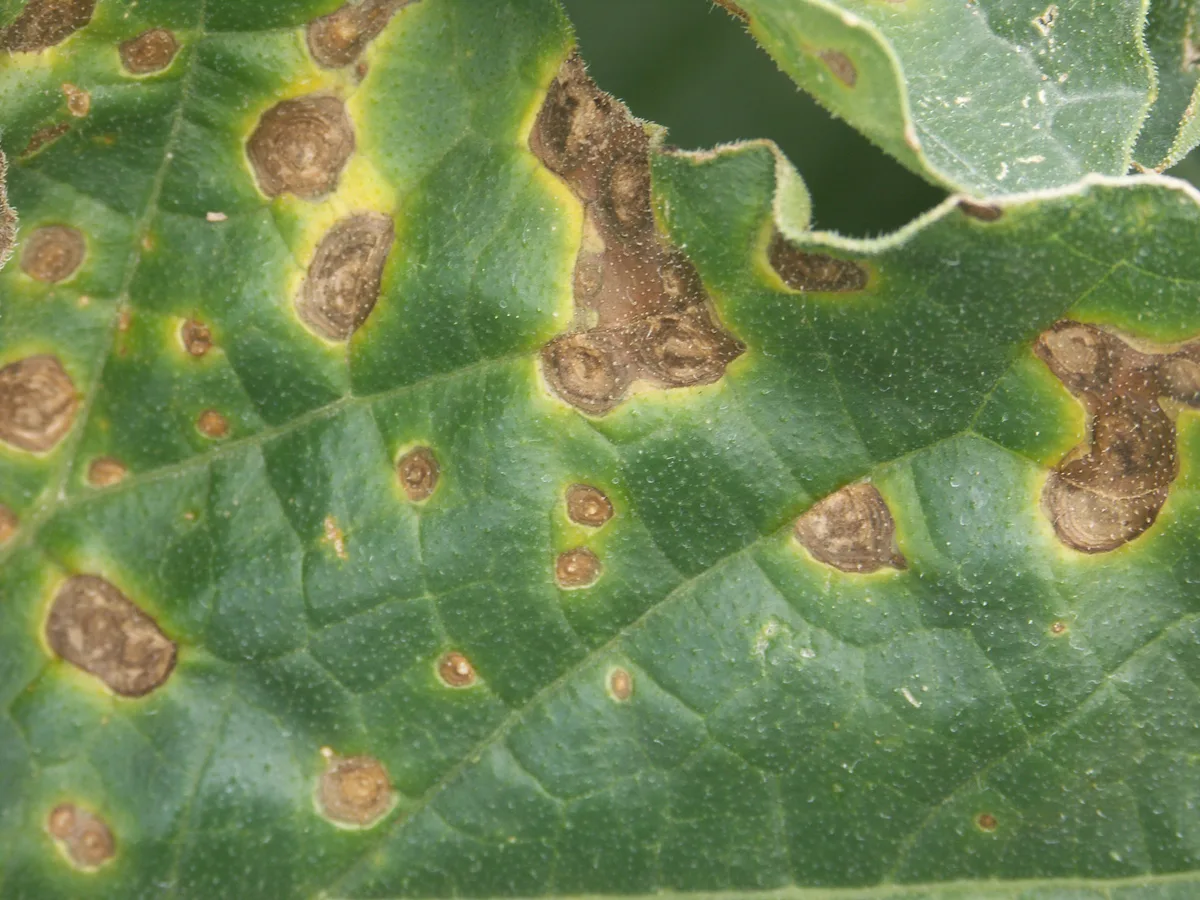
Image source: Web (Bing) / ag.purdue.edu (Web image (fair-use with source credit))
Now try the rub test. Take your thumb and wipe the black area firmly. If the black stuff comes off on your skin, that is sooty mold.
Sooty mold is not actually attacking the plant tissue. It grows on sticky honeydew left behind by aphids or whiteflies. The insects are your real problem here.
The mold just blocks sunlight from reaching the leaf.
Fungal lesions stay embedded in the leaf. You cannot rub them away. Knowing this difference saves you from buying the wrong treatment at the garden center.
Branch 3: Mushy Stems and Wilting Lower Leaves (Root Rot and Bacterial Issues)
If the blackening starts at the soil line and moves upward, check your watering habits immediately. Phytophthora and Pythium fungi thrive in soggy clay soils. They attack the taproot first.
The stem base turns dark and mushy. Lower leaves wilt even when the soil is soaking wet. That wilting happens because the rotting roots cannot transport water anymore.
Overwatering container sunflowers causes this exact failure constantly. Pots without drainage holes trap moisture against the root crown. The tissue rots and turns black within days.
Bacterial stem rot acts similarly. Xanthomonas campestris enters through wounds or natural openings. It creates dark streaks running vertically up the stalk.
Press your finger against the blackened stem. Healthy stems feel firm and solid. Rotted stems collapse under light pressure.
If it squishes, the root system is compromised.
Exact Fixes Based on Your Diagnosis
Once you know the cause, the fix becomes straightforward. Stop guessing. Apply the targeted solution for your specific branch.
For Alternaria or Septoria leaf spots, prune the worst foliage immediately. Bag those leaves and throw them in the trash. Never compost diseased material.
Apply a copper based fungicide to the remaining healthy tissue. Spray every seven to ten days during active outbreaks. Cover both sides of the leaves thoroughly.
For sooty mold, you must eliminate the insects first. The mold will clear up on its own in one to two weeks once the honeydew stops.
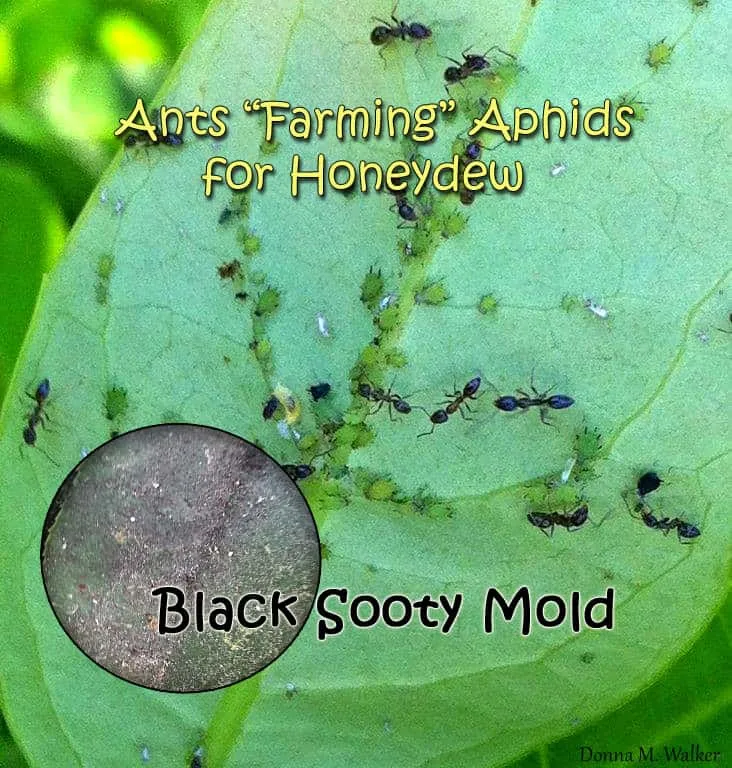
Image source: Web (Bing) / heartspm.com (Web image (fair-use with source credit))
Spray insecticidal soap directly on the aphids. Focus on the undersides of the leaves where they hide. Introducing ladybugs also provides excellent biological control for heavy infestations.
If you diagnosed root rot, stop watering immediately. Let the soil dry out completely before adding more moisture. For potted plants, repot into fresh soil with better drainage.
Severe root rot usually kills the plant. Prevention matters far more than treatment here. Always use well draining soil mixes for container sunflowers.
For frost damage, do absolutely nothing. Leave the dead leaves attached. They act as insulation for the surviving lower growth.
The plant will push new side shoots if the main stem survived.
Bacterial issues require removing the entire plant if the stem is severely streaked. Bacteria spread rapidly through water splashing. Sanitize your bypass pruners with isopropyl alcohol between every single cut.
Common Mistakes That Kill Sunflowers Faster Than the Disease
Gardeners panic when they see black leaves. That panic leads to bad decisions. Avoid these specific errors to give your plants a fighting chance.
Applying fungicide to frost damaged tissue is the biggest waste of time. Cold injury is abiotic. No chemical product will bring dead frozen cells back to life.
Overwatering a wilting plant is another classic error. Root rot causes wilting because roots are dying. Adding more water drowns whatever healthy roots remain.
Always check soil moisture first.
Leaving fallen diseased leaves on the ground guarantees next year's problems. Fungal spores overwinter in plant debris. Clean up the soil surface around your sunflowers every single week.
Spraying broad spectrum chemicals blindly harms beneficial insects. You might accidentally kill the lacewings eating your aphids. Target your treatments based on the actual pest or pathogen.
Ignoring spacing requirements traps humidity against the foliage. Sunflowers need air circulation to dry off morning dew. Crowded plants create the perfect environment for Alternaria to explode.
Using overhead sprinklers late in the day keeps leaves wet all night. Fungal infections require prolonged leaf wetness to germinate. Switch to drip irrigation or water the soil directly at the base.
Failing to rotate crops invites recurring soil borne pathogens. Planting sunflowers in the same bed year after year builds up Phoma and Sclerotinia populations. Move them to a new spot every three seasons.
Long-Term Prevention: Spacing, Watering, and End-of-Season Cleanup
Fixing black leaves matters less than stopping them from coming back. Good cultural habits keep pathogens out of your garden entirely. You control the environment more than you think.
Start with spacing. Crowded sunflowers trap humidity against lower foliage. Plant tall varieties 18 to 24 inches apart.
This gap lets wind dry the leaves quickly after rain.
Water only at the soil level. Overhead sprinklers leave moisture sitting on leaves for hours. Fungal spores like Alternaria need that wet surface to germinate.
Drip irrigation solves this problem completely.
Check your soil drainage before planting season begins. Heavy clay holds water around the taproot. That constant moisture invites Phytophthora root rot.
Mix coarse compost into dense beds to improve airflow underground.
End of season cleanup is where most home growers fail. Never leave dead sunflower stalks standing through winter. Fungi like Phoma macdonaldii overwinter inside that hollow plant debris.
Pull everything up after the first hard frost.
Bag diseased material immediately. Throw it in the municipal trash bin. Do not put infected leaves in your backyard compost pile.
Most home compost bins never reach the 140 degrees Fahrenheit needed to kill tough fungal spores.
Rotate your planting locations every three years. Sunflowers belong to the Asteraceae family. Soil borne diseases build up fast if you plant them in the same bed repeatedly.
Move them to a fresh spot next spring.
The USDA confirms crop rotation remains the primary defense against recurring field diseases. Commercial growers follow strict multi year schedules. You should apply that exact same logic to your backyard rows.
Frequently Asked Questions
Why are my sunflower leaves turning black overnight?
Sudden overnight blackening almost always means frost damage. Temperatures dropping below 31 degrees Fahrenheit rupture leaf cells instantly. The tissue turns dark, brittle, and papery by morning.
Leave the dead leaves attached to protect lower stems.
Can I save a sunflower with black spots on the leaves?
You can save it if you catch the disease early. Prune off the spotted leaves immediately. Bag them and throw them away.
Spray the remaining healthy foliage with a copper based fungicide every seven days.
Is black soot on sunflower leaves a fungus?
That black coating is sooty mold growing on insect honeydew. Aphids or whiteflies excrete the sticky sugar residue first. The mold feeds on that sugar, not your plant tissue.
Kill the insects to stop the mold.
Should I cut off blackened sunflower leaves?
Remove leaves infected with fungal or bacterial spots right away. Cutting them off stops spores from splashing onto healthy tissue. Sanitize your pruners with rubbing alcohol between cuts.
Leave frost damaged leaves alone until spring.
How do I prevent sunflower leaves from turning black next year?
Space plants 18 to 24 inches apart for proper airflow. Water the soil directly instead of spraying the foliage. Remove all dead stalks after harvest.
Rotate your planting location every three seasons to starve soil pathogens.

Similar Posts