Midday Heat Wilt vs Bacterial Wilt in Bell Peppers: Watering & Recovery Guide
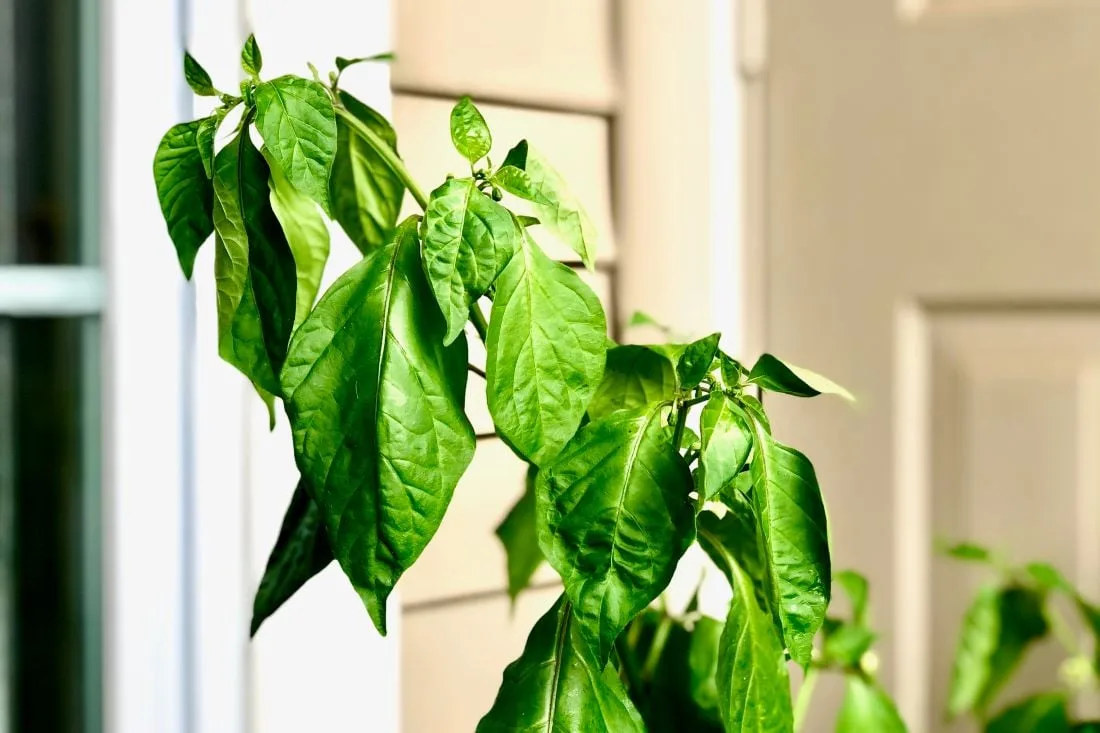
Seeing bell pepper plant wilting in your garden is frustrating. The leaves droop, the stems go limp, and the whole plant looks like it might not make it. But wilting isn't a disease itself.
It's just a symptom telling you something in the environment is wrong.
In our research across university extension data, most pepper collapses come down to three things: moisture issues, heat stress, or vascular disease. Bell peppers need consistent conditions to maintain turgor pressure, which is the internal water pressure keeping stems rigid. If temperatures push past 90°F, plants will intentionally wilt to survive.
Let's run through the exact diagnostic workflow to figure out what your plant needs right now.
Image source: Bing (Web (fair-use with source credit))
Quick Answer
🌱 Master Gardener Quick Answer
Bell pepper plant wilting happens for three main reasons. The soil might be too dry. Extreme heat causes temporary leaf drooping.
Vascular diseases block water movement inside the stem. Check soil moisture first.
Why Your Bell Pepper Plant Is Wilting (The 3-Step Diagnostic Workflow)
A wilting pepper plant forces you into detective mode immediately. You can't just throw water at the problem and hope for the best. That approach actually kills more plants than it saves.
Our research shows that fixing a drooping Capsicum annuum requires a strict decision tree. You have to check variables in a specific order. Soil moisture comes first.
Temperature comes second. Physical symptoms come last.
If you skip straight to treating pests or diseases without checking the basics, you'll waste time. You might also misdiagnose the issue entirely. An overwatered plant and an underwatered plant look identical from three feet away.
This workflow helps you isolate the real cause fast. We built this process using diagnostic standards from university cooperative extension programs, which handle thousands of plant pathology cases every year. As of 2026, their protocols remain the gold standard for home growers.
Here is how the logic flows before we break down each step.
- Condition A: Soil is dry. Action: Water deeply.
- Condition B: Soil is soggy. Action: Stop watering and improve drainage.
- Condition C: Soil is moist but air is over 90°F. Action: Provide temporary shade.
- Condition D: Soil is moist, temps are fine, and stems show brown rings. Action: Remove the plant.
You always start at the ground level. Then you evaluate the air around the plant. Finally, you inspect the tissue itself.
This sequence prevents you from making costly mistakes early on.
Every single variable changes your next move. Treating bacterial wilt with heavy watering spreads the pathogen faster. Treating heat stress with fungicides does absolutely nothing.
Following this exact order keeps your response targeted.
Step 1: The Soil Moisture Check (Ruling Out Watering Errors)
Is the soil wet or dry? You must answer this before doing anything else. Stick your finger two inches into the dirt near the base of the plant.
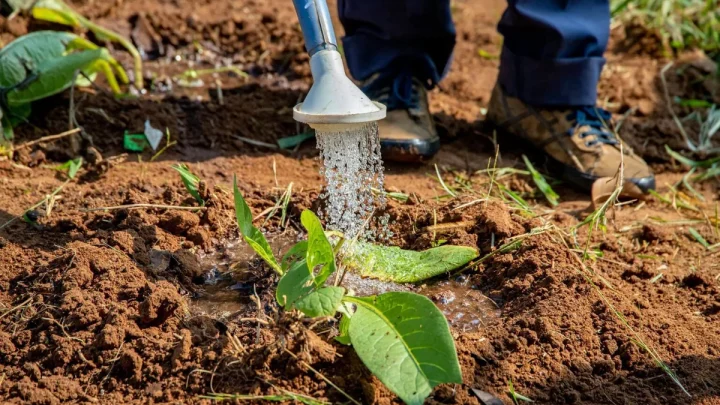
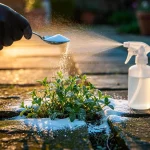
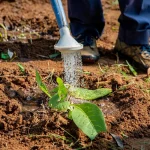
If the soil feels bone dry, your plant is simply thirsty. Give it a slow, deep soak directly at the root zone. Avoid spraying the leaves.
You should see the plant recover its turgor pressure within two to four hours.
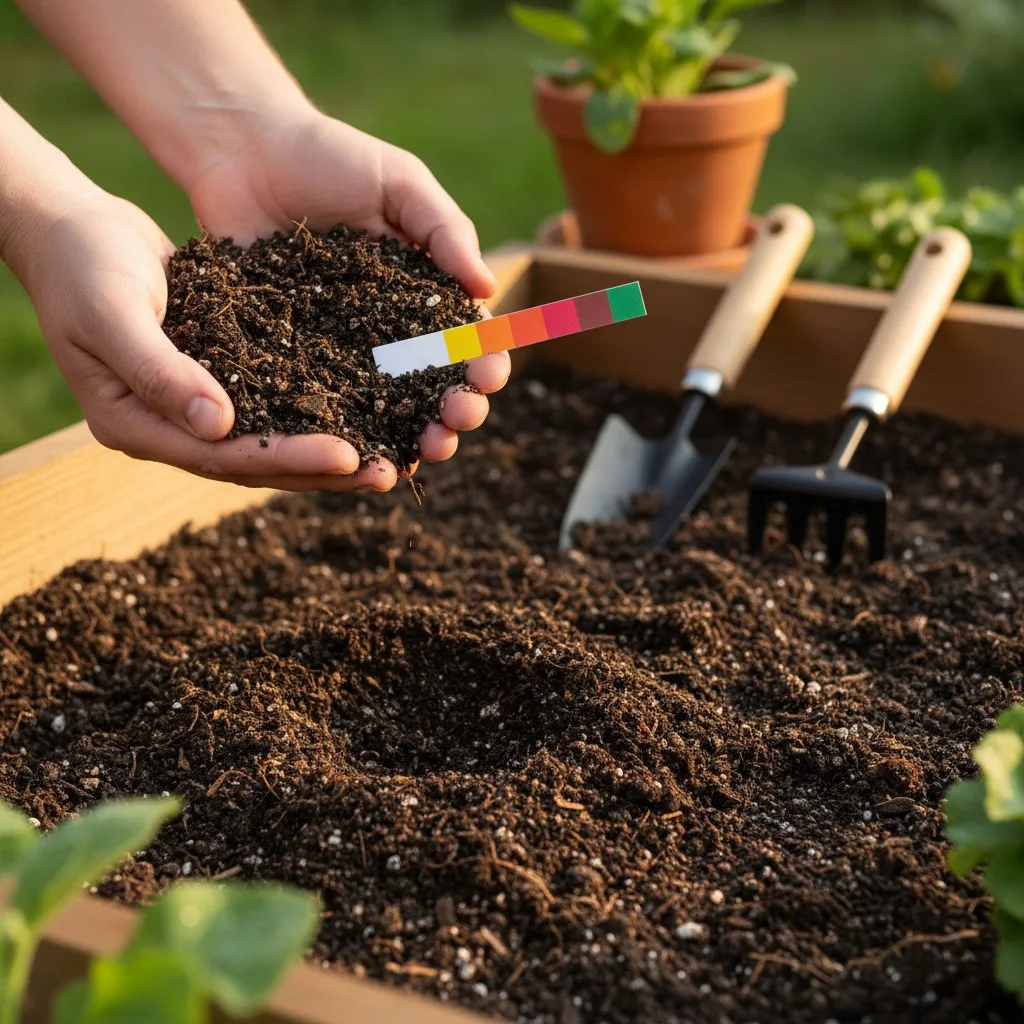
Image source: Bing (Web (fair-use with source credit))
If the soil feels muddy or heavily saturated, you have a different problem. Overwatering suffocates roots by filling all the air pockets in the soil. Roots deprived of oxygen cannot absorb water.
The plant wilts even though it is sitting in a puddle.
Stop watering immediately. Let the top few inches dry out completely. If your pepper is in a container smaller than five gallons, the roots might be bound up.
Root-bound plants struggle to manage moisture properly. Repotting into a larger container often fixes this.
If the soil feels perfectly moist, neither extreme is your culprit. Move on to evaluating the temperature. Shallow daily watering creates weak surface roots that panic during minor dry spells.
Deep watering twice a week builds resilience.
Mulch plays a massive role here too. Two to three inches of straw or shredded leaves stabilizes soil moisture. Bare soil bakes quickly and dries out unevenly.
Mulch acts as a buffer against rapid evaporation.
Soil compaction is another hidden factor. Heavy clay holds water too long. Amending compacted beds improves drainage and stops anaerobic decay.
Good airflow through the soil profile keeps roots functioning properly.
Step 2: Temperature and Environmental Stress Triggers
Are temperatures above 90°F right now? If so, your plant is likely experiencing thermal wilt. This is a deliberate survival mechanism, not a failure.
Bell peppers drop their leaves slightly to reduce surface area when heat spikes. Less exposed leaf tissue means less water lost to evapotranspiration. The stomata close up tight to hold onto moisture.
The plant looks terrible, but it is actually protecting itself.
If it is mid-afternoon on a scorching day, leave the plant alone. Do not flood the soil trying to cool it down. Soggy soil combined with high heat invites Phytophthora root rot.
Wait for the sun to drop. The plant should bounce back by evening.
Consistent heat waves require a physical intervention. Rig up a shade cloth to block the harsh afternoon sun. Alternatively, position taller companion plants nearby to cast natural shade.
Peppers want six to eight hours of light, but they don't need the brutal late-day rays.
Wind desiccation is another sneaky trigger. Constant heavy breezes strip moisture from leaves incredibly fast. If your garden is fully exposed, the roots simply cannot keep up with the water loss.
A basic windbreak solves this quickly.
Transplant shock mimics heat stress closely. If you recently moved a seedling outdoors without hardening it off, the sudden UV exposure causes collapse. Hardening off takes about seven days of gradual outdoor exposure.
Skip it, and the plant panics.
Urban microclimates make everything worse. Concrete patios reflect heat upward. Balcony gardens trap hot air against walls.
Aggregate reviews from patio growers report higher wilting rates due to these reflected thermal loads. Factor in your specific surroundings.
Step 3: Inspecting Leaves, Stems, and Vascular Tissue for Disease
Is the soil moist and the weather mild, yet the plant still collapsed overnight? Now you need to inspect the actual plant tissue. Pathogens attack the vascular system directly.
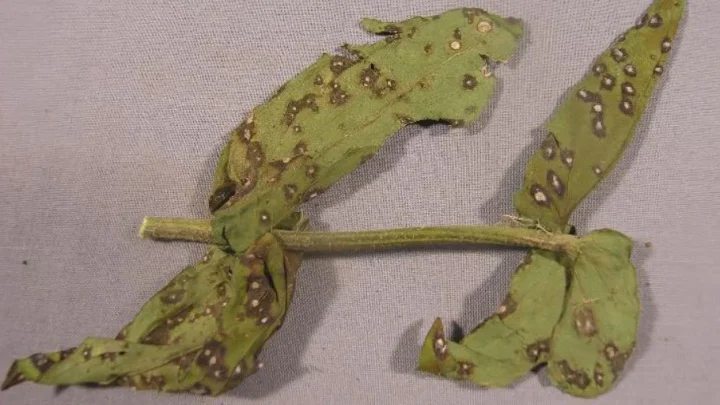
Look at the leaves first. Yellowing lower leaves paired with soggy soil points to general root rot. Brown, crispy edges usually mean fertilizer burn or salt buildup.
Stippled yellow spots indicate sap-sucking pests like spider mites or whiteflies.
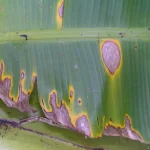
Next, examine the stem right at the soil line. Dark, sunken lesions suggest fungal stem rot or damping off. These infections choke the plant before water ever reaches the leaves.
Improving airflow and avoiding overhead watering limits this risk.
If the entire plant fell over suddenly while the soil was damp, suspect bacterial wilt caused by Ralstonia solanacearum. This pathogen clogs the xylem vessels. Water physically cannot travel up the stem anymore.
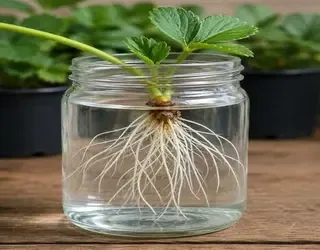
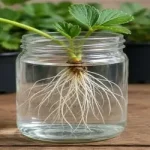
You can confirm this with a simple bacterial streaming test. Cut a lower stem section. Suspend it vertically in a clear glass of water.
Watch closely for a milky white ooze drifting downward from the cut end.
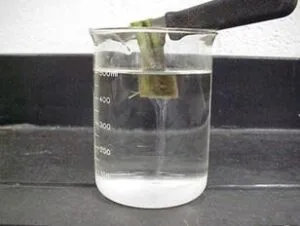
Image source: Bing (Web (fair-use with source credit))
That milky stream confirms bacterial infection. Fungal wilts like Fusarium or Verticillium behave similarly but progress slower. They leave dark brown rings inside the stem instead of green, healthy tissue.
Slice a stem open lengthwise to check the internal color.
If you find brown vascular rings or see bacterial streaming, the plant is done. There is no chemical cure for these systemic infections. Pull the plant out carefully.
Bag it tightly and put it in the trash. Never compost diseased solanaceous plants.
Sterilize your pruning tools with rubbing alcohol immediately after handling sick plants. Mechanical transmission spreads viruses and bacteria to healthy neighbors fast. Crop rotation is your only long-term defense.
Don't plant peppers, tomatoes, or eggplants in that same spot next season.
| Symptom | Likely Cause | Immediate Action |
|---|---|---|
| Dry soil, drooping leaves | Underwatering | Deep soak at the base |
| Wet soil, pale yellow leaves | Root rot / overwatering | Stop watering, improve drainage |
| Crispy brown leaf margins | Salt or fertilizer burn | Flush soil with plain water |
| Milky ooze in water glass | Bacterial wilt | Destroy plant, sanitize tools |
| Dark brown rings inside stem | Fusarium or Verticillium wilt | Remove plant, rotate crops next year |
| Tiny bugs, sticky residue | Aphids or whiteflies | Apply insecticidal soap or neem oil |
Quick Reference Guide: Matching Symptoms to the Right Fix
Decision trees work best when you have a cheat sheet handy. Use this quick reference guide whenever you spot a drooping pepper plant. It maps your observations directly to the required action.
Start with the soil moisture test. If the soil is dry, water deeply and wait two to four hours. If the plant perks up, you solved it.
If it stays limp despite wet soil, move down the list.
Check the thermometer next. Anything over 90°F means you should provide shade and wait for evening. Temporary heat stress resolves on its own once temperatures drop.
Flooding the root zone during a heat spike only causes more damage.
If temperatures are normal and moisture is perfect, inspect the physical plant. Look for pests under the leaves first. Sap-sucking insects drain the plant's energy and weaken structural integrity.
A sharp blast of water knocks aphids off easily. Follow up with neem oil if they return.
Finally, perform the stem tests if the collapse was sudden and total. The bacterial streaming test takes less than five minutes. Cutting the stem open reveals fungal discoloration instantly.
Both results tell you to stop trying to save the plant.
Keep this logic flow in mind every time you walk through the garden. Jumping straight to fungicides without checking soil moisture wastes money. Assuming drought when the soil is actually waterlogged kills roots faster.
Order matters.
Following this exact sequence eliminates guesswork. You address environmental factors first because they are free and easy to fix. You investigate biological threats last because they require drastic measures.
This keeps your response proportional to the actual threat.
Healthy plants resist pathogens much better than stressed ones. Fixing your watering habits and managing heat exposure prevents many diseases from taking hold in the first place. Prevention always beats treatment in the garden.
Mistakes That Kill Pepper Plants Faster Than the Problem Itself
Watering a diseased plant is the fastest way to kill it. If your diagnostic steps point to bacterial wilt, put the hose away immediately. Flooding an infected root zone just pushes Ralstonia solanacearum deeper into the surrounding soil.
You end up spreading the pathogen to healthy neighbors.
Overhead watering causes similar problems for fungal issues. Splashing water kicks soilborne spores directly onto lower leaves and stems. This triggers early blight and accelerates damping off in young seedlings.
Always soak the soil at the base of the plant instead.
Composting sick plants is another critical error. Fusarium and Verticillium spores survive standard backyard compost temperatures easily. When you spread that finished compost later, you reintroduce the exact disease you fought all summer.
Bag infected tissue tightly and send it to the landfill.
Fertilizing a stressed plant feels helpful but actually hurts. A wilting pepper cannot process nutrients properly because its vascular system is compromised. Pushing high nitrogen fertilizer forces weak, rapid growth that collapses even faster.
Wait until the plant recovers turgor pressure before feeding it again.
Ignoring container size limits guarantees future moisture panic. Bell peppers have massive root systems compared to their leafy tops. Verified grower feedback consistently shows higher failure rates in pots under three gallons.
Upgrade to a five gallon minimum to buffer against rapid drying.
Finally, skipping tool sanitation spreads invisible threats. Wiping pruning shears with rubbing alcohol takes ten seconds. Skipping that step transfers viral and bacterial loads from one row to the next.
Treat every cut like a medical procedure.
Frequently Asked Questions
Why is my bell pepper wilting after watering?
Soggy soil suffocates roots by displacing oxygen. Without oxygen, roots stop absorbing water entirely. The plant droops despite sitting in mud.
Let the top two inches dry out completely before watering again. Improve drainage if the soil stays wet for days.
Can a pepper plant recover from bacterial wilt?
No. Once Ralstonia solanacearum clogs the xylem vessels, the damage is permanent. No chemical treatment or extra watering will reverse it.
Pull the plant immediately to protect nearby crops. Throw it in the trash rather than your compost bin.
How long does transplant shock last in peppers?
Transplant shock usually resolves within five to seven days. Keep the seedling shaded during peak afternoon hours while it adjusts. Water lightly to keep the soil evenly moist but never soggy.
Gradually increase sun exposure as the leaves regain their firmness.
Does extreme heat permanently damage bell pepper plants?
Thermal wilt above 90°F is temporary and protective. The plant drops leaves to reduce moisture loss through evapotranspiration. Turgor pressure returns naturally once evening temperatures drop.
Provide shade cloth if daily highs stay extreme for multiple consecutive days.
What pests cause sudden wilting in pepper plants?
Aphids, whiteflies, and spider mites drain sap directly from the plant tissue. Heavy infestations weaken structural integrity and cause visible drooping. Check the undersides of leaves for sticky residue or tiny moving specks.
Treat promptly with insecticidal soap or a targeted neem oil application.
🥕 Horticulturist Recommended: Organic Vegetable Nutrition & Care
To eliminate foliage fungal diseases and boost bountiful vegetable yields naturally, our test gardens recommend organic OMRI-listed soil nutrition and gentle drip hydration:
- OMRI-Listed Organic Plant Food & Vegetable Fertilizer:Check Organic Vegetable Fertilizers on Amazon →
- Heavy-Duty Garden Soaker Hose & Drip Irrigation Kit:Check Garden Soaker Hoses on Amazon →
*FTC Disclosure: As an Amazon Associate, Home Gardening Blog earns from qualifying purchases. Learn more about our hands-on garden testing methodology.*
🌱 Related Vegetable, Fruit & Herb Care Guides:

Similar Posts