Why Are My Pumpkin Plant Leaves Turning White? Causes
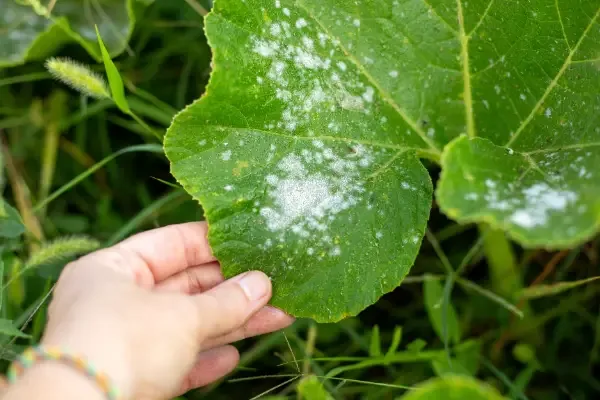
Seeing pumpkin plant leaves turning white usually signals powdery mildew or environmental stress. This fungal disease thrives in humid conditions and spreads quickly across cucurbit foliage. Sometimes the cause is simply natural aging or sun damage rather than infection.
Correct identification prevents wasted treatments and protects your harvest.
University extension research confirms powdery mildew reduces photosynthesis by up to 40% in severe cases. As of 2026, integrated pest management remains the gold standard for control. We will walk through a diagnostic workflow to pinpoint the exact cause.
Then you can apply the right fix without guessing.
Quick Answer
Pumpkin plant leaves turning white typically indicate powdery mildew infection. This fungal disease appears as dusty spots on upper leaf surfaces. Sunscald causes papery bleached patches instead of powder.
Natural aging creates uniform yellowing before whitening. Check texture and pattern to confirm the diagnosis.
Is It Mildew, Sunscald, or Just Aging? The Quick Diagnostic Check
You need a fast answer before grabbing spray bottles. Most gardeners assume fungus immediately and start treating blindly. That instinct often leads to unnecessary chemical applications or missed problems.
A thirty-second inspection tells you which path to take.
Run your finger across the white area gently. Powdery mildew feels like talcum powder and wipes off easily. Sunscald feels dry and papery with no residue transfer.
Natural senescence shows no texture change at all. This tactile test solves most confusion instantly.
Next look at where symptoms appear first. Fungal infections typically start on older lower leaves near the soil. They spread upward as spores disperse through air currents.
Sun damage hits exposed top canopy leaves facing direct afternoon light. Aging affects the oldest foliage uniformly regardless of position.
Check the weather history for the past week. Mildew favors high humidity with moderate temperatures between 50°F and 90°F. Sunscald follows intense heat waves with low moisture levels.
Senescence happens predictably as vines mature past sixty days. Environmental context validates what your eyes and fingers found.
| Symptom | Powdery Mildew | Sunscald | Natural Aging |
|---|---|---|---|
| Texture | Powdery residue | Papery and brittle | Smooth surface |
| Location | Lower leaves first | Top exposed leaves | Oldest growth only |
| Pattern | Circular spots merging | Irregular bleached patches | Uniform color fade |
| Weather Link | Humid and mild | Hot and dry | Time dependent |
| Wipes Off | Yes | No | No |
Decoding the White: Texture, Location, and Pattern Matter
Visual details separate accurate diagnoses from expensive guesses. Generic advice treats every white leaf as identical. Real troubleshooting requires reading specific symptom language.
Each cause writes its own distinct signature on the foliage.
Image source: Bing (Web (fair-use with source credit))
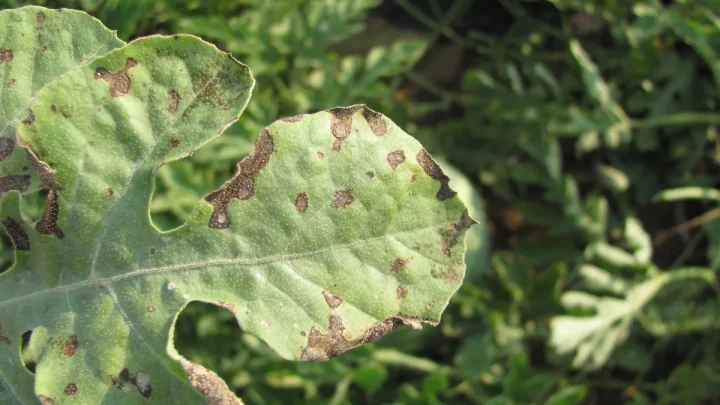
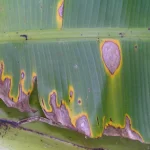
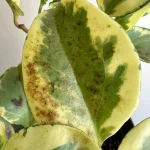
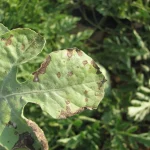
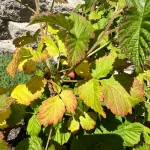
Powdery mildew begins as tiny circular colonies on upper leaf surfaces. These spots expand and merge into large felt-like mats over days. The fungus grows superficially without penetrating deep tissue initially.
You might see white growth on stems or petioles too. Lower leaves show symptoms first because spores settle from gravity and splash.
Sunscald presents differently with sharp boundaries between damaged and healthy tissue. The affected area turns bone-white or tan rather than grayish. Tissue becomes thin and translucent like parchment paper.
Damage stays fixed in place and does not spread. Only leaves directly exposed during peak UV hours show injury.
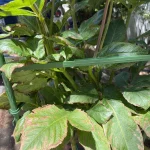
Natural senescence follows a predictable biological clock. Leaves lose chlorophyll evenly starting from margins inward. Color shifts from green to yellow then pale cream gradually.
No spots or patches form during this process. The entire leaf fades uniformly as nutrients relocate to developing fruit.
Viral mosaic diseases create another distinct pattern worth noting. Mottling appears as irregular light and dark green swirls. White areas remain flat against the leaf surface texture.
New growth emerges distorted or stunted unlike fungal cases. Vectors like aphids transmit viruses rather than environmental triggers.
Nutrient deficiencies produce interveinal chlorosis that mimics whitening. Magnesium shortage causes yellowing between veins while veins stay green. Nitrogen deficiency pales entire leaves starting with oldest growth.
Soil testing confirms nutritional issues before applying fertilizers. Visual patterns alone cannot diagnose nutrient problems reliably.
When to Treat: Managing Powdery Mildew Safely and Effectively
Confirmed powdery mildew demands timely intervention to protect yield. Waiting too long allows irreversible photosynthetic damage. Acting too early wastes inputs on minor cosmetic issues.
Timing matters as much as product selection for success.
Start treatment when fewer than five percent of leaves show symptoms. This threshold balances economic loss against input costs. Spot-treat isolated outbreaks instead of blanket spraying whole fields.
Monitor weekly during favorable weather windows for new infections. Early detection keeps management options open and effective.
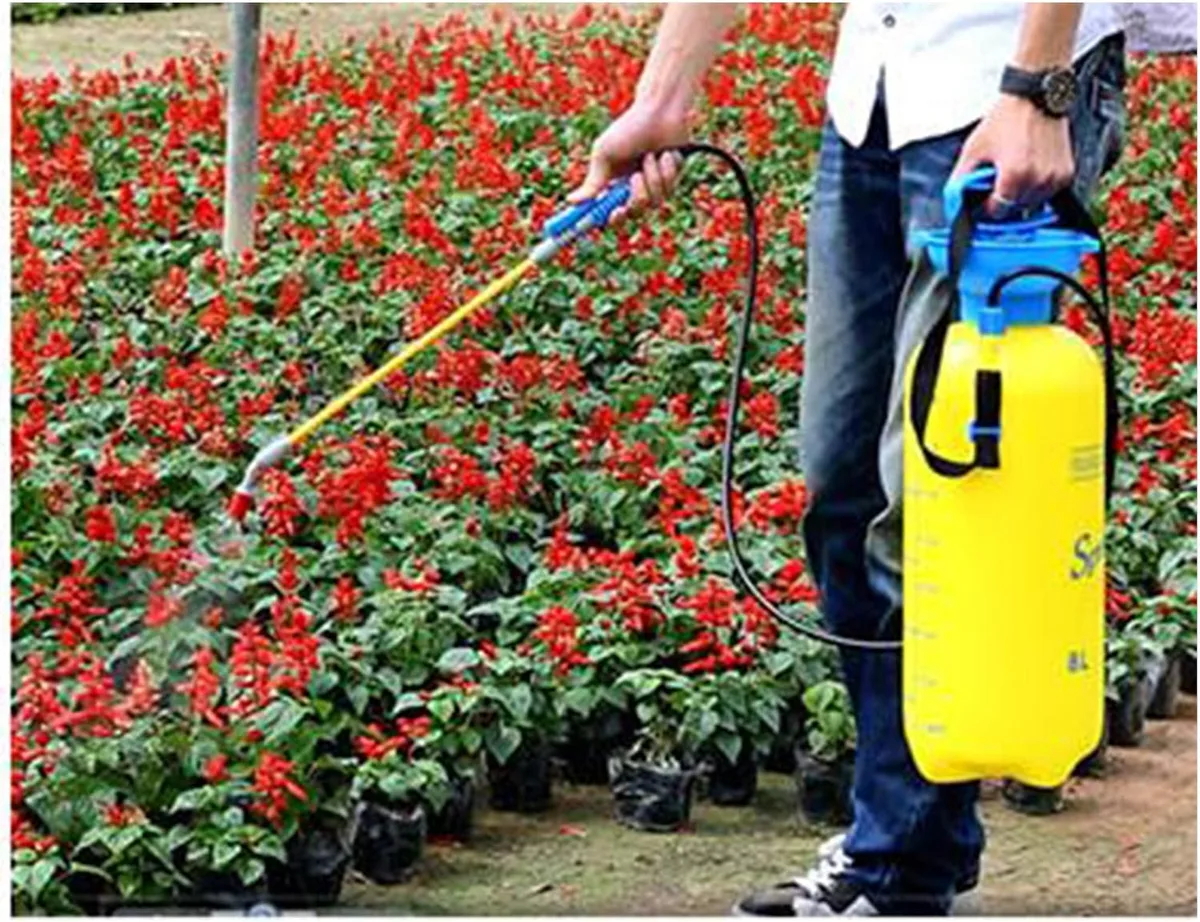
Image source: Bing (Web (fair-use with source credit))
Biofungicides offer effective prevention with minimal safety restrictions. Products containing Bacillus subtilis disrupt spore germination naturally. Apply these preventatively before visible symptoms appear.
They work best as part of rotational programs. Reapply every seven to ten days during active pressure periods.
Sulfur-based fungicides provide reliable curative action for established infections. Contact products must coat both leaf surfaces thoroughly. Avoid sulfur applications when temperatures exceed 85°F to prevent phytotoxicity.
Never mix sulfur with oil-based sprays within two weeks. Read label instructions carefully as federal law governs all pesticide use.
Horticultural oils smother existing mycelium on contact effectively. Neem oil provides additional insect suppression benefits simultaneously. Apply oils during cooler morning hours to reduce burn risk.
Coverage is critical since oils have no residual activity. Repeat applications are necessary if conditions remain favorable for disease.
Cultural controls enhance chemical efficacy and reduce dependency. Remove severely infected leaves to lower inoculum pressure. Improve airflow by pruning excess vegetation and widening spacing.
Water at soil level to keep foliage dry overnight. Sanitation breaks the disease cycle between seasons.
Rotate fungicide modes of action to prevent resistance development. Alternate between sulfur, biofungicides, and bicarbonate products. Never rely on single chemistry throughout entire season.
Resistance develops rapidly in high-pressure environments. Record application dates and products used for future planning.
When to Wait: Handling Abiotic Stress and Natural Senescence
Not every white leaf requires immediate chemical intervention. Misdiagnosing abiotic stress leads to harmful overtreatment. Some conditions resolve naturally with adjusted cultural practices.
Patience often proves more effective than reactive spraying.
Sunscald damage cannot be reversed once tissue dies. Focus protection efforts on remaining healthy foliage instead. Provide temporary shade cloth during extreme heat events.
Maintain consistent soil moisture to support plant recovery. Damaged leaves continue functioning partially until replacement growth emerges.
Natural senescence serves important physiological purposes for fruit development. Removing aging leaves prematurely robs plants of stored energy. Allow yellowing foliage to complete nutrient translocation processes.
Only remove fully brown desiccated leaves for sanitation. Trust the plant's internal resource allocation timing.
Edema appears as white crystalline scarring on leaf undersides. This condition results from rapid water uptake exceeding transpiration rates. Improving ventilation and reducing irrigation frequency resolves it.
Chemical treatments have zero effect on physiological disorders. Monitor soil moisture levels closely during cool humid periods.
Whitefly infestations deposit honeydew that supports sooty mold growth. The white appearance comes from insects themselves clustered underneath. Shake disturbed leaves to confirm flying pest presence.
Insecticidal soap targets soft-bodied pests without harming beneficials. Address the insect problem rather than treating imagined fungus.
Nutrient deficiencies require soil amendment not foliar sprays. Side-dress with balanced fertilizer based on tissue test results. Foliar feeding provides only temporary symptomatic relief.
Root zone corrections address underlying availability issues permanently. Retest soil annually to track fertility trends accurately.
Prevention Workflow: Cultural Controls That Actually Work
Prevention always costs less than cure for foliar diseases. Cultural practices create environments hostile to pathogen establishment. These methods reduce baseline pressure before chemicals become necessary.
Consistent implementation builds cumulative protective effects over seasons.
Site selection determines foundational disease risk levels. Choose locations with full sun exposure and good air drainage. Avoid low spots where cold moist air settles overnight.
Rotate cucurbits away from previous year's planting sites. Three-year rotation breaks soil-borne inoculum cycles effectively.
Resistant cultivars provide genetic protection against common strains. Varieties bred for tolerance maintain yields under pressure. Check seed catalogs for documented resistance ratings.
Combine genetic traits with cultural practices for layered defense. Resistance reduces but rarely eliminates infection risk entirely.
Drip irrigation keeps foliage dry and limits splash dispersal. Overhead watering creates ideal microclimates for spore germination. Install mulch barriers to prevent soil-to-leaf contact.
Water early morning so any accidental wetting dries quickly. Moisture management alone suppresses significant disease pressure.
Proper spacing prevents humid canopy microclimates from forming. Follow variety-specific recommendations for vine architecture. Prune selectively to open interior airflow channels.
Remove non-productive lateral shoots regularly during growth. Air movement accelerates leaf drying after rain or dew.
Sanitation removes overwintering inoculum sources from gardens. Clear all cucurbit debris immediately after final harvest. Compost diseased material only in hot active piles.
Never incorporate infected residue into garden soils. Clean tools between plants to prevent mechanical transmission.
Common Missteps That Waste Time or Hurt Your Vines
Treating natural aging as disease burns money and plant health. Fungicides cannot reverse senescence or restore dead tissue. Unnecessary sprays stress vines already allocating energy to fruit ripening.
Always confirm active pathogen presence before applying any product.
Applying sulfur during hot weather causes severe leaf burn. Temperatures above 85°F turn protective treatments into phytotoxic disasters. Damage appears within hours as scorched brown margins.
Check forecasts carefully and spray only during cool morning windows. Heat stress compounds existing problems rather than solving them.
Overhead watering at night creates perfect mildew incubation conditions. Wet foliage combined with cooling temperatures invites rapid spore germination. Switch to drip irrigation or water early in the day instead.
Leaves need time to dry completely before darkness falls. Moisture management often matters more than chemical intervention.
Ignoring label rates leads to resistance or crop injury. Doubling doses does not double effectiveness against fungal pathogens. It accelerates selection pressure for resistant strains.
Measure concentrates precisely using calibrated equipment every single time. Guesswork undermines long-term control strategies and safety compliance.
Removing too many leaves exposes developing fruit to sunburn. Defoliation reduces photosynthetic capacity needed for sugar production. Only prune severely infected or fully necrotic foliage selectively.
Maintain adequate canopy cover even during disease outbreaks. Balance sanitation needs against plant physiological requirements carefully.
Composting active mildew spreads inoculum throughout garden beds. Home compost piles rarely reach temperatures needed for pathogen kill. Bag and dispose of diseased material off-site instead.
Hot commercial facilities handle infected biomass safely. Backyard recycling reintroduces problems you just worked to eliminate.
Pumpkin Leaf Troubleshooting FAQs
Can I eat pumpkins from plants with white leaves?
Yes, the fruit remains safe to eat if properly matured. Powdery mildew affects foliage but does not infect fruit flesh directly. Harvest when rinds harden and stems cork over naturally.
Wash exterior surfaces thoroughly before cutting or storing. Severe defoliation may reduce sweetness but not safety.
Does baking soda really stop powdery mildew?
Baking soda sprays offer limited suppressive action at best. Research shows inconsistent results compared to registered fungicides. Potassium bicarbonate products perform better due to superior formulation.
Homemade mixes risk leaf burn from improper pH levels. Use proven commercial options for reliable disease management outcomes.
Should I remove all white leaves immediately?
Only remove leaves with active fungal growth or complete necrosis. Yellowing senescent leaves still transfer nutrients to developing fruit. Premature removal stresses vines and reduces final yield.
Monitor remaining foliage closely after selective pruning. Sanitation helps but balance it against plant recovery needs.
Will powdery mildew spread to other vegetables?
Yes, cucurbits like squash and cucumbers share susceptibility. Tomatoes and peppers host different mildew species entirely. Cross-contamination between plant families is biologically unlikely.
Practice crop rotation within cucurbit family specifically. Isolate new transplants until confirmed disease-free for two weeks.
How late in season should I stop treating?
Discontinue applications when fruits reach full maturity. Late-season sprays waste inputs on senescing plants anyway. Respect pre-harvest intervals listed on product labels strictly.
Focus energy on curing harvested fruit properly instead. Allow vines to complete natural lifecycle without chemical interference.

Similar Posts