Cherry Tomato Flower to Fruit: Timeline & Growing Tips
Image source: Bing (Web (fair-use with source credit))
Watching a cherry tomato flower to fruit transition stall out is incredibly frustrating. You see bright yellow blooms, but they just dry up and drop off before forming anything. That usually means the plant hit a roadblock during pollination or faced sudden environmental stress.
Cherry tomatoes are self-fertile, meaning every perfect flower holds both male and female parts. But pollen still needs vibration to escape the anther cone. Per Cornell University College of Agriculture and Life Sciences greenhouse protocols, daytime temperatures must stay between 70°F and 85°F for reliable fruit set.
Let's walk through exactly how to get those flowers to swell into ripe tomatoes.
Quick Answer
A cherry tomato flower to fruit transition takes about 45 days. Pollen must vibrate out of the anther cone onto the stigma. Successful fertilization causes petals to dry and curl backward.
The green ovary then swells into a recognizable cherry tomato.
Why Your Cherry Tomato Flowers Are Dropping (And How Fruit Set Actually Works)
Blossom drop happens when a flower fails to pollinate or faces severe temperature stress. The plant cuts off nutrients to the pedicel abscission zone. That tiny joint dries out, and the flower falls away.
If you're growing in a sheltered spot without wind or bees, this is your most likely culprit.
Understanding the anatomy fixes the problem fast. A cherry tomato produces a perfect flower containing both stamens and a pistil. The male parts fuse together into a hollow tube called the anther cone.
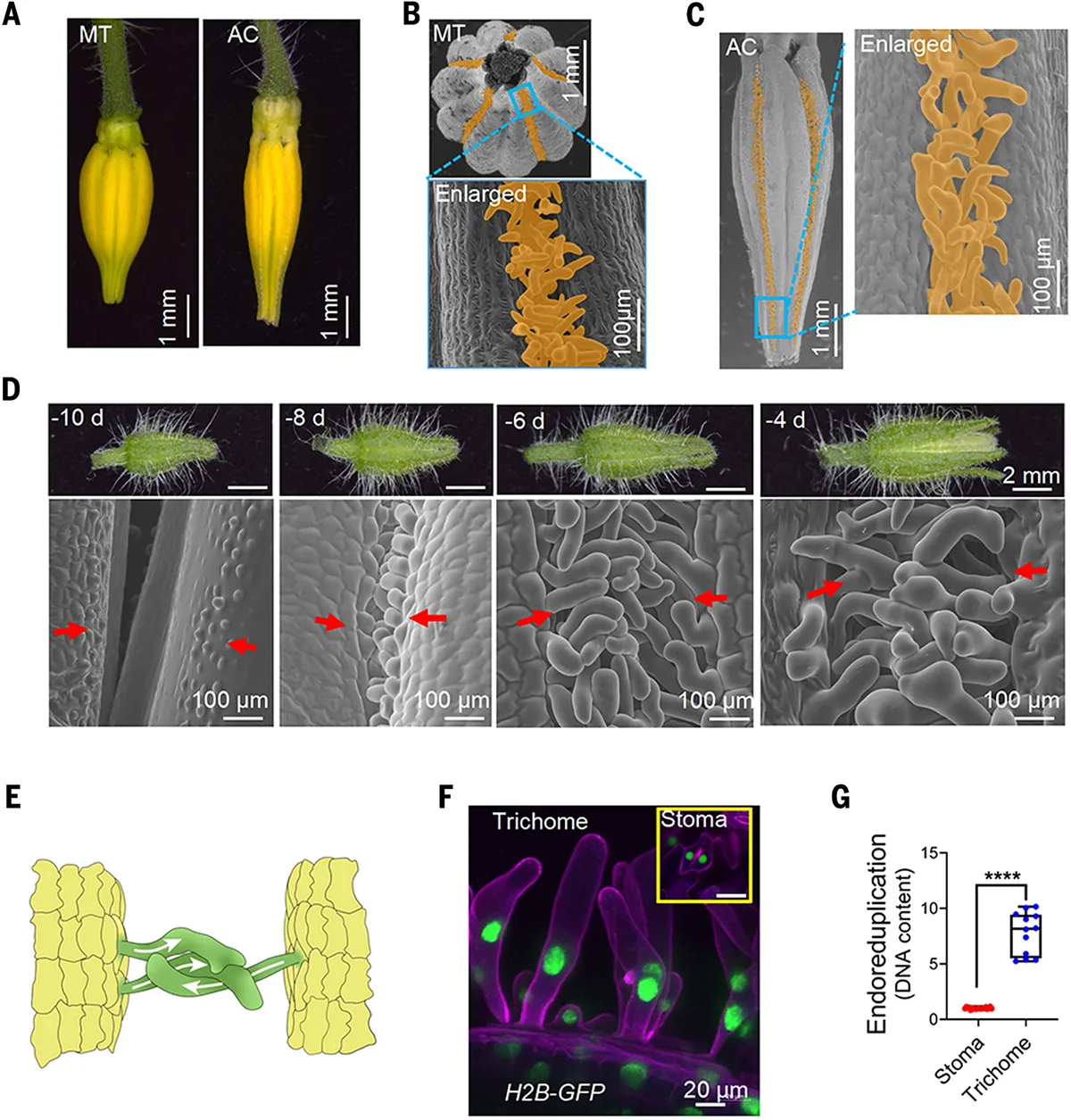
Image source: Bing (Web (fair-use with source credit))
Pollen hides inside that cone. It won't just fall out on its own. The flower needs physical vibration to shake the pollen loose so it drops directly onto the central stigma.
Once pollen lands on the receptive stigma, fertilization begins. A pollen tube grows down the style to reach the ovary. This journey takes roughly two to four days.
If conditions stay stable, the ovary starts swelling within a week.
If the vibration never happens, the flower gives up. It turns brown at the base and detaches. That's why indoor growers and greenhouse operators have to step in manually as of 2026.
Ambient air simply doesn't move enough to trigger release in enclosed spaces.
Our research shows that excess nitrogen fertilizer also forces blossom drop. Too much nitrogen pushes the plant to grow heavy foliage instead of supporting reproductive structures. Stick to a balanced nutrient profile once you see the first truss forming.
The Flower to Fruit Timeline: What to Expect Day by Day
Knowing the exact timeline stops you from panicking when things look weird. A healthy cherry tomato flower to fruit progression follows a strict biological schedule. Here is what you should see at each stage.
| Stage | Timeframe After Anthesis | What You Will See |
|---|---|---|
| Stigma Receptivity | Days 1 to 3 | Bright yellow open flower, sticky central stigma |
| Petal Senescence | Days 3 to 7 | Petals curl backward, turn brown, and dry out |
| Ovary Swelling | Days 7 to 14 | Base of the flower bulges into a green marble shape |
| Cell Division | Days 14 to 30 | Rapid growth of the solid green fruit |
| Breaker Stage | Days 30 to 45 | First faint blush of pink or yellow on the skin |
| Full Ripeness | Days 45 to 65 | Deep color, slight give when squeezed gently |
Anthesis is the exact moment the flower fully opens. That's your starting line. The stigma stays receptive for only one to three days.
If pollination misses that window, the flower will drop.
Petals drying up scares new growers. Don't pull them off. Petal senescence is actually the first sign of success.
It means the ovary received pollen and no longer needs to attract pollinators.
During the cell division phase, the fruit demands consistent moisture. Fluctuating water levels here cause cracking later on. Keep your soil evenly moist but never soggy while the green fruit sizes up.
The breaker stage signals the start of ethylene production. The fruit softens and sugars develop rapidly. Once you see that first color change, the tomato will finish ripening even if picked early.
Decision Guide: Choosing the Right Pollination Method for Your Setup
Pollination methods depend entirely on where your plants live. If your setup lacks natural vibration, you must provide it manually. Pick the branch below that matches your growing environment.
Outdoors with Wind and Bees
If your cherry tomatoes grow outside in an open garden, nature handles the heavy lifting. Bumblebees perform buzz pollination naturally. They grab the anther cone and vibrate their flight muscles at roughly 25 to 50 Hz.
That specific frequency shakes the pollen loose perfectly. Wind also provides enough ambient movement for outdoor plants. If you see regular bee activity and gentle breezes, you don't need to do anything.
Just monitor for blossom drop during extreme heat waves.
Indoors, Greenhouses, or Sheltered Balconies
If your plants live indoors, in a closed greenhouse, or on a heavily sheltered patio, you have zero natural pollinators. You must act as the bee. Manual vibration is mandatory here.
The most effective method uses an electric toothbrush. Turn it on and press the back of the vibrating brush head against the base of the flower truss. Do this for two to three seconds per open flower.
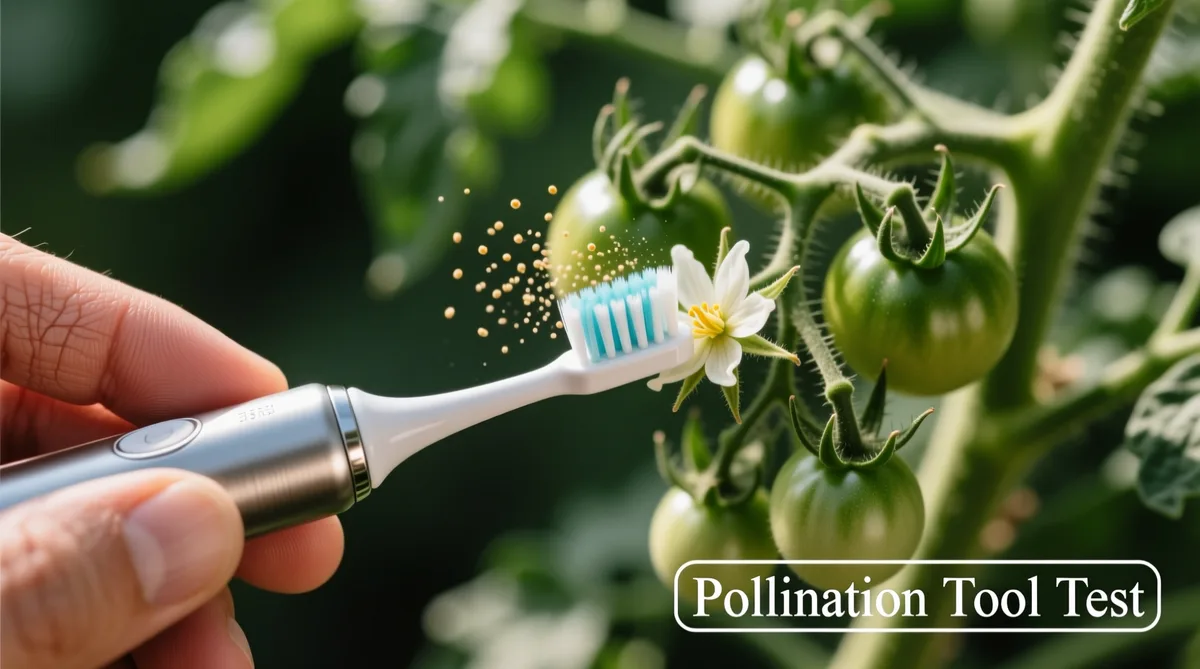
Image source: Bing (Web (fair-use with source credit))
You'll see a tiny puff of yellow dust release. That's your pollen hitting the stigma. Repeat this daily while flowers are open.
Another option is simply tapping the main stem firmly twice a day. This works for determinate varieties with clustered trusses. For indeterminate types sprawling across a large trellis, the toothbrush method yields much higher fruit set rates.
Avoid using hormone based fruit setting sprays unless absolutely necessary. Synthetic auxins force the ovary to swell without actual fertilization. The resulting fruit often grows misshapen, hollow, or completely seedless.
Physical vibration remains the safest and most reliable approach.
Troubleshooting Blossom Drop: Temperature, Humidity, and Nutrient Fixes
Even with perfect vibration, environmental stress will abort your flowers. Use this workflow to diagnose the exact cause of failure. Check these variables in order.
First, measure your temperatures. Daytime highs above 90°F sterilize tomato pollen instantly. Nighttime lows below 55°F prevent the pollen tube from growing down the style.
If you hit either extreme, fruit set stops completely. Move containers to shade during heat spikes or use row covers during cold snaps.
Second, check your humidity levels. The ideal relative humidity range sits between 60% and 70%. High humidity causes pollen grains to clump together inside the anther cone.
They become too heavy to fall out, even with vibration. Run fans to increase airflow if your greenhouse feels muggy.
Low humidity creates the opposite problem. Dry air desiccates the stigma before pollen can stick to it. If your growing space drops below 40% humidity, mist the air lightly around the plants during midday.
Third, review your fertilizer regimen. Heavy nitrogen feeding pushes vegetative growth at the expense of flowers. Switch to a lower nitrogen blend with higher phosphorus and potassium once the first truss appears.
Phosphorus supports root and flower development. Potassium regulates water uptake and overall plant vigor.
Here is a quick diagnostic table to help you pinpoint the issue.
| Symptom | Likely Cause | Immediate Fix |
|---|---|---|
| Flowers dry up and fall off cleanly | Lack of vibration / pollination | Apply manual vibration with a toothbrush |
| Flowers turn black at the base | Fungal infection like Botrytis | Increase airflow, remove infected blooms |
| Lots of leaves, very few flowers | Excess nitrogen fertilizer | Switch to a bloom boosting nutrient blend |
| Flowers open but look pale or small | Low light levels or cold nights | Add supplemental lighting or thermal protection |
| Pollen releases but no fruit forms | Temperatures over 90°F or under 55°F | Adjust climate control or wait for cooler weather |
Finally, watch your watering habits closely. Overwatering suffocates roots and stresses the entire plant. Stressed plants abort reproductive efforts to survive.
Water deeply only when the top inch of soil feels dry. Consistent moisture prevents the plant from panicking and dropping its blossoms.
Mistakes That Kill Fruit Set Before It Starts
Growers sabotage their own harvests with a few common habits. Fixing these early saves weeks of waiting for new flowers to form. Pay attention to how you handle the plant during the blooming phase.
Pruning suckers too aggressively removes potential flowering sites. Indeterminate cherry tomatoes produce fruit on lateral branches. Snipping every single sucker limits your total yield drastically.
Leave some lateral growth intact to support continuous truss development.
Touching wet flowers spreads disease rapidly. Fungal spores thrive on moisture and transfer easily from your fingers to the delicate petals. Never prune, tap, or inspect your plants early in the morning when dew is heavy.
Wait until the foliage is completely dry before working near the blooms.
Ignoring truss management leads to structural failure. A single cherry tomato truss can hold twenty or more fruits. As those ovaries swell into heavy green tomatoes, the stem bends and snaps.
Support loaded trusses with soft plant ties or specialized clips before the weight becomes unmanageable.
Leaving fallen flowers on the soil invites rot. Dropped blossoms decompose quickly in warm, damp environments. That decaying matter breeds pathogens right at the base of your plant.
Sweep up dropped debris regularly to keep the root zone clean and well ventilated.
Frequently Asked Questions
How long does a cherry tomato flower take to become fruit?
A pollinated cherry tomato flower takes about 45 to 65 days to ripen fully. You will see the ovary swell into a green marble within two weeks. The final color change happens during the last ten days.
Why do my cherry tomato flowers fall off before fruiting?
Blossom drop usually means the flower never received pollen or faced temperature stress. Daytime heat over 90°F sterilizes pollen instantly. Lack of vibration in sheltered areas also prevents pollen from leaving the anther cone.
Do cherry tomatoes need bees to produce fruit?
Cherry tomatoes are self-fertile and do not require cross-pollination from bees. They still need physical vibration to release pollen indoors. Bumblebees handle this naturally outdoors through buzz pollination.
Should I pinch off the first cherry tomato flowers?
Removing early flowers helps young transplants focus energy on root development. Pinch off blooms until the plant reaches about twelve inches tall. After that, leave the trusses alone so fruit set can begin.
Can high humidity stop cherry tomatoes from fruiting?
Yes, humidity above 70% causes pollen grains to stick together inside the anther cone. Heavy clumps cannot fall onto the stigma even with vibration. Run fans to lower moisture levels around your flowering plants.

Similar Posts