Why Your Bell Pepper Plants Are Wilting & How to Fix It
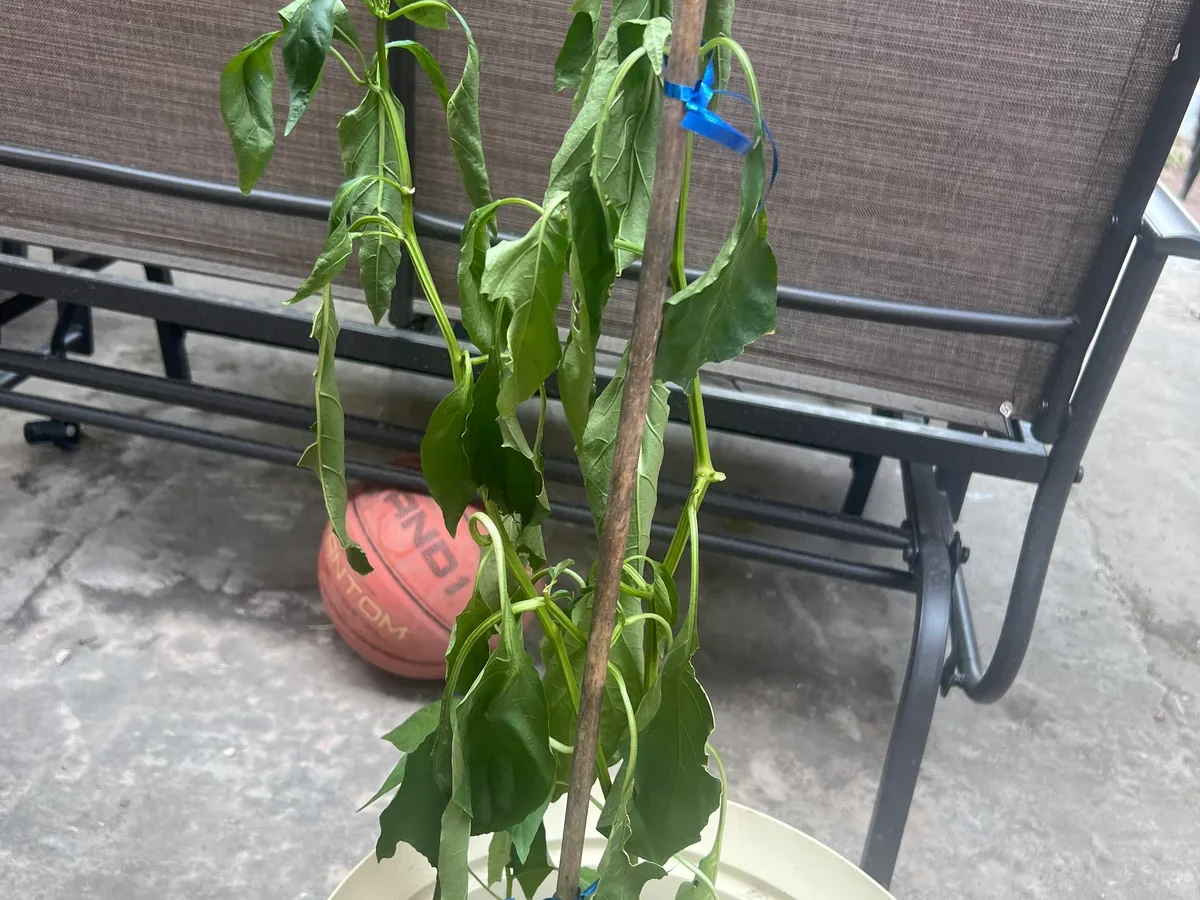
Bell pepper plants wilting is a distress signal that demands immediate diagnosis rather than guesswork. You need to identify whether the cause is environmental stress or a fatal pathogen before taking action. Applying water to a plant suffering from bacterial wilt only accelerates its decline and risks spreading disease.
Most pepper varieties require 1 to 2 inches of water weekly, but soil moisture alone rarely tells the full story. As of 2026, extension research confirms that accurate triage relies on observing symptom timing and stem condition. This diagnostic workflow helps you pinpoint the exact trigger so you can save your harvest.
Quick Answer
Bell pepper plants wilting signals water deficit, heat stress, or vascular disease. Check soil moisture first to rule out drought or overwatering. Observe if leaves recover overnight to distinguish environmental stress from pathogens.
Inspect stems for internal browning indicating bacterial or fungal infection. Act immediately based on these specific diagnostic findings.
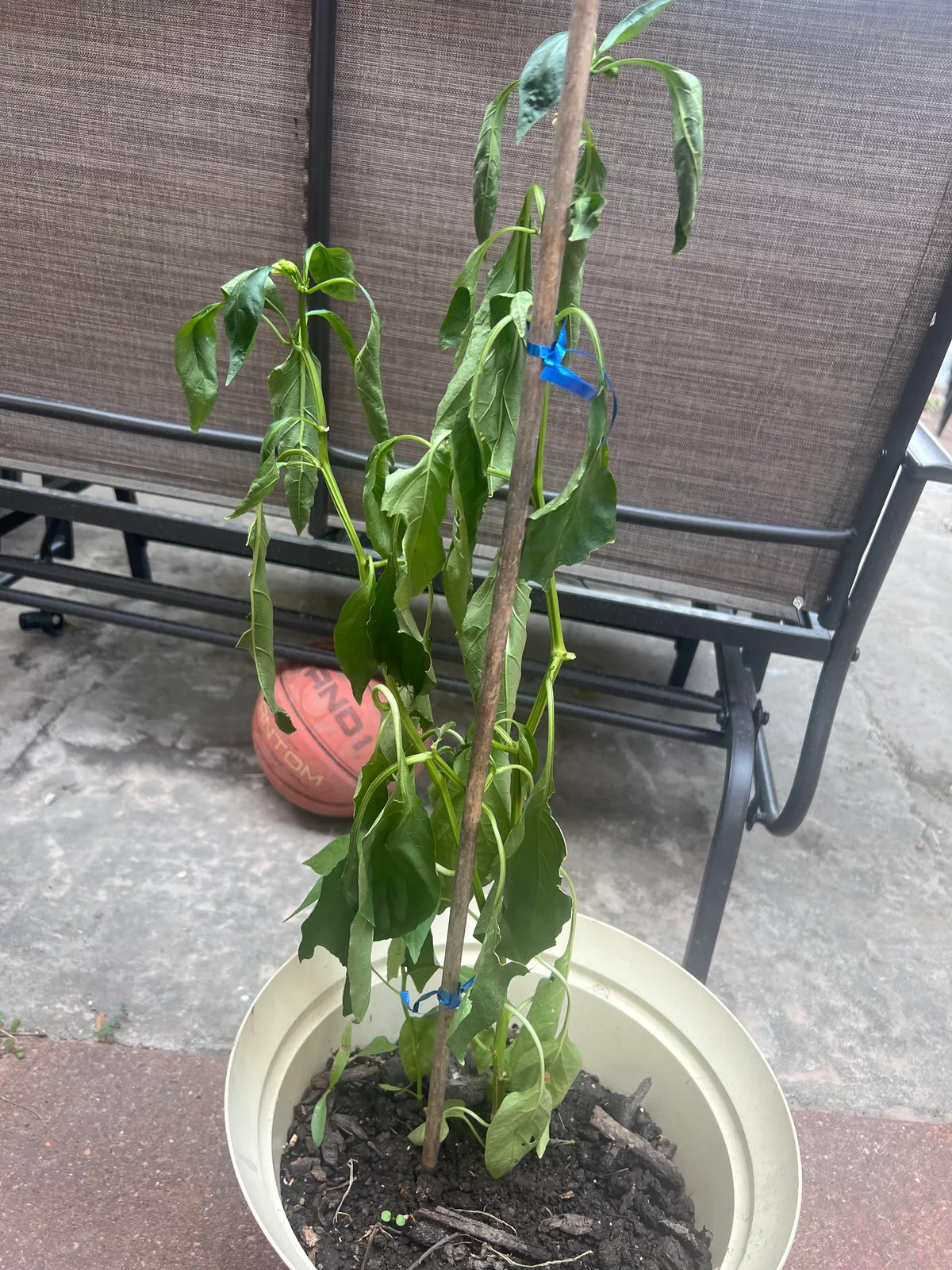
Image source: Bing (Web (fair-use with source credit))
The Wilting Diagnostic: Is It Water, Heat, or Disease?
Wilting occurs when water loss through transpiration exceeds uptake by the roots. This turgor pressure loss makes stems and leaves collapse visibly. The underlying trigger determines whether your plant needs water, shade, or removal.
Misidentifying this trigger is the most common reason gardeners lose peppers.
Physiological vs. Pathological Causes
Physiological wilting stems from environmental factors like drought or extreme heat. These issues are typically reversible once conditions improve. Pathological wilting results from vascular diseases blocking water transport internally.
These infections are often fatal and require containment to protect nearby crops.
Distinguishing between them starts with observation timing. Environmental wilt usually worsens during peak afternoon heat and recovers by morning. Pathological wilt persists regardless of temperature or time of day.
If your plant looks collapsed at 8 AM after a cool night, suspect disease over simple thirst.
Key Visual Indicators
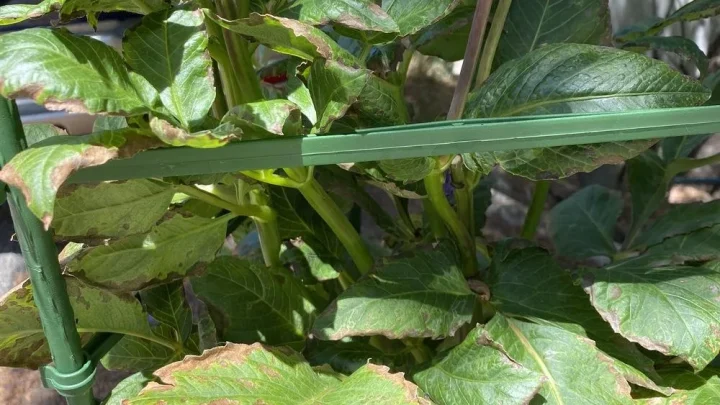
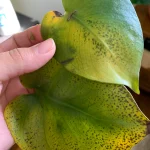
Leaf behavior provides the first major clue in diagnosis. Drooping leaves that remain green suggest temporary water stress. Yellowing or browning leaves accompanying wilt point toward root rot or nutrient lockout.
Rapid collapse with green foliage still attached often signals bacterial wilt.
Stem inspection offers definitive confirmation for vascular issues. Scratch the outer layer near the soil line gently. Healthy tissue appears white or pale green underneath.
Brown or black streaks in the cambium layer confirm systemic infection requiring immediate plant removal.
Step-by-Step Triage Workflow for Wilted Peppers
Effective triage follows a strict sequence to avoid misdiagnosis. Start with non-invasive checks before disturbing roots or cutting stems. This methodical approach prevents spreading pathogens while gathering evidence.
Rushing straight to treatment without diagnosis wastes resources and risks crop loss.
Phase One: Observation and Timing
Monitor the plant across a full 24-hour cycle first. Note whether wilting correlates with midday temperatures above 90°F. Record recovery patterns after sunset or irrigation events.
This baseline data separates reversible stress from permanent damage before you intervene physically.
Check recent weather history and irrigation records simultaneously. Heavy rain followed by sudden heat creates ideal conditions for root rot. Extended dry spells combined with wind increase transpiration demand beyond root capacity.
Contextualizing symptoms against environmental history improves diagnostic accuracy significantly.
Phase Two: Physical Assessment Protocol
Perform the finger test at multiple depths around the root zone. Surface moisture can be misleading if deeper soil remains bone dry. Insert your index finger to the second knuckle minimum.
Consistent dampness at depth rules out underwatering as the primary cause.
Examine drainage characteristics if soil feels saturated. Dig a small test hole six inches deep near the plant base. Watch how quickly water pools or drains away within minutes.
Standing water indicates compaction or clay layers suffocating roots through hypoxia rather than drought stress.
Phase Three: Decision Point Evaluation
Compare your findings against known symptom profiles systematically. Match observed patterns to specific diagnostic branches below. Avoid treating multiple potential causes simultaneously as this obscures results.
Commit to one hypothesis based on strongest evidence before acting.
Document your assessment findings briefly for future reference. Note soil condition, time of day, and visible symptoms clearly. This record helps track treatment response over subsequent days.
Accurate documentation also aids extension agents if professional diagnosis becomes necessary later.
Branch 1: Soil Moisture and Root Health Assessment
Soil moisture status determines your first critical decision branch. Dry soil points toward irrigation deficits or root binding. Wet soil suggests overwatering, poor drainage, or root rot pathogens.
Each scenario requires fundamentally different corrective actions despite identical above-ground symptoms.
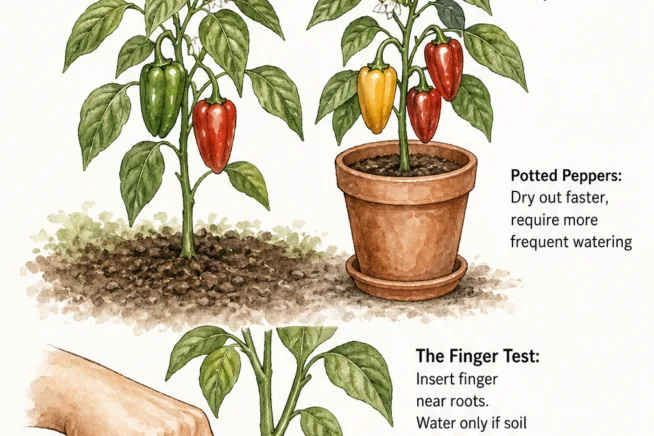
Image source: Bing (Web (fair-use with source credit))
Diagnosing Underwatering and Root Binding
Dry soil combined with wilt confirms simple water deficit. Check container-grown peppers for root circling at pot edges. Bound roots cannot expand to access available moisture efficiently.
Repotting or root pruning may be necessary alongside adjusted watering schedules.
In-ground plants showing dry soil wilt need deep irrigation verification. Shallow sprinkler runs often fail to wet the full root zone. Use a soil probe or long screwdriver to check moisture penetration depth.
Water should reach at least six inches below surface for established peppers.
Identifying Overwatering and Root Rot
Saturated soil with persistent wilt indicates root dysfunction rather than surplus. Roots deprived of oxygen cannot absorb water regardless of availability. This paradox makes overwatered plants look identical to thirsty ones.
Smell the soil for sour or rotten odors confirming anaerobic conditions.
Gently expose upper roots to inspect color and texture directly. Healthy pepper roots appear white or cream-colored and firm. Brown, mushy, or slimy roots confirm active rot infection.
Fungal pathogens like Phytophthora thrive in these waterlogged conditions and spread rapidly through saturated soil.
Corrective Actions for Moisture Issues
Underwatered plants respond quickly to thorough soaking within hours. Apply water slowly to allow absorption rather than runoff. Mulch heavily afterward to retain moisture and moderate soil temperature.
Recovery should be visible by next morning if roots remain viable.
Overwatered specimens require immediate drainage improvement and drying. Stop all irrigation until soil reaches appropriate moisture tension. Aerating compacted soil with a garden fork introduces oxygen to rescue suffocating roots.
Severely rotted plants may not recover and should be removed to prevent pathogen spread.
Branch 2: Environmental Stress vs. Vascular Pathogens
When soil moisture reads normal yet wilting persists, investigate environmental or pathological causes. High vapor pressure deficit overwhelms even healthy root systems temporarily. Vascular diseases physically block xylem vessels preventing water transport permanently.
Distinguishing these requires careful symptom analysis beyond basic soil checks.
Heat Stress and Vapor Pressure Deficit
Extreme heat combined with low humidity drives excessive transpiration rates. Plants close stomata to conserve water, halting photosynthesis and growth. Temporary midday wilt under these conditions is protective, not pathological.
Leaves typically recover fully once evening temperatures drop below critical thresholds.
Provide temporary shade during peak afternoon hours to reduce stress. Row cover or shade cloth lowers leaf temperature significantly without blocking airflow. Ensure adequate spacing between plants to maintain air circulation.
Consistent mulching buffers soil temperature swings and reduces evaporative demand from root zone.
Recognizing Bacterial and Fungal Wilt Diseases
Persistent wilt unresponsive to environmental modification signals vascular infection. Bacterial wilt caused by Ralstonia solanacearum progresses rapidly in warm humid climates. Affected plants collapse completely within days while remaining green.
Cutting infected stems reveals brown vascular discoloration and sometimes milky bacterial streaming in water.
Fungal wilts from Fusarium or Verticillium develop more gradually over weeks. Lower leaves yellow and die progressively upward while upper canopy wilts. These pathogens survive years in soil making replanting risky without rotation.
Cornell University Vegetable MD Online provides detailed regional pathogen identification guides for accurate confirmation.
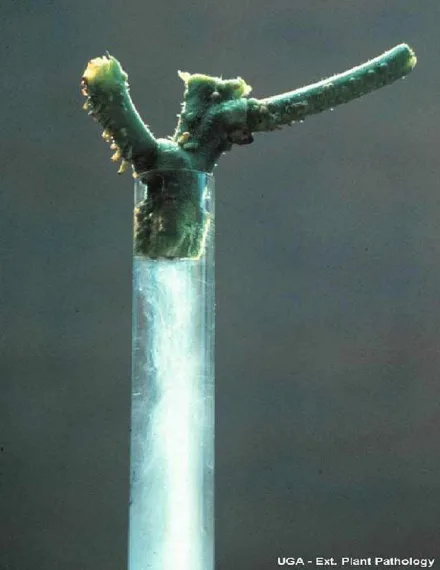
Image source: Bing (Web (fair-use with source credit))
Disease Management and Containment Protocols
Infected plants cannot be cured and must be removed immediately. Bag specimens carefully at ground level to minimize soil disturbance. Never compost diseased material as pathogens survive standard decomposition temperatures.
Dispose of infected plants through municipal waste or burning where permitted locally.
Sterilize all tools used near infected plants before touching healthy specimens. Ten percent bleach solution or seventy percent alcohol effectively kills vascular pathogens. Rotate solanaceous crops away from contaminated beds for minimum three years.
Consider resistant cultivars or grafted plants for future seasons in problem areas.
Immediate Action Plan Based on Your Diagnosis
Your response must match the specific cause identified during triage. Treating heat stress like fungal wilt wastes critical recovery time. Each diagnosis has a distinct protocol that targets the root problem directly.
Following the wrong path often causes more harm than the original issue.
Correcting Environmental and Cultural Issues
Adjust irrigation based on verified soil moisture readings rather than schedules. Deep watering encourages roots to grow downward where temperatures stay stable. Apply organic mulch two to three inches thick around plants.
This buffers soil temperature and reduces surface evaporation significantly during hot spells.
Provide temporary shade when temperatures exceed 90°F for extended periods. Use thirty percent shade cloth or row cover supported by hoops. Ensure adequate airflow underneath to prevent humidity buildup near foliage.
Remove shading once temperatures normalize to restore full photosynthetic capacity.
Managing Pathogen Infections Safely
Remove confirmed bacterial or fungal wilt cases immediately upon diagnosis. Cut stems at soil level without pulling roots to minimize soil disturbance. Place infected material directly into sealed bags for disposal.
Never compost diseased tissue as pathogens survive standard decomposition processes.
Sterilize pruning tools between every cut near suspect plants. Dip blades in ten percent bleach solution or seventy percent alcohol. Wipe dry before making the next cut to prevent cross-contamination.
Wash hands thoroughly after handling infected specimens before touching healthy peppers.
Monitoring Recovery Progress
Track plant response daily for seven days following intervention. Environmental corrections should show visible improvement within forty-eight hours. Lack of recovery suggests misdiagnosis or secondary complications requiring reassessment.
Document changes in turgor pressure and leaf color systematically.
Continue preventive measures even after symptoms resolve completely. Consistent moisture management prevents recurrence of physiological wilt. Maintain sanitation protocols throughout the growing season to limit pathogen spread.
Vigilance during stress periods protects your remaining crop from future losses.
Common Mistakes That Make Pepper Wilt Worse
Gardeners often accelerate decline through well-intentioned but misguided responses. Adding water to already saturated soil suffocates remaining functional roots. Applying fertilizer to stressed plants burns damaged root systems further.
These errors compound the original problem and reduce recovery chances dramatically.
Overcorrecting Moisture Levels
Watering on a fixed schedule ignores actual plant needs and soil conditions. Rainfall events and humidity shifts change moisture requirements daily. Always verify soil status physically before adding more water.
Soggy soil kills peppers faster than brief dry periods in most cases.
Failing to improve drainage perpetuates root rot cycles indefinitely. Raised beds or mounded rows elevate root zones above wet areas. Amending heavy clay soils with coarse compost increases pore space permanently.
Without structural changes, overwatering problems return with every significant rain event.
Misapplying Treatments and Amendments
Fungicides cannot cure established vascular infections inside stems. These products only protect healthy tissue from new spore exposure. Spraying infected plants wastes money and delays proper removal.
Reserve chemical controls for prevention in high-risk environments only.
High-nitrogen fertilizers push soft growth that wilts easily under stress. Stressed plants need balanced nutrition or none until recovered. Flush salt-accumulated container soils with plain water first.
Resume feeding at half strength only after new growth appears healthy.
Ignoring Secondary Stress Factors
Pest damage to roots or stems mimics disease symptoms closely. Check for thrips, borers, or nematode galls during assessment. Treating wilt alone misses these contributing pressures entirely.
Integrated pest management supports overall plant resilience against environmental challenges.
Neglecting nearby weed hosts allows pathogens to persist between seasons. Solanaceous weeds harbor bacterial wilt and viruses silently. Maintain clean borders around pepper plantings year-round.
Crop rotation breaks disease cycles that monoculture practices reinforce continuously.
Frequently Asked Questions About Reviving Peppers
Can overwatered pepper plants recover fully?
Recovery depends on how long roots remained saturated and oxygen-deprived. Mild cases respond within days once soil dries appropriately. Severe root rot often proves fatal despite corrective measures.
Early detection and immediate drainage improvement offer the best survival odds.
Why do my peppers wilt only in afternoon sun?
Midday wilting indicates transpiration exceeding root uptake capacity temporarily. This physiological response protects leaves from desiccation damage. Plants typically recover overnight as vapor pressure deficit drops.
Provide shade or increase mulching if collapse persists past sunset regularly.
How do I distinguish bacterial wilt from fusarium wilt?
Bacterial wilt causes rapid total collapse while leaves remain green. Fusarium progresses slowly with lower leaf yellowing preceding upper wilt. Cutting stems reveals brown streaks in both diseases.
Bacterial infections often produce milky streaming when placed in clear water.
Should I remove wilted peppers from my garden immediately?
Remove only confirmed pathogen cases to prevent spreading infection. Environmental stress victims deserve recovery attempts first. Monitor unresponsive plants for three days maximum.
Persistent decline without improvement warrants removal regardless of initial diagnosis uncertainty.
Does transplant shock cause permanent wilting?
Transplant shock typically resolves within one to two weeks post-planting. Temporary wilting during establishment is normal and expected. Consistent moisture and wind protection support root regeneration.
Permanent collapse suggests planting depth errors or pre-existing disease rather than shock.

Similar Posts