What Is Eating My Radishes? Identify Pests & Stop Damage
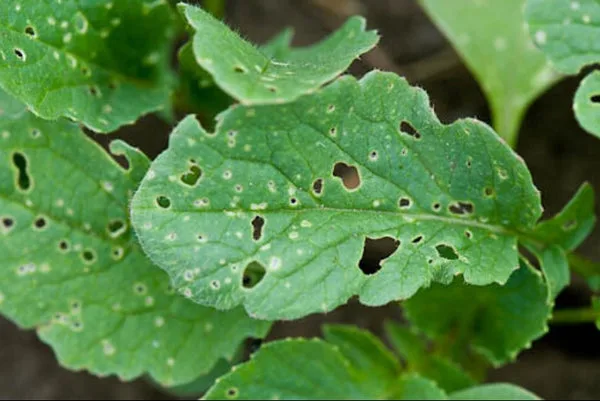
Figuring out what is eating my radishes starts with inspecting the specific damage pattern on leaves or roots. Different pests leave distinct signatures that tell you exactly where to look and how to treat. You can stop guessing and start solving by matching symptoms to the culprit.
Most spring radish varieties mature in 25 to 30 days, so early pest detection is critical for saving your crop. University extension research confirms that identifying the feeding location above or below ground dictates whether foliar sprays or soil treatments will actually work. Let’s break down the diagnostic process so you can protect your harvest.
Quick Answer
Flea beetles cause tiny shot holes in radish leaves. Cabbage root maggots tunnel inside the radish bulb. Slugs leave irregular holes and silvery slime trails.
Cutworms sever young stems at the soil line. Identify the specific damage type before applying any treatment.
Quick Symptom Check: Match the Damage to the Pest
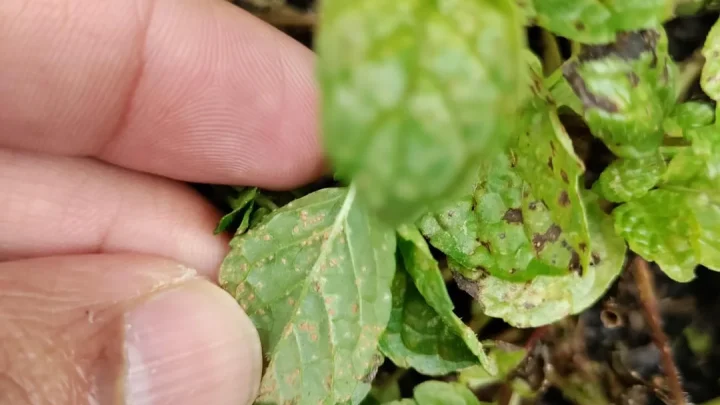
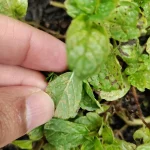
Identifying the pest requires matching visible injury to known feeding behaviors. If you see dozens of tiny round holes across leaves, flea beetles are likely responsible. These small black insects jump when disturbed and target young brassica foliage aggressively.
If the radish root itself has winding tunnels or brown streaks, suspect cabbage root maggots. The adult fly lays eggs at the base of the plant, and larvae burrow downward. Above-ground wilting often accompanies this hidden root damage even when soil moisture is adequate.
Irregular ragged edges on leaves usually point to slugs or snails rather than insects. Check for silvery slime trails on soil or nearby mulch during morning inspections. Caterpillars like imported cabbageworms also chew leaf edges but leave behind dark green frass pellets.
Stems severed cleanly at ground level indicate cutworm activity. These nocturnal larvae curl into a C-shape just beneath the soil surface. They typically strike seedlings within the first two weeks after emergence.
| Damage Type | Likely Pest | Time Active | Primary Location |
|---|---|---|---|
| Tiny shot holes | Flea Beetle | Daytime | Leaves |
| Root tunnels | Cabbage Root Maggot | Continuous | Below soil |
| Ragged leaf edges | Slugs/Snails | Night/Dawn | Foliage/Soil |
| Severed stems | Cutworms | Night | Soil line |
| Curled yellow leaves | Aphids | Daytime | Underside of leaves |
Above-Ground Pests: Identifying Leaf and Stem Feeders
Flea beetles are the most common foliar threat to radishes as of 2026. Their signature damage consists of hundreds of pinhead-sized holes scattered across cotyledons and true leaves. Heavy infestations can stunt growth or kill seedlings outright before roots develop.
Image source: Bing (Web (fair-use with source credit))
Imported cabbageworms and diamondback moth larvae create larger irregular chewing damage. You will often find the green caterpillars resting on leaf undersides or near the plant crown. Diamondback larvae drop on silk threads when disturbed, which helps distinguish them from other species.
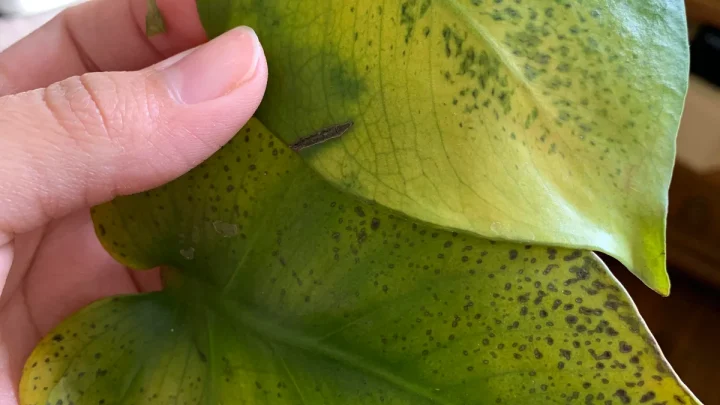
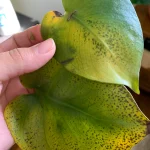
Aphids cluster densely on new growth and leaf undersides rather than chewing tissue. Their sap-feeding causes leaf curling, yellowing, and stunted development. Sooty mold may develop on the honeydew they excrete, further reducing photosynthesis.
Cutworms operate exclusively at night and hide in soil during daylight hours. Scout with a flashlight after dusk to catch them actively feeding. Hand-picking remains effective for small gardens since populations rarely explode overnight.
Harlequin bugs sometimes attack radishes in warmer climates, leaving white or yellow blotches. These shield-shaped stink bug relatives suck plant juices rather than chewing. Their damage resembles sunscald but appears in patterns unrelated to light exposure.
Below-Ground Threats: Diagnosing Root Tunneling and Wilting
Cabbage root maggots are the primary underground pest for radishes in cool spring soils. Adult flies emerge when soil temperatures reach approximately 50°F and lay eggs near plant stems. Larvae hatch within days and immediately begin boring into taproots.
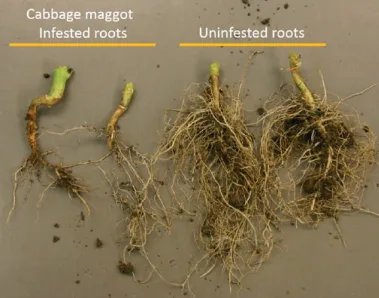
Image source: Bing (Web (fair-use with source credit))
Infested radishes show secondary rot entering through maggot entry wounds. The flesh becomes riddled with brown tunnels that render roots unmarketable and inedible. Above ground, plants may wilt suddenly despite adequate watering because root function is compromised.
Wireworms also tunnel into radish roots but create narrower straight channels. These click beetle larvae prefer moist organic soils and persist for multiple seasons. Damage often goes unnoticed until harvest reveals ruined roots.
Root-knot nematodes cause galling or swelling rather than discrete tunnels. Affected radishes appear forked, knobby, or stunted compared to healthy neighbors. Soil testing through university extension services confirms nematode presence before planting future crops.
Symmetrically cracked radishes without insect traces usually indicate abiotic stress rather than pests. Inconsistent watering or rapid growth spurts cause physiological splitting. Distinguishing biotic from abiotic damage prevents unnecessary pesticide applications.
The Diagnostic Workflow: A Step-by-Step Scouting Guide
Start every scouting session by examining the whole plant from soil line to leaf tip. Note whether damage concentrates on older lower leaves or newer central growth. This spatial pattern narrows suspects significantly before closer inspection.
Check leaf undersides and stem junctions for eggs, larvae, or adult insects. Use a hand lens if available to spot aphid colonies or thrips. Shake foliage over white paper to dislodge small mobile pests like flea beetles for easier identification.
Inspect the soil surface and top inch around the base for cutworms or slug trails. Dig gently beside symptomatic plants to uncover root maggots or wireworms. Finding the actual pest confirms diagnosis far better than relying on damage alone.
Record observations including date, weather conditions, and percentage of plants affected. Tracking trends reveals whether pressure is increasing or stabilizing naturally. This data informs treatment timing and thresholds rather than reactive spraying.
Consult regional pest alerts from university cooperative extensions for local emergence models. Degree-day accumulations predict peak activity windows for maggots and beetles in your specific zone. Aligning scouting with predicted flights dramatically improves detection rates.
Targeted Solutions: Matching Treatments to Specific Pests
Effective control depends entirely on correct pest identification first. Applying foliar insecticide for root maggots wastes product and harms beneficial organisms unnecessarily. Always match the intervention to the pest’s biology and feeding location.
For flea beetles, floating row covers installed at planting provide reliable exclusion. If covers aren’t feasible, spinosad-based sprays offer effective organic control with low pollinator risk once dry. Apply in evening to minimize bee exposure during active foraging hours.
Cabbage root maggot prevention focuses on barriers rather than rescue treatments. Collars made from cardboard or foam placed around transplants block egg-laying access. Beneficial nematodes applied to moist soil can reduce larval populations preventatively.
Slugs respond best to iron phosphate baits rather than traditional metaldehyde options. Iron phosphate breaks down safely in soil and poses minimal risk to pets or wildlife. Combine baiting with habitat modification like removing daytime hiding spots under boards or thick mulch.
Cutworm management relies on physical barriers and nighttime hand-picking. Toothpick collars or aluminum foil wrapped around seedling stems prevent severing. Bt formulations targeting caterpillars work if applied when larvae are small and actively feeding.
Aphid outbreaks often resolve through natural predator recruitment rather than sprays. Lady beetles and lacewings consume hundreds daily once established. Reserve insecticidal soap for severe cases that threaten plant survival before predators arrive.
Prevention First: Cultural Controls and Exclusion Strategies
Exclusion works better than reaction for protecting fast-maturing radishes. Installing floating row cover immediately after sowing creates a physical barrier against flying pests. Secure edges with soil or staples to prevent flea beetles from crawling underneath.
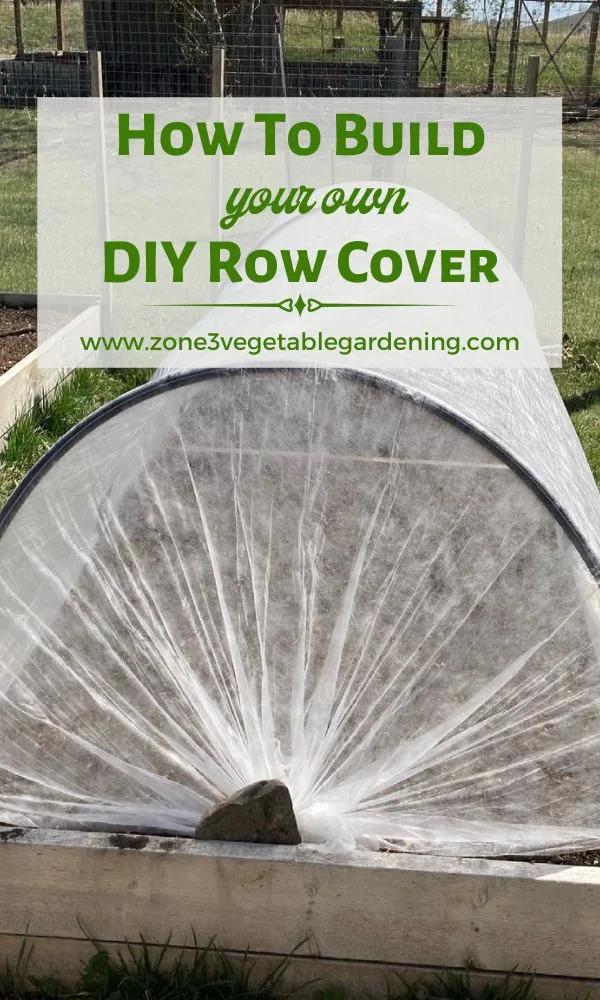
Image source: Bing (Web (fair-use with source credit))
Crop rotation disrupts pest life cycles by removing host plants from infested soil. Avoid planting brassicas in the same bed more than once every three years. This practice specifically reduces cabbage root maggot and wireworm pressure over time.
Sanitation removes overwintering sites for many common radish pests. Clear crop debris and weeds promptly after harvest to eliminate shelter. Tilling in fall exposes soil-dwelling larvae to predators and freezing temperatures.
Trap cropping lures pests away from your main radish planting. Sow mustard greens or daikon nearby as a sacrificial decoy crop. Monitor and destroy trap plants before pest populations migrate back to your harvestable radishes.
Timing plantings to avoid peak pest windows reduces damage significantly. Early spring sowings often escape heavy flea beetle pressure that builds in late May. Late summer plantings for fall harvest typically face fewer root maggots than spring crops.
Common Misdiagnoses and Treatment Mistakes to Avoid
Treating abiotic stress as pest damage wastes money and harms beneficial insects. Radish leaves yellowing from nitrogen deficiency look similar to aphid damage at first glance. Test soil fertility before reaching for insecticidal soap if no insects are visible.
Applying broad-spectrum pesticides early in the season destroys natural enemy populations. Lady beetles and parasitic wasps need time to establish before pest pressure peaks. Premature spraying often causes secondary outbreaks by eliminating biological control agents.
Misidentifying slug damage as caterpillar feeding leads to ineffective Bt applications. Bt targets only lepidopteran larvae and has zero effect on gastropods. Confirm silvery trails or actual specimens before selecting your treatment product.
Assuming wilting always means root maggots ignores other causes like drought or fungal disease. Pull up symptomatic plants to inspect roots before applying soil drenches. Physiological wilting from heat stress resolves with shade and consistent moisture.
Overlooking egg masses during scouting misses the optimal treatment window. Cabbage white butterfly eggs are small yellow spindles laid singly on leaf undersides. Crushing eggs manually prevents hundreds of future caterpillars without any chemical input.
Frequently Asked Questions
Can I still eat radishes with minor pest damage?
Yes, surface feeding on leaves does not affect root edibility. Wash roots thoroughly and cut out any tunnel sections caused by maggots. Minor cosmetic blemishes are safe but heavily tunneled roots may harbor rot organisms.
Always inspect internal flesh before consuming.
How do I protect radishes without using chemicals?
Floating row covers installed at planting provide complete exclusion without sprays. Hand-picking cutworms at night and crushing egg masses reduces pressure manually. Iron phosphate baits offer organic slug control that breaks down safely in soil.
Beneficial nematodes target soil larvae preventatively.
When is the best time to scout for radish pests?
Early morning catches slugs and dew-covered insects before they hide. Evening flashlight inspections reveal nocturnal cutworms actively feeding. Midday scouting works best for spotting flea beetles and aphids in bright light.
Consistent weekly checks matter more than perfect timing.
Do companion plants actually repel radish pests?
Research shows limited evidence that aromatic companions repel established pest populations. Nasturtiums may serve as trap crops rather than true repellents. Strong-smelling herbs can mask host odors temporarily but rarely prevent infestation alone.
Use companions as supplements to proven exclusion methods.
Why are my radish seedlings disappearing overnight?
Cutworms sever stems at soil level and drag pieces underground. Birds sometimes pull young seedlings while foraging for soil insects. Check for C-shaped larvae just beneath surface soil near missing plants.
Install collars around remaining seedlings immediately to prevent further losses.

Similar Posts