Can Rats Eat Radishes? Safe Feeding Guide for Pet Owners
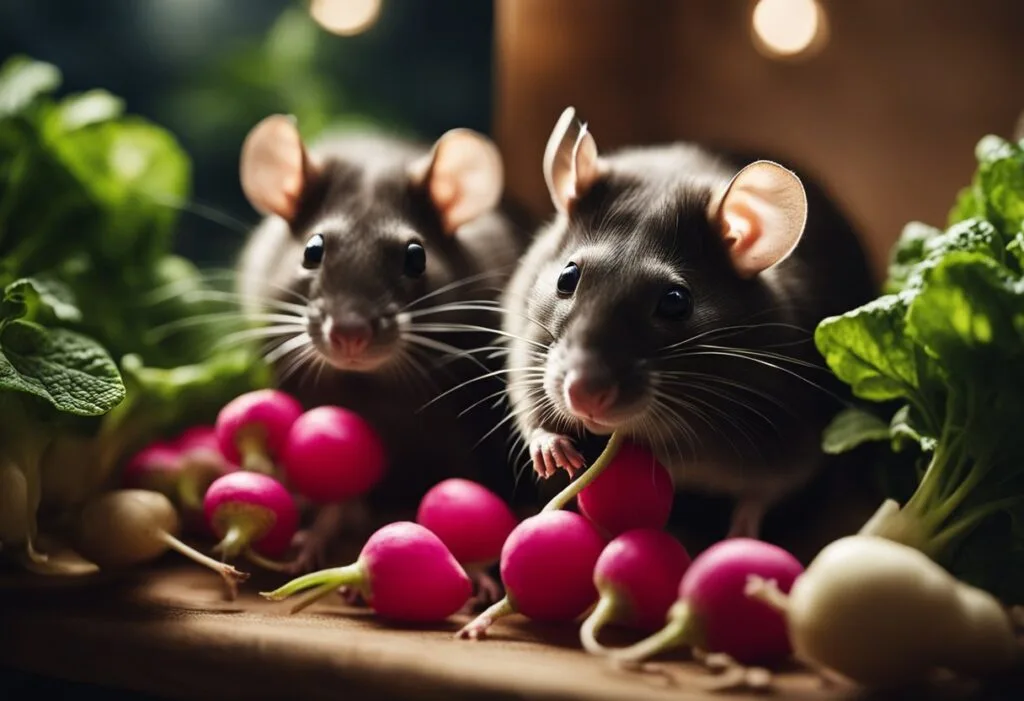
If you're wondering whether rats can eat radishes, the short answer is yes. Both the crunchy red root and the leafy green tops are safe for your pet rat. But there is a catch with this spicy little vegetable.
Just because a food is technically safe doesn't mean your rat will actually want to eat it.
Radish roots contain about 95% water and very few calories. That makes them a great hydrating snack as of 2026. The real trick is managing the sharp peppery bite so your rat's stomach stays happy.
Let's look at exactly how to do that safely.
Image source: Bing (Web (fair-use with source credit))
Quick Answer
Yes, rats can eat radishes safely. Both the root and the leafy greens are fine. You must wash them thoroughly before serving.
Introduce small pieces slowly to avoid gas. Limit radishes to twice a week.
Why the Peppery Bite Matters (And How Glucosinolates Affect Rat Digestion)
Radishes belong to the Brassicaceae family. This group includes broccoli, cabbage, and cauliflower. All these plants contain natural chemical compounds called glucosinolates.
These sulfur-based chemicals give radishes their signature sharp flavor.
When your rat chews a raw radish, enzymes break those glucosinolates down into isothiocyanates. That is what creates the spicy kick. Some rats love that intense crunch.
Many others will sniff it once and walk away completely.
The bigger issue isn't just picky eating. It is digestion. Cruciferous vegetables are known to produce excess gas during digestion.
Rats physically cannot burp or vomit. If gas builds up in their stomach, they have no way to release it.
That trapped gas causes bloating. Severe bloating leads to gastrointestinal stasis. According to veterinary guidelines from organizations like the Association of Exotic Mammal Veterinarians, GI stasis in rodents is a medical emergency.
It hurts them badly and requires immediate professional care.
This is why portion control matters so much. You should never toss a whole raw radish into the cage. Start with a piece roughly the size of your pinky nail.
Wait a full 24 hours and check their droppings.
If their stool stays firm and normal, they handled it well. If you see soft or runny droppings, pull back on fresh veggies immediately. Their gut needs time to settle down.
Always respect that spicy bite.
Fancy rats (Rattus norvegicus domestica) are omnivores. They thrive on variety. But their digestive tracts are sensitive to sudden changes.
Treat the radish root as an occasional novelty rather than a daily staple.
Radish Root vs. Radish Greens: Which Part Is Actually Better?
Most people buy radishes for the red root and throw the leaves straight into the trash. That is a huge mistake if you own rats. The leafy green tops are actually far more nutritious than the crunchy bulb underneath.
Let's look at how the two parts compare side by side.
| Feature | Radish Root | Radish Greens |
|---|---|---|
| Flavor | Sharp, peppery, spicy | Mild, slightly earthy |
| Water Content | Very high (~95%) | Moderate |
| Nutrient Density | Low to moderate | High (calcium, iron, vitamins A, C, K) |
| Gas Risk | Higher | Lower |
| Best Way to Serve | Lightly steamed | Raw and chopped |
| Rat Acceptance Rate | Mixed | Usually very high |
The greens pack a serious nutritional punch. They deliver calcium, iron, and fat-soluble vitamins that support bone health and immune function. They also lack the heavy concentration of glucosinolates found in the root.
That means less gas risk.
You can serve radish greens raw. Wash them thoroughly under cold running water first. Conventional produce often carries pesticide residue.
Pesticides are highly toxic to small animals, so scrubbing is mandatory. Buying organic is even better.
Chop the washed greens into small pieces. Mix them directly into your rat's regular daily salad rotation. Most rats accept them right away without any hesitation.
The mild flavor blends perfectly with other safe leafy greens.
The root requires a bit more strategy. Because of that peppery bite, many rats reject it raw. If your rat turns its nose up at a raw slice, don't force the issue.
Try cooking it instead.
Lightly steaming the radish root changes everything. Heat breaks down the harsh isothiocyanates. The texture softens up significantly.
The flavor shifts from spicy to slightly sweet.
Steamed radish is usually a massive hit with picky eaters. It keeps the hydration benefits while removing the digestive stress. You get all the good stuff with none of the tummy trouble.
Both parts are safe when prepped correctly. Just remember that the greens are the true superfood here. Use the root sparingly for enrichment, and use the leaves for actual nutrition.
Step-by-Step Guide to Prepping and Serving Radishes to Your Rat
Feeding fresh vegetables to rats shouldn't be complicated. But doing it wrong can cause real harm. Follow this exact process every single time you offer radishes.
1. Source and wash properly
Buy fresh radishes with the green tops still attached. Farmers' markets are great for this. Grocery store bunches work fine too.
Scrub the red roots under cold water using a vegetable brush. Rinse the leafy greens until the water runs completely clear. You must remove dirt and potential pesticide residue.
2. Prep the greens
Pull the leaves off the stems. Chop them into bite-sized pieces suitable for a small rodent mouth. Toss a small pinch into their regular bowl of fresh vegetables.
Do not make radish greens the only thing in the bowl. Variety prevents nutritional imbalances over time.
3. Prep the root
Slice off a tiny piece of the raw radish root. Aim for something the size of your pinky fingernail. That is your test portion.
Do not give more than this on the very first try.
4. Steam if needed
If your rat rejects the raw piece, steam the rest. Place a few slices in a steamer basket over boiling water. Leave them in for just two or three minutes.
You want them tender but not falling apart. Let them cool completely to room temperature before serving. Hot food burns their mouths.
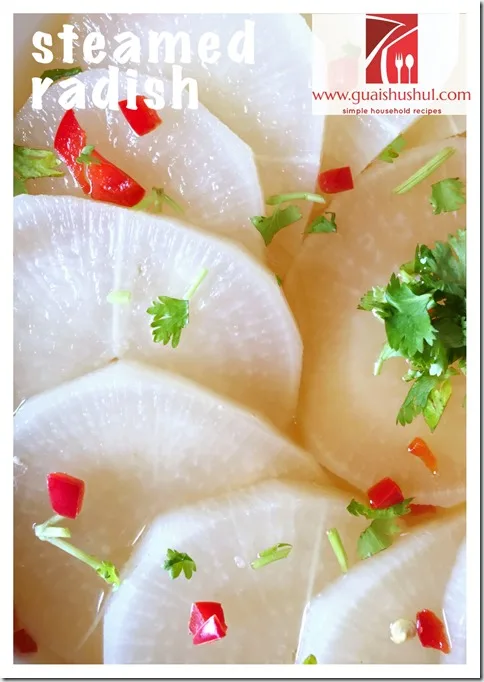
Image source: Bing (Web (fair-use with source credit))
5. Observe for 24 hours
After they eat the test piece, watch them closely. Check their bedding for droppings the next morning. Firm, dark pellets mean success.
Soft, pale, or watery stool means their gut is irritated. Stop feeding radishes immediately if you see loose stool.
6. Rotate into the weekly schedule
Once you know they tolerate it, add radishes to your rotation. Limit servings to once or twice a week maximum. Never feed brassicas two days in a row.
Space them out between milder options like cucumber or zucchini.
Following these steps keeps the experience safe. It also teaches you exactly what your specific rat prefers. Every animal has different tastes and tolerances.
The Real Risks: Gas, Bloat, and Hidden Stashes
We've talked about the benefits. Now we need to talk about the dangers. Feeding fresh food to rats comes with strict safety rules.
Ignoring them puts your pet at serious risk.
The biggest biological threat is bloat. As mentioned earlier, rats cannot expel gas upward. When cruciferous vegetables ferment in the gut, they produce gas.
If a rat eats too much raw radish, that gas gets trapped.
Trapped gas causes the stomach to expand painfully. The rat might hunch over, stop moving, or grind its teeth loudly. Teeth grinding in rats is a primary sign of severe pain.
If you see this after feeding radishes, contact an exotic vet immediately.
Do not wait to see if it passes. Gastrointestinal stasis kills small mammals incredibly fast. Prevention is your only reliable strategy.
Stick to the pinky-nail portion sizes we discussed.
The second major risk happens outside the digestive tract. It happens inside the cage itself. Rats are natural hoarders.
They rarely eat all their fresh food in one sitting.
Instead, they grab a piece and hide it. They stuff vegetables under fleece liners, inside hammocks, or deep in corner hideouts. A moist piece of radish hidden in warm bedding is a ticking clock.
Within 12 to 24 hours, that hidden vegetable starts growing mold. Mold spores become airborne inside the enclosed cage space. Rats have notoriously fragile respiratory systems.
Breathing in mold spores triggers severe infections quickly.
These infections often present as mycoplasma flare-ups. You'll hear clicking sounds when they breathe. You might see porphyrin staining around their eyes and nose.
That red discharge looks like blood but is actually a stress pigment.
You must check their stashes every single day. Do a quick sweep of their favorite hiding spots during evening playtime. Remove any uneaten fresh food immediately.
Throw it away rather than putting it back in the bowl.
Keeping the cage dry and clean is just as important as picking the right vegetables. Fresh food is wonderful for enrichment. But it demands active management from you.
Stay vigilant and your rats will stay healthy.
Frequently Asked Questions About Feeding Radishes to Rats
Can baby rats eat radishes?
Baby rats under 12 weeks old have highly sensitive digestive systems. Wait until they are fully weaned and eating solid adult food reliably. Even then, introduce raw brassicas very slowly.
Steamed radish root is much safer for young rats than raw pieces.
Are daikon radishes safer than red globe radishes?
Daikon radishes contain lower levels of glucosinolates than standard red globe varieties. That means a milder flavor and slightly less gas production during digestion. They are an excellent alternative if your rat rejects the spicy red ones.
Always wash them thoroughly before slicing off a small test portion.
How often should I feed radishes to my rats?
Limit radish servings to once or twice a week at most. Treat them as part of a broader vegetable rotation rather than a daily staple. Space out cruciferous vegetables like broccoli or cabbage on different days.
This prevents excess gas buildup in their digestive tract over time.
What happens if my rat eats too much raw radish?
Eating too much raw radish usually causes loose stools or trapped gas. You might notice bloating, lethargy, or loud teeth grinding from pain. Remove all fresh vegetables immediately and offer only their standard dry lab block diet.
Contact an exotic veterinarian right away if the bloating does not resolve quickly.
Can rats eat pickled or seasoned radishes?
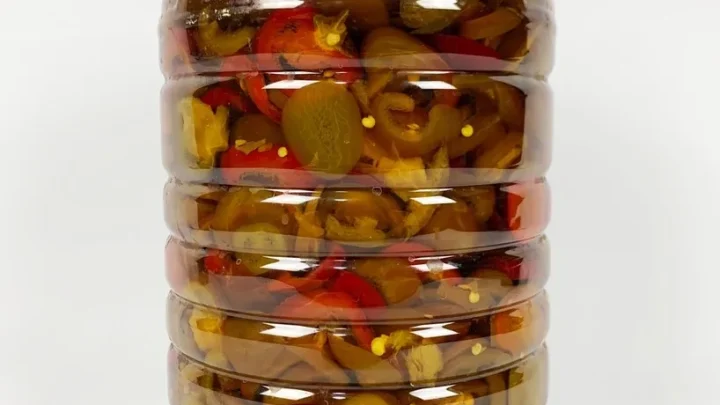
Never feed pickled, salted, or seasoned radishes to pet rats. The high sodium content in pickling brine is toxic to their kidneys. Added spices, garlic, or onions cause severe damage to their red blood cells.
Stick exclusively to plain, washed, fresh, or lightly steamed radishes.

Similar Posts