Why Is My Avocado Tree Losing Leaves? Causes & Fixes
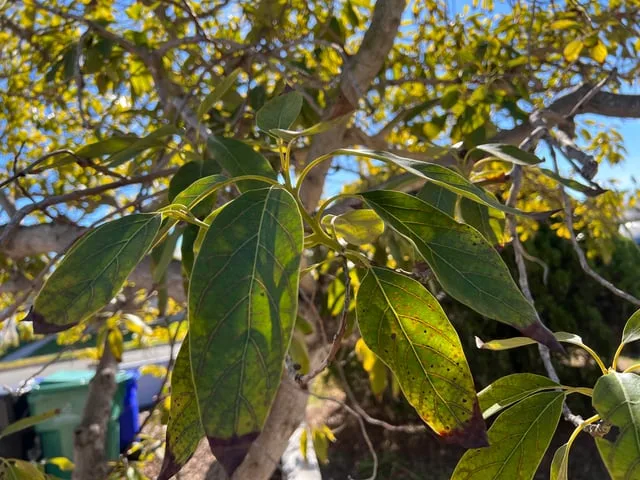
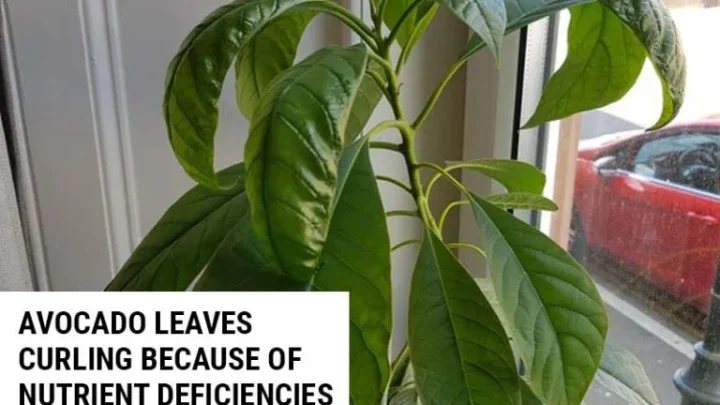
Seeing your avocado tree losing leaves is stressful, but it doesn't always mean the tree is dying. Leaf drop is a symptom, not a disease itself. Your first job is figuring out exactly why it's happening.
Avocados are evergreens, yet they naturally shed up to 15 percent of older interior leaves during spring growth pushes. If the drop happens suddenly or affects the whole canopy, you're dealing with an environmental trigger. UC Agriculture and Natural Resources confirms that root stress from poor drainage causes most severe defoliation in home orchards.
Let's figure out which branch of the problem you're on so you can fix it.
Image source: Bing (Web (fair-use with source credit))
Quick Answer
An avocado tree losing leaves signals water stress, salt buildup, or cold damage. Normal shedding only affects older interior foliage. Whole canopy drop means roots lack oxygen or suffered frost.
Check soil moisture four inches deep immediately.
The Decision Tree: Diagnosing Your Leaf Drop by Symptoms
Figuring out why your tree is dropping leaves requires looking at three things: leaf color, soil moisture, and recent weather. We use a simple if/then workflow to isolate the exact cause. You don't need a lab test to start narrowing it down.
Grab a handful of fallen leaves and check the soil.
Normal Seasonal Shedding vs. Stress Signals
Healthy avocado trees constantly replace old foliage. If the falling leaves are mostly green or slightly yellowed, and they come from the shaded interior of the canopy, that's normal abscission. New growth should be visible at the branch tips simultaneously.
This process peaks in spring as the tree pushes new flushes.
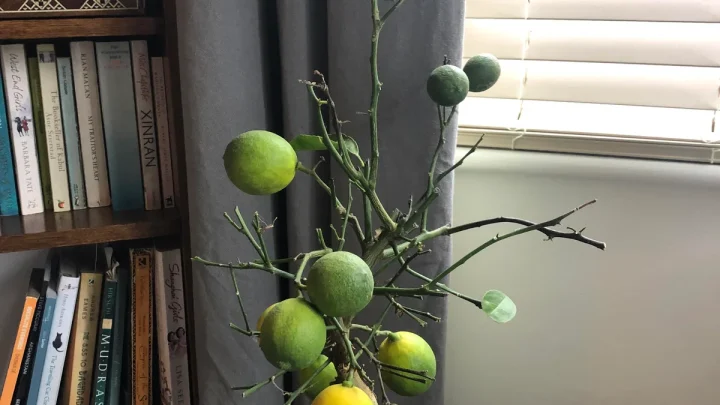
Stress signals look completely different. Pathological leaf drop usually involves brown, crispy margins, black spots, or limp yellow leaves falling from the outer canopy. If entire branches go bare overnight, you're past seasonal shedding.
That rapid defoliation points directly to root failure or sudden temperature shock.
Here is a quick way to separate natural shedding from a real problem.
| Symptom | Likely Cause | Urgency |
|---|---|---|
| Interior leaves falling, tips growing | Normal seasonal shed | None |
| Outer leaves turning yellow and dropping | Overwatering or root rot | High |
| Brown, crispy leaf margins before falling | Salt burn or underwatering | Medium |
| Sudden mass drop of green leaves | Cold damage or wind shock | High |
| Spotted leaves with fine webbing | Persea mite infestation | Medium |
Branch 1: Overwatering and Root Rot (Yellow, Limp Leaves)
If the leaves turn pale yellow and feel limp or leathery before falling, overwatering is your primary suspect. Avocado feeder roots live in the top six inches of soil. They require constant oxygen to function properly.
When heavy clay soils trap moisture, those shallow roots suffocate quickly.
Suffocated roots invite Phytophthora cinnamomi, the pathogen responsible for avocado root rot. This water mold destroys the root tissue, cutting off the tree's ability to drink. Paradoxically, the tree shows drought symptoms because its plumbing is broken.
The canopy thins out rapidly starting from the top down.
You can confirm this by doing a soil squeeze test. Dig down four inches near the drip line. Grab a handful of soil and squeeze it hard.
If water drips out or the mud holds a tight ball without crumbling, your soil is waterlogged. Stop watering immediately and let the ground dry out.
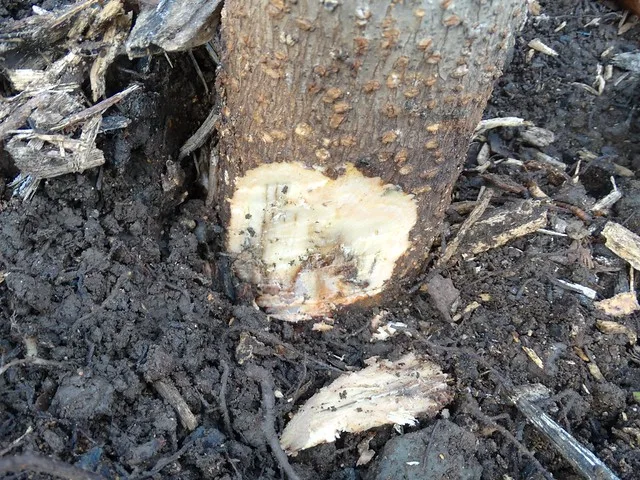
Image source: Web (Bing) / flickriver.com (Web image (fair-use with source credit))
Branch 2: Salt Burn and Underwatering (Brown, Crispy Margins)
If the leaf tips and edges turn dark brown and crispy before dropping, you're likely dealing with salt accumulation or chronic thirst. Avocados are highly sensitive to chloride and sodium salts found in tap water and fertilizers. These salts travel up the trunk and concentrate at the leaf margins.
Once the salt concentration hits a toxic threshold, the tissue dies and turns brittle. The tree sheds these burned leaves to protect itself. Underwatering accelerates this process because there isn't enough volume to push the salts through the system.
The roots just sit in concentrated brine.
Check your irrigation water quality if you live in an arid region. Water exceeding 1.0 dS/m in electrical conductivity will burn avocado foliage over time. Container trees suffer from this faster than in-ground plants.
Synthetic fertilizers applied too close to the trunk create localized salt spikes that scorch roots instantly.
Branch 3: Cold Shock and Weather Stress (Sudden Green Leaf Drop)
Did your tree drop a massive amount of green leaves overnight after a temperature plunge? That's cold shock. Avocados thrive in USDA Hardiness Zones 9 through 11.
Sustained temperatures below 32 degrees Fahrenheit damage the cellular structure of the leaves. The tree cuts them loose to conserve energy.
Mexican varieties tolerate light frosts better than Guatemalan or West Indian types. Even cold-hardy cultivars suffer when temperatures dip below 28 degrees. Wind plays a role here too.
Dry desert winds like the Santa Anas strip moisture from leaves faster than the roots can replace it, causing sudden defoliation.
If this happens, don't panic and don't prune immediately. Wait until spring to see which branches actually died. Scratch the bark gently with your thumbnail.
Green tissue underneath means the branch is alive and will releaf. Brown, dry wood means that specific limb is gone.
Branch 4: Pests and Disease (Spots, Webs, and Dieback)
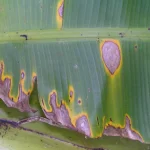
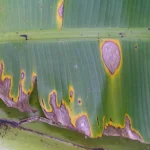
If the leaves show stippling, distinct circular lesions, or fine webbing before they fall, pests or fungi are at work. Persea mites (Oligonychus perseae) feed on the undersides of leaves along the veins. They build dense silk nests that look like tiny patches of webbing.
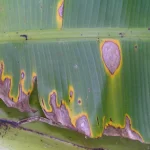
Heavy mite feeding drains the chlorophyll, leaving yellowish spots across the leaf surface. Once the damage reaches a certain threshold, the tree drops the leaf entirely. Anthracnose fungus (Colletotrichum gloeosporioides) creates dark, sunken dead spots that eventually consume the whole leaf.
Humid climates like Florida see more fungal issues than dry ones.
Flip a few fallen leaves over and inspect them closely. Mites are tiny but visible against the white silk. Fungal spots usually have a distinct target pattern.
Treating the wrong issue wastes time and stresses the tree further, so accurate identification matters before you spray anything.
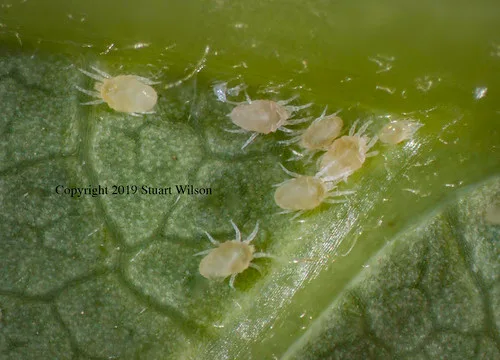
Image source: Bing (Web (fair-use with source credit))
Step-by-Step Fixes Based on Your Diagnosis
Once you know which branch of the decision tree applies to your situation, take targeted action. Blanket treatments rarely work because fixing salt burn requires the opposite approach of fixing root rot. Follow the specific steps below for your diagnosed problem.
Fixing Overwatering and Root Rot
- Stop all irrigation immediately. Let the top four inches of soil dry out completely between waterings. Mature trees generally need 20 to 50 gallons daily in peak summer, but that water must drain away freely.
- Pull mulch back from the trunk. Mulch should never touch the bark. Keep it six to eight inches away from the base to prevent crown rot. Spread it evenly under the canopy instead.
- Apply coarse woody mulch over the root zone. University research supports using thick layers of chipped wood to encourage beneficial microbes that compete with Phytophthora.
- Consider phosphonate treatments for confirmed root rot. Trunk injections or soil drenches boost the tree's natural defense mechanisms. Consult your local agricultural extension office for approved application rates in your area.
Fixing Salt Burn and Underwatering
- Flush the soil deeply. Run water slowly over the root zone for several hours to push accumulated salts below the active feeder roots. Do this once a month if your tap water is high in dissolved solids.
- Switch to a low-salt fertilizer. Avoid synthetic blends high in chloride. Organic options break down slower and are far less likely to burn delicate surface roots.
- Water container trees until liquid flows freely from the bottom drainage holes. Never let potted avocados sit in a saucer full of standing water. Empty the tray thirty minutes after watering.
Fixing Cold Damage
- Leave the damaged leaves on the ground temporarily. They provide a slight insulating layer for the shallow roots if another freeze threatens.
- Wrap young trunks with frost cloth during predicted cold snaps. Focus on protecting the graft union near the soil line.
- Delay pruning until new growth appears in spring. Cutting into live wood too early exposes fresh tissue to secondary infections.
Fixing Pest Infestations
- Blast persea mites off with a strong stream of water. Target the undersides of the leaves where the colonies hide. This physical removal works surprisingly well for light infestations.
- Introduce predatory mites if you're managing a larger grove. Biological controls keep pest populations below the damage threshold without chemical residues.
- Prune out heavily diseased branches affected by anthracnose. Bag the clippings and throw them away rather than composting them. Sanitize your shears between cuts.
Common Mistakes That Make Avocado Leaf Drop Worse
When people see their tree struggling, panic leads to bad decisions. Doing the wrong thing at the wrong time can kill a tree that would have otherwise recovered on its own. Here are the most frequent errors we see in our research.
Over-fertilizing a stressed tree tops the list. A tree dropping leaves from root rot cannot absorb nutrients. Dumping nitrogen fertilizer onto compromised roots burns whatever healthy tissue remains.
Stop all feeding until the canopy stabilizes and new growth emerges.
Pruning too aggressively is another major error. Leaves act as solar panels. Removing large sections of the canopy reduces the tree's ability to generate energy for recovery.
It also exposes previously shaded bark to direct sunlight, leading to severe sunburn on the main limbs.
Watering more because the tree looks wilted seems logical, but it's often fatal. Wilting in avocados frequently means the roots are drowning, not thirsty. Adding more water to saturated soil finishes off the remaining oxygen supply.
Always verify soil moisture physically before turning on the hose.
Ignoring drainage is a silent killer. Planting an avocado tree in heavy clay without building a raised mound guarantees eventual root failure. If your yard holds puddles for hours after rain, you must plant on a berm.
Elevating the root crown above the surrounding grade changes everything.
Finally, treating symptoms instead of causes wastes money. Spraying fungicides on leaves won't help if the actual problem is salty irrigation water burning the roots. Work through the diagnostic steps methodically.
Find the root cause first, then apply the correct fix.
Frequently Asked Questions
Why is my avocado tree dropping green leaves?
Sudden green leaf drop usually means cold shock or extreme wind stress. Avocado trees shed healthy green foliage to conserve energy after a rapid temperature drop below 32 degrees Fahrenheit. Check your local weather history for recent frost events or dry wind storms.
How do I know if my avocado tree is overwatered?
Overwatered avocado trees show pale yellow, limp leaves falling from the outer canopy. Dig four inches into the soil near the drip line and squeeze it. If water drips out or the mud holds a tight shape without crumbling, your roots are suffocating from excess moisture.
Will an avocado tree grow back after losing all its leaves?
Yes, if the root system remains alive and you fix the underlying cause quickly. Scratch the bark on bare branches with your thumbnail. Green tissue underneath means the branch will releaf once conditions improve.
Brown, brittle wood indicates that specific limb is dead.
Should I fertilize an avocado tree that is losing leaves?
No. Never fertilize a stressed avocado tree. Compromised roots cannot absorb nutrients properly, and fertilizer salts will burn whatever healthy tissue remains.
Wait until the tree stabilizes and pushes out new growth before resuming any feeding schedule.
How often should I water an avocado tree to prevent leaf drop?
Water deeply but infrequently, allowing the top four inches of soil to dry out completely between sessions. Mature in-ground trees might need 20 to 50 gallons daily during peak summer heat. Container trees require watering only when the pot feels noticeably light.

Similar Posts