Autumn Joy Sedum Diseases: Spot, Treat & Prevent Them
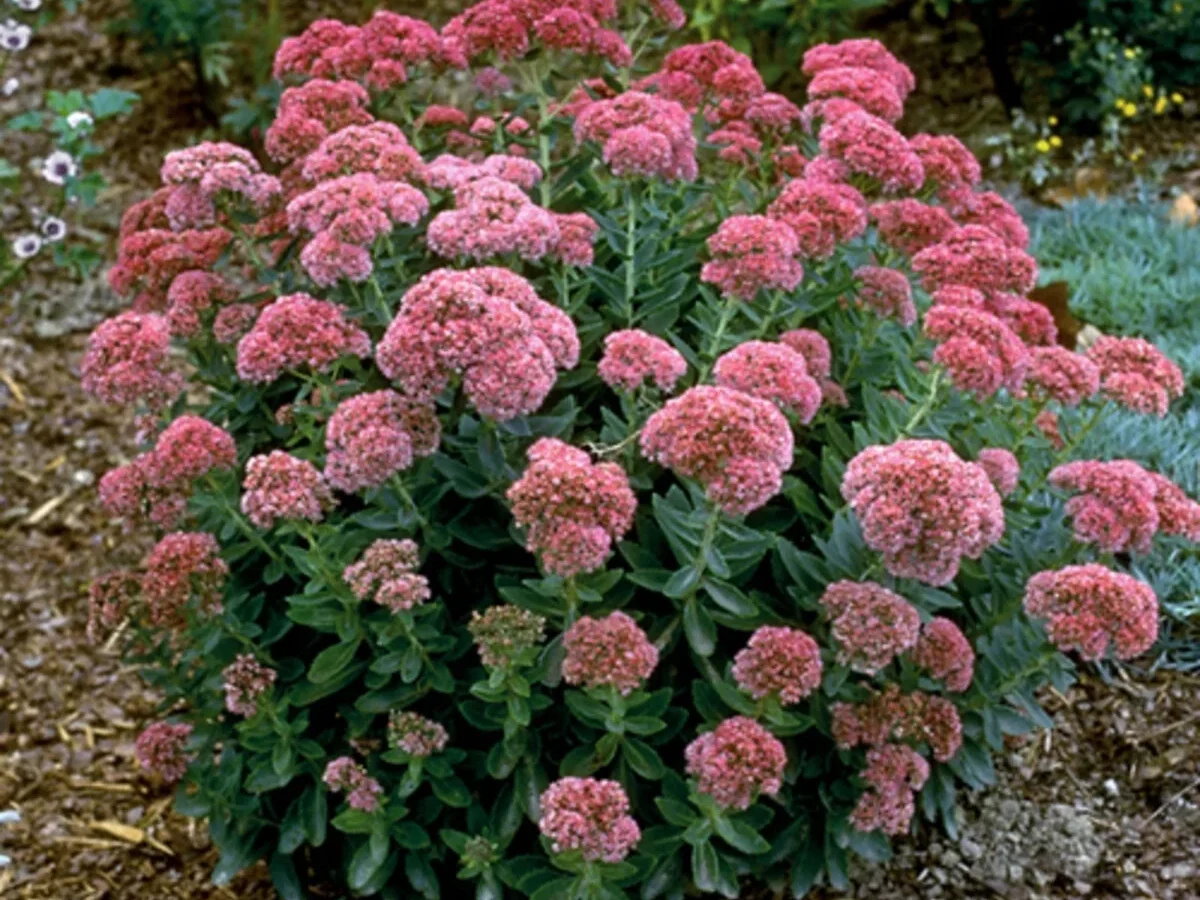
Most autumn joy sedum diseases stem from excess moisture rather than contagious pathogens. You can usually fix these issues by adjusting watering habits and improving soil drainage first. Chemical treatments rarely work if the underlying cultural problem remains unaddressed in your garden beds.
University extension research confirms that over 90% of Hylotelephium spectabile failures involve root or crown rot. We will walk through a diagnostic workflow to identify your specific issue accurately as of 2026. This approach helps you stop guessing and start treating the real cause effectively.
Is Your Autumn Joy Sedum Sick or Just Seasonal? The Quick Triage
Autumn joy sedum diseases typically manifest as rot, mildew, or viral mottling. Most issues trace back to wet soil or poor air circulation. True pathogens are secondary to environmental stress in nearly all cases.
Fix drainage before applying any fungicide treatment.
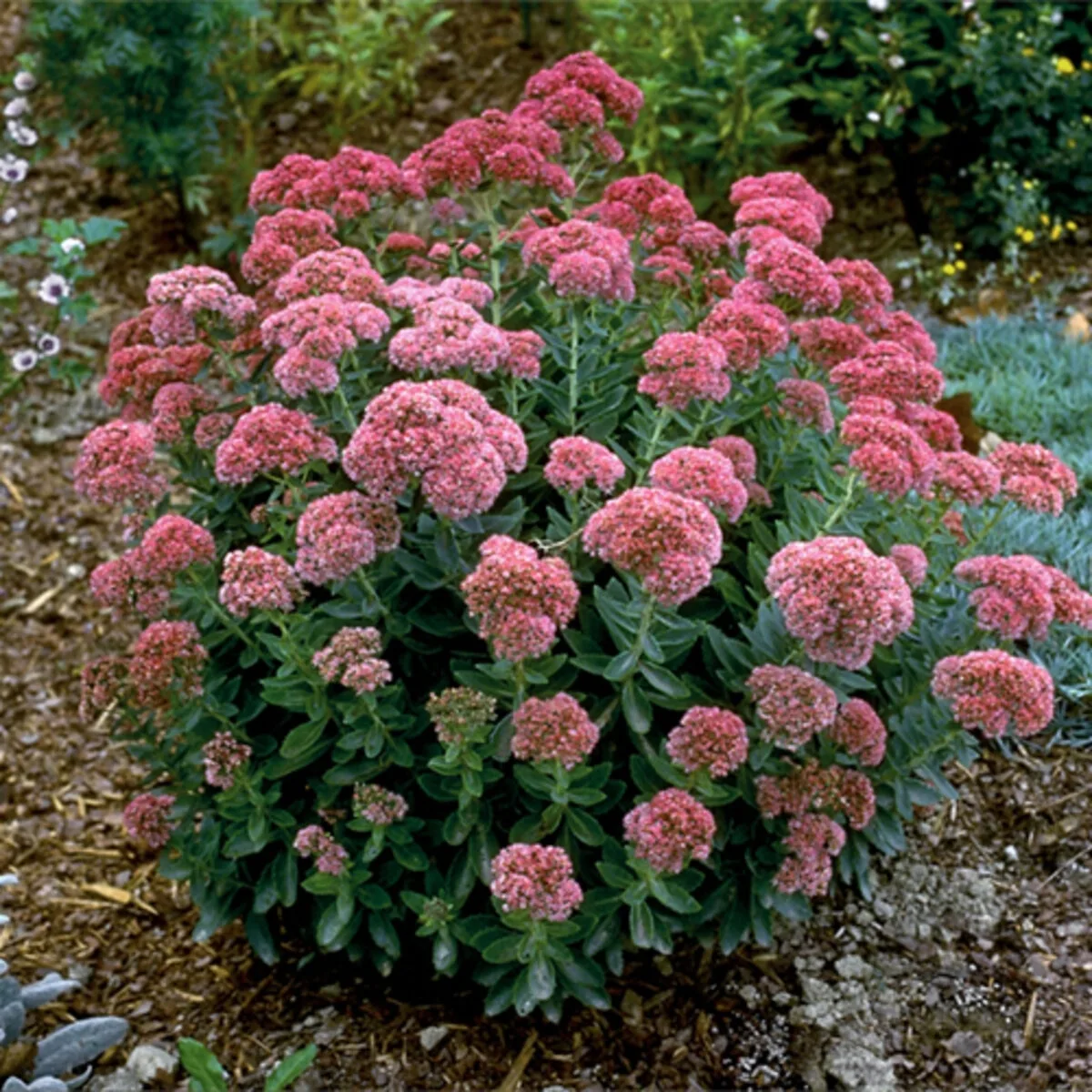
Image source: Bing (Web (fair-use with source credit))
How do I distinguish disease from normal dormancy?
Normal fall dieback starts at leaf margins and progresses evenly downward. Disease appears as random black spots, mushy stems, or white fungal growth. Healthy dormant stems remain firm and tan or brown throughout winter.
Rotten stems feel soft and collapse when touched gently.
When should I worry about my sedum health?
Worry if symptoms appear during active summer growth or early spring emergence. Mid-season wilting despite moist soil signals root failure. Rapid yellowing of lower leaves indicates crown infection.
Immediate action is required if the plant base feels slimy or smells foul.
The Decision Tree: Matching Symptoms to Root Causes
Diagnosis requires matching specific visual cues to environmental conditions. Use this conditional logic to narrow down the culprit quickly. Do not treat blindly without confirming the primary stressor first.
Accurate identification saves time and prevents unnecessary chemical applications.
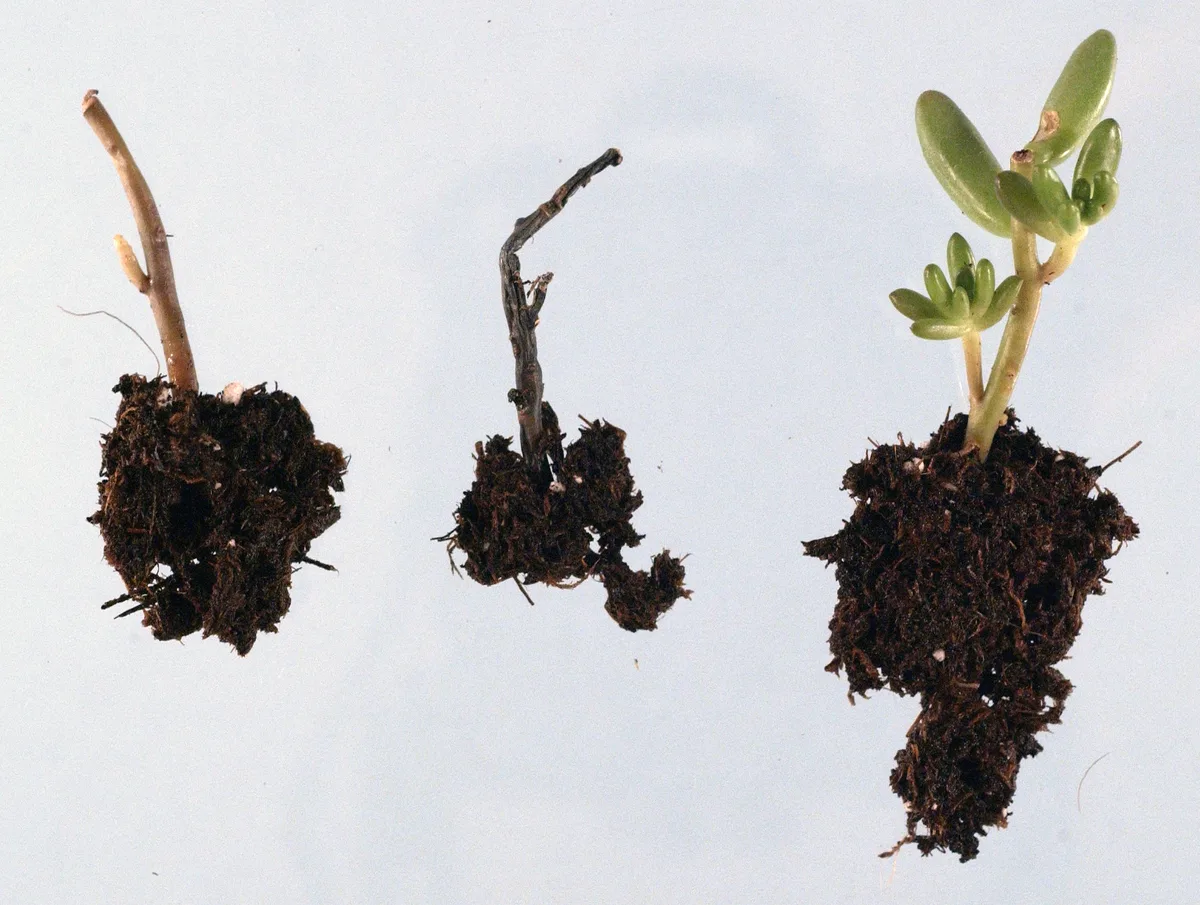
Image source: Bing (Web (fair-use with source credit))
If the base is mushy and dark
This indicates crown rot caused by Phytophthora cactorum or Sclerotium rolfsii. The infection enters through wounds or saturated soil contact. Plants often collapse suddenly during warm wet spells.
Dig carefully to confirm if roots are also affected or just the crown.
If leaves show white powder
Powdery mildew (Erysiphe spp.) thrives in humid shade with poor airflow. Unlike rot, this fungus stays on leaf surfaces. It rarely kills established plants but weakens them significantly.
Check if neighboring plants are overcrowded or overgrown.
If stems have sunken brown lesions
Stem canker or botrytis blight causes localized dieback. These pathogens attack senescing tissue or damaged stems first. Lesions expand rapidly in cool damp weather.
Prune below the infection point immediately to save remaining growth.
If foliage looks mottled or stunted
Sedum mosaic virus causes irregular yellow patterns and distorted growth. There is no cure for viral infections. Infected plants must be removed entirely to protect neighbors.
Always sterilize tools after handling suspected viral cases.
| Symptom Cluster | Likely Pathogen | Primary Environmental Trigger |
|---|---|---|
| Mushy dark base | Crown Rot | Saturated soil, deep mulch |
| White leaf coating | Powdery Mildew | High humidity, low light |
| Sunken stem spots | Botrytis/Canker | Wet debris, cool temps |
| Yellow mottling | Mosaic Virus | Aphid vectors, infected stock |
Step-by-Step Treatment Protocols for Fungal and Rot Issues
Treatment success depends on combining sanitation with targeted intervention. Start with physical removal of infected material before considering sprays. Always wear gloves and eye protection when handling diseased plants.
Follow label instructions precisely for any product application.
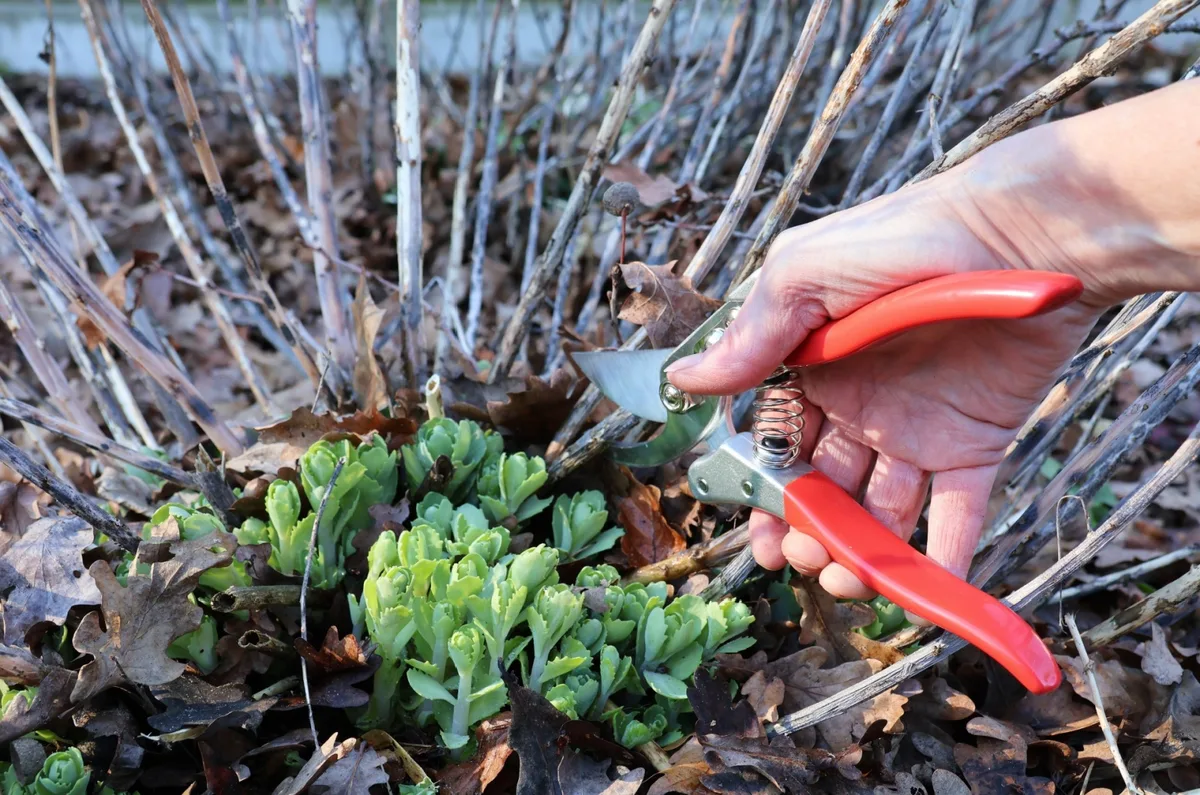
Image source: Bing (Web (fair-use with source credit))
Sanitize and remove infected tissue
Cut away all rotten or spotted stems at ground level. Dip pruners in 10% bleach solution between every cut. Bag and trash infected debris immediately.
Never compost diseased sedum material as spores survive standard piles.
Improve drainage physically
Aerate compacted soil around the crown with a hand fork. Pull back mulch to expose the base to air and sun. Add coarse grit or pine bark fines if soil stays soggy.
Elevate the crown slightly above grade if water pools persistently.
Apply fungicides strategically
Use copper-based sprays for powdery mildew prevention only. Reserve systemic products like phosphorous acid for confirmed Phytophthora. Rotate FRAC codes to prevent resistance buildup.
Spray during dry periods so foliage dries within four hours.
Monitor recovery closely
New healthy growth indicates successful intervention within two weeks. Continued decline suggests irreversible root damage. Remove total failures promptly to reduce inoculum load.
Replant only after amending soil and waiting one full season.
Cultural Fixes That Matter More Than Fungicides
Prevention through proper siting eliminates most disease pressure entirely. Sedums evolved for sharp drainage and full sun exposure. Replicating these native conditions builds natural resilience against pathogens.
Cultural adjustments provide longer-term protection than any chemical spray program.
Optimize sunlight exposure
Ensure plants receive at least six hours of direct daily sun. Shade increases humidity and slows surface drying. Thin surrounding vegetation to improve air movement.
Relocate struggling specimens to brighter sites in early spring.
Adjust irrigation practices
Water only during extended droughts once established. Avoid overhead sprinklers that keep foliage wet overnight. Drip irrigation delivers moisture directly to roots without splashing.
Let soil dry completely between watering sessions.
Manage soil fertility carefully
Excess nitrogen produces soft succulent tissue prone to infection. Skip fertilizer entirely in average garden soils. Top-dress with compost only if growth is visibly stunted.
Lean soil promotes tougher disease-resistant growth habits.
Time maintenance correctly
Divide clumps only in spring when new shoots emerge. Fall division invites winter rot in open wounds. Deadhead spent blooms before they become moldy habitats.
Clean up all debris before winter snow cover arrives.
Common Mistakes That Make Sedum Diseases Worse
Well-intentioned care often accelerates decline in stressed plants. Recognizing these errors prevents compounding existing problems. Stop doing these things immediately if your sedum shows symptoms.
Correction alone can reverse mild cases without further intervention.
Mulching too deeply against crowns
Piling mulch against stems traps moisture and heat. This creates perfect conditions for crown rot pathogens. Keep organic matter several inches away from the base.
Use gravel or bare soil as a buffer zone instead.
Overwatering during establishment
New transplants need moisture but drown easily in heavy soil. Water deeply then wait until top inch dries out. Daily light sprinklings encourage shallow weak roots.
Trust the plant's succulent reserves more than your hose.
Ignoring spacing requirements
Crowded plants create stagnant humid microclimates. Space autumn joy sedum 18 to 24 inches apart center-to-center. Resist urge to fill gaps quickly with annuals.
Good airflow prevents fungal spores from germinating on leaves.
Treating symptoms not causes
Spraying fungicide on rotting plants wastes money and time. Chemicals cannot fix saturated soil or buried crowns. Address the environmental trigger first and foremost.
Use sprays only as support after cultural corrections are made.
Long-Term Prevention and Maintenance Workflow
Prevention requires consistent seasonal habits rather than reactive treatments. Build these tasks into your existing garden calendar. Consistency matters far more than intensity for sedum health.
Small regular actions prevent major disease outbreaks over time.
Spring emergence check
Inspect new shoots as they break ground in early spring. Remove any mushy or discolored growth immediately. Clear winter debris from around the crown base.
Apply preventive copper spray only if rot was present last season.
Summer monitoring routine
Walk beds weekly during humid periods to spot early mildew. Thin interior stems if clumps become too dense. Water only during visible drought stress signs.
Avoid fertilizing or pruning during peak heat.
Fall cleanup protocol
Cut back all spent blooms before seed heads form. Remove fallen leaves that trap moisture against crowns. Leave healthy standing stems for winter structure and wildlife.
Document problem areas for next year's amendments.
Soil amendment schedule
Test drainage every three years with a percolation test. Top-dress with coarse sand if water infiltration slows. Refresh organic matter sparingly to avoid nitrogen buildup.
Never add clay-heavy compost to sedum beds.
| Season | Key Task | Disease Prevented |
|---|---|---|
| Early Spring | Crown inspection | Rot carryover |
| Mid-Summer | Airflow thinning | Powdery mildew |
| Late Fall | Debris removal | Botrytis habitat |
| Every 3 Years | Drainage test | Root suffocation |
Frequently Asked Questions About Autumn Joy Health
Can I save a sedum with advanced crown rot?
Recovery is unlikely once the main crown turns completely soft. You may salvage healthy outer stems by rooting them separately. Discard the rotted center and infected soil entirely.
Replant divisions only after sterilizing containers and using fresh gritty mix.
Does neem oil work on sedum diseases?
Neem oil suppresses powdery mildew but does not cure root rot. It works best as a preventive spray on dry foliage. Avoid application during hot sunny days to prevent leaf burn.
Test on a single stem first as succulents can be sensitive.
Should I divide diseased autumn joy sedum?
Never divide actively infected plants as this spreads pathogens. Treat the issue first and wait for full recovery. Divide only healthy vigorous clumps in early spring.
Sterilize tools between each plant to prevent cross-contamination.
Why did my sedum die over winter?
Winter kill usually results from wet dormancy rather than cold tolerance. Saturated soil freezes solid and suffocates roots. Improve drainage before next winter by amending soil or raising beds.
Mulch lightly with gravel instead of moisture-retaining bark.
Are some cultivars more disease resistant?
Newer Hylotelephium telephium hybrids often show better rot resistance. Cultivars like 'Matrona' and 'Herbstfreude' tolerate heavier soils better. Older 'Autumn Joy' selections remain highly susceptible to crown rot.
Check university extension trials for regional performance data before replanting.

Similar Posts