Why Your Heart Leaf Philodendron Has Brown Spots
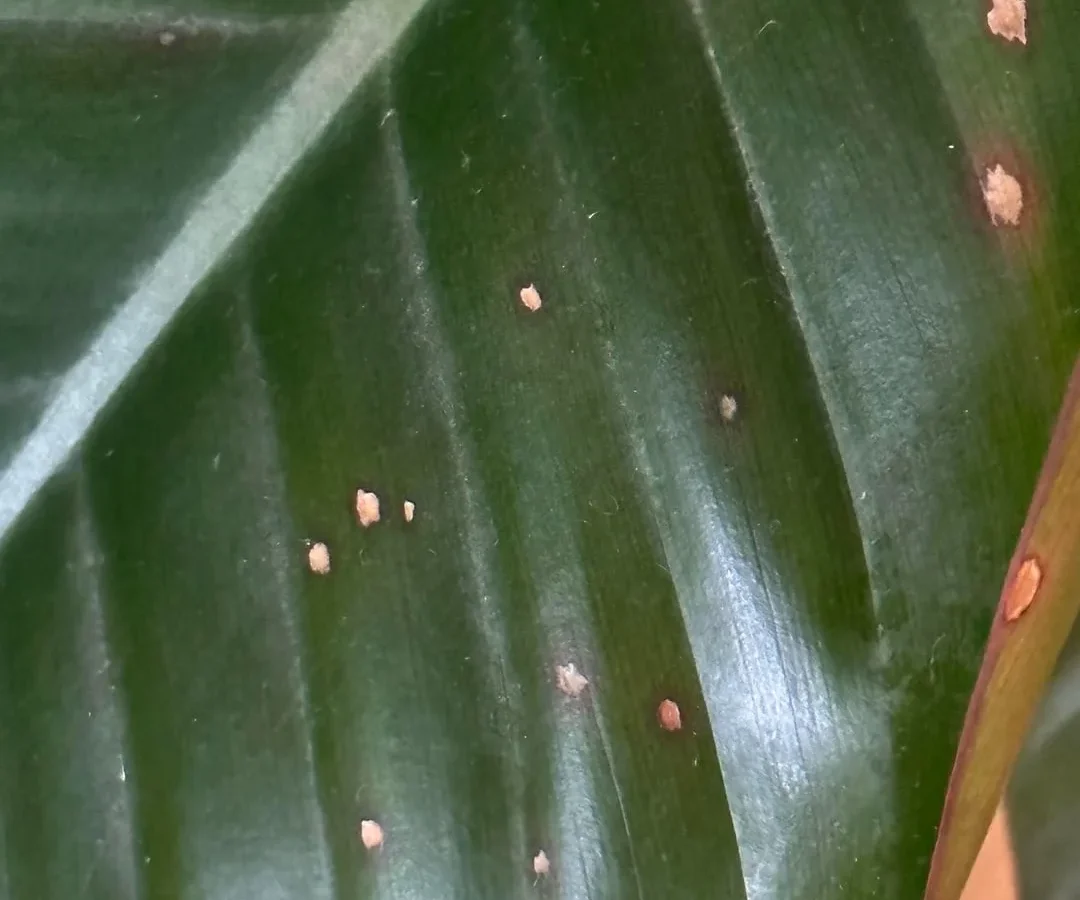
Finding brown spots on heart leaf philodendron leaves is incredibly stressful. That sudden discoloration usually means your plant is reacting to a specific environmental trigger or pathogen. You need to figure out exactly what caused it before you try fixing anything.
Guessing often makes the problem worse.
Our research into Araceae family care shows that spot texture matters more than color. A mushy dark spot requires a completely different response than a dry crispy one. According to plant pathology data from Penn State Extension, bacterial infections spread rapidly if left untreated.
Let us walk through the exact diagnostic steps so you can save your plant.
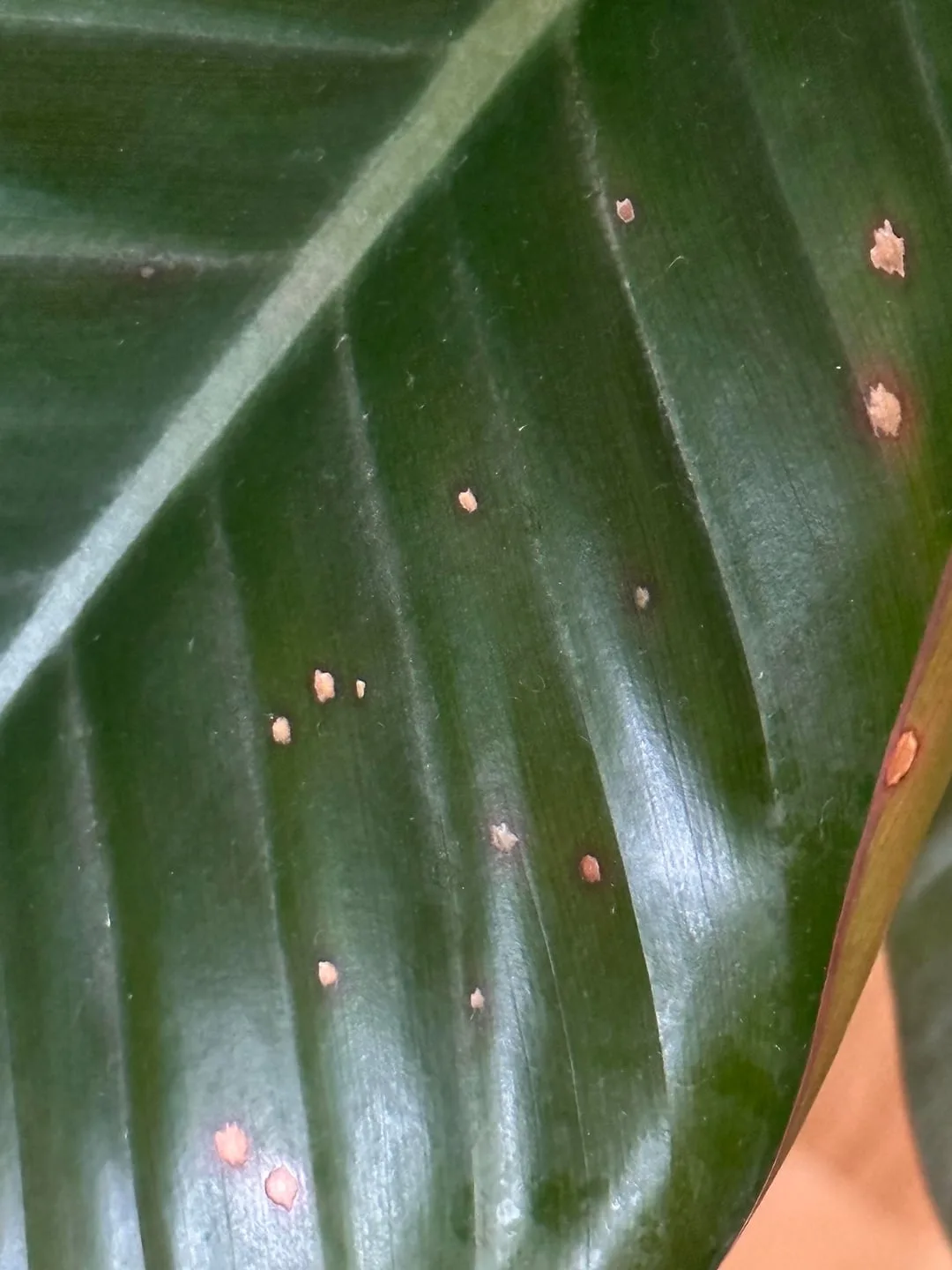
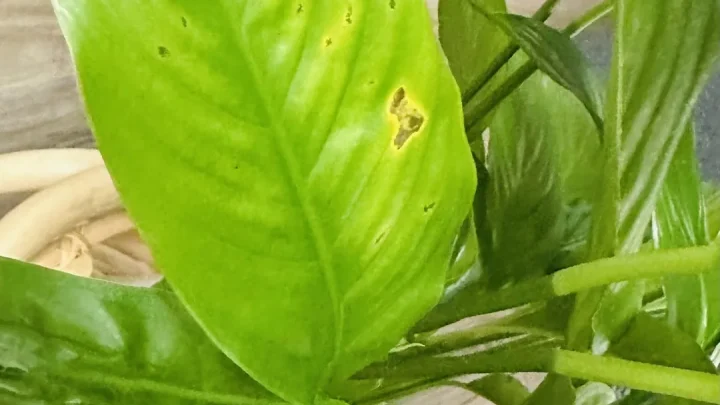
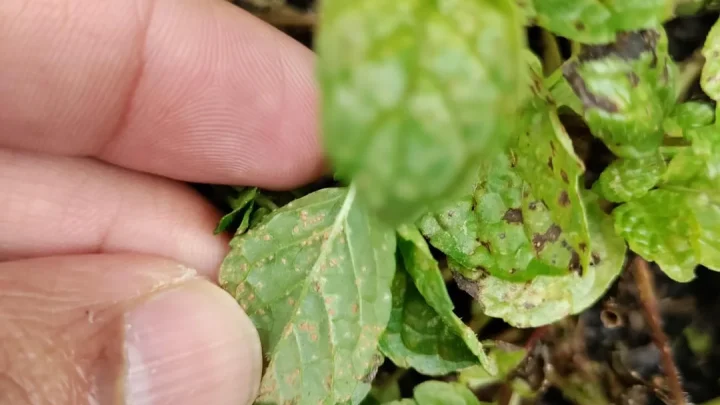
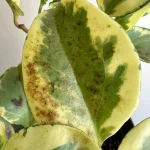
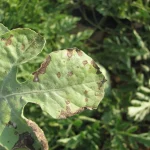
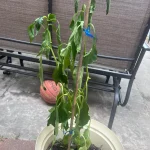
Image source: Web (Bing) / reddit.com (Web image (fair-use with source credit))
Quick Answer
Brown spots on heart leaf philodendron signal stress or disease. Mushy spots mean fungal or bacterial infection. Crispy spots indicate sunburn or underwatering.
Check the texture first to choose the right fix.
Why Your Heart Leaf Philodendron Has Brown Spots (And How to Read Them)
Heart leaf philodendrons are tough plants. They bounce back from almost anything if you catch the issue early. But those brown spots are not just cosmetic flaws.
They are distress signals.
The biggest mistake people make is treating all brown spots the same way. In our research, we found that overwatering gets blamed for nearly everything. That assumption leads to the wrong treatment about half the time.
You have to look closer.
Your first step is always physical inspection. Touch the damaged tissue gently. Feel whether it is wet or dry.
Look at the edges of the spot under good lighting. These details tell you exactly which decision branch to follow next.
Here is the basic framework we use for diagnosis.
| Spot Texture | Spot Color | Most Likely Cause |
|---|---|---|
| Soft and mushy | Dark brown or black | Bacterial or fungal infection |
| Papery and crisp | Light brown or tan | Sunburn or severe underwatering |
| Crunchy tips only | Brown margins | Low humidity or tap water minerals |
| Tiny pinpricks | Yellow or brown speckles | Spider mites or thrips |
If the spot feels like wet tissue paper, you are dealing with a pathogen. If it crumbles when you touch it, the cells died from lack of water or too much light. This simple test saves you hours of guessing.
Once you know the texture, you can move straight to the specific treatment path. Do not skip this step. Applying fungicide to a sunburned leaf will not help your plant recover any faster.
The Decision Tree: Match the Spot Texture and Color to the Cause
Every brown spot falls into one of four categories. We built this decision tree based on standard diagnostic protocols used by commercial growers. Follow the path that matches your plant's symptoms.
Path A: Mushy, Dark Spots With a Yellow Halo (Bacterial or Fungal Infection)
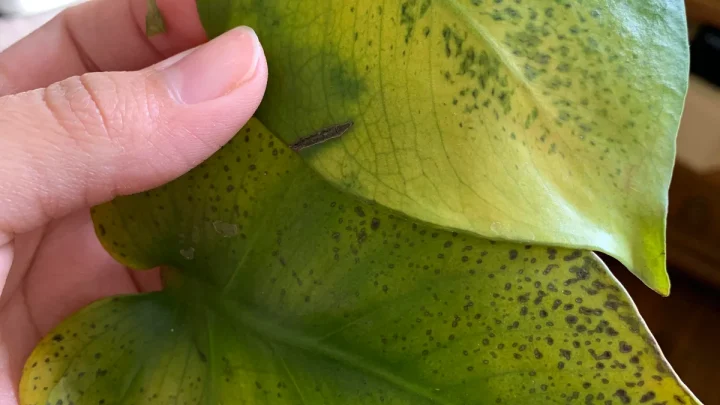
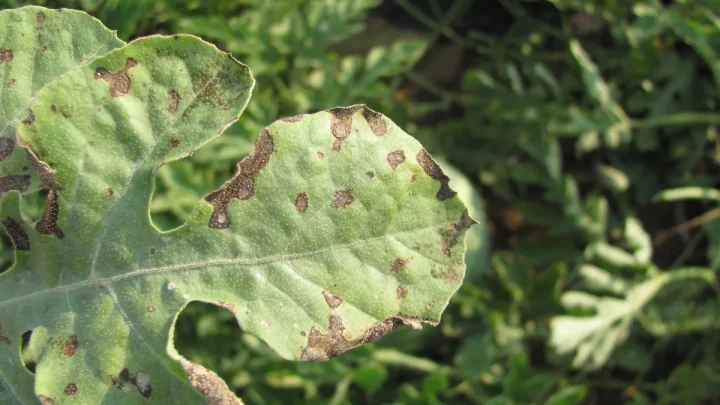
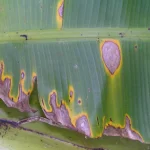
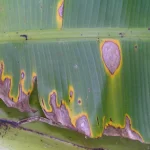
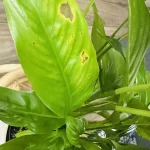
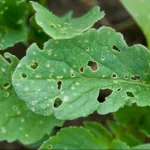
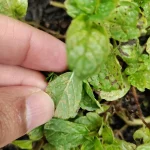
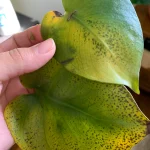
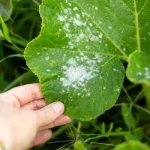
Mushy dark spots with yellow halos mean your plant has a bacterial or fungal infection. Pathogens like Xanthomonas or Cercospora thrive in wet conditions. They enter through wounds or natural leaf pores.
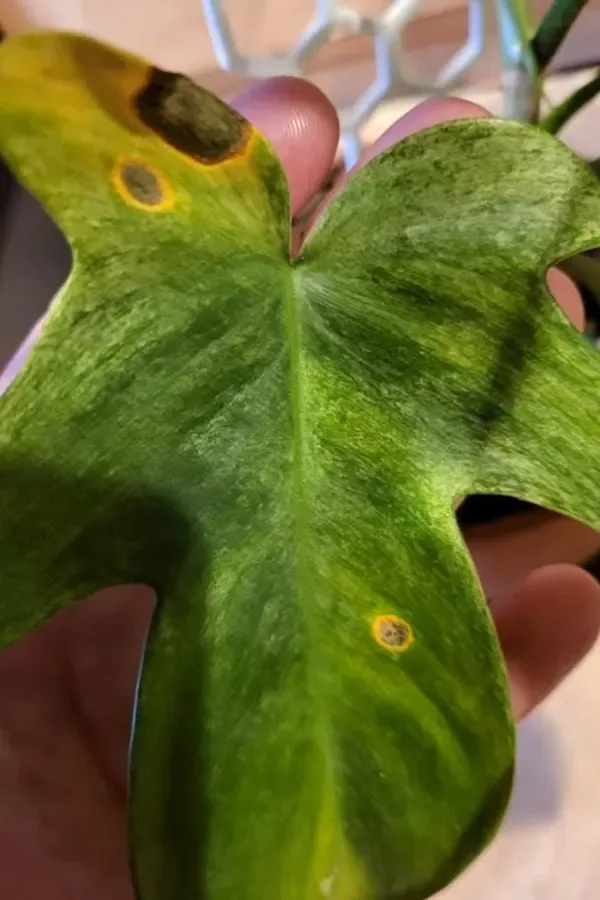
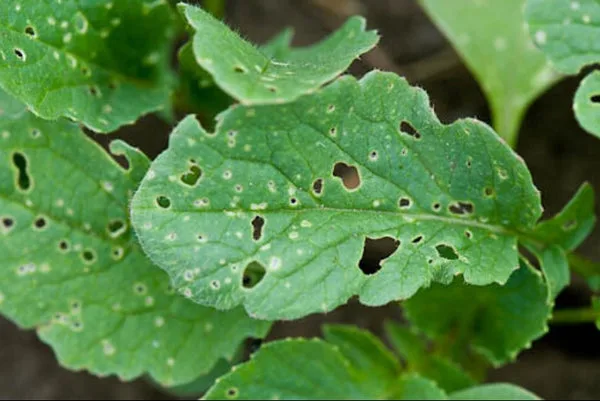
Image source: Bing (Web (fair-use with source credit))
You will notice these spots spreading quickly. They often start on the lower leaves where air circulation is poor. The yellow halo happens because the bacteria release toxins that kill surrounding cells ahead of the main infection.
If you see this pattern, act immediately. Bacterial leaf spot spreads to other houseplants fast. Isolate the infected philodendron away from your collection today.
Do not wait until tomorrow.
Fungal spots sometimes look similar but usually have concentric rings inside the dead tissue. Both require immediate quarantine. Both need you to stop misting the leaves entirely.
Wet foliage is their primary breeding ground.
Path B: Crispy, Dry, Light Brown Patches (Sunburn or Underwatering)
Crispy light brown patches mean the leaf tissue dried out and died. This happens from direct sunlight or prolonged drought. The cells collapse and turn into thin paper.
Heart leaf philodendrons naturally grow under forest canopies. They evolved for bright indirect light. Direct afternoon sun hitting a window will scorch the leaves in hours.
The spots usually face the window directly.
Underwatering causes similar damage but looks slightly different. The whole leaf might curl inward before turning brown. The soil will be bone dry.
It might even pull away from the edges of the pot.
If the soil is damp but the spots are crispy, check your lighting. If the plant sits in deep shade but the soil is dust, you need to water it. The fix depends entirely on which variable is off.
Path C: Crunchy Brown Tips and Edges Only (Humidity or Water Quality)
Brown tips and edges alone point to low humidity or chemical buildup in your water. The rest of the leaf stays perfectly green. This is an environmental issue, not a disease.
Winter heating systems drop indoor humidity below 20 percent easily. Your philodendron prefers 40 to 60 percent relative humidity. When the air gets too dry, the thinnest parts of the leaf lose moisture fastest.
Those tips die back.
Tap water causes the exact same symptom through a different mechanism. Municipal water contains chlorine and fluoride. These chemicals accumulate in the leaf margins over time.
Eventually they burn the tissue from the inside out.
If you suspect water quality, switch to filtered water. You can also leave tap water sitting out overnight. This lets some chlorine evaporate before you pour it into the pot.
Fluoride does not evaporate, so filtration is better long term.
Path D: Tiny Pinprick Speckles (Spider Mites, Thrips, or Scale)
Tiny scattered speckles mean sap sucking insects are feeding on your plant. Pests pierce individual cells and drain them. Each puncture leaves a microscopic dead spot behind.
Flip the affected leaves over. Look closely at the undersides and the stem joints. Spider mites leave fine webbing between the vines.
Thrips look like tiny moving slivers of rice. Scale insects resemble small brown bumps glued to the stems.
If you see movement or webbing, you have pests. Isolate the plant immediately. Wipe every single leaf down with a damp cloth.
This physically removes a large portion of the population before you even apply treatments.
Pest damage spreads slowly compared to bacterial infections. But it weakens the plant significantly over weeks. Catching it early means a simple soap spray fixes the problem.
Waiting too long requires repeated chemical applications.
Step-by-Step Fixes for Each Diagnosis
Once you identify the correct path, follow these exact steps. Do not mix treatments. Targeted action works best for recovering stressed plants.
Fixing Path A (Infections):
- Move the plant to a separate room immediately.
- Wipe your pruning shears with 70 percent isopropyl alcohol.
- Cut off every leaf showing mushy spots or yellow halos.
- Throw the diseased leaves in the trash, never the compost bin.
- Stop misting the plant entirely. Keep the foliage bone dry.
- Check the soil moisture two inches down. If it is soggy, repot the plant into fresh chunky aroid mix.
- Apply a copper based fungicide according to the label instructions if spots keep appearing.
Fixing Path B (Sunburn or Drought):
- Move the plant three feet back from the window if it is getting direct sun.
- Install a sheer curtain if you cannot move the plant further away.
- If the soil is completely dry, soak the pot thoroughly until water drains from the bottom.
- Trim the worst crispy edges with sterilized scissors to improve appearance. Leave a tiny sliver of brown edge so you do not create a fresh wound.
Fixing Path C (Humidity or Water):
- Group your tropical plants together to create a humid microclimate.
- Place the pot on a shallow tray filled with pebbles and water. Keep the pot base above the water line.
- Switch to filtered water for all future watering sessions.
- Avoid placing the plant near AC vents or heating radiators.
Fixing Path D (Pests):
- Wipe both sides of every leaf with a damp microfiber cloth.
- Spray the entire plant with insecticidal soap or neem oil.
- Focus heavily on the leaf undersides and stem joints.
- Repeat the spray application every five to seven days for three weeks. This breaks the breeding cycle.
Common Mistakes That Make Brown Spots Worse
People panic when they see leaf damage. That panic leads to actions that hurt the plant even more. We see the same errors constantly in aggregate user reports.
The biggest mistake is repotting immediately. If your plant has bacterial leaf spot, pulling it out of its pot stresses the roots. Transplant shock weakens its immune system.
The infection spreads faster while the plant tries to establish new roots. Only repot if the soil is genuinely waterlogged.
Another common error is misting the leaves to "help" them recover. If the spots are mushy, adding water to the foliage feeds the bacteria. You are literally spraying food onto the pathogen.
Keep infected leaves completely dry.
Using dirty tools spreads disease across your entire collection. If you prune an infected leaf and then snip a healthy one, you transfer the bacteria directly into the fresh cut. Always wipe your blades with 70 percent isopropyl alcohol between cuts.
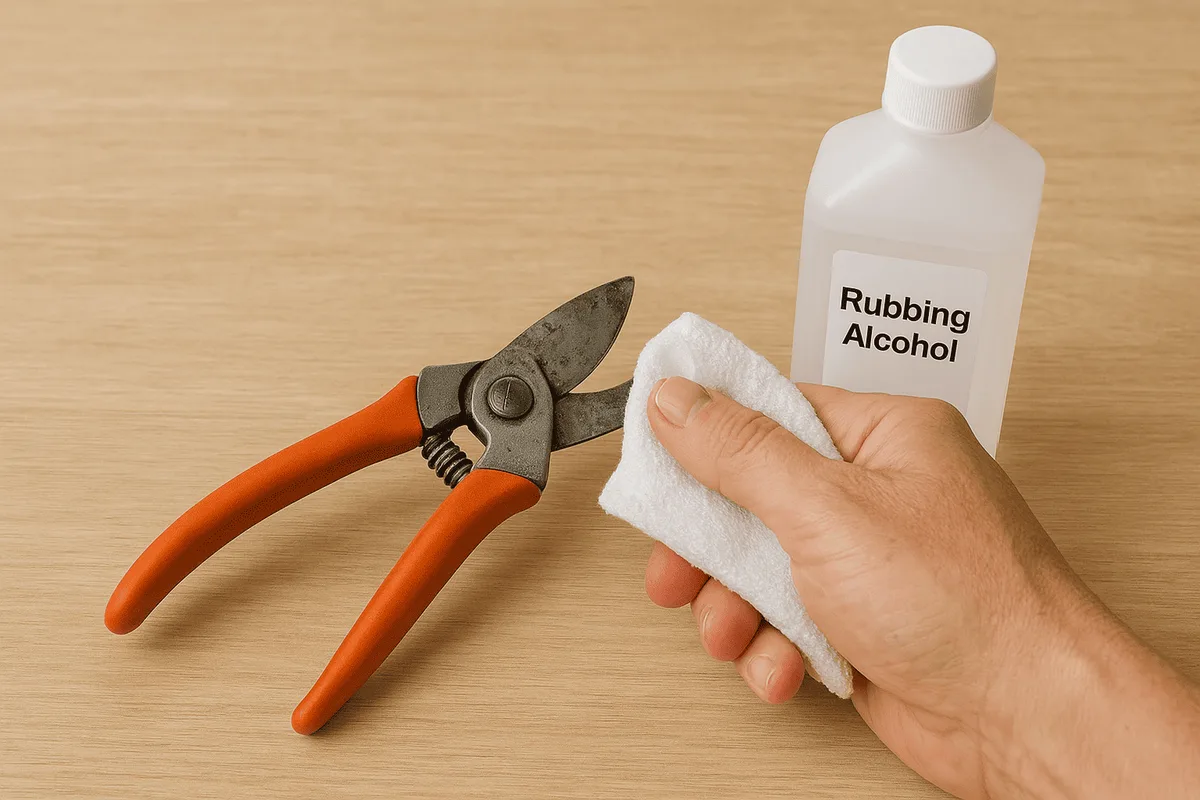
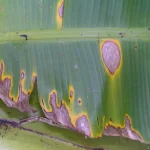
Image source: Bing (Web (fair-use with source credit))
Watering on a strict calendar schedule causes massive problems too. Your plant does not care if it is Tuesday. It cares about soil moisture.
Stick your finger two inches into the dirt. If it feels damp, walk away. Overwatering suffocates roots and invites root rot pathogens like Pythium.
Finally, throwing diseased leaves into your compost pile guarantees future infections. Fungal spores and bacteria survive the composting process in home bins. Seal all pruned infected material in a plastic bag and put it in the household trash.
Keeping Your Philodendron hederaceum Spot-Free Long-Term
Preventing future damage is much easier than treating an active infection. Once your plant recovers, you need a consistent care routine. Heart leaf philodendrons thrive on predictable conditions.
Sudden changes in light or moisture trigger stress responses that lead right back to spotting.
Water only when the top two inches of soil feel completely dry. Stick your finger straight down into the pot to check. If you feel any dampness at that depth, wait another day or two.
Aggregate user reviews consistently show that overwatering remains the number one killer of indoor aroids as of 2026.
Light placement matters just as much as watering habits. An east facing window provides gentle morning sun without the harsh afternoon heat. If you only have south or west windows, hang a sheer curtain.
Direct rays will scorch those thin leaves quickly.
Keep the foliage dry during every single watering session. Pour water directly onto the soil surface instead of splashing it over the vines. Wet leaves sitting in stagnant indoor air invite fungal spores to germinate.
Bottom watering through a drainage tray works perfectly for keeping the canopy dry.
Check your ambient humidity if your home runs dry during winter months. Forced air heating systems easily drop indoor levels below 30 percent. Grouping tropical plants together creates a natural microclimate through transpiration.
You can also run a small humidifier nearby to maintain that ideal 40 to 60 percent range.
Finally, inspect the undersides of your leaves once a week. Catching spider mites or thrips early means a simple cloth wipe solves the problem. Waiting until visible webbing appears requires weeks of chemical treatments.
Routine observation keeps your collection healthy year round.
Frequently Asked Questions
Should I cut off leaves with brown spots?
Yes, remove leaves with mushy or spreading brown spots immediately. Use sterilized scissors to make clean cuts near the base of the stem. Leaving infected tissue attached allows pathogens to spread to healthy growth.
Crispy sunburned leaves can stay on the plant if they are not rotting.
Can heart leaf philodendrons recover from bacterial leaf spot?
They absolutely can recover if you catch the infection early. Quarantine the plant and prune away all diseased foliage right away. Keep the remaining leaves completely dry and improve air circulation around the pot.
New healthy growth typically emerges within two to four weeks.
Why do the tips of my philodendron turn brown?
Brown leaf tips usually point to low humidity or mineral buildup from tap water. Indoor heating strips moisture from the air faster than the plant can adapt. Switching to filtered water and adding a pebble tray often resolves this issue entirely.
It is rarely a sign of disease.
How often should I water my heart leaf philodendron?
Never water on a strict weekly schedule. Check the soil moisture by pressing your finger two inches deep first. Only add water when that top layer feels completely dry to the touch.
This prevents the soggy roots that cause dark brown fungal spots.
Are brown spots on philodendrons contagious to other plants?
Bacterial and fungal spots spread very easily to nearby houseplants. Sap sucking pests like spider mites will also migrate across your collection quickly. Always isolate a spotted plant the moment you notice soft or spreading lesions.
Physiological issues like sunburn or underwatering cannot transfer to other pots.

Similar Posts