Brown Spots on Peace Lily Leaves: Causes & Easy Fixes
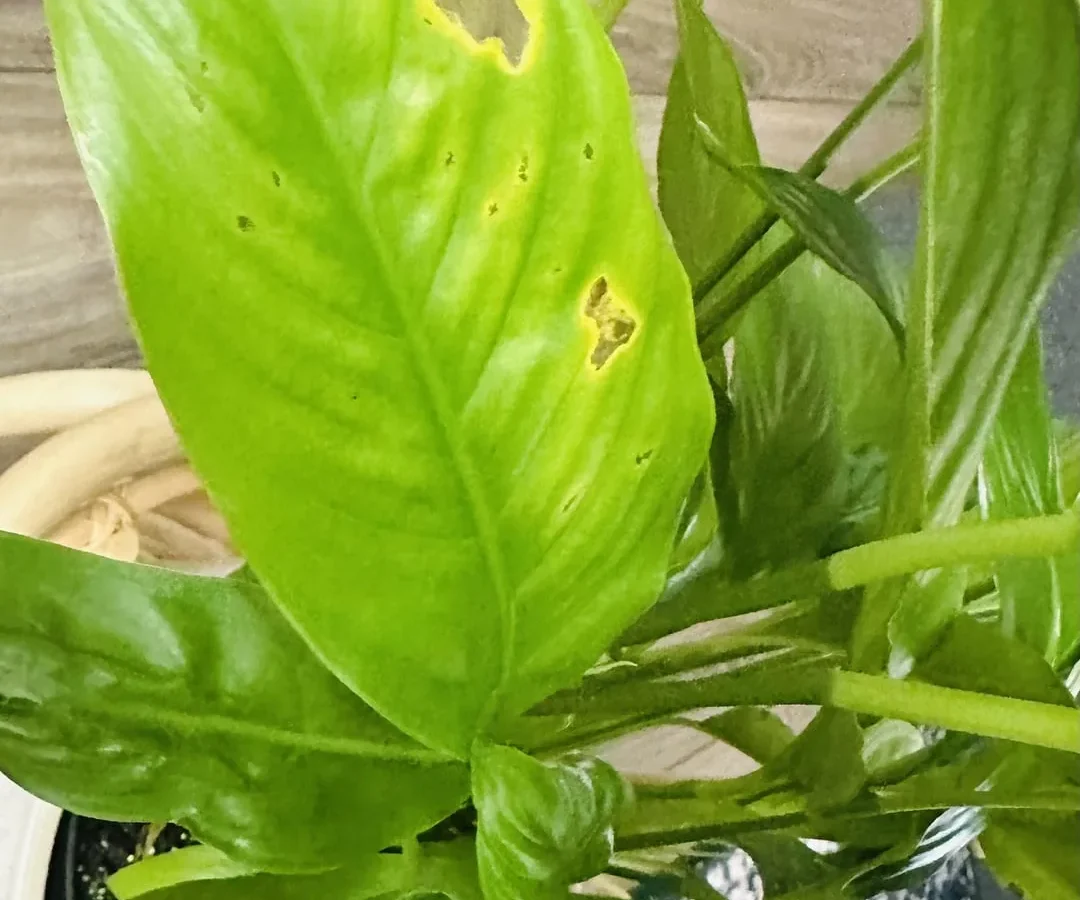
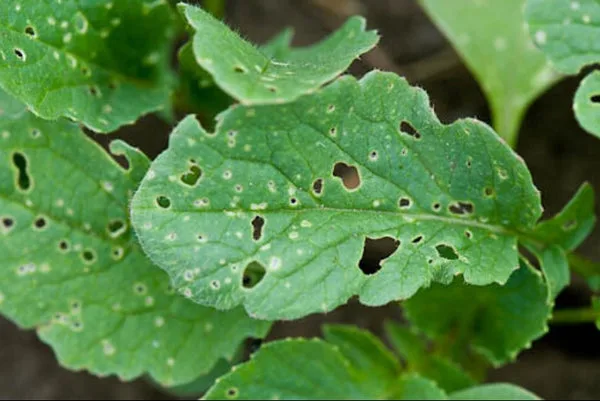
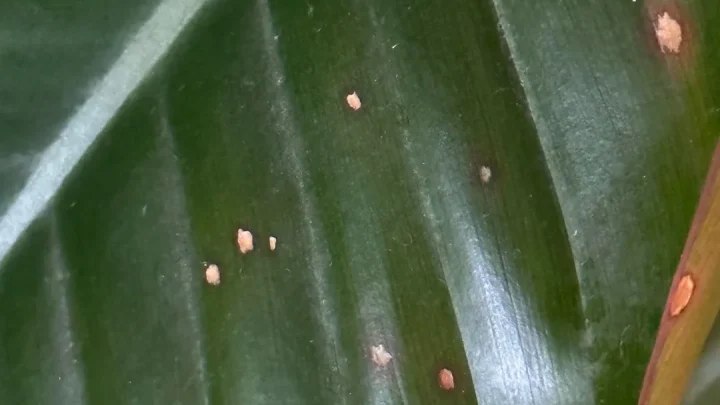
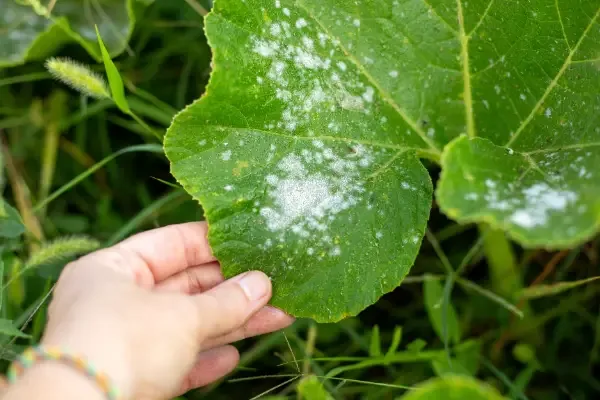
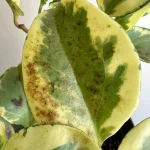
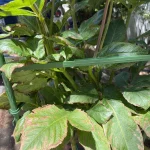
Peace lily leaves brown spots usually signal a specific cultural issue or pathogen rather than random decline. Identifying the exact cause requires checking texture, location, and progression patterns first. Misdiagnosis often leads to treatments that worsen the underlying problem significantly.
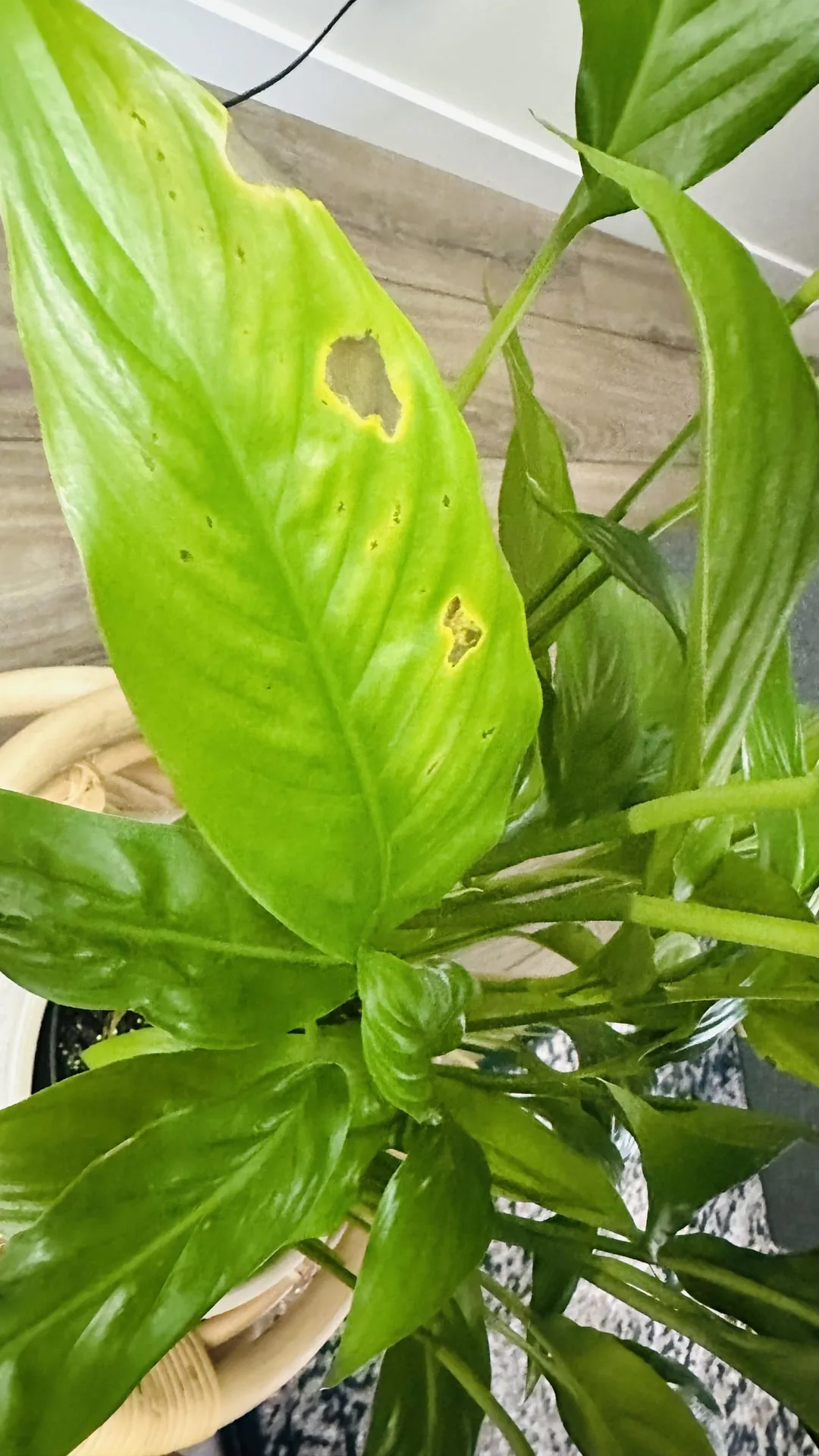
Image source: Bing (Web (fair-use with source credit))
University extension research confirms abiotic stress causes over 80% of foliar damage in indoor Spathiphyllum as of 2026. We will walk through a diagnostic workflow to distinguish environmental issues from infectious diseases accurately. This systematic approach ensures you apply the correct remedy immediately.
Quick Answer
Peace lily leaves brown spots indicate stress or disease. Dry crispy tips mean low humidity or salt buildup. Mushy dark lesions signal bacterial or fungal infection.
Yellow halos around spots confirm active pathogens. Adjust watering and light before applying fungicides.
The 3-Step Triage: Texture, Location, and Smell
Diagnosis starts with physical inspection before any treatment begins. You must evaluate three specific variables to narrow down the cause effectively. Skipping this step leads to wasted time and further plant decline.
What does the spot texture tell you?
Texture is your most reliable diagnostic indicator for peace lily leaves brown spots. Dry and crispy lesions almost always point to abiotic stressors like underwatering or fertilizer burn. These spots feel papery and do not spread when touched gently.
Mushy or wet textures indicate biotic pathogens or severe edema. Bacterial soft rot creates slimy lesions that may ooze fluid when pressed. Fungal infections often feel dry on top but remain soft underneath the necrotic tissue.
Where are the spots located?
Location provides critical context about the stressor's origin. Tip burn and marginal necrosis typically result from salt accumulation or fluoride toxicity in tap water. These symptoms appear uniformly across multiple leaves at similar growth stages.
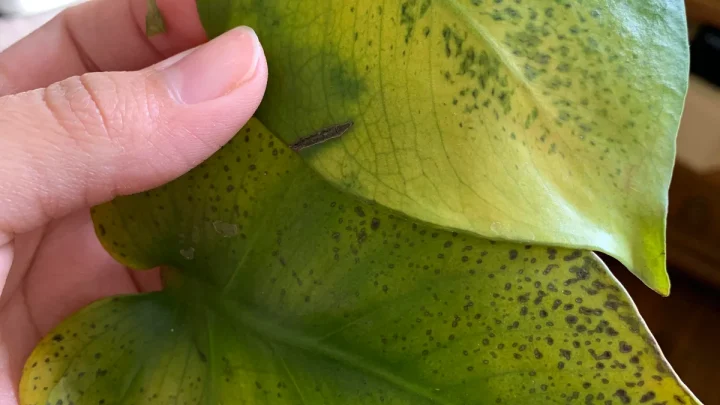
Random spots scattered across the leaf blade suggest fungal spores or insect damage. Lower canopy spotting often indicates prolonged wetness or poor air circulation near the soil line. New growth damage points to root system failure or cold injury during transport.
Does the foliage emit an odor?
Smell is the definitive test for bacterial infection versus fungal issues. A foul or rotting odor confirms Erwinia or Pseudomonas presence immediately. Fungal pathogens and abiotic disorders produce no detectable scent even in advanced stages.
This sensory check takes only seconds but prevents catastrophic misdiagnosis. Treating bacterial rot with fungicides accelerates decline by adding moisture to infected tissue. Always isolate plants emitting odors before proceeding with further examination or treatment steps.
Fungal vs. Bacterial Leaf Spot: Critical Differences and Treatments
Distinguishing between these two pathogens determines whether your plant survives. They present similarly to untrained eyes but require opposite management strategies. Getting this wrong can destroy a recoverable specimen within days.
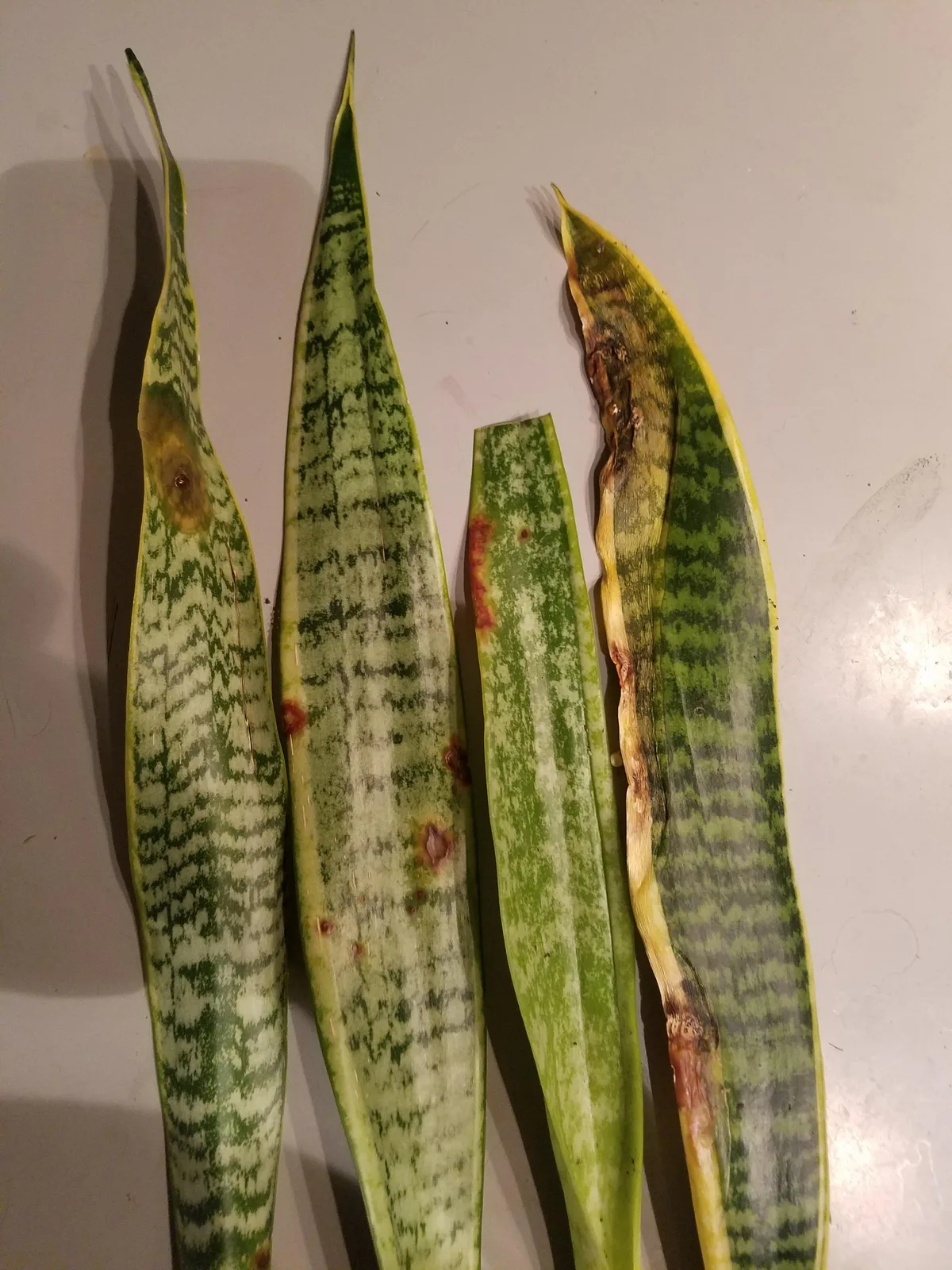
Image source: Bing (Web (fair-use with source credit))
How do visual symptoms differ?
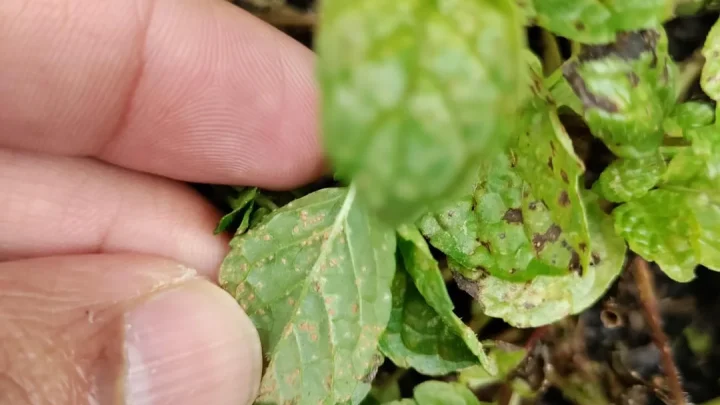
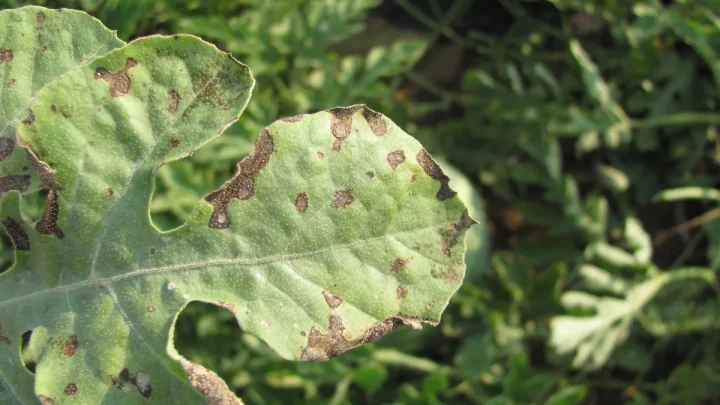
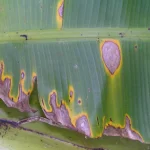
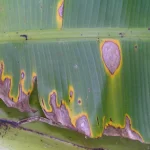
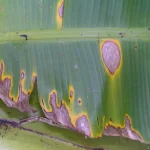
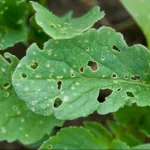
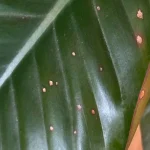
Fungal leaf spot displays concentric rings or defined circular margins. Lesions often have a yellow chlorotic halo separating dead tissue from healthy green areas. Spots remain relatively contained and progress slowly over weeks under favorable conditions.
Bacterial lesions appear water-soaked with irregular or ragged edges. They lack distinct zoning and spread rapidly along veins or leaf margins. Affected tissue collapses quickly and may emit the characteristic foul odor mentioned earlier.
| Symptom | Fungal Infection | Bacterial Infection |
|---|---|---|
| Lesion Shape | Circular with rings | Irregular and ragged |
| Texture | Dry or powdery surface | Wet, slimy, or oozing |
| Progression | Slow over weeks | Rapid over days |
| Odor | None detected | Foul or rotting smell |
| Halo | Distinct yellow border | Water-soaked margin |
Which treatments work for each pathogen?
Fungal infections respond to copper-based fungicides or neem oil applications. Remove affected foliage first to reduce spore load before spraying. Improve air circulation and avoid overhead watering to prevent reinfection cycles.
Bacterial infections require immediate isolation and aggressive sanitation. Copper bactericides offer limited control once symptoms manifest visibly. Severely infected plants should be discarded to protect nearby specimens from rapid transmission.
Penn State Extension recommends destroying plants with confirmed bacterial soft rot rather than attempting chemical rescue. The pathogen spreads through water droplets and contaminated tools faster than treatments can contain it. Prevention through proper watering practices remains the only reliable defense strategy.
Abiotic Stress: Fixing Water, Light, and Nutrient Burn
Most brown spots stem from cultural mistakes rather than infectious agents. These issues are fully reversible once you identify and correct the underlying trigger. Plants typically show improvement within two to four weeks of adjusted care.
Is inconsistent watering causing dry patches?
Underwatering creates dry brown tips and crispy leaf margins. Peace lilies wilt dramatically when thirsty but recover turgor after thorough soaking. Repeated drought stress damages cell structure permanently even after rehydration occurs.
Overwatering produces similar browning but with mushy texture and wilting despite wet soil. Roots suffocate without oxygen and begin rotting within days of saturation. Check soil moisture two inches deep before every watering session to prevent both extremes.
Could light exposure be burning foliage?
Direct sunlight scorches peace lily leaves within hours of exposure. Burned areas appear bleached white initially then turn brown and papery. Damage concentrates on upper surfaces facing the light source rather than spreading randomly.
Move plants receiving direct rays to bright indirect light immediately. Filtered east-facing windows provide ideal intensity without scorch risk. Damaged leaves will not recover but new growth should emerge healthy once lighting stabilizes.
Are salts accumulating from fertilizer or tap water?
Fluoride and chlorine in municipal water cause tip burn specifically. Excess fertilizer deposits create brown margins and stunted new growth. Both issues manifest gradually over months rather than appearing suddenly like pathogen damage.
Flush soil thoroughly with distilled water to leach accumulated salts. Switch to rainwater or filtered water for future irrigation sessions. Reduce fertilizer application to quarter strength during winter dormancy periods to prevent renewed buildup.
Edema and Environmental Shock: When Spots Aren't Disease
Edema mimics disease but results from physiological water imbalance instead. Cold shock produces similar spotting after temperature drops below safe thresholds. Neither condition involves pathogens despite alarming visual symptoms.
What causes edema blisters to form?
Edema occurs when roots absorb water faster than leaves can transpire it. Cells rupture under internal pressure creating raised brown or corky spots. These lesions typically appear on leaf undersides first before becoming visible above.
High humidity combined with cool temperatures triggers this response frequently. Reducing watering frequency and improving air circulation resolves the issue naturally. Existing spots remain permanent but new growth emerges unaffected once conditions stabilize.
How does cold injury manifest differently?
Chilling damage appears as dark brown or blackened patches after exposure below 55°F. Symptoms develop hours to days after the cold event rather than progressively. Affected tissue feels soft initially then dries to papery texture.
Drafts from air conditioning vents or winter window proximity cause localized damage. Move plants away from cold sources and maintain consistent temperatures above 65°F. Severely damaged leaves should be removed once recovery signs appear on new growth.
Safe Pruning and Recovery Protocol for Damaged Leaves
Removing compromised foliage prevents secondary infections and redirects energy toward recovery. Proper technique matters as much as timing for successful rehabilitation. Rushing this process or using dirty tools introduces new problems unnecessarily.
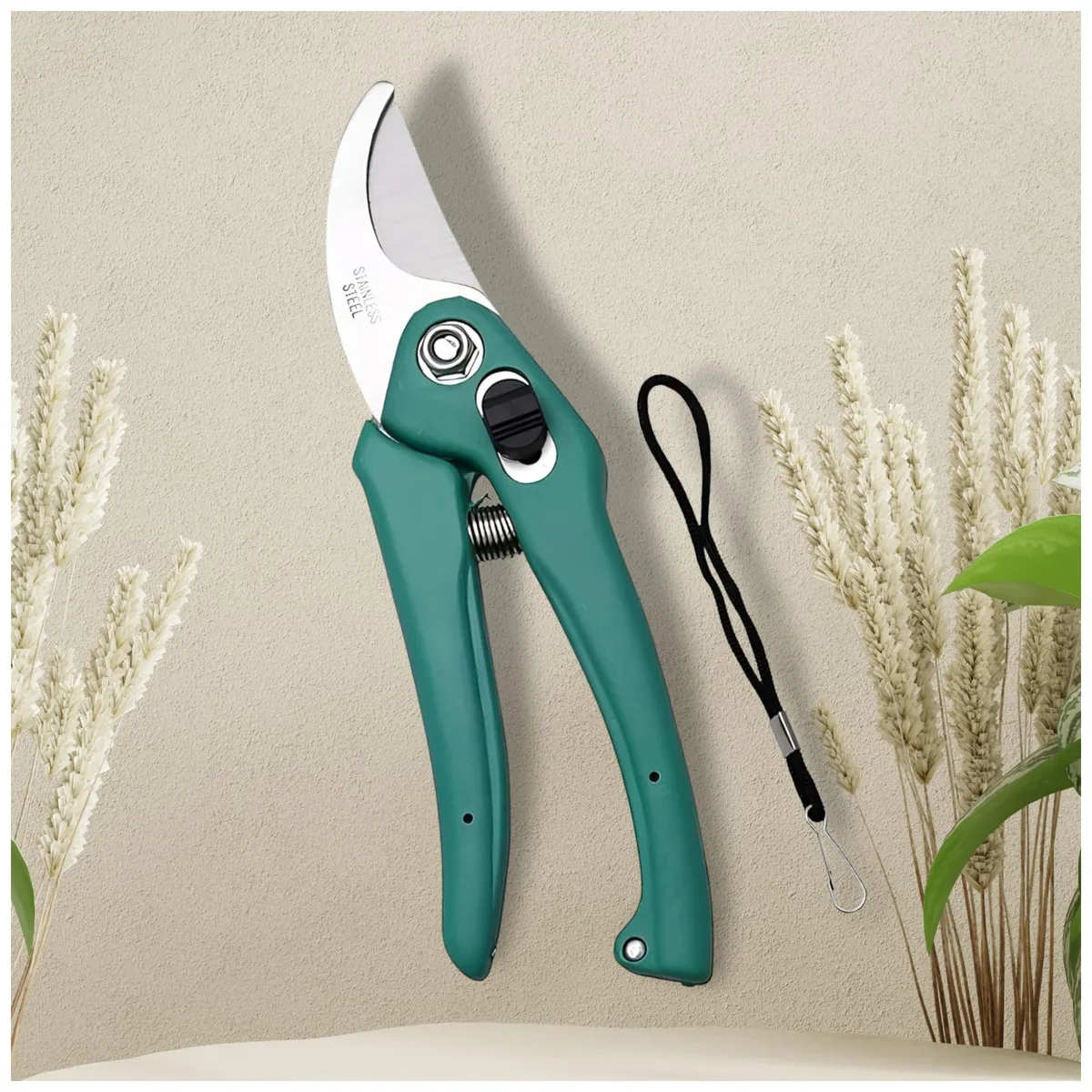
Image source: Bing (Web (fair-use with source credit))
When should you prune affected leaves?
Wait until you have identified and addressed the underlying cause first. Pruning without fixing the trigger simply removes symptoms temporarily. New growth will continue showing damage if environmental or pathogenic issues persist untreated.
Remove leaves with more than fifty percent damage entirely at the petiole base. Trim partial damage following natural leaf contours to maintain aesthetics. Never remove more than one-third of total foliage during a single pruning session.
How do you sterilize tools properly?
Clean shears prevent cross-contamination between healthy and diseased tissue. Wipe blades with seventy percent isopropyl alcohol between every cut. Bleach solutions corrode metal and leave harmful residues that damage fresh wounds.
Make clean cuts without crushing or tearing plant tissue. Ragged wounds invite opportunistic pathogens even on otherwise healthy specimens. Dispose of removed material in sealed bags rather than composting to eliminate pathogen reservoirs completely.
Common Misdiagnoses That Kill Peace Lilies
Treating abiotic stress as a fungal infection wastes time and resources. Fungicides add unnecessary moisture to already stressed root systems. This extra wetness often triggers the very root rot you were trying to prevent.
Conversely, ignoring bacterial soft rot because spots look dry allows rapid spread. Early bacterial lesions can appear deceptively contained before collapsing suddenly. Waiting for obvious mushiness means missing the critical intervention window entirely.
Why does misting worsen some brown spots?
Misting increases leaf surface moisture which fuels bacterial and fungal growth. Many gardeners mist to fix brown tips caused by low humidity. This practice directly contradicts treatment needs for pathogenic leaf spots.
Humidity trays or room humidifiers raise ambient moisture safely without wetting foliage. These methods address dry air concerns while keeping leaves dry. Reserve spraying only for confirmed pest issues requiring direct contact treatments.
When is browning actually natural senescence?
Older lower leaves naturally yellow then brown as nutrients relocate upward. This aging process affects single leaves at a time rather than multiple simultaneously. Spots do not spread to newer growth or adjacent plants.
Removing senescing leaves prematurely robs the plant of stored energy. Allow natural yellowing to complete before pruning aged foliage. True pathology always involves progressive symptoms beyond simple age-related decline.
Over-fertilizing to reverse natural aging causes salt burn instead. New damage appears on younger leaves while old ones continue declining normally. This creates a confusing cycle of misdiagnosis and worsening cultural problems.
Peace Lily Brown Spot FAQs
Can brown spots spread to other houseplants?
Fungal and bacterial pathogens spread readily through water splash or contaminated tools. Abiotic damage from watering or light issues remains isolated to affected specimens. Always quarantine plants with suspected infectious spots until diagnosis confirms safety.
Should I cut off leaves with brown spots immediately?
Remove only leaves with extensive damage exceeding fifty percent coverage. Partial spots on otherwise healthy leaves can remain during treatment observation. Premature removal reduces photosynthetic capacity needed for recovery and new growth production.
Does tap water cause peace lily leaf browning?
Fluoride and chlorine in municipal supplies accumulate causing tip burn over months. Switching to distilled or rainwater prevents further mineral deposition. Existing brown tips will not heal but new growth emerges cleanly once water quality improves.
How long does recovery take after fixing the cause?
Visible improvement typically appears within two to four weeks of correction. Damaged leaves never regain green color even after stress resolution. Focus monitoring efforts on emerging foliage rather than expecting existing spots to fade away.
Are copper fungicides safe for indoor peace lilies?
Copper products are effective against fungal pathogens when used according to label directions. Overapplication causes phytotoxicity appearing as new brown spotting. Test on single leaves first and ensure adequate ventilation during indoor applications.

Similar Posts