How to Root Strawberry Runners in Water Fast
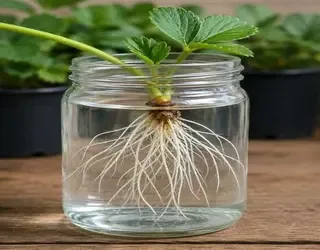
Rooting strawberry runners in water works, but it creates fragile roots that need careful handling. If you just drop a stolon into a glass and wait, you'll likely lose the plantlet during transplant. Our research shows this method succeeds only when you understand how water changes root structure.
Horticultural trials from university extension programs confirm water roots lack the microscopic hairs needed for soil survival. You have about 14 to 21 days before those roots become too stringy to adapt. Let's look at why that happens and how to manage it.
Image source: Bing (Web (fair-use with source credit))
Quick Answer
Rooting strawberry runners in water is a valid propagation method. You submerge only the base of the daughter plant node. White adventitious roots emerge within seven to ten days.
Transplant them into light soil once roots reach two inches long. Leaving them longer causes rot.
Why Water Roots Are Different (And Why That Changes Everything)
Water roots are not soil roots. When a strawberry runner pushes out adventitious roots in a glass of water, it builds tissue designed for one specific environment. That environment is 100% humidity with zero physical resistance.
The plant doesn't need to work hard to find moisture.
Because the plant expends less energy, the resulting roots grow long, pale, and incredibly brittle. They completely skip developing root hairs. Those tiny hairlike extensions are what soil roots use to pull up water and nutrients.
Without them, a water rooted plant struggles the moment it hits dirt.
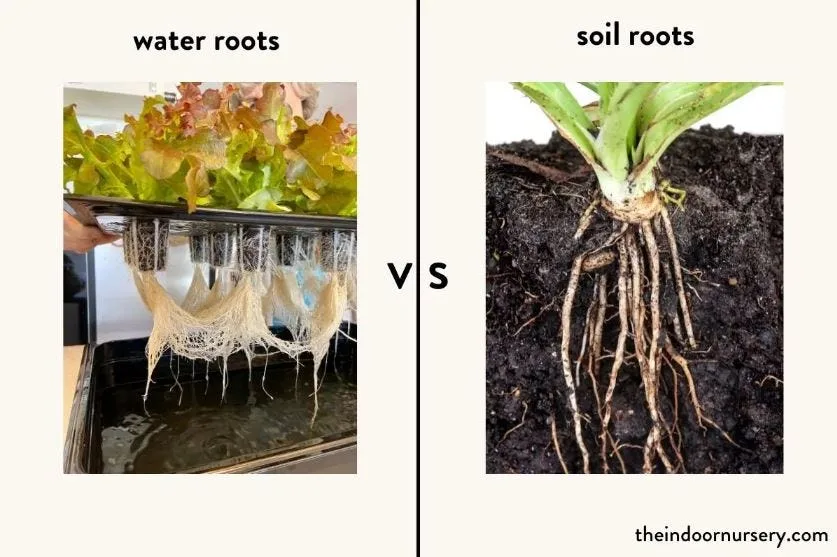
Image source: Bing (Web (fair-use with source credit))
This structural difference dictates your entire timeline. Soil pinning allows the mother plant to support the baby while it builds robust roots. Water rooting forces the plantlet to build a temporary, specialized root system just to survive the glass.
You are racing against adaptation.
If you leave the runner in water past 28 days, the roots start degrading. They turn slimy and brown. Per university extension guidelines on vegetative propagation, cuttings transition best when moved early.
The sweet spot is right when you see secondary branching start.
Understanding this biology prevents the most common failure point. People assume more roots equal a stronger plant. In water, more roots usually mean a weaker transplant.
You want just enough growth to sustain the plantlet independently, then you move it immediately.
What does this mean for your setup?
It means you cannot treat a water rooted strawberry like a pothos cutting. Pothos adapts easily because its natural habitat includes heavy moisture. Strawberries demand well drained conditions.
You must plan the soil transition before you even fill the glass.
When Water Propagation Actually Beats Soil Pinning
Pinning a runner directly into a pot of soil next to the mother plant is the standard approach. It keeps the umbilical stem intact while the new crown establishes. So why bother with a glass of water at all?
Space is usually the main reason.
If your strawberries grow in vertical towers or hanging baskets, pinning a pot beside them is physically impossible. A small cup suspended by wire solves that problem instantly. Urban gardeners dealing with tight balcony setups rely on this trick constantly as of 2026.
Disease control is another major factor. Damping off pathogens thrive in wet soil. Fungus gnats lay eggs in the top inch of potting mix.
Clean water eliminates both risks during the vulnerable first two weeks. You get a sterile environment while the node develops.
Water rooting also makes sharing plants much easier. Shipping a pot of dirt is heavy and messy. A rooted cutting wrapped in a damp paper towel inside a plastic bag travels perfectly.
This matters if you trade cultivars with other growers or mail starts to friends.
Here is how the two methods compare across practical factors:
| Factor | Water rooting | Soil pinning |
|---|---|---|
| Space required | Minimal, hangs off edges | Needs adjacent pot space |
| Disease risk | Very low | Moderate to high |
| Root strength | Fragile, lacks root hairs | Robust, immediate adaptation |
| Visual progress | Fully visible | Hidden under soil |
| Transplant shock | High without hardening | Almost none |
| Best for | Vertical setups, sharing | Traditional garden beds |
Choose water when space is tight or disease pressure is high. Choose soil when you want the easiest possible transition. Neither method is wrong.
They just solve different problems.
Rooting Strawberry Runners in Water: The Exact Timeline and Process
Don't snip the runner and drop it in a vase. Timing and technique dictate whether the node survives. Follow these steps exactly to get clean white roots without rotting the crown.
Step 1: Pick a mature node
Wait until the baby plant has at least two or three fully formed leaves. A tiny green bump lacks the energy reserves to survive separation. Leave immature nodes attached to the mother plant until they size up.
Step 2: Keep the runner attached initially
Leave the stolon connected to the mother plant while you root it in water. The mother continues pumping sugars into the baby. Place only the very bottom of the crown into a shallow container.
Use a shot glass or small jar weighed down with pebbles. Never submerge the leaves.
Step 3: Prepare your water
Tap water works fine if you let it sit out overnight. This allows chlorine to dissipate. Distilled water is another safe option.
Don't add liquid fertilizer. Salts will burn the emerging tissue before it can establish.
Step 4: Manage light and maintenance
Place the container in bright, indirect light. Direct afternoon sun turns a glass of water into a slow cooker. Change the water every three to four days to prevent bacterial buildup.
Dump it gently so you don't snap the new roots.
Step 5: Watch the clock
Strawberries follow a strict biological schedule. Here is what our research indicates you should expect:
| Timeframe | Development stage | Action required |
|---|---|---|
| Days 1 to 5 | Acclimation, tiny bumps form | None, just observe |
| Days 7 to 10 | First white threads emerge | Continue water changes |
| Days 14 to 21 | Roots reach 1 to 2 inches | Sever runner, prepare to pot |
| Days 28 plus | Roots turn stringy and slimy | Plant is likely compromised |
Once you see a cluster of roots about two inches long, move immediately. Don't wait for a massive root ball. Longer water exposure guarantees a harder transition later.
The Transition: Moving Fragile Water Roots Into Soil Without Killing Them
This is where generic advice falls flat. You can't shove a water rooted strawberry into heavy garden soil and walk away. Those roots are used to constant hydration and zero friction.
Heavy soil suffocates them almost instantly.
First, sever the runner connecting the baby to the mother plant. Now that it has its own roots, it no longer needs that lifeline. Cut the stolon cleanly with sharp scissors to avoid crushing the tissue.
Next, build the right transitional medium. Forget dense topsoil. Mix standard potting soil with roughly 30% perlite by volume.
You need something fluffy that drains fast but holds enough ambient moisture to keep delicate roots hydrated.
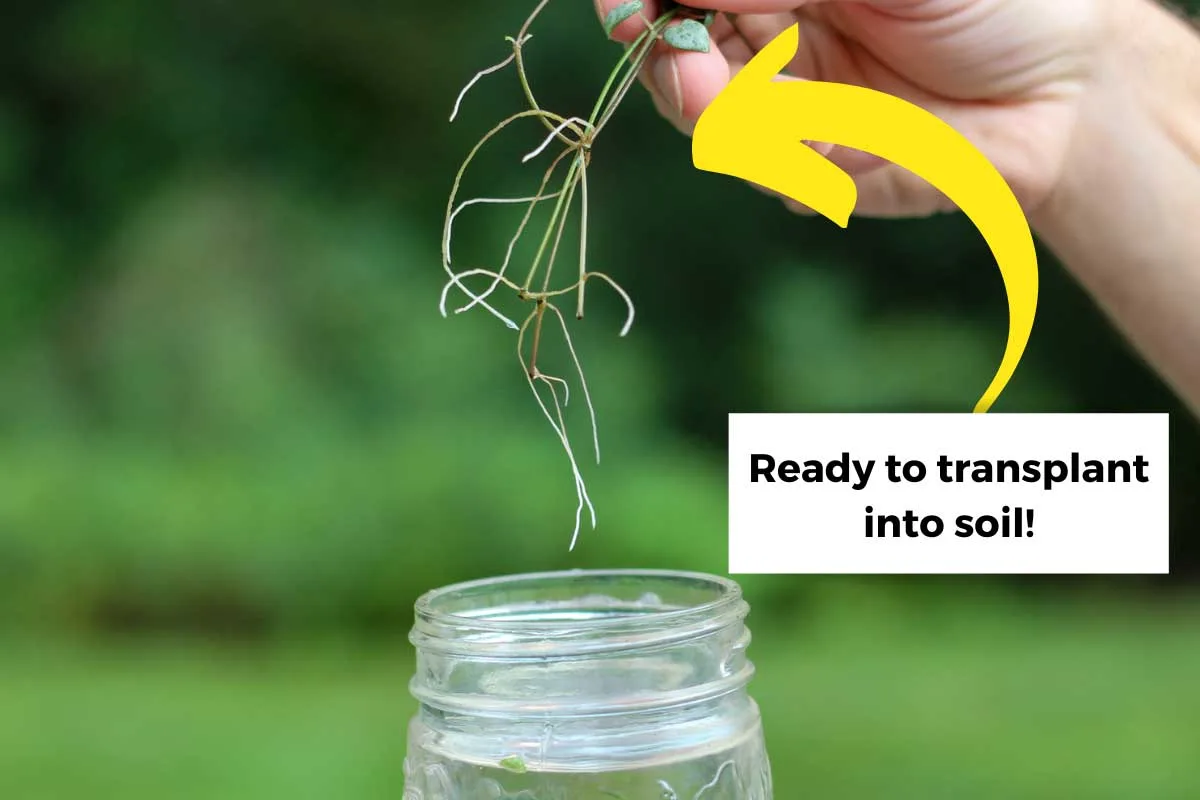
Image source: Bing (Web (fair-use with source credit))
Plant the strawberry extremely shallow. The crown, which is the fleshy part where stems meet roots, must sit exactly at the soil line. Bury the crown and it rots.
Plant it too high and the roots dry out. This margin for error is tiny.
Finally, build a humidity tent. Water roots lack root hairs, so they transpire moisture faster than they can replace it. Cover the newly potted plant with a clear plastic clamshell or a cut plastic bottle.
This traps humidity around the leaves while roots adapt.
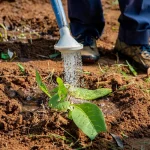
Keep the soil moist but never soggy. Use a spray bottle for the first few days instead of a watering can. Blasting the soil displaces fragile roots.
After five days under the dome, crack it open for a few hours daily to harden the plant off.
Mistakes That Rot Crowns and Snap Roots
Most failures trace back to a few specific errors. Fix these, and your success rate climbs dramatically.
- Submerging the foliage. Only the absolute base of the crown touches the water. Leaves trapped underwater decay rapidly and introduce bacteria to the whole container.
- Using clear glass in direct sun. Algae thrives on sunlight and standing water. It chokes young roots. Wrap clear glasses in foil or use opaque plastic cups to block light penetration entirely.
- Waiting too long to transplant. More roots in water do not mean a stronger plant. They mean a plant highly adapted to an environment it is about to leave. Pot them up at two inches of growth.
- Skipping the humidity dome. Without root hairs, the plant cannot drink efficiently from soil yet. Dry room air pulls moisture from the leaves faster than the roots can supply it. The plant wilts flat within hours.
- Using heavy potting mixes. Standard garden soil compacts when wet. It squeezes out oxygen. Water roots need air pockets to transition properly. Always cut your soil heavily with perlite or coarse sand.
Frequently Asked Questions
How long does it take to root strawberry runners in water?
Expect the first white roots around days 7 to 10. The plantlet is usually ready to pot up between days 14 and 21. Don't wait longer than four weeks.
Roots left in water that long turn slimy and fail in soil.
Can you root a runner without the mother plant attached?
Yes, but only if the node already has two or three true leaves. A tiny green bump needs the mother plant's energy supply to survive. If the baby plant looks fully formed, snip the stolon and place the crown base directly into clean water.
Should I add fertilizer to the rooting water?
Skip the fertilizer completely. Liquid nutrients introduce mineral salts that burn fragile new tissue. Plain tap water left out overnight to dissipate chlorine works perfectly.
Distilled water is also fine. The plantlet relies on stored energy from its leaves during this stage.
Why did my water rooted strawberry wilt after planting?
Water roots lack microscopic root hairs. They can't pull moisture from dense soil immediately. If you skip the humidity dome or use heavy topsoil, the leaves lose water faster than the roots replace it.
Always use a perlite mix and cover the plant for five days.
Do everbearing strawberries produce runners for water propagation?
Everbearing and day neutral varieties produce far fewer stolons than traditional June bearing types. You might only get one or two runners per plant all season. If you want lots of plants to propagate, stick with June bearing cultivars.
They push out runners aggressively once fruiting finishes.

Similar Posts