Birch Trees in Front Yards: Beauty, Care & Best Varieties
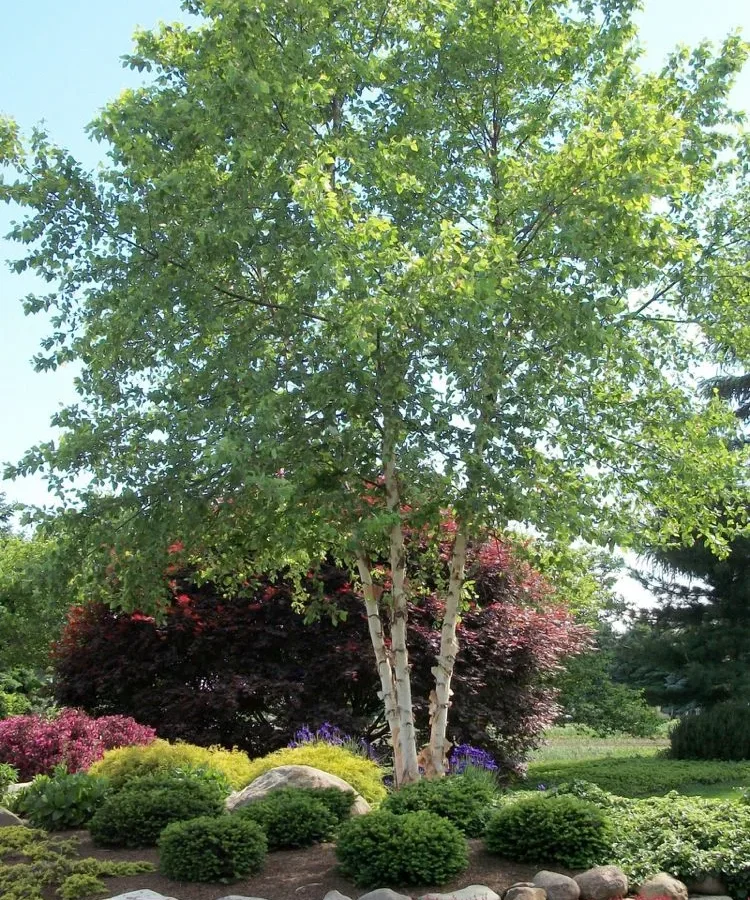
Birch trees in front yard landscapes offer stunning winter interest but demand specific site conditions to survive long term. Many homeowners plant them for the white bark only to watch them decline within a decade due to poor placement or wrong species selection.
University extension research confirms most birch species require acidic soil with a pH between 5.0 and 6.5 to avoid fatal iron chlorosis. We will walk through the exact decision points that determine if this tree belongs in your landscape.
Quick Answer
Birch trees in front yard sites need consistent moisture and acidic soil. Most species fail in dry compacted suburban clay. River birch tolerates heat better than paper birch.
Plant at least twenty feet from foundations and sewer lines. Expect thirty to fifty years of urban lifespan with proper care.
Should You Actually Plant a Birch Tree in Your Front Yard?
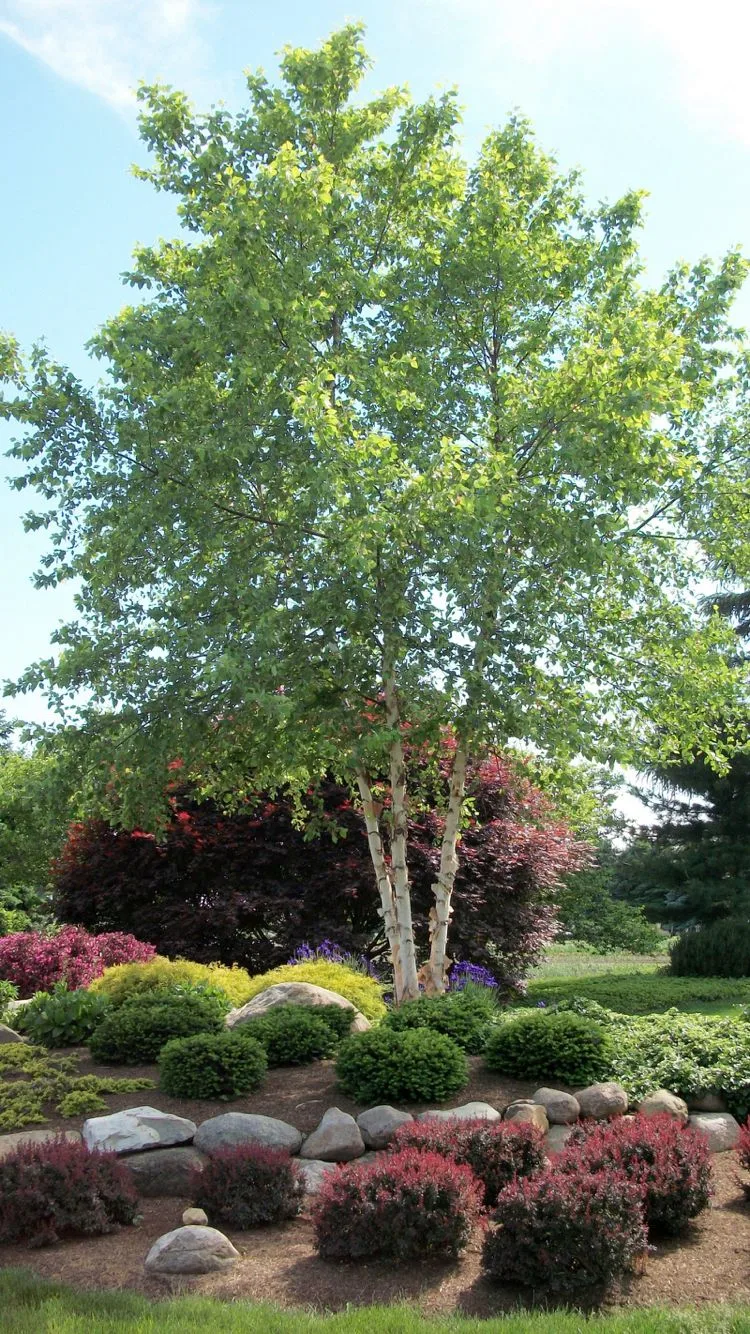
Image source: Bing (Web (fair-use with source credit))
The honest answer depends entirely on your soil type and willingness to irrigate during summer droughts. Birches are riparian species that evolved along riverbanks with constant moisture access. Placing one in a standard suburban lawn without supplemental water is usually a slow death sentence.
You should proceed only if your yard has naturally moist soil or you commit to deep weekly watering. Dry summers will stress the tree and invite bronze birch borer attacks. This pest kills stressed birches faster than almost any other factor.
If your front yard is mostly dry clay with full sun exposure, consider a different specimen tree. Oaks or hackberries provide similar scale without the constant moisture demands. Birches reward the right site but punish compromise heavily.
Homeowners with wet areas or rain gardens have ideal conditions for success. River birch specifically thrives where other trees rot. Matching the tree to your actual hydrology prevents future heartbreak and expense.
The Decision Checklist: Soil, Space, and Species Match
Run through these four non-negotiable checks before purchasing any birch cultivar. Failing even one means you should pick a different tree species. This workflow saves years of frustration and removal costs later.
- Soil Moisture Test: Dig a test hole twelve inches deep and fill it with water. If it drains completely in under two hours, your site is too dry without heavy irrigation amendments.
- pH Verification: Use a calibrated meter or lab test to confirm acidity levels. Alkaline soils above pH 7.0 cause chronic yellowing and eventual death regardless of watering habits.
- Space Audit: Measure distance to sidewalks, driveways, and house foundations. You need minimum twenty feet of clearance because shallow roots heave hardscape aggressively over time.
- Utility Locate: Call 811 before any digging to mark underground lines. Birch roots seek out sewer leaks and can infiltrate older clay or orangeburg pipes catastrophically.
| Condition | Ideal Range | Deal Breaker Threshold |
|---|---|---|
| Soil pH | 5.0 to 6.5 | Above 7.2 |
| Weekly Water | 1 to 2 inches | Less than 0.5 inches |
| Hardscape Distance | 20+ feet | Under 15 feet |
| Sun Exposure | Partial to Full | Deep shade all day |
These thresholds come from aggregate arboriculture data and university extension guidelines. Marginal sites might sustain the tree briefly but rarely support mature specimens. Be ruthless during evaluation rather than hopeful.
Choosing the Right Birch for Your Specific Conditions
Not all birches handle front yard environments equally well. Species selection matters more than almost any other variable for longevity. Pick wrong and no amount of care will save it.
River birch (Betula nigra) remains the safest choice for most residential landscapes as of 2026. Cultivars like Heritage® and Dura-Heat® offer superior borer resistance and heat tolerance. They thrive in USDA zones 4 through 9 where paper birch fails quickly.
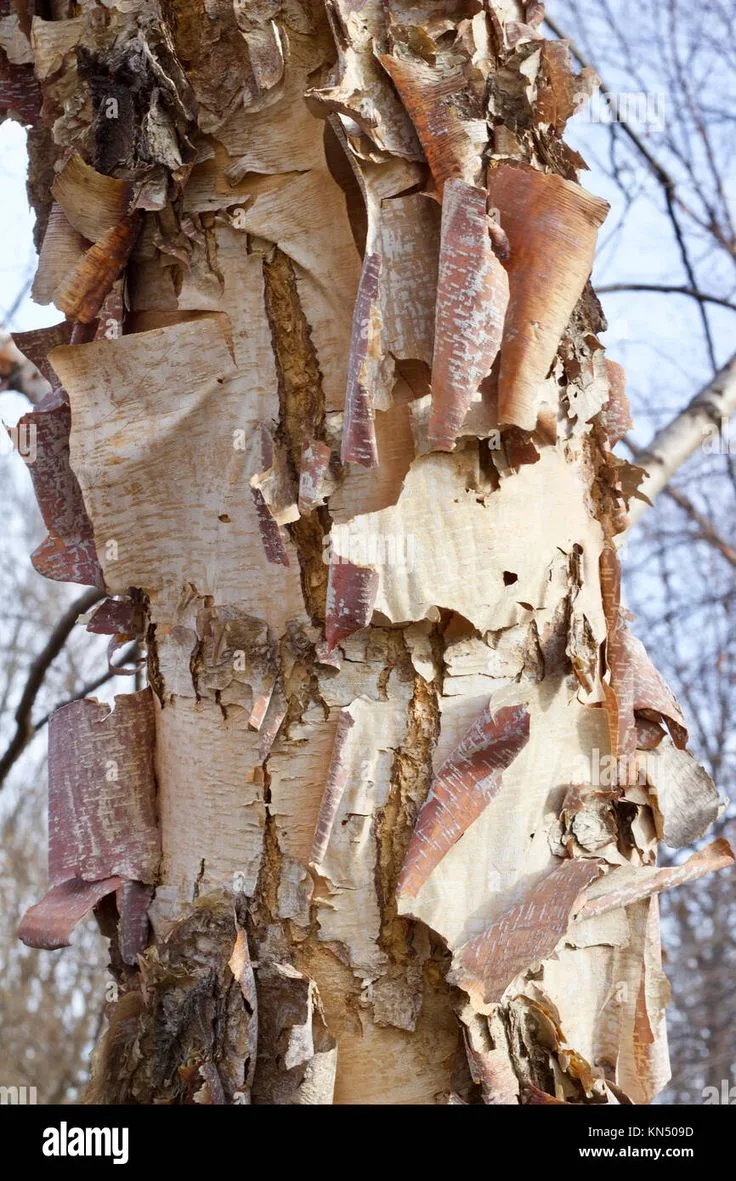
Image source: Bing (Web (fair-use with source credit))
Paper birch (Betula papyrifera) suits only cool northern climates in zones 2 through 6. It demands consistently cool roots and struggles badly with southern humidity or urban heat islands. The iconic white bark comes at the cost of extreme environmental sensitivity.
European white birch (Betula pendula) looks elegant but carries high borer susceptibility nationwide. We rarely recommend it unless you commit to annual systemic insecticide treatments. Even then, lifespan often stays under thirty years in managed landscapes.
Yellow birch (Betula alleghaniensis) works best in woodland settings rather than open front yards. It needs shelter from harsh afternoon sun and wind desiccation. Reserve this species for shaded properties with established canopy cover already present.
Always buy named cultivars instead of seedling stock when possible. Named selections have predictable size, form, and disease resistance traits. Seedlings vary wildly and may lack the resilience bred into modern landscape varieties.
Check your local cooperative extension service recommendations for region-specific cultivar performance data. What works in Minnesota may fail completely in Georgia. Localized trials beat national marketing claims every single time.
Critical Planting Setbacks and Utility Safety
Placement errors cause more birch failures than pests or drought in our research. Shallow root systems spread laterally far beyond the canopy drip line. Ignoring setbacks guarantees expensive infrastructure damage down the road.
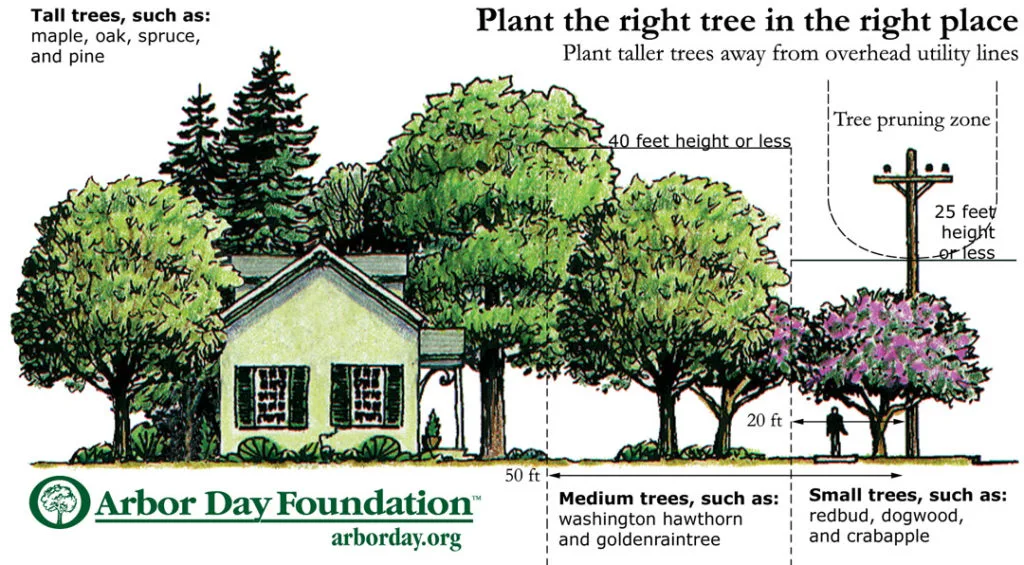
Image source: Bing (Web (fair-use with source credit))
Maintain at least twenty feet of distance from house foundations and septic systems. Roots actively seek moisture gradients near basement walls and drain fields. Repair bills for cracked slabs or clogged lines dwarf the original tree cost.
Sidewalks and driveways need fifteen feet minimum clearance to prevent heaving. Surface roots thicken rapidly and lift pavement within ten to fifteen years. Municipal codes often require removal once tripping hazards develop in public rights of way.
Overhead utility lines dictate maximum height allowances in many neighborhoods. Most birches reach forty to seventy feet at maturity. Planting directly under power lines forces brutal topping cuts that destroy structure and health.
Call 811 several days before planting to locate buried utilities. Striking gas or electric lines risks injury and massive liability. This free service exists precisely because tree planting accidents happen regularly.
Check HOA covenants and municipal street tree ordinances before committing. Some communities restrict birch species due to messiness or root concerns. Getting approval first avoids forced removal orders later.
Document your setback measurements with photos for future reference. Property surveys sometimes disagree with visible boundaries. Having proof of compliant placement protects you during disputes or insurance claims.
Maintenance Realities: Water, Borers, and Messy Sap
Owning a birch means accepting ongoing maintenance obligations that many other trees do not demand. Budget time and money upfront rather than reacting to crises later. Neglect compounds quickly with this genus.
Deep watering is mandatory during establishment and every summer thereafter. Soaker hoses running four to six hours weekly work better than sprinklers. Surface watering encourages shallow roots that make drought vulnerability worse.
Bronze birch borer prevention requires vigilance especially in stressed trees. Systemic imidacloprid applications protect vascular tissue from larval feeding damage. Apply annually in spring per label directions if your area has active infestations.
Prune only during late summer or early fall to avoid excessive sap bleeding. Late winter cuts trigger messy dripping that stains bark and attracts insects. Never remove more than twenty percent of live canopy in a single season.
Aphid honeydew creates sticky residue on cars and patios beneath the canopy. Sooty mold grows on this sugary exudate and blackens surfaces below. Pressure washing helps but does not eliminate recurring seasonal mess.
Mulch rings should extend three feet from the trunk but never touch bark directly. Piled mulch causes rot and invites rodent girdling damage. Replenish organic material annually to maintain moisture retention and soil temperature buffering.
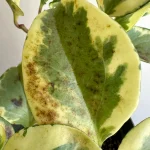
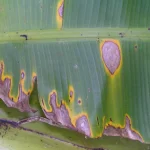
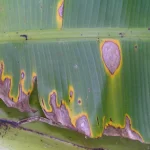
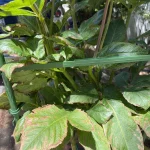
Monitor leaf color throughout growing season for chlorosis warning signs. Yellowing between veins indicates iron deficiency from high pH conditions. Chelated iron treatments provide temporary relief but do not fix underlying alkalinity problems permanently.
Common Front Yard Birch Mistakes That Kill Trees
Most birch failures trace back to preventable errors during planting or early care. Avoiding these specific pitfalls dramatically increases your odds of long term success. We see the same handful of problems repeatedly in residential landscapes.
Planting too deep is the single most common killer of newly installed birches. The root flare must sit slightly above grade level to prevent trunk rot. Burying it even two inches suffocates roots and invites fungal pathogens that girdle the tree silently.
Skipping soil pH testing before planting leads to chronic nutrient lockout. Alkaline conditions make iron unavailable regardless of fertilizer applications. You will spend years treating symptoms instead of fixing the underlying chemistry problem.
Inconsistent watering during the first three years prevents proper root establishment. Birches cannot tolerate dry spells while building their fibrous root systems. One severe drought in year two can undo all previous growth progress permanently.
Mulching against the trunk creates a moist environment perfect for bark decay. Keep organic material several inches away from the base at all times. Volcano mulching looks tidy but slowly strangles the cambium layer over time.
Ignoring early borer signs allows infestations to become unmanageable quickly. D-shaped exit holes and sparse upper canopy indicate active larvae inside. Treatment works only when applied before vascular damage becomes extensive.
Choosing species mismatched to your hardiness zone guarantees eventual failure. Paper birch planted in zone 8 will never thrive no matter how much you water it. Respect climatic limits rather than fighting them with expensive interventions.
Frequently Asked Questions About Birches in Residential Landscapes
How far should I plant a birch tree from my house foundation?
Maintain at least twenty feet of clearance between birch trunks and house foundations. Shallow lateral roots spread well beyond the canopy width and seek moisture near basement walls. Closer placement risks structural damage and costly repairs as the tree matures over decades.
Do river birch trees have invasive roots that damage sewer lines?
River birch roots aggressively pursue moisture sources including leaking sewer pipes and drain fields. They rarely break intact modern PVC piping but easily infiltrate cracked clay or orangeburg lines. Planting twenty feet from underground utilities minimizes intrusion risk significantly according to arboriculture best practices.
Why are my birch tree leaves turning yellow in summer?
Summer yellowing typically indicates iron chlorosis caused by alkaline soil conditions above pH 7.0. High pH locks up iron making it unavailable despite adequate fertilization. Apply chelated iron treatments for temporary relief and amend soil with sulfur to lower pH gradually over seasons.
What is the best time of year to plant birch trees?
Early fall offers ideal planting conditions with warm soil and cooling air temperatures. Spring planting works if you commit to consistent summer irrigation during establishment. Avoid midsummer planting entirely because heat stress overwhelms new transplants before roots develop sufficiently.
How long do birch trees typically live in urban yards?
Urban birches average thirty to fifty years compared to century plus lifespans in native habitats. Stress from compacted soil, drought, and borers shortens longevity considerably. Proper site selection and consistent maintenance can push specimens toward the upper end of that range.
Can I grow grass under a mature birch tree?
Grass struggles under birches due to shallow roots competing for moisture and nutrients. Dappled shade helps but root competition usually wins out eventually. Consider shade tolerant groundcovers like sedges or ferns that coexist better with surface feeding tree roots.

Similar Posts