Why Are My Tomatoes Mushy? Common Causes Explained
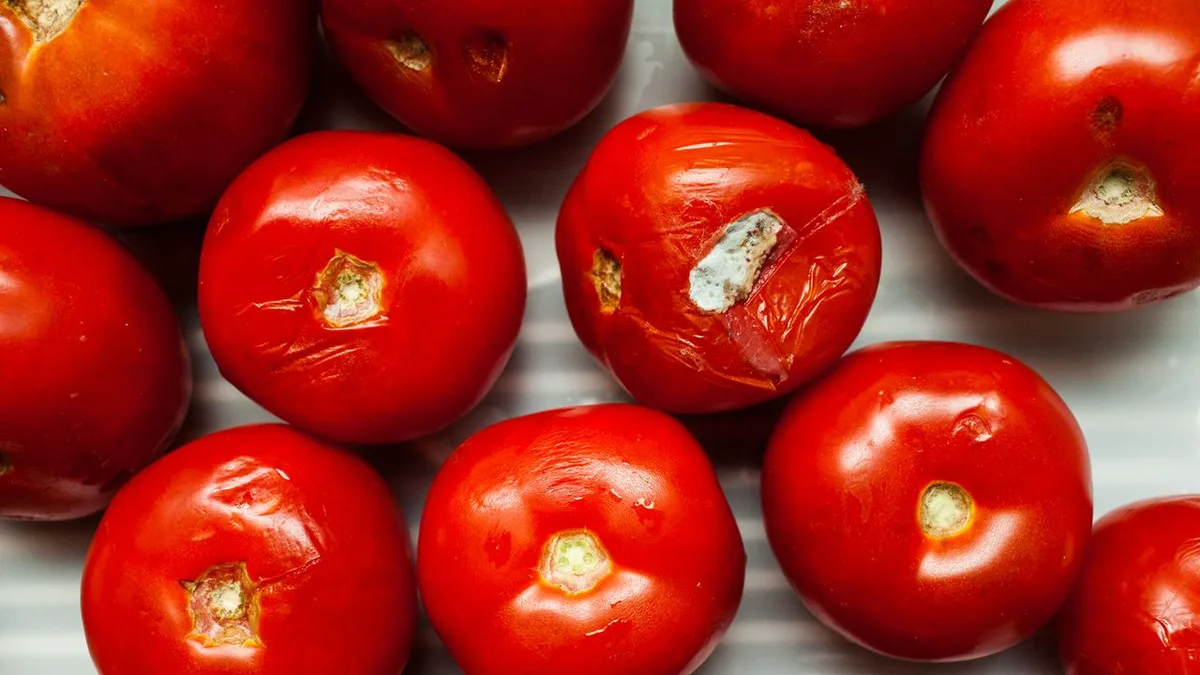
If you've ever bitten into a homegrown tomato only to find it collapsed into a mealy mess, you already know the frustration. Figuring out what causes mushy tomatoes is the first step to fixing your harvest. The culprit usually comes down to water stress, temperature damage, or natural enzyme activity breaking down the fruit's cell walls.
In our research across university extension programs, chilling injury from temperatures below 50°F consistently ranks as a top cause of texture loss in stored fruit. As of 2026, growers still lose significant yields to preventable moisture swings. Let's walk through exactly how to diagnose your specific problem.
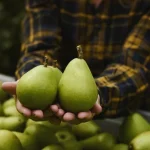
Image source: Web (Bing) / bonappetit.com (Web image (fair-use with source credit))
Quick Answer
What causes mushy tomatoes? Several factors destroy tomato cell structure. Overwatering swells cells until they burst.
Cold fridge temperatures permanently damage fruit membranes. Fungal diseases rot the flesh from the inside out. Overripe tomatoes naturally break down their own pectin.
Why Your Tomatoes Turned Mushy (And How to Figure Out Which One It Is)
Mushiness isn't a single disease. It's a symptom. The cellular structure of the tomato has failed, but the reason why dictates your entire fix.
If you apply the wrong solution, you'll waste time and lose more fruit.
Tomato flesh relies on turgor pressure and intact pectin networks to stay firm. When enzymes like polygalacturonase activate during ripening, they dissolve those pectin bonds. That's normal aging.
But when external stress triggers that breakdown prematurely, you get a ruined crop.
The fastest way to solve this is by asking one simple question. Where was the tomato when it went soft? Did it happen on the vine, on your kitchen counter, or inside your refrigerator?
That location tells you everything.
We've built a decision tree below based on plant physiology data. Follow the branch that matches your situation. Each path leads directly to the specific cause and the exact steps needed to stop it.
The Decision Tree: Pinpointing the Exact Cause of Mushy Tomatoes
Your diagnosis depends entirely on the environment where the texture broke down. Read through these three scenarios. Find the one that matches your timeline, then follow the recommended action.
Did It Go Mushy on the Vine? (Water, Calcium, and Disease)
If the fruit turned soft while still attached to the plant, environmental stress is your primary suspect. Irregular watering is the most common trigger. Heavy rain after a dry spell forces water into the cells faster than they can expand.
This osmotic stress causes the cells to rupture. You'll often see cracking right before the mushiness sets in. Once the skin splits, bacteria enter immediately.
Bacterial soft rot caused by Pectobacterium turns the inside into liquid within days.
Calcium deficiency is another major factor here. Without enough calcium, cell walls lack structural integrity. This shows up as blossom end rot, where the bottom of the fruit turns dark and sunken before collapsing entirely.
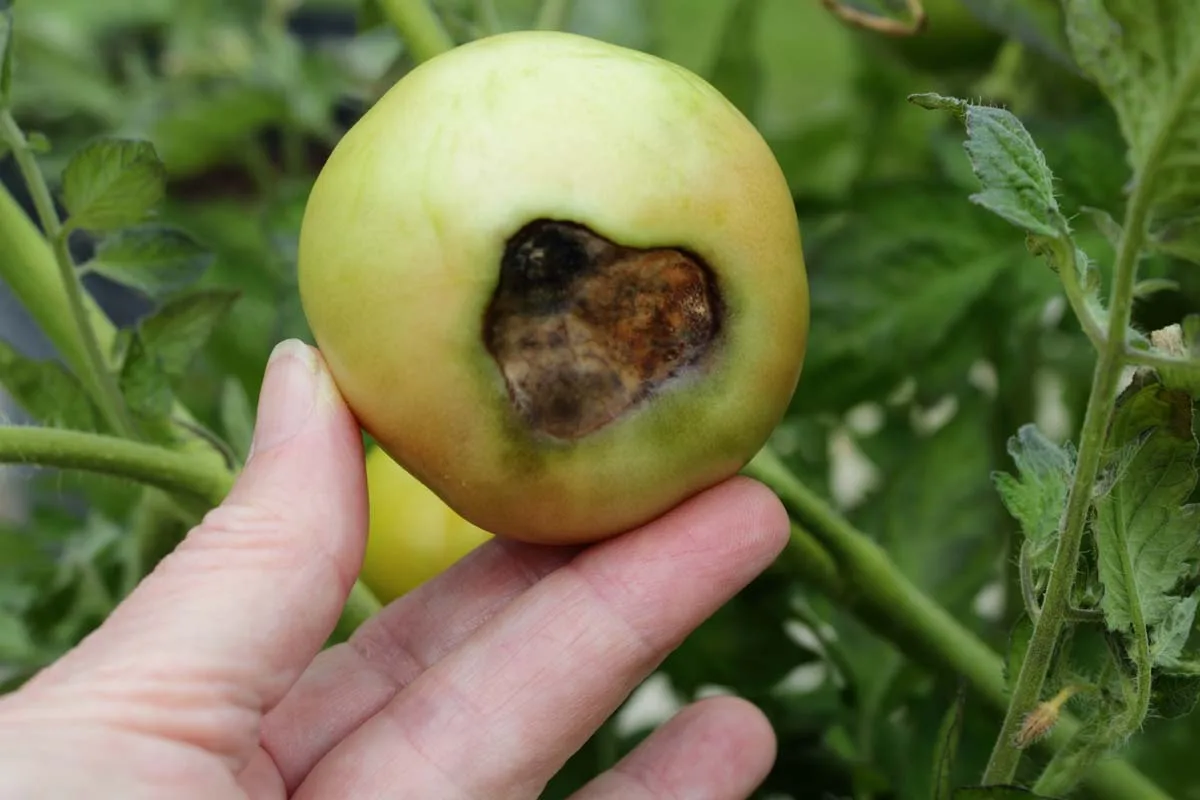
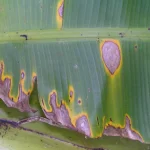
Image source: Web (Bing) / gardenerspath.com (Web image (fair-use with source credit))
Fungal pathogens also attack vine-ripening fruit. Late blight (Phytophthora infestans) creates greasy, water-soaked spots that quickly soften. High humidity environments make fungal spread nearly inevitable without proper airflow.
Here is the workflow if your tomatoes go mushy on the vine:
- Check your soil moisture. Stick your finger two inches deep. If it alternates between bone dry and flooded, inconsistent watering is your cause.
- Test your soil pH. University cooperative extension services recommend keeping soil pH between 6.2 and 6.8 for optimal calcium uptake.
- Inspect the stems and leaves. Dark lesions or fuzzy mold mean you're dealing with a pathogen, not just a watering issue.
- Apply mulch immediately. A thick layer of straw buffers moisture swings and keeps the root zone stable.
Did It Go Mushy on the Counter? (Ethylene, Ripening Stages, and Variety)
If your tomatoes were firm at harvest but collapsed on the counter, you're dealing with climacteric ripening. Tomatoes produce ethylene gas as they mature. This hormone accelerates starch conversion and activates pectin-degrading enzymes.
Leaving a fully red tomato at room temperature guarantees rapid senescence. The window between peak ripeness and total cellular collapse is incredibly short. For thin-skinned heirloom varieties, that window might be less than 48 hours.
Physical bruising during harvest speeds this up drastically. Dropping a tomato or stacking them too high damages internal tissues. Injured cells release localized spikes of ethylene, causing soft spots that spread outward.
Follow this process for counter-stored fruit:
- Harvest at the breaker stage. This is when the bottom of the tomato first shows a blush of color. It will ripen fully off the vine without the risk of splitting.
- Store them stem-side down. This prevents moisture loss through the scar and reduces bruising on the heaviest part of the fruit.
- Keep them out of direct sunlight. Heat accelerates ethylene production and degrades texture rapidly.
- Separate them from other high-ethylene producers like bananas or apples.
Did It Go Mushy in the Fridge? (Chilling Injury Below 50°F)
If your tomatoes went mealy or mushy after refrigeration, chilling injury destroyed the cell membranes. Tomatoes are tropical fruits. Their cellular structure cannot handle cold storage environments meant for leafy greens.
Per post-harvest handling guidelines from the USDA, storing tomatoes below 50°F (10°C) causes irreversible membrane damage. The pectin breaks down unevenly, creating a grainy, mealy texture that eventually turns to mush.
This damage doesn't always show up immediately. You might pull a firm tomato from the fridge, only to watch it collapse within hours of returning to room temperature. The cold essentially kills the tissue while maintaining an illusion of firmness.
The fix here is straightforward. Never put uncut, ripe tomatoes in the refrigerator. The optimal storage temperature is strictly between 55°F and 70°F.
If you absolutely must chill a cut half, use it within 24 hours.
| Storage Location | Temperature Range | Primary Risk Factor | Expected Firmness Duration |
|---|---|---|---|
| On the Vine | Ambient outdoor | Water swings, disease | Until full red stage |
| Kitchen Counter | 55°F to 70°F | Ethylene accumulation | 3 to 7 days (variety dependent) |
| Refrigerator | Below 50°F | Chilling injury | Immediate cellular damage |
Thick-Walled vs. Thin-Skinned: How Tomato Varieties Dictate Texture
Genetics play a massive role in how fast a tomato loses its structure. Not all varieties possess the same pericarp thickness or locule gel ratio. Understanding these physical traits helps you choose the right plant for your needs.
Beefsteak tomatoes have large seed cavities filled with watery gel. Their flesh walls are relatively thin compared to their overall size. This makes them incredible for fresh eating but highly susceptible to rapid mushiness once fully ripe.
Paste tomatoes like Roma or San Marzano are the exact opposite. They feature dense, thick pericarp walls and very small seed cavities. This low moisture content gives them structural integrity that lasts significantly longer after harvest.
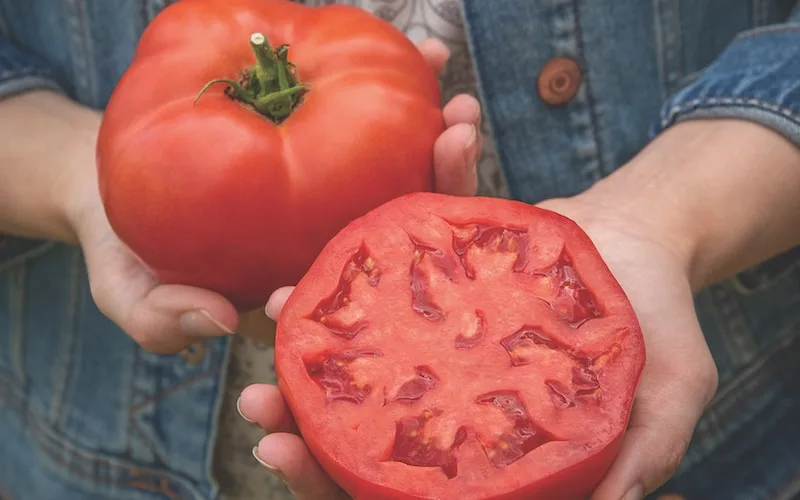
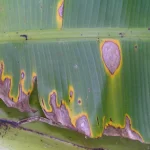
Image source: Web (Bing) / hub.suttons.co.uk (Web image (fair-use with source credit))
Heirloom varieties generally prioritize flavor over shelf stability. They lack the genetic modifications found in modern commercial hybrids that specifically target transport durability. If you grow heirlooms, expect a much narrower harvest window.
Here is how the main categories compare regarding texture retention:
- Beefsteak: Best for immediate fresh consumption. High water content means rapid enzymatic breakdown once picked. Handle with extreme care to avoid bruising.
- Roma/Paste: Best for cooking, canning, and extended storage. The high dry matter content resists mushiness far better than slicing varieties.
- Cherry/Grape: Surprisingly resilient due to their high skin-to-volume ratio. The thick outer cuticle protects the inner flesh from rapid moisture loss.
- Modern Hybrids: Bred specifically for firmness. Commercial growers rely on these to survive shipping logistics without turning to soft rot.
If your primary complaint is fruit collapsing before you can eat it, switch your seed selection next season. Choosing a determinate paste variety eliminates many physiological issues simply through genetics.
Fixing the Problem: Targeted Steps Based on Your Diagnosis
Once you've identified the exact cause using the decision tree above, you need to take targeted action. Guesswork wastes the rest of your growing season. Apply only the fixes that match your specific diagnosis.
If irregular watering caused the mushiness:
Install drip irrigation or soaker hoses immediately. Overhead watering creates wild fluctuations in soil moisture. You want to deliver exactly 1 to 2 inches of water per week, applied slowly and consistently at the root zone.
Add a 3-inch layer of organic mulch around the base of every plant. Mulch acts as a buffer against sudden rainfall and evaporation. It keeps the soil moisture level flat, preventing the osmotic shock that bursts fruit cells.
If calcium deficiency triggered blossom end rot:
Don't just dump calcium fertilizer on the soil. If your pH is outside the 6.2 to 6.8 range, the roots physically cannot absorb the calcium present. Test your soil first through a local university extension lab.
Amend the soil with gypsum (calcium sulfate) if you need calcium without altering your pH. Avoid excessive nitrogen fertilization. High nitrogen pushes rapid leafy growth, which steals calcium away from developing fruit.
If disease caused the soft rot:
Remove and destroy any infected fruit immediately. Do not compost bacterial soft rot or late blight material. The pathogens will survive in the pile and reinfect your garden next year.
Sanitize your pruning shears with a 10% bleach solution between every single cut. Prune the lower 12 inches of foliage off the plant. This stops soil-borne fungi from splashing onto the lowest fruit clusters during rain.
Improve airflow by spacing plants further apart next season. Crowded canopies trap humidity, creating the exact microclimate fungal spores need to germinate and rot your harvest.
When a Mushy Tomato Isn't Safe to Eat or Can
Not every soft tomato belongs in the compost bin. But some absolutely do. Knowing the difference protects you from foodborne illness and ruined preserves.
If your tomato went mushy because it overripened on the counter, it is perfectly safe to eat. The texture might be unpleasant for a salad. You can still cook it down into a quick sauce without any health risks.
The rules change completely if disease caused the collapse. Bacterial soft rot produces a distinct foul smell. Fungal infections often show visible mold or dark sunken lesions spreading through the flesh.
Throw these away immediately.
Do not try to cut around the rotten spots. Soft rot bacteria spread systemically through the juice long before you see visible damage. Eating compromised tissue introduces pathogens directly into your digestive tract.
Home canners face strict safety boundaries here. USDA guidelines require firm, disease-free tomatoes for water-bath processing. Overripe or mushy fruit loses natural acidity as cellular structures break down.
That drop in acid creates an environment where botulism spores survive.
If you want to safely preserve a batch of slightly soft but healthy tomatoes, use a pressure canner instead. Alternatively, add bottled lemon juice to strictly follow current acidification standards. Never guess with canned goods.
Here is a quick safety checklist before you process your harvest:
- Smell the fruit. Any sour or fermented odor means bacterial activity has started. Discard it.
- Check the skin. Broken skin with oozing liquid indicates advanced decay. Do not can it.
- Feel the weight. A surprisingly light, hollow-feeling tomato has lost internal moisture to rot.
- Inspect the stem scar. Mold frequently enters through the top attachment point first.
When in doubt, throw it out. Seeds are cheap. Food poisoning is not.
Frequently Asked Questions
Why do my tomatoes get soft before they turn red?
Premature softening usually points to inconsistent watering or early fungal infection. If the soil dries out completely between heavy waterings, cells rupture before pigments develop. Maintain even moisture using drip irrigation and mulch.
Does leaving tomatoes on the vine too long make them mushy?
Yes. Once a tomato reaches full red color, pectin-degrading enzymes work rapidly. Harvest at the breaker stage if you cannot eat them immediately.
This gives you several days of firm storage while they finish ripening indoors.
Can I fix a mushy tomato once it goes soft?
You cannot reverse cellular breakdown once it happens. Enzymatic decay and chilling injury permanently destroy the cell walls. Your only option is to cook the healthy ones down into sauce or paste immediately.
Are mealy tomatoes the same thing as mushy tomatoes?
They are related but distinct. Mealiness happens when cells separate rather than rupture, creating a dry, grainy mouthfeel. Chilling injury in the refrigerator is the most common cause of this specific textural defect.
Do heirloom tomatoes go mushy faster than hybrids?
Heirlooms generally have thinner skins and larger seed cavities filled with watery gel. This physical structure makes them much more prone to rapid softening after harvest. Modern hybrids are specifically bred for thicker pericarp walls and extended shelf life.

Similar Posts