Dracaena Marginata Yellow Leaves: Causes & Quick Fixes
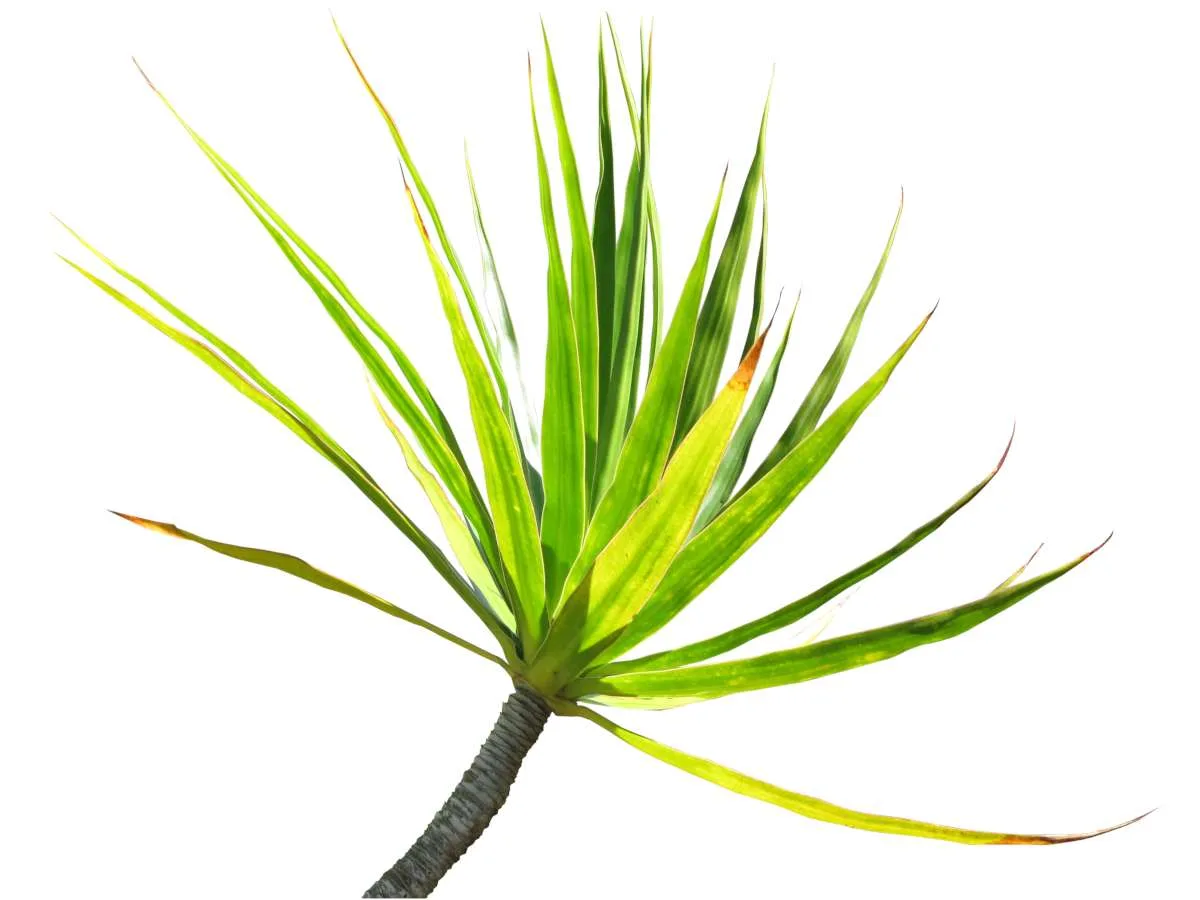
Seeing dracaena marginata yellow leaves is stressful, but it’s usually a solvable environmental issue. The Madagascar dragon tree stores moisture in its thick trunk like a succulent. When something in its care routine goes wrong, the foliage reacts quickly.
In our research, municipal tap water stands out as the most overlooked culprit for this specific plant. Per Clemson University Cooperative Extension guidelines, Dracaena species are highly sensitive to fluoride. As of 2026, standard carbon filters still struggle to remove it completely.
Let's figure out exactly what your plant needs right now.
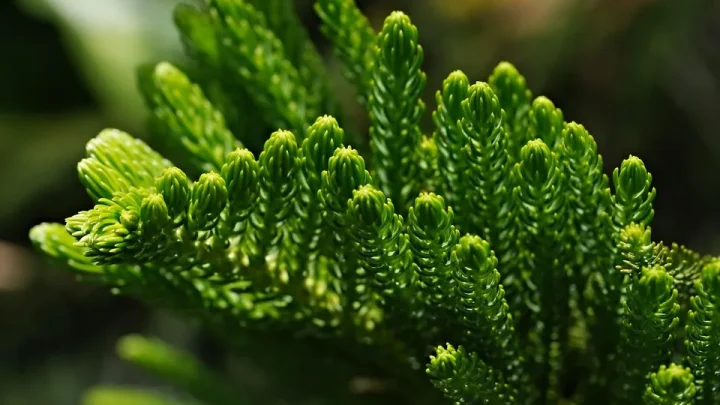
Image source: Web (Bing) / nature-and-garden.com (Web image (fair-use with source credit))
Quick Answer
Dracaena marginata yellow leaves signal an environmental problem. Fluoride in tap water causes brown leaf tips. Overwatering makes lower leaves turn soft and mushy.
Natural aging only affects the very bottom leaves. Check your soil moisture and water source first.
Why Your Dracaena Marginata Leaves Are Turning Yellow (And What to Check First)
Yellow leaves on a dragon tree aren't a disease. They are a symptom. The plant uses chlorosis to tell you its environment is off balance.
Your first job is gathering clues before changing anything.
Guessing leads to dead plants. We see people panic and overwater dry soil. Others fertilize a plant that is already drowning in wet dirt.
Both reactions cause more harm than the original problem.
Start by checking four specific things. Look at where the yellowing happens on the cane. Feel the soil two inches down.
Note what kind of water you use. Watch how fast the leaves drop.
Here is a quick diagnostic checklist to run through right now.
- Leaf position: Is it just the bottom leaves or the whole canopy?
- Soil moisture: Is the potting mix soggy, bone dry, or slightly damp?
- Water source: Are you using straight tap water or filtered rainwater?
- Trunk texture: Does the woody stem feel firm or slightly wrinkled?
- Drop speed: Are leaves falling daily or just one every few weeks?
These answers point directly to the root cause. A plant dropping one bottom leaf a month is perfectly healthy. A plant dropping five soft leaves a day needs immediate intervention.
Take your time with this step.
The 5-Step Diagnostic Workflow for Yellow Dragon Tree Leaves
Fixing a stressed marginata requires a logical sequence. You can't treat the leaves without understanding the roots. Follow these five steps in order every single time.
First, identify the exact pattern of the damage. Tip burn looks entirely different from full leaf collapse. Second, test the soil moisture deep inside the pot.
Surface soil dries out fast while the bottom stays soaked.
Third, audit your water source. Tap water contains chlorine and fluoride. These chemicals build up in the soil over months.
Fourth, check the drainage holes. Blocked holes trap water and suffocate the root system.
Fifth, evaluate the light exposure. Too much direct sun bleaches the foliage. Too little light causes weak, pale growth.
Work through this list methodically. Don't skip straight to repotting if the real issue is your tap water.
| Diagnostic Step | What to Look For | Common Finding |
|---|---|---|
| 1. Pattern check | Tips vs. whole leaf vs. base | Tip burn means mineral toxicity |
| 2. Soil test | Wet, dry, or hydrophobic | Hydrophobic soil repels top watering |
| 3. Water audit | Tap, filtered, or distilled | Tap water causes chronic issues |
| 4. Drainage check | Standing water in saucer | Saucers drown shallow roots |
| 5. Light review | Direct sun vs. dark corner | Low light fades green pigment |
This workflow prevents unnecessary stress. Repotting a plant that just needs better water will shock it further. Always diagnose fully before acting.
Decision Branches: Matching the Type of Yellowing to the Exact Fix
The correct fix depends entirely on what the yellowing looks like. We use a simple branching logic here. If the symptom matches X, then apply treatment Y.
This keeps you from guessing.
If only the lowest basal leaves are turning yellow and drying up, your plant is fine. That is natural aging. The dragon tree sheds old leaves to grow its woody trunk.
Just pull them off gently once they crisp up.
If the leaf margins turn yellow and progress to brown, crispy edges, you have fluoride toxicity. Switch to distilled water immediately. Flush the soil to remove built up mineral salts.
Stop using tap water altogether.
If multiple leaves across the plant turn pale yellow and feel mushy, you are overwatering. Check the soil deep down. If it smells swampy, root rot has started.
You need to unpot the plant and trim the dead roots.
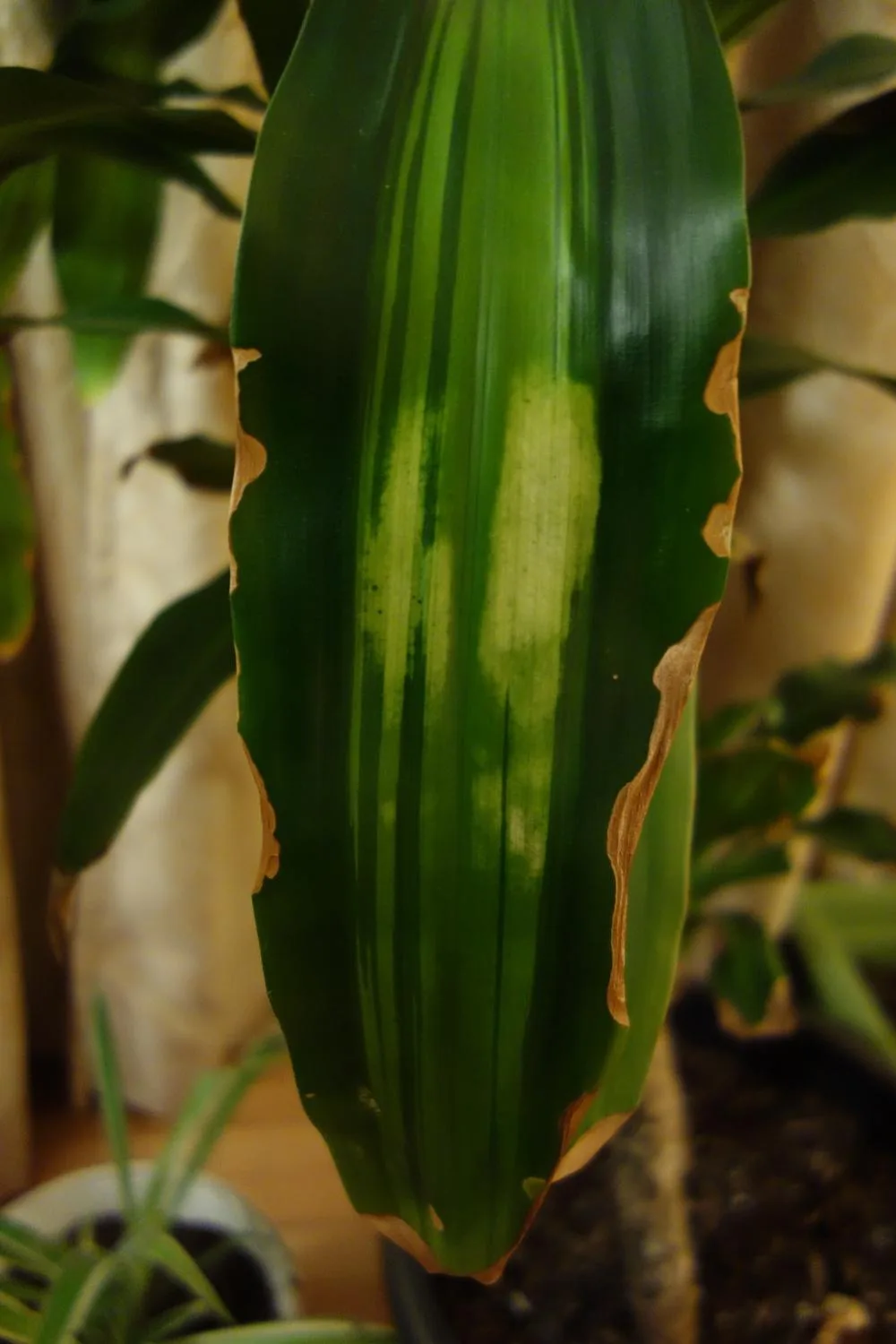
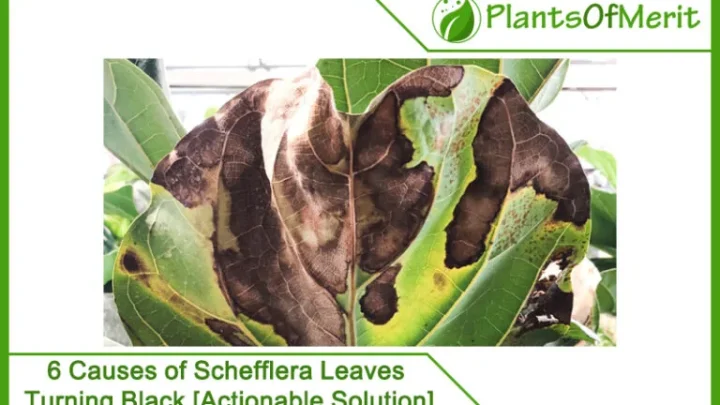
Image source: Bing (Web (fair-use with source credit))
If the leaves droop, turn yellow, and the trunk feels wrinkled, the plant is severely dehydrated. Dry soil often becomes hydrophobic. Top watering just runs down the sides of the pot.
Bottom water the plant instead.
If the entire canopy looks faded and washed out, move the plant. It needs bright indirect light. Direct afternoon sun scorches the leaves.
A spot near an east facing window works best.
Natural Basal Leaf Drop vs. Fluoride Tip Burn
Telling these two apart saves a lot of unnecessary panic. Natural aging only happens at the very bottom of the cane. The rest of the rosette stays vibrant green.
The yellow leaves eventually dry out completely.
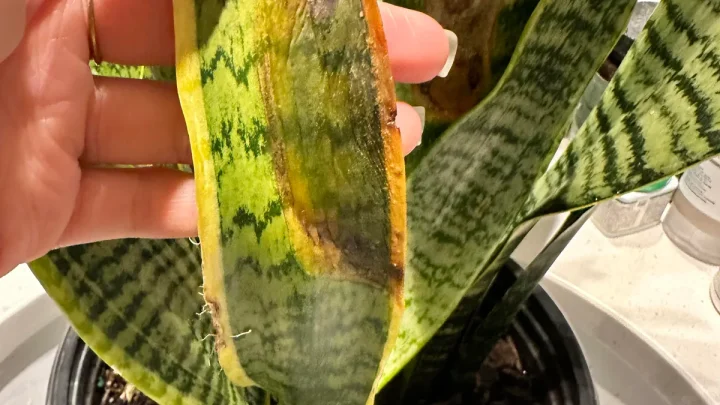
Fluoride damage starts at the tips. It creeps down the outer edges of the leaf. The tissue turns yellow first, then brown and papery.
This happens on new growth and old growth alike.
Natural drop requires zero action. Fluoride burn requires a total change in your watering habits. Rainwater or reverse osmosis water fixes this fast.
Leaving a pitcher of tap water out overnight only removes chlorine. It does absolutely nothing for fluoride.
Overwatering Root Rot vs. Underwatering Trunk Wrinkling
Both problems cause widespread yellowing. The difference is in the texture. Overwatered leaves feel soft, limp, and heavy.
The soil stays wet for weeks.
Underwatered leaves feel thin, crispy, and light. The trunk loses its plumpness. It might even wrinkle near the soil line.
The plant pulls stored water from its caudex to survive.
Overwatering demands a repot. You must cut away black, mushy roots. Use a chunky soil mix with plenty of perlite.
Underwatering just needs a slow, deep soak. Set the pot in a basin of water for forty minutes.
Light Stress and Faded Chlorosis
Light issues rarely kill a marginata quickly. They just make it look terrible. Low light forces the plant to stretch.
The leaves space out widely on the cane.
The green color fades to a pale, sickly yellow. The plant cannot photosynthesize enough to maintain its pigment. Moving it closer to a window reverses this slowly.
New growth will emerge darker and tighter.
Direct sun causes a different problem. Harsh rays bleach the leaves white or yellow. The damaged spots feel thin and dry.
Pull the plant back a few feet if it sits in a south facing window.
How to Safely Prune Yellow Leaves and Flush Mineral Salts
Once you know the cause, you need to clean up the damage. Dead tissue attracts fungus gnats and spider mites. Removing it helps the plant focus energy on healthy growth.
Always sterilize your bypass snips first. Wipe the blades with isopropyl alcohol. This prevents spreading bacterial infections between cuts.
Never tear leaves off by hand if they resist.
If a leaf is entirely yellow or brown, cut it close to the main stem. Leave a tiny sliver so you don't wound the trunk. If only the tip is burned, follow the natural leaf shape with your scissors.
Leave a microscopic border of dead tissue when trimming tips. Cutting into live green flesh creates a fresh wound. That new wound will just turn brown again later.
Take your time shaping the cuts.
Flushing mineral salts is equally critical if you suspect water toxicity. Take the pot to a sink or shower. Run several gallons of distilled water straight through the soil.
Let it drain completely out the bottom holes.
Do this leaching process every three to six months. It pushes accumulated fluoride and fertilizer salts out of the root zone. Never let the pot sit in the drained runoff water.
Empty the saucer immediately after flushing.
Pruning and flushing together reset the plant's environment. The roots get fresh oxygen. The canopy stops wasting resources on dying tissue.
You set the stage for actual recovery.
Mistakes That Kill Stressed Dracaenas Faster Than the Original Problem
We see well meaning plant owners destroy their marginatas trying to save them. Panic responses are dangerous. A stressed plant cannot handle sudden changes or heavy interventions.
The biggest mistake is watering a sick plant more. People see yellow leaves and assume thirst. If the soil is already wet, adding water accelerates root rot.
Always test the soil before grabbing the watering can.
Another common error is fertilizing a struggling plant. Fertilizer feeds healthy roots. Damaged roots cannot absorb nutrients.
The excess salts just burn the remaining tissue. Skip fertilizer until the plant pushes out new green growth.
Repotting into a massive container is another trap. A huge pot holds too much wet soil. The small root ball cannot drink it fast enough.
Only size up by two inches maximum when repotting.
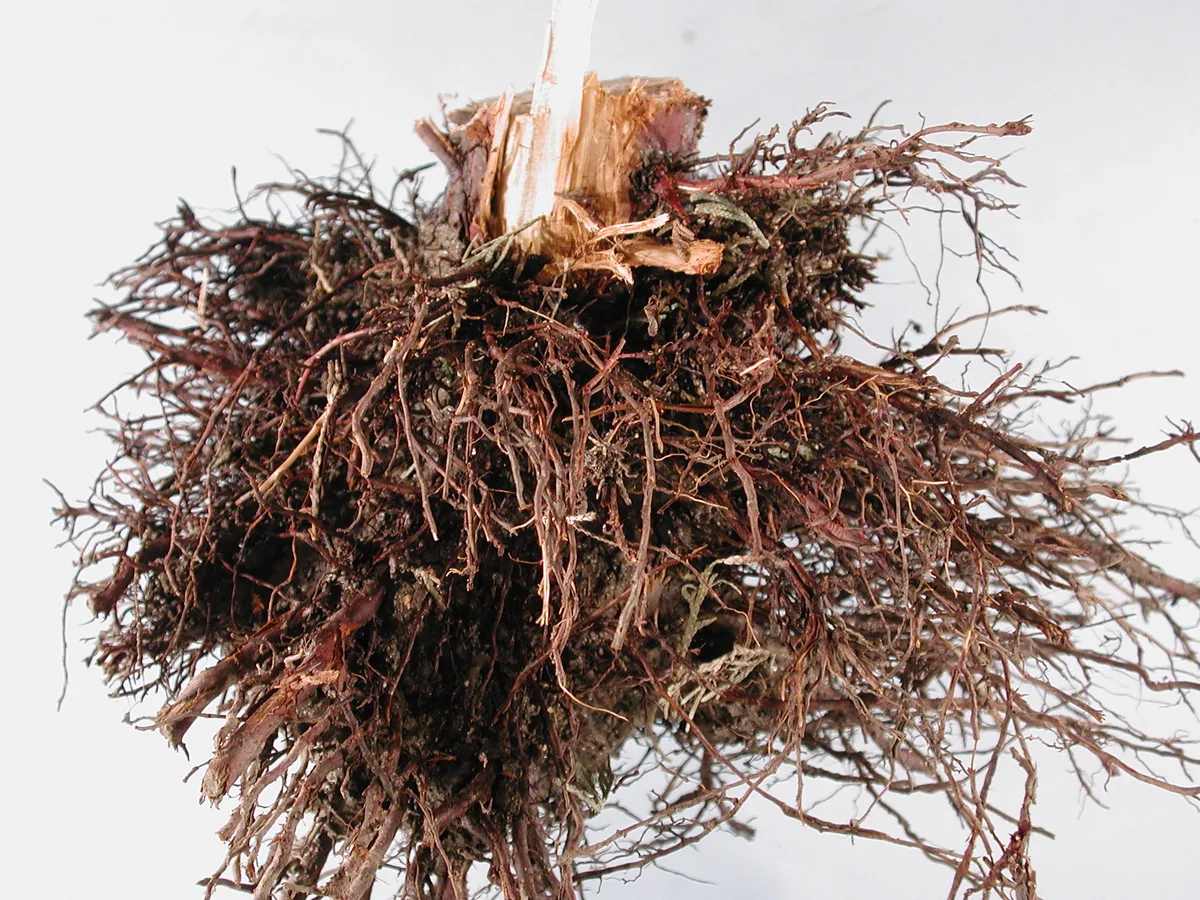
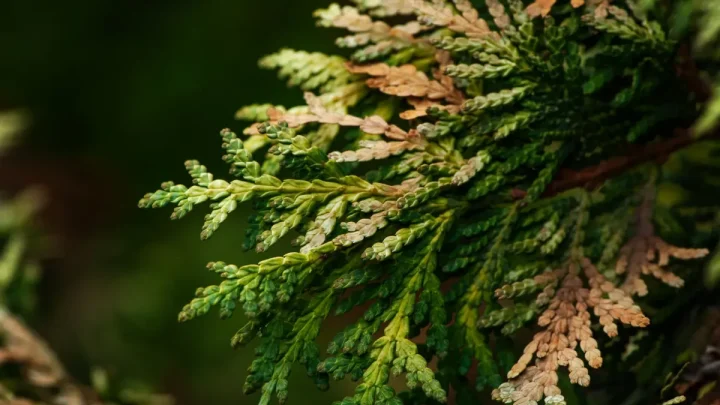
Image source: Bing (Web (fair-use with source credit))
Using chemical leaf shine products clogs the stomata. The plant cannot breathe properly. Dust the leaves gently with a damp cloth instead.
Keep them clean without blocking their pores.
Finally, moving a sick plant around the house constantly adds stress. Pick one spot with good indirect light. Leave it there.
Plants need stable conditions to recover from environmental shock. Constant relocation resets their progress every single time.
Dracaena Marginata Yellow Leaves FAQs
Why are the bottom leaves on my dragon tree turning yellow?
Bottom leaf drop is natural aging. The plant sheds old basal leaves to grow its woody trunk. If only the lowest leaves turn yellow and dry out, your plant is perfectly healthy.
Just gently remove them once they crisp up completely.
Can tap water cause yellow leaves on a marginata?
Yes, tap water frequently causes this exact issue. Municipal water contains fluoride and chlorine that build up in the soil over time. This toxicity burns the leaf margins, turning them yellow and eventually brown.
Switching to distilled or rainwater stops the damage quickly.
How do I fix an overwatered dracaena marginata?
Stop watering immediately and check the roots. If the soil smells swampy, unpot the plant and trim away dark, mushy roots. Repot it into fresh, chunky soil mixed heavily with perlite.
Only water again when the top half of the pot feels completely dry.
Will yellow dracaena leaves ever turn green again?
No, damaged tissue cannot revert to green. Once a leaf turns fully yellow or brown, it is dead. Your goal is to stop new leaves from suffering the same fate.
Fix the underlying environmental problem so future apical growth stays healthy.
Should I cut off the yellow leaves right away?
Remove entirely yellow or brown leaves promptly. Dead foliage attracts fungus gnats and spider mites. Sterilize your pruning shears with rubbing alcohol before cutting.
Snip close to the main stem without wounding the trunk itself.
How often should I water my dragon tree?
Water only when the top two inches of soil feel completely dry. In winter, this might mean watering every three to four weeks. During summer, you might water every ten days.
Always test the soil moisture instead of following a strict calendar schedule.
Long-Term Care Routine to Keep New Growth Green
Preventing yellow leaves comes down to consistent habits. You need a routine that respects how this semi-succulent actually grows. Overcomplicating care usually causes more problems than neglect does.
Start by fixing your water source permanently. Stop using tap water altogether if your municipality adds heavy fluoride. Distilled water, reverse osmosis water, or collected rainwater keeps mineral salts out of the root zone.
This single change prevents most chronic tip burn.
Next, adjust your potting mix for better airflow. Standard peat-based houseplant soil holds too much moisture for a marginata. Cut it with equal parts perlite and fine orchid bark.
This chunky blend mimics the fast drainage these plants prefer.
Keep the temperature stable between 65 and 80 degrees Fahrenheit. Cold drafts from air conditioning vents shock the foliage. Sudden drops below 60 degrees trigger rapid leaf drop.
Place the pot away from exterior doors and drafty windows during winter.
Feed the plant very sparingly. A diluted liquid houseplant fertilizer applied once a month during spring and summer is plenty. Skip feeding entirely from late fall through winter.
Excess fertilizer salts burn roots just like bad tap water does.
Check the light conditions every few months as seasons change. A spot that gets bright indirect light in summer might be too dark in December. Move the plant closer to a window during shorter winter days.
Avoid harsh direct sun hitting the rosette at any point.
Finally, wipe the leaves down monthly with a damp cloth. Dust blocks the stomata and reduces photosynthesis. Clean leaves process light efficiently and stay vibrant.
Skip commercial leaf shine sprays entirely.

Similar Posts