Clever Ways to Use Old CDs in the Garden
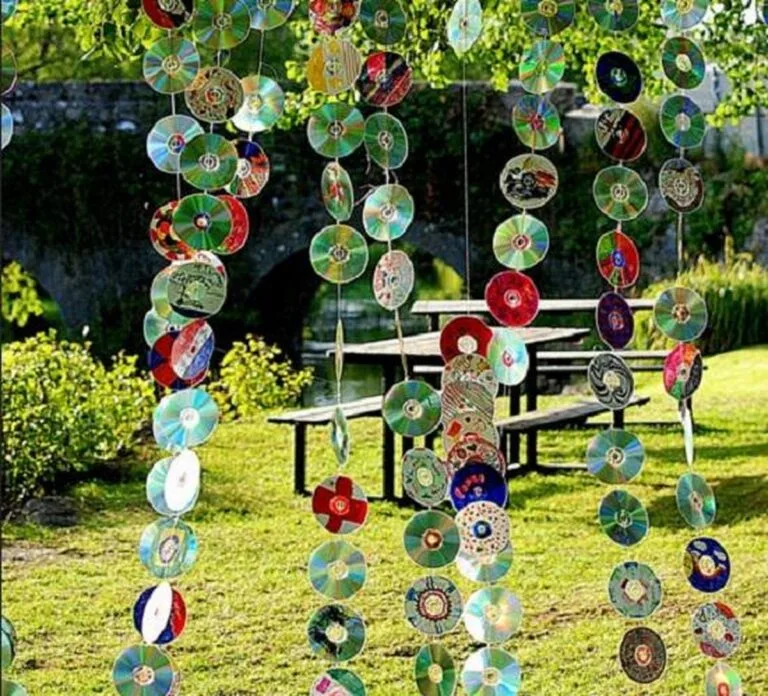
Using old cds in the garden is a cheap way to deter birds and protect crops. But hanging them wrong guarantees they fail. Most people just tie a disc to a fence and wonder why starlings keep eating their blueberries.
The trick relies on movement, light reflection, and constant rotation.
A standard compact disc measures 120mm across and weighs about 15 grams. That lightweight polycarbonate plastic catches wind easily if you use the right string. Our research into integrated pest management shows visual deterrents only work when animals cannot predict the pattern.
Let's break down exactly how to set this up so it actually protects your plants.
Image source: Bing (Web (fair-use with source credit))
Quick Answer
Using old cds in the garden deters birds and small pests. Hang discs on monofilament line so they spin freely. Move them every few days to prevent wildlife habituation.
They reflect sunlight to create unpredictable flashes. This chemical-free method protects fruit and seedlings effectively.
Why Hanging a CD on a Fence Doesn't Work (The Habituation Problem)
Tying a shiny disc directly to a wooden post does absolutely nothing after day one. Birds and mammals are incredibly smart. They quickly realize a stationary object poses zero threat.
University Cooperative Extension programs consistently report that static visual deterrents lose effectiveness within 48 hours due to wildlife habituation.
Habituation happens when an animal learns a scary stimulus is actually harmless. If a pigeon sees a motionless CD hanging near your tomato plants, it gets spooked initially. By the next morning, that same pigeon lands right next to it.
The fear response completely vanishes without movement.
To stop habituation, the disc must act like a tiny mirror spinning in the wind. It needs to flash light at random angles. It needs to move unpredictably.
That erratic behavior is what keeps local wildlife guessing and out of your vegetable beds.
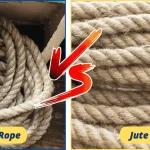
Heavy twine or thick rope ruins this effect entirely. Thick string weighs the disc down and prevents free rotation. You end up with a heavy piece of plastic dangling lifelessly.
Always opt for thin, nearly invisible line that lets the wind do the heavy lifting.
Even with perfect setup, you cannot leave them in the same spot all season. Pests map their environment constantly. Changing the height or spacing every three to five days resets their fear response.
Treat the placement as a rotating schedule rather than a permanent installation.
The Decision Tree: Matching Your Setup to the Pest You're Fighting
How you hang your discs depends entirely on what is eating your garden. Different animals react to different stimuli at different heights. Use this decision tree to figure out your exact workflow before cutting any line.
- If small birds are eating berries or seeds: Hang discs horizontally just above crop level using monofilament.
- If deer are browsing your perimeter: Hang discs vertically at eye level paired with noise makers.
- If rabbits are chewing low stems: Hang discs close to the ground where they catch morning light.
- If you just want plant labels: Write on the matte side and stake them into the soil.
Branch 1: Small Birds Eating Berries and Seedlings
Small birds like starlings, sparrows, and finches hunt by sight near the ground. They hate sudden flashes of light directly in their flight path. For these pests, hang your discs about six inches above your strawberries or newly sown rows.
Use monofilament fishing line tied through the center hole. Space each disc three to five feet apart along the row. Overcrowding them creates a solid wall of plastic that birds eventually ignore.
You want isolated flashes of light, not a continuous glare.
Stringing three discs vertically on one line works exceptionally well here. Space them six inches apart on the same strand. When the wind blows, they clatter together.
That combination of sharp noise and scattered light drives flocking birds crazy.
Branch 2: Deer and Rabbits Browsing the Perimeter
Deer and rabbits rely heavily on sight and sound but operate differently than birds. Deer browse standing up. You need to hang discs three to four feet off the ground, right at their eye level when they approach your hostas or beans.
Rabbits stay low. Drop those discs down to six or twelve inches above the soil surface. Pair them with aluminum pie pans or bamboo clackers.
Larger mammals often need an auditory component added to the visual flash to trigger a full retreat.
Instead of hanging them directly over the plants, create a perimeter fence of light. String a line around the entire bed you want to protect. According to USDA integrated pest management guidelines, combining sensory deterrents yields much better results against large mammals than single-method approaches.
Branch 3: Upcycling for Plant Markers and Garden Art
Not every old CD needs to fight off pests. Polycarbonate plastic is completely waterproof. It will never rot, warp, or fade like wooden stakes or paper tags.
This makes old discs perfect for permanent garden organization.
Grab a paint pen and write your plant names directly on the dull label side. Push a bamboo skewer through the 15mm center hole. Stick it in the dirt next to your carrots.
You now have a weatherproof marker that lasts multiple seasons.
For decorative projects, you can break them into shards for mosaics. Wear heavy gloves and safety glasses because the edges are razor sharp. Press the shiny pieces into wet concrete for custom stepping stones.
Just remember to seal the edges so plastic flakes stay contained.
Step-by-Step Workflow: Line, Height, Spacing, and Movement
Setting this up takes about ten minutes per row. Follow these steps exactly to ensure maximum reflection and movement. Skipping the material selection step is where most setups fail.
| Setup Variable | Recommended Specification | Reason |
|---|---|---|
| Line Material | Monofilament fishing line | Invisible to birds, allows free spin |
| Bird Height | 6 inches above crop | Intersects feeding flight path |
| Deer Height | 3 to 4 feet off ground | Matches browsing eye level |
| Spacing | 3 to 5 feet apart | Prevents habituation to static walls |
| Relocation Cycle | Every 3 to 5 days | Resets animal fear response |
First, gather your materials. You need old discs, monofilament line, scissors, and stakes or hooks. Avoid cotton string, jute twine, or heavy wire.
These materials add too much weight and restrict the natural rotation required for light flashes.
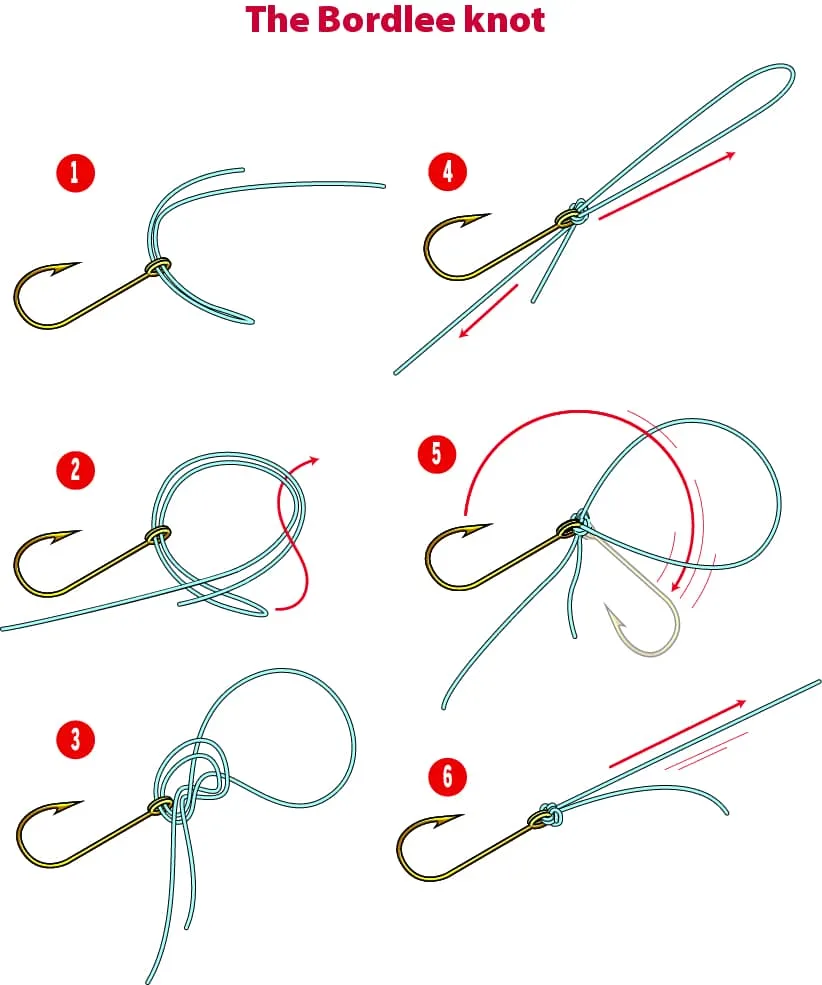
Image source: Bing (Web (fair-use with source credit))
Second, cut your line to the desired length. Thread it through the 15mm center hole of the disc. Tie a simple slip knot or double overhand knot underneath.
Make sure the knot sits flat so it does not block the shiny data layer from catching the sun.
Third, attach the top of the line to a shepherd hook, fence wire, or branch. Ensure the disc hangs completely free. Give it a gentle tap with your finger.
It should spin smoothly and silently for several seconds without stopping immediately.
Finally, establish a calendar reminder on your phone. Set it for every four days. When the alarm goes off, walk outside and change things up.
Move a disc two feet to the left. Lower another one by a few inches. Keep the local wildlife permanently confused.
If you live in an area with very light breezes, angle the discs slightly rather than letting them hang perfectly flat. Even a slight tilt catches more ambient light. In our research analyzing garden setups, angled discs produced noticeably more flashes during low-wind mornings.
When CDs Fail: Windless Days, Microplastics, and Better Alternatives
Visual deterrents require specific environmental conditions to function properly. If you live in a stagnant, humid climate with zero breeze, hanging discs will just sit there. No wind means no movement.
No movement means no unpredictable light flashes. The birds will ignore them completely.
UV radiation also destroys polycarbonate plastic over time. As of 2026, we know prolonged sun exposure causes these discs to become brittle. After four to six weeks in peak summer heat, they start cracking.
Once they splinter, you have a serious problem in your vegetable beds.
Shattered plastic sheds microplastics directly into your soil. You do not want degraded polymers mixing with your root vegetables. Inspect your discs weekly.
If the edges look cloudy, warped, or fractured, pull them down immediately. Toss them in the proper recycling bin rather than leaving them to disintegrate outdoors.
Glare is another issue nobody talks about until it happens. A row of spinning mirrors can reflect intense sunlight directly into your neighbor's kitchen window. It can even blind passing drivers if your garden borders a road.
Angle them away from houses and streets to avoid complaints.
When discs are not the right tool, look at alternatives. Reflective flash tape offers similar benefits but moves easier in light air. Bird netting provides a physical barrier instead of a psychological one.
Motion activated sprinklers work regardless of wind speed or sunlight intensity.
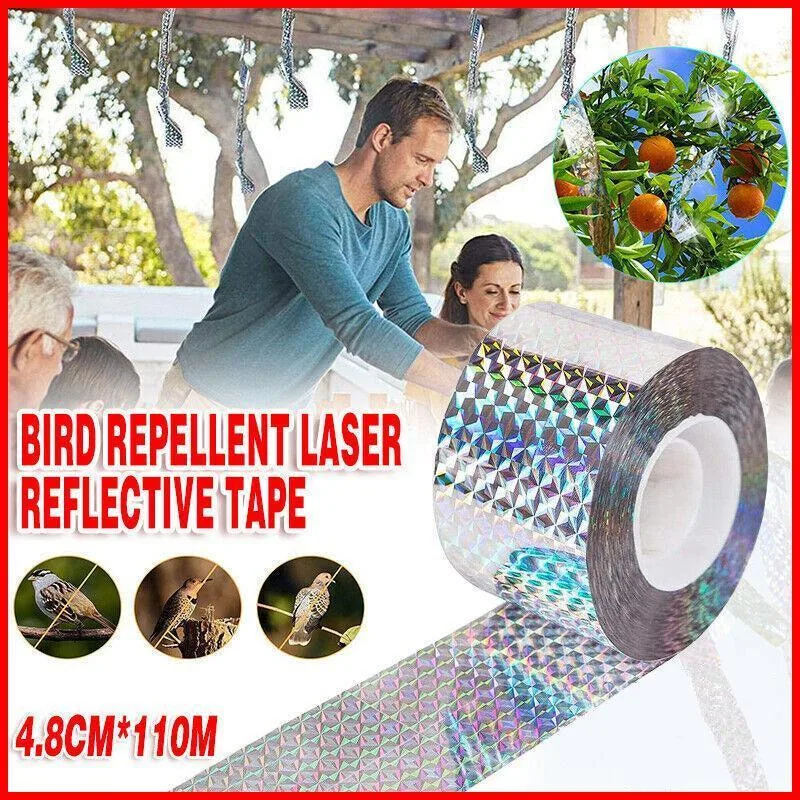
Image source: Bing (Web (fair-use with source credit))
Predator decoys like fake owls suffer from the exact same habituation problem as static discs. If you use a decoy, you still must move it daily. Ultimately, optical media reuse is best treated as one layer in a broader pest management strategy rather than your only defense.

Similar Posts