Why Are My Norfolk Island Pine Branches Curling?
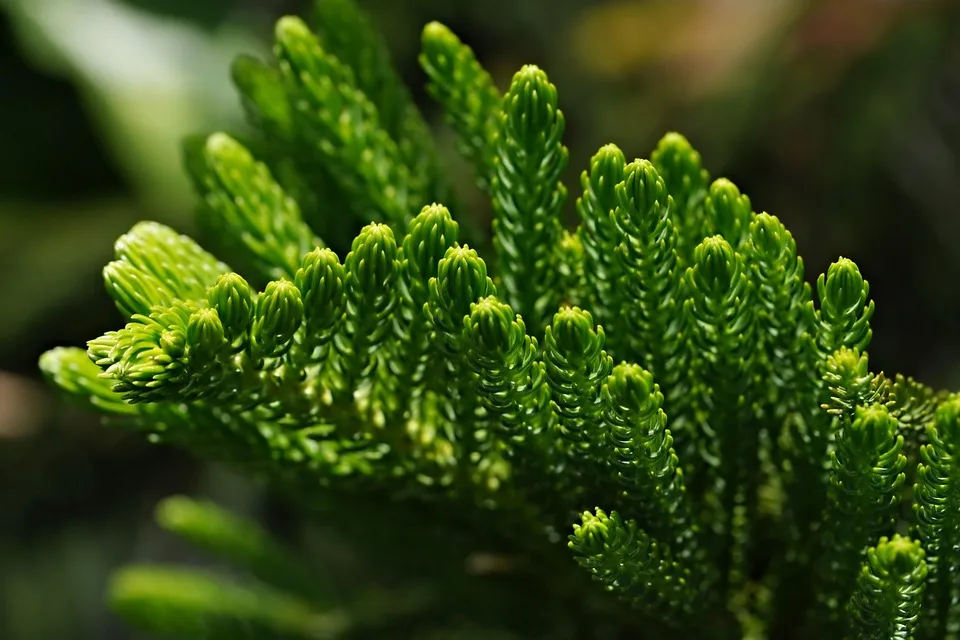
If your Norfolk Island pine branches curling inward is stressing you out, you are not alone. This tropical conifer (Araucaria heterophylla) reacts fast when its environment feels wrong. The needles roll up to protect themselves from moisture loss or temperature shock.
In our research, the most common trigger is indoor humidity dropping below 40 percent. These trees evolved in constant oceanic air, so dry winter heating hits them hard. We will walk through exactly how to figure out what your tree needs right now.
Quick Answer
Norfolk island pine branches curling signals environmental stress. Low humidity causes needles to roll tightly inward. Underwatering makes foliage feel crispy and dry.
Overwatering leads to soft, drooping branch tips. Check your soil moisture first.
Image source: Web (Bing) / pixabay.com (Web image (fair-use with source credit))
Why Your Norfolk Island Pine Branches Are Curling (And How to Read the Symptoms)
Curling is a defense mechanism. Your pine rolls its awl shaped needles inward to reduce surface area. This slows down water loss when the air gets too dry.
Understanding this reaction helps you fix the root cause quickly.
You need to look closely at how the branches behave. Not all curling means the same thing. The texture of the needles tells you exactly what went wrong.
Is it crispy or soft?
Crispy needles mean the plant lacks water or humidity. The tissue dries out and turns brown at the edges. Soft, limp needles usually point to root rot from overwatering.
The roots cannot drink if they are drowning.
Here is a quick breakdown of what the symptoms mean.
| Symptom | Texture | Most Likely Cause |
|---|---|---|
| Needles rolling tightly inward | Crispy, dry | Low humidity or underwatering |
| Branches drooping downward | Soft, mushy | Overwatering or root rot |
| Brown tips on green needles | Rough, brittle | Cold drafts or salt buildup |
| Sudden needle drop | Dry, falling off | Relocation shock or extreme thirst |
Cold drafts cause similar damage. If your tree sits near an AC vent or a drafty window, the sudden temperature drops shock the tissue. Keep the room between 60°F and 75°F for the best results.
Aggregate reviews from indoor growers show that winter months bring the most complaints. Central heating strips moisture from the air. Your pine loses water faster than its shallow roots can replace it.
The Diagnostic Workflow: Finding the Exact Cause of Curling Needles
Fixing the problem starts with a proper diagnosis. Guessing usually makes things worse. Follow this step by step workflow every time you notice changes in your tree.
Start at the soil level and work your way up. You only need your hands and a few minutes to figure this out.
Step 1: Perform the finger test
Push your index finger about two inches into the potting mix. If the soil feels completely dry and powdery, your tree needs water. If it feels soggy or smells sour, stop watering immediately.
That wetness points straight to root rot.

Image source: Web (Bing) / leafrootfruit.com.au (Web image (fair-use with source credit))
Step 2: Check the drainage holes
Lift the pot slightly and look underneath. Water should flow freely out of the bottom after a deep soak. Blocked holes trap water around those fine, shallow roots.
Clear any debris blocking the exit path.
Step 3: Evaluate the room conditions
Stand where your tree stands. Do you feel cold air hitting your ankles from a window? Is a heating vent blowing directly on the lower branches?
Per University of Florida IFAS Extension guidelines, tropical conifers suffer rapid decline when exposed to temperatures below 50°F. Move the plant away from direct airflow.
Step 4: Inspect for pests
Look at the undersides of the curled needles. Spider mites thrive in the exact dry conditions that stress your pine. You might see tiny webbing or yellow stippling on the leaves.
Wipe a branch gently over a white piece of paper to check for moving specks.
If the soil is dry and the air feels crisp, you have a humidity problem. If the soil is wet but the plant looks thirsty, the roots are likely damaged. Match your findings to the correct fix below.
Step-by-Step Fixes Based on Your Diagnosis
Once you know the cause, take action right away. Waiting lets the damage spread to healthy tiers. Here is exactly what to do for each scenario.
Fixing low humidity and underwatering
If your finger test revealed bone dry soil, give the tree a thorough soaking. Place the pot in a sink or bathtub. Run lukewarm water slowly over the soil until it drains heavily from the bottom.
Let it sit for fifteen minutes to drain completely.
Dry air requires a longer term solution. A humidifier running near the plant works best as of 2026. Set it to maintain at least 50 percent relative humidity around the foliage.
Pebble trays offer a simpler alternative. Fill a wide tray with stones and add water just below the top of the pebbles. Rest the pot on the stones so the bottom never touches the liquid directly.
Evaporation creates a small pocket of moist air around the branches.
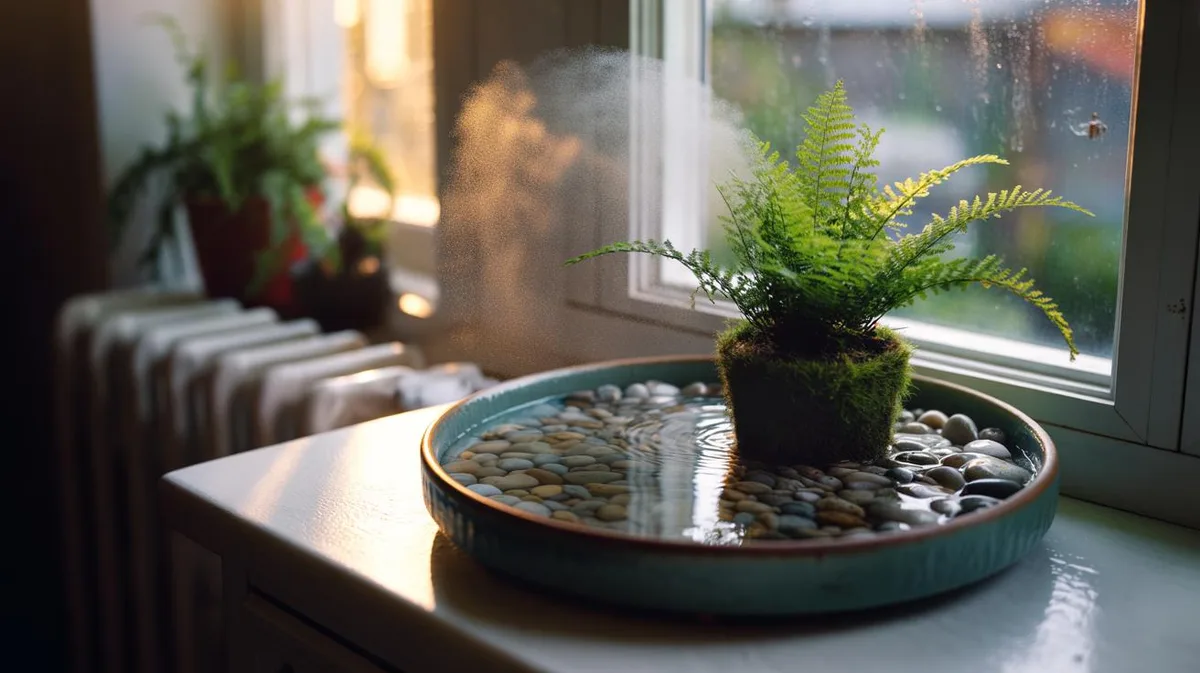
Image source: Web (Bing) / appletonpc.org.uk (Web image (fair-use with source credit))
Treating overwatering and root rot
Stop watering immediately if the soil feels soggy. Pull the tree gently from its pot to inspect the roots. Healthy roots look firm and pale.
Rotting roots turn dark brown, feel mushy, and smell like a swamp.
Trim away the dead roots using clean scissors. Repot the tree into fresh, well draining soil. Make sure the new pot has plenty of drainage holes.
Wait until the top two inches dry out completely before watering again.
Flushing salt buildup
Tap water often contains chlorine and dissolved minerals. Over time, these salts build up in the soil and burn the fine root hairs. This chemical stress forces the needles to curl and brown.
Take the pot outside or put it in the shower. Flush the soil with several gallons of filtered water or rainwater. This pushes the excess salts out through the drainage holes.
Repeat this flushing process every three to four months.
Common Mistakes That Kill Stressed Norfolk Pines
Good intentions often ruin stressed plants. We see the same errors repeated constantly in aggregate user feedback. Avoid these traps to keep your tree alive.
Misting the needles daily. Light misting evaporates in minutes. It does not raise the ambient humidity enough to help. Worse, wet needles sitting in cool air invite fungal infections.
Use a humidifier or a pebble tray instead.
Watering on a strict calendar schedule. Your pine does not care what day of the week it is. It drinks based on light levels and temperature. Always rely on the finger test rather than a set routine.
Winter growth slows down drastically, meaning the soil stays wet much longer.
Using leaf shine products. Spraying chemical gloss on the needles clogs their stomata. Stomata are the tiny pores the plant uses to breathe and release moisture. Blocking them suffocates the tree and accelerates curling.
Leave the natural matte finish alone.
Ignoring the pet warning. The ASPCA classifies Araucaria heterophylla as mildly toxic to cats and dogs. Ingestion causes vomiting and oral irritation. Keep the pot out of reach if your pets like to chew on low hanging branches.
Moving the plant constantly. These trees hate sudden changes. Shifting a pine from a bright living room to a dark hallway triggers relocation shock. The tree responds by dropping entire branches.
Pick a spot with bright, indirect light and leave it there permanently.
Recovery takes patience. Once you apply the correct fix, expect to wait two to four weeks before seeing stable new growth. Old brown needles will not turn green again.
Focus your attention on keeping the newest top tier healthy and straight.
Long-Term Care to Keep Branches Symmetrical and Healthy
Preventing future curling comes down to consistent habits. Your pine needs stable conditions year round to maintain its signature tiered shape. Small environmental shifts add up fast over a few months.
How should you adjust care for the seasons?
Light levels change drastically between summer and winter. Move your plant closer to a bright window when days get shorter in late autumn. Just keep it away from cold glass panes that radiate chill at night.
Watering frequency must drop during winter dormancy. The tree grows much slower when daylight decreases. Always rely on that two inch finger test instead of guessing based on the calendar.
What soil mix prevents root stress?
Standard potting soil holds too much water for these shallow roots. Mix regular indoor potting soil with equal parts perlite or coarse sand. This creates the fast drainage the root system demands.
Repotting only needs to happen every two to three years. Pick a container just one or two inches wider than the current root ball. Too much extra soil stays wet and invites rot.
Can you prune curled branches?
Never chop off lower tiers hoping for new growth. These conifers do not regenerate foliage from bare woody stems. If a branch dies completely, it stays bare permanently.
Focus all your energy on protecting the soft green growing tip at the very top. That single apical bud drives the entire vertical structure. If it breaks or browns out, the symmetrical shape is gone for good.
Keep humidity steady using the methods we covered earlier. A small digital hygrometer near the pot takes the guesswork out of monitoring. Aim for that 50 percent baseline constantly.
Frequently Asked Questions
Will curled Norfolk pine needles uncurl after watering?
Needles damaged by severe dryness rarely return to their original flat shape. Once the tissue turns crispy brown, that specific damage is permanent. However, fixing the moisture issue stops new growth from curling.
You will see healthy straight needles emerge at the top within a month.
Why is my Norfolk Island pine dropping branches?
Sudden branch drop usually signals relocation shock or extreme temperature swings. Moving the tree from a humid greenhouse to a dry living room triggers this defense response. Drafty windows and heating vents cause similar stress.
Keep the environment stable to stop further shedding.
How often should I water an indoor Araucaria heterophylla?
There is no fixed weekly schedule for watering this tropical conifer. Check the soil moisture every few days by pushing your finger two inches deep. Water thoroughly only when that top layer feels completely dry.
Winter months require significantly less frequent watering due to slowed growth.
Can spider mites cause pine needles to curl inward?
Yes, heavy spider mite infestations drain sap and force needles to curl. Look for fine webbing between the branch joints or tiny yellow dots on the foliage. Wipe affected areas gently with a damp cloth to remove pests.
Increasing ambient humidity naturally discourages mites from returning.
Is tap water bad for Norfolk Island pines?
Unfiltered tap water contains chlorine and dissolved minerals that build up in the soil over time. This salt accumulation burns delicate shallow roots and causes needle tips to brown. Use filtered water, collected rainwater, or let tap water sit out overnight before watering.
Flushing the soil quarterly helps wash away existing mineral deposits.

Similar Posts