Why Are My Olive Tree Leaves Falling Off? Causes & Fixes
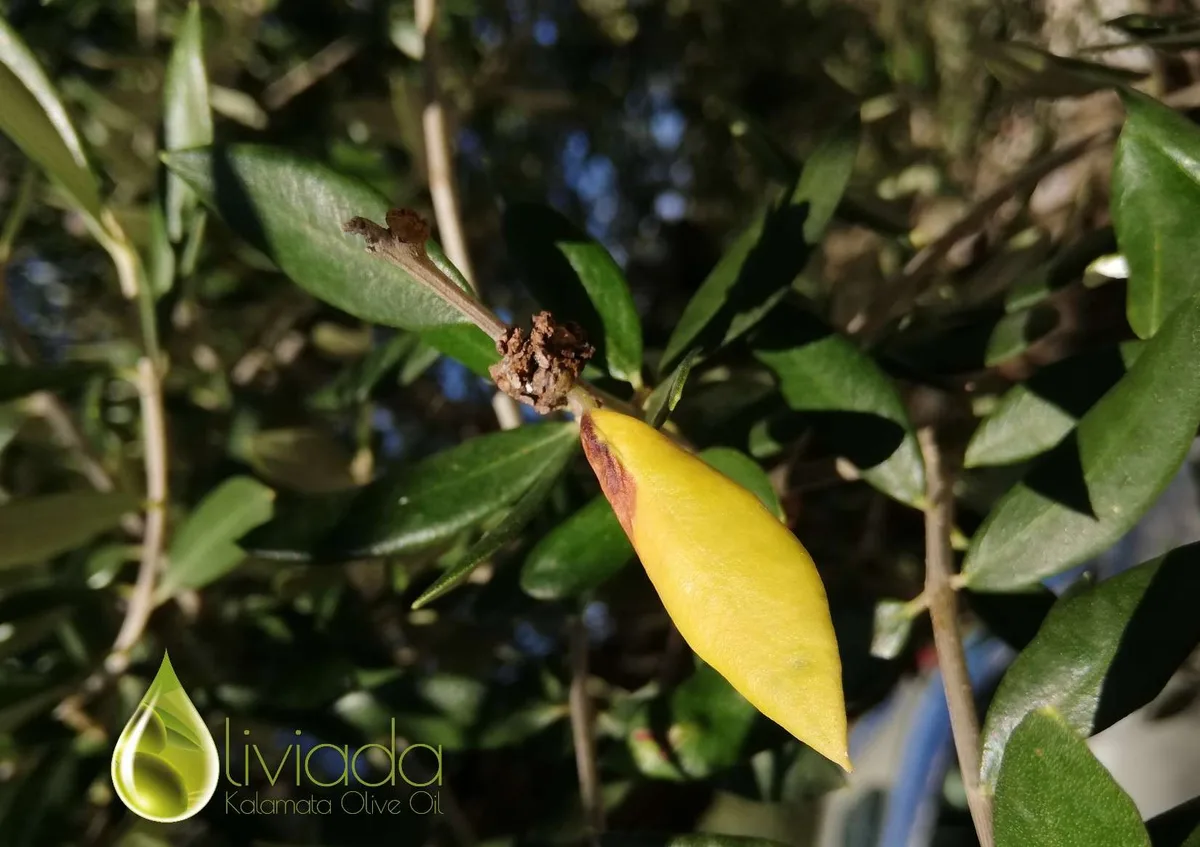
Seeing olive tree leaves falling off your favorite plant is stressful. You might think the tree is dying, but that isn't always true. Sometimes it's just doing what olive trees do.
Other times, it needs your help fast.
Olive trees naturally shed older leaves every two to three years. But sudden, heavy drop means something is wrong with water, soil, or climate. Per UC Davis Agriculture and Natural Resources research, proper drainage prevents most container issues.
Let's figure out exactly what your tree is telling you.
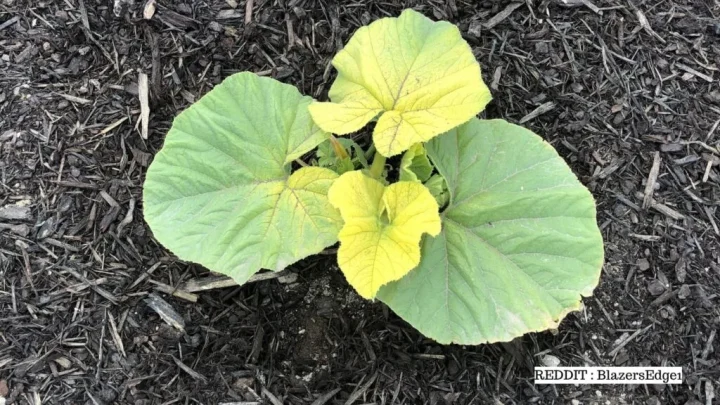
Image source: Bing (Web (fair-use with source credit))
Quick Answer
Olive tree leaves falling off happens for a few reasons. Natural shedding drops a few old leaves yearly. Stress causes sudden mass leaf drop.
Overwatering turns leaves yellow before they fall. Underwatering makes them brown and crispy first.
Why Your Olive Tree Is Dropping Leaves (And When It’s Actually Normal)
Not every dropped leaf is a crisis. Olive trees (Olea europaea) are evergreen, but they still cycle out old foliage. A healthy tree replaces older leaves continuously.
This usually happens in late winter or early spring.
If you see a few yellowish leaves dropping from the interior canopy, relax. That's normal maintenance. The tree sheds leaves that no longer get enough sunlight.
New growth at the branch tips confirms everything is fine.
Problems start when the drop is sudden, heavy, or affects new growth. If whole branches go bare overnight, your tree is stressed. We need to look at the environment.
Water, temperature, and light are the usual suspects.
Indoor potted olives struggle the most with this. Central heating dries the air out completely. Aggregate reviews from indoor growers show winter leaf drop is their top complaint as of 2026.
The tree thinks it's experiencing a drought.
Outdoor trees face different challenges. A sudden hard frost below 15°F damages cell walls. The leaves turn brown and drop rapidly.
Transplant shock also causes temporary defoliation while roots establish themselves.
The key is matching the pattern to the cause. Don't panic and overwater a tree that's just cycling leaves. Take a breath and look closer at what's actually happening.
The Leaf-Drop Decision Tree: Match the Symptoms to the Cause
Figuring out why your tree is dropping leaves requires a quick visual check. You don't need lab equipment. You just need to look at the color, texture, and timing.
Use this logic to narrow down the problem immediately.
Yellow, Mushy, or Falling Green vs. Brown, Crispy, and Curling
If the leaves turn bright yellow and feel soft before dropping, you're likely overwatering. Soggy soil suffocates roots. They can't absorb nutrients, so the tree dumps its foliage.
This is the number one killer of potted olives.
If the leaves curl inward, turn crispy brown at the edges, and snap when you bend them, the tree is thirsty. Underwatering forces the tree to conserve moisture by dropping leaves. Wind scorch or salt burn from hard tap water does the exact same thing.
What if the leaves fall off while they're still totally green? That points to a sudden environmental shock. Cold drafts, abrupt temperature swings, or moving a tree indoors without acclimation trigger this.
The tree panics and lets go of healthy leaves to save energy.
| Symptom | Leaf Color | Texture | Likely Cause |
|---|---|---|---|
| Gradual interior drop | Pale yellow | Normal | Natural leaf cycling |
| Mass drop from tips | Bright yellow | Soft, mushy | Overwatering or root rot |
| Edges turning brown | Dark green/brown | Crispy, dry | Underwatering or salt burn |
| Sudden full branch drop | Green | Firm | Cold shock or transplant stress |
Spotted Leaves, One-Sided Dieback, and Sudden Winter Drop
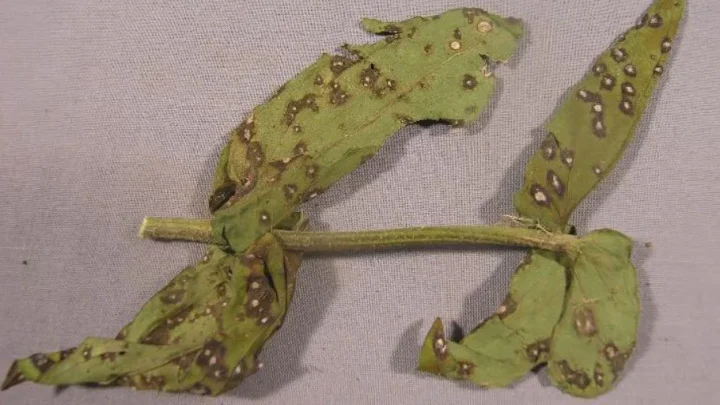
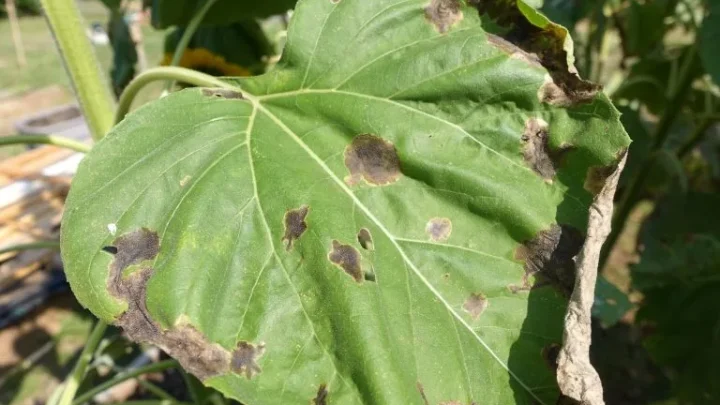
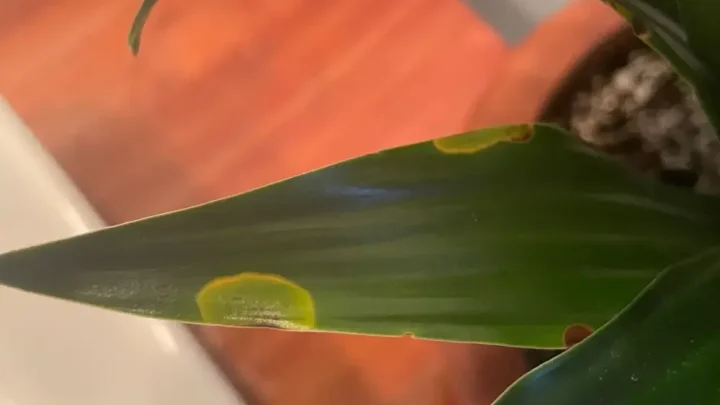
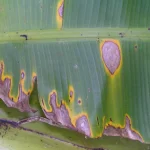
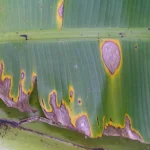
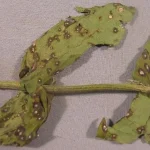
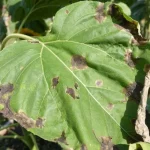
Look closely at the fallen leaves. Do they have dark, circular spots with a yellow halo? That's peacock spot (Spilocaea oleaginea).
It thrives in wet, humid conditions. Infected leaves drop prematurely, usually starting from the bottom of the canopy up.
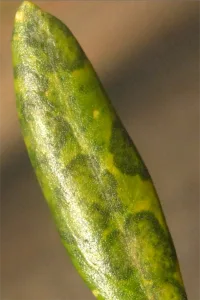
Image source: Bing (Web (fair-use with source credit))
Is only one side of the tree dying while the other looks fine? That asymmetrical dieback is a classic sign of Verticillium wilt (Verticillium dahliae). This soil-borne fungus blocks the vascular system.
Water can't reach half the tree.
Winter brings its own set of problems. Trees grown in USDA Zones 7 or colder often suffer frost injury. The damage might not show up until late spring.
Dead leaves hang on tightly or drop all at once when temperatures rise.
Potted trees brought inside for winter face low light and dry air. They drop leaves because they can't photosynthesize properly. If the drop started a few weeks after moving indoors, the environment is the culprit.
How to Fix an Olive Tree Losing Leaves Based on Your Diagnosis
Once you know the cause, the fix is straightforward. Stop guessing and treat the specific issue. Most trees bounce back within four to eight weeks if you act quickly.
Here is how to handle the most common triggers.
Adjusting Water, Soil, and Drainage for Potted and In-Ground Trees
If overwatering is the problem, stop watering immediately. Let the soil dry out. Stick your finger two inches into the dirt.
Only water again when that top layer feels completely dry to the touch.
For potted olives, the soil mix matters immensely. Standard potting soil holds too much moisture. Repot the tree using a gritty mix.
Combine standard potting soil with 30% perlite or pumice to guarantee fast drainage.
Check the drainage holes at the bottom of the pot. If they're blocked, water pools at the base. Roots sit in mud and rot.
Elevate the pot on feet so water flows freely away from the bottom.
Image source: Bing (Web (fair-use with source credit))
In-ground trees planted in heavy clay face similar suffocation. You can't easily change the native soil around established roots. Instead, apply a thick layer of coarse mulch.
Avoid piling it against the trunk to prevent collar rot.
If underwatering caused the drop, soak the root zone deeply. Don't just sprinkle the surface. Run water slowly until it penetrates several inches down.
Then wait until the top inch dries before repeating.
Treating Peacock Spot, Root Rot, and Verticillium Wilt
Fungal issues require a different approach. For peacock spot, prune out the worst affected branches. Rake up every single fallen leaf around the base.
The spores overwinter in dead debris and reinfect the tree next spring.
Apply a copper-based fungicide in late autumn before the rainy season starts. Follow the manufacturer specifications for dilution rates. Copper sprays protect new growth but won't cure already spotted leaves.
Root rot (Phytophthora) means the damage is underground. Unpot the tree and inspect the roots. Healthy roots are firm and pale.
Rotten roots are dark, slimy, and smell foul. Trim the dead roots with sterilized shears.
Repot the trimmed tree in fresh, dry, gritty soil. Hold off on watering for a few days to let the cuts callus over. Severe cases might not survive, but catching it early gives you a fighting chance.
Verticillium wilt has no chemical cure. The fungus lives in the soil indefinitely. If your tree has it, focus on supportive care.
Keep it watered properly and avoid high-nitrogen fertilizers that push weak, susceptible growth.
Always sterilize pruning tools between cuts. Dip your shears in a 10% bleach solution or wipe them with 70% isopropyl alcohol. Spreading spores from a sick branch to a healthy one makes everything worse.
Common Mistakes That Make Olive Leaf Drop Worse
People panic when leaves fall. Panic leads to bad decisions. We've seen the same mistakes repeated constantly in aggregate grower feedback.
Avoiding these errors keeps your tree alive while it recovers.
Watering more is the biggest mistake. You see leaves dropping and assume the tree is thirsty. But if the soil is already wet, adding more water drowns the remaining roots.
Always test soil moisture before grabbing the hose.
Feeding a stressed tree is another trap. Fertilizer pushes new growth. A tree struggling to keep its current leaves doesn't have the energy for new ones.
Wait until you see fresh buds forming before applying any nutrients.
Using the wrong potting mix sets you up for failure. Bagged "moisture control" soils contain water-retaining crystals. Those are great for ferns.
They are terrible for Mediterranean trees that demand dry roots.
Moving outdoor trees straight into a heated living room shocks them. The temperature swing and humidity drop are brutal. Transition them gradually through a cool garage or porch first.
Give them a week to adjust to lower light levels.
Ignoring fallen leaves invites disease. Fungal spores hide in decaying plant matter. Leaving a pile of spotted leaves under the canopy guarantees reinfection.
Clean up the ground beneath your tree regularly.
Finally, don't prune heavily right after a leaf drop event. The tree is already stressed. Removing live wood forces it to expend energy sealing wounds instead of growing roots.
Only remove clearly dead or diseased branches.
Quick Diagnostic Guide: What to Do Right Now
If your tree is dropping leaves today, follow these immediate steps. Don't wait to see if it stops on its own. Action right now saves roots and branches.
First, push a wooden skewer into the soil. Pull it out after ten seconds. If it comes out dark and wet, stop watering immediately.
If it comes out bone dry, give the root zone a slow, deep soak.
Next, check the light situation. Indoor potted trees need at least six hours of direct sun. Move the pot closer to a south-facing window if you have one.
Grow lights work well as a backup during dark winter months.
Finally, grab a rake or your hands and clear the ground. Remove every fallen leaf from the soil surface. Leaving them there invites fungal spores to multiply overnight.
Put the debris in the trash, not your compost bin.
If the tree was recently moved, leave it alone. Transplant shock takes four to eight weeks to resolve. Keep the soil barely moist and provide stable temperatures.
Don't prune anything unless the wood is clearly dead and brittle.
Frequently Asked Questions
Is it normal for olive trees to lose leaves in winter?
Yes, gradual thinning is completely normal. Olive trees are evergreen but shed older interior leaves every two to three years. This usually peaks in late winter.
As long as branch tips stay green and firm, your tree is healthy.
Will my olive tree grow back after losing all its leaves?
It usually will if the roots are still alive. Scratch the bark on a main branch with your thumbnail. Green tissue underneath means the tree is dormant but living.
Give it proper light, hold off on heavy watering, and wait for spring.
How often should I water a potted olive tree?
Never water on a fixed calendar schedule. Check the top two inches of soil first. Only water when that layer feels completely dry.
In summer, this might mean watering twice a week. In winter, once a month is often plenty.
Why are my indoor olive tree leaves falling off?
Indoor environments lack sufficient sunlight and humidity. Central heating dries the air out rapidly, stressing Mediterranean plants. Move the tree to your brightest window.
Consider adding a small fan for airflow and avoid placing it near heat vents.
Can overwatering cause sudden leaf drop?
Absolutely. Soggy soil suffocates roots, preventing nutrient uptake. The leaves turn yellow and fall off rapidly.
If you suspect overwatering, unpot the tree to inspect the roots. Trim any brown, mushy sections before repotting in fast-draining gritty soil.

Similar Posts