Single Trunk Crape Myrtle Tree: The Complete Growing Guide
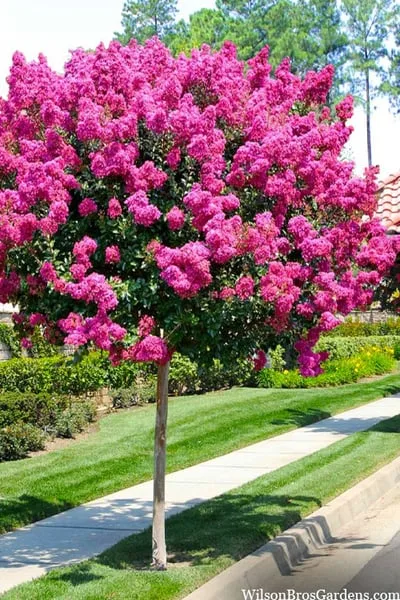
Finding a single trunk crape myrtle tree at your local nursery is surprisingly hard. Most growers sell them as multi-trunk shrubs because that is how the plant naturally wants to grow. If you want that clean, upright look, you either need to buy a specialty grafted standard or train one yourself.
Neither path is instant. Training a young whip into a stable central leader takes three to five years of consistent pruning. Grafted standards cost significantly more upfront but give you immediate structure.
Let us walk through exactly how to decide which route makes sense for your yard.
Image source: Bing (Web (fair-use with source credit))
Quick Answer
A single trunk crape myrtle tree has one main stem. You can buy one pre-trained or shape it yourself. Training requires removing basal suckers every year.
Expect the process to take three to five years.
Why Getting a Single Trunk Crape Myrtle Is Harder Than It Looks
Crape myrtles (Lagerstroemia) are genetically wired to be shrubs. They push out new shoots from the base constantly. This habit makes them incredibly resilient in the landscape.
It also makes keeping just one trunk an uphill battle.
Wholesale nurseries know this. Growing a multi-trunk specimen is faster and cheaper for them. That is why most garden centers only stock bushy, clump-forming plants.
Finding a true standard tree form usually means visiting a specialty grower.
You have two realistic options here. You can buy a pre-trained single trunk tree, or you can buy a cheap multi-trunk shrub and force it into a tree shape. The right choice depends entirely on your budget and patience.
Should You Buy or Train?
If you need a finished tree today for a prominent spot in your front yard, buy one. A 2-inch caliper standard will run you $150 to $350 as of 2026. You pay for the years of labor someone else already did.
If you are planting along a driveway or filling a back border, training your own saves serious money. You can buy a small 1-gallon shrub for under $20. Just know you will spend the next few summers fighting off basal suckers.
Here is how we break down the decision:
| Your Situation | Best Path |
|---|---|
| Need instant height and structure | Buy a grafted or trained standard |
| Planting multiple trees in a row | Buy small shrubs and train them |
| Budget is tight | Train your own from a cutting |
| Hate constant pruning maintenance | Buy a grafted single trunk |
| Want a specific rare flower color | Find a cutting and train it |
Choosing the Right Cultivar for a Single Trunk Form
Not every crape myrtle works well as a single trunk tree. Dwarf varieties top out around 4 feet tall. Training a dwarf into a standard just gives you a lollipop-shaped shrub.
You want a cultivar that naturally pushes strong vertical growth.
Look for full-size hybrids bred by the U.S. National Arboretum. These are often called the "Indian Tribe" series.
They combine Lagerstroemia indica flowers with Lagerstroemia fauriei genetics. That Japanese species brings incredible peeling bark and high disease resistance.
Natchez is the classic choice. It grows fast, hits 30 feet tall, and has white flowers with cinnamon-colored bark. Muskogee is another reliable option if you prefer light lavender blooms.
Both develop thick, sturdy trunks that hold up well over time.
What About Cold Climates?
If you live in USDA Zone 6 or the colder edge of Zone 7, winter damage is your biggest threat. A hard freeze can kill the central leader straight to the ground. The roots survive, but the plant comes back as a multi-stemmed shrub.
For colder zones, stick to proven cold-hardy cultivars. Research from Clemson University Cooperative Extension confirms that hybrids like Acoma and Tonto handle lower temperatures much better. Just remember that severe winters might still force you to retrain the leader.
Avoid older Lagerstroemia indica seedlings in these areas. They lack the powdery mildew resistance of modern hybrids. A sick tree puts all its energy into survival instead of growing a straight, strong trunk.
Step-by-Step: Training a Multi-Trunk Shrub Into a Standard Tree
This is where the real work happens. You are overriding the plant's natural growth habit. It takes sharp tools and consistency.
Do this during late winter while the tree is fully dormant.
Start with a healthy, vigorous multi-trunk plant. Look for the thickest, straightest stem pointing upward. This becomes your central leader.
Everything else is competing for resources.
Take a clean pair of bypass pruners. Cut every other trunk flush to the soil line. Do not leave stubs.
Stubs invite rot and encourage even more suckering around the wound.
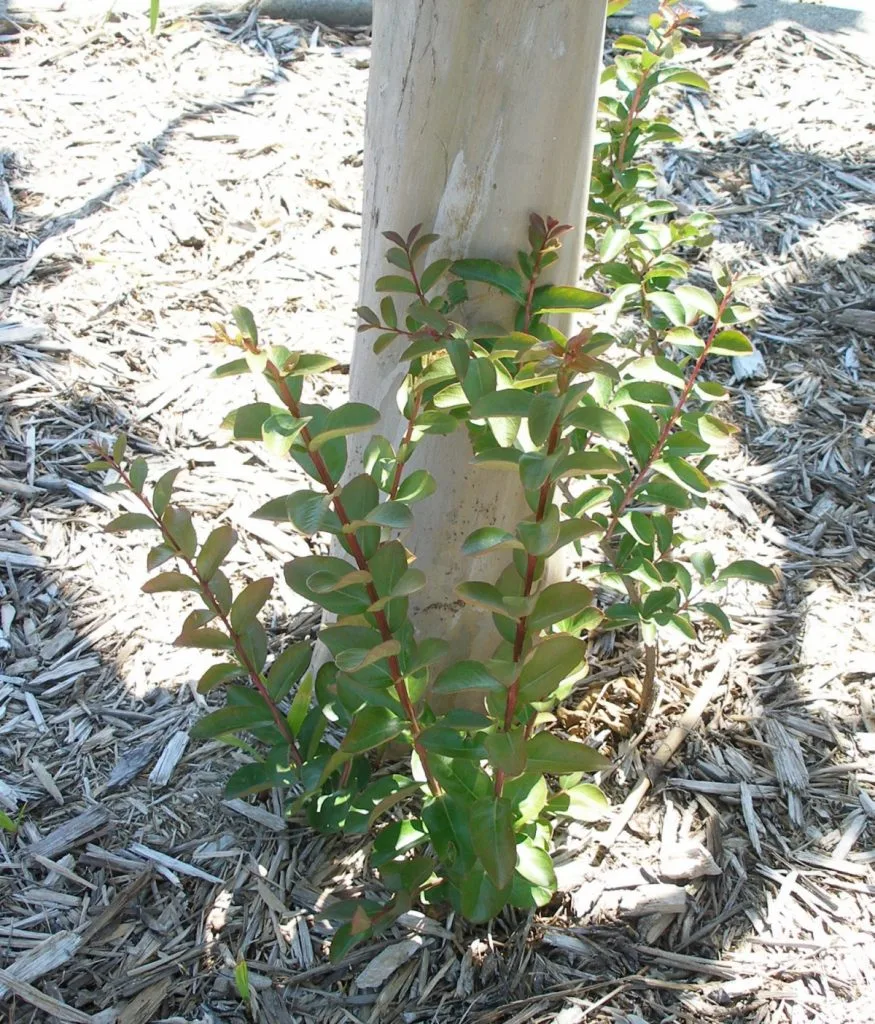
Image source: Bing (Web (fair-use with source credit))
Year One: Establishing the Leader
Once you pick your central leader, remove any side branches on the bottom third of the trunk. This is called crown raising. It creates that clear, bare trunk look you want.
Leave the upper canopy alone so the tree can photosynthesize.
Your remaining job this year is pure vigilance. The plant will panic after losing its extra trunks. It will push out dozens of new basal suckers trying to revert to a shrub.
You must snap or cut these off every few weeks.
Do not wait until fall to clear them. Suckers steal energy from your chosen leader. Pinch them off when they are small and soft.
Aggregate reviews from arborists show that summer sucker pinching is far easier than cutting woody, established shoots later.
Years Two Through Four: Building Structure
By the second winter, your leader should be noticeably thicker. Now you start shaping the canopy. Remove any branches crossing the center or rubbing against each other.
Keep the overall shape balanced so wind does not blow the tree over.
If the trunk is thin and floppy, stake it temporarily. Use a soft tie material that will not cut into the bark. Remove the stake after one growing season.
Trees build stronger wood when they sway slightly in the wind.
Keep clearing the bottom third of the trunk as the tree grows taller. By year four, you should have a stable, freestanding single trunk tree. After that, maintenance shifts from heavy training to basic upkeep.
Tools You Will Need
| Tool | Purpose |
|---|---|
| Bypass hand pruners | Snapping small basal suckers and thin twigs |
| Loppers | Cutting out competing trunks up to 1.5 inches thick |
| Pruning saw | Removing larger lower limbs for crown raising |
| Soft tree ties | Temporarily securing a floppy central leader |
Long-Term Maintenance to Stop Suckers and Protect the Leader
Training the tree is only half the job. Keeping it a single trunk requires ongoing attention. Crape myrtles never truly stop trying to sucker.
You just get better at managing it.
Check the base of the tree monthly during the growing season. Pull small water sprouts by hand if you can. Hand pulling removes the dormant bud at the base.
Cutting them with shears often leaves the bud intact to regrow.
Mulch helps suppress some of this growth. Apply a 2-to-3-inch layer of wood chips around the root zone. Keep the mulch pulled back a few inches from the actual trunk.
Piling mulch against the bark causes moisture issues and rot.
Avoiding Crape Murder
Never top a crape myrtle. Chopping the tops off the branches destroys the single trunk architecture instantly. It forces the tree to push out weak, spindly water sprouts that cannot support heavy flower clusters.
Proper pruning follows ANSI A300 standards set by the International Society of Arboriculture. Make cuts just outside the branch collar. Thin out crowded interior branches instead of hacking the canopy flat.
This preserves the natural, elegant shape of the tree.
Dealing With Bark Scale
Crape myrtle bark scale (CMBS) is a pest you need to watch for. It looks like white, crusty patches on the trunk. Heavy infestations cause black sooty mold to coat the bark and leaves.
If you spot white felt-like spots on your single trunk, act quickly. Horticultural oil applied during dormancy helps smother overwintering pests. For active outbreaks, systemic insecticides applied to the soil are generally recommended by university extension programs.
Catching it early saves the smooth bark that makes single trunk forms so attractive.
Costs, Spacing, and Clearance Rules You Need to Know
A single trunk standard costs more than a multi-trunk shrub of the same height. Nurseries charge for the extra years of labor required to train that central leader. If you buy a pre-trained tree, expect to pay a premium over bushy alternatives.
Pricing scales directly with trunk thickness. Arborists measure this as caliper size, taken six inches above the soil line. A thicker trunk means an older, more stable tree.
That stability matters when you are planting in exposed areas.
Here is what aggregate nursery pricing looks like as of 2026:
| Caliper Size | Estimated Price Range | Best For |
|---|---|---|
| 1 inch | $40 to $80 | Patient homeowners training their own |
| 2 to 3 inches | $150 to $350 | Front yard focal points |
| 4+ inches (boxed) | $500+ | Instant commercial or estate impact |
How Far Apart Should You Plant Them?
Spacing depends on the mature canopy spread of your chosen cultivar. Full-size hybrids like Natchez or Muskogee easily reach 15 to 25 feet wide. Planting them too close forces the canopies to tangle together.
You lose the clean architectural silhouette that makes a standard form worth the effort.
Keep full-size varieties at least 10 to 15 feet away from your house foundation. Their root systems are vigorous once established. Give them room to spread without pushing against siding or concrete walkways.
If you are lining a driveway, stagger the trees rather than planting them in a tight straight row. Staggering gives each root system more space to expand. It also creates a much more natural visual rhythm as the trees mature.
Sidewalks, Utilities, and Legal Clearances
Planting near public spaces triggers local rules. Most municipalities require 7 to 8 feet of vertical clearance over sidewalks. A low-branching canopy will eventually block pedestrian traffic if you do not keep raising the crown.
Utility lines are another hard boundary. Never plant a tall-growing standard directly under overhead power lines. The utility company will eventually top it, destroying the single trunk form you worked so hard to establish.
Always call 811 before digging your planting hole. This free service marks underground gas, water, and electrical lines. Hitting a buried utility line turns a simple weekend project into a massive liability.
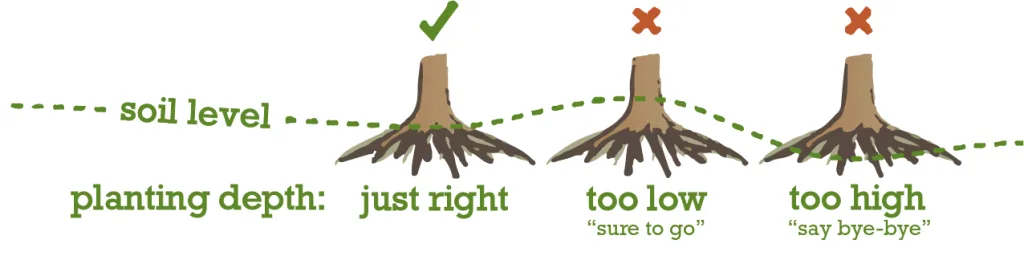
Image source: Bing (Web (fair-use with source credit))
Planting Depth Matters More Than You Think
Burying the root flare is the fastest way to kill a young tree. The root flare is the widened area where the trunk meets the roots. It must sit slightly above the surrounding soil grade.
Planting too deep suffocates the root system and encourages trunk rot. It also triggers epicormic growth along the buried stem. Those new shoots completely ruin your single trunk aesthetic.
Dig the hole just deep enough to match the container soil line.
Frequently Asked Questions
Can any crape myrtle be trained into a single trunk?
Most upright varieties can be trained into a single trunk. Dwarf cultivars under five feet tall make poor standards because they lack height. Choose semi-dwarf or full-size hybrids for the best structural results.
How long does it take to train a single trunk?
Expect the training process to take three to five years. You spend the first year selecting the strongest central leader. The following years involve constant basal sucker removal and gradual crown raising.
Will a single trunk crape myrtle survive in Zone 6?
Survival in Zone 6 requires specific cold-hardy hybrids. Older Lagerstroemia indica varieties often die back to the ground during harsh winters. If the leader dies, the plant reverts to a multi-trunk shrub.
Do grafted single trunk trees produce suckers?
Grafted trees still push basal suckers from the rootstock below the graft union. You must remove these suckers regularly to maintain the single trunk shape. Suckers growing from the rootstock will have different leaves and flowers.
Why are the leaves turning white on my tree?
White leaf coatings usually indicate powdery mildew infection. This fungal disease thrives in humid climates with poor air circulation. Planting resistant Indian Tribe series hybrids prevents most severe outbreaks.
Is topping a crape myrtle ever acceptable?
Topping destroys the branch structure and ruins the single trunk form. It forces the tree to push out weak, spindly water sprouts. Proper crown thinning is always the correct pruning method.

Similar Posts