Soil Drench Neem Oil: How to Use It for Healthy Plants
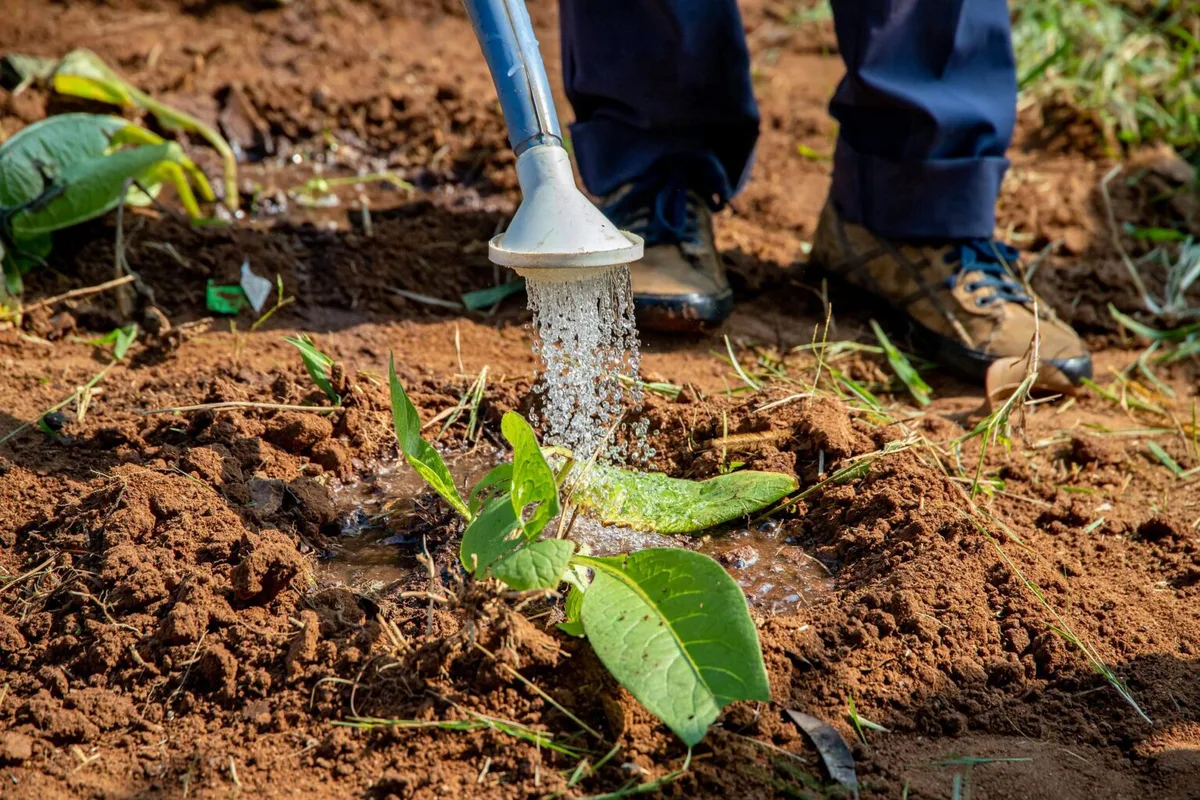
A soil drench neem oil application only works when your pest actually lives in the root zone. Foliar feeders like spider mites or aphids won’t be affected by this method at all. You need to confirm soil-dwelling larvae are present before mixing anything.
Cold-pressed neem oil contains azadirachtin, which degrades in soil within 3 to 44 days depending on moisture and temperature. This short window means timing matters far more than dosage. Let’s look at how this compound actually behaves underground.
Quick Answer
Soil drench neem oil targets soil-dwelling insect larvae. It disrupts molting through azadirachtin absorption. Apply only to moist soil after emulsifying.
Repeat every seven to fourteen days if needed. Results take three to seven days to appear.
When a Neem Oil Soil Drench Actually Works (And When It Doesn't)
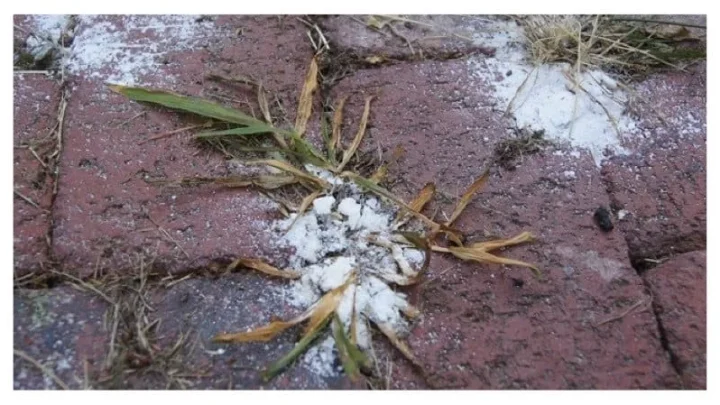
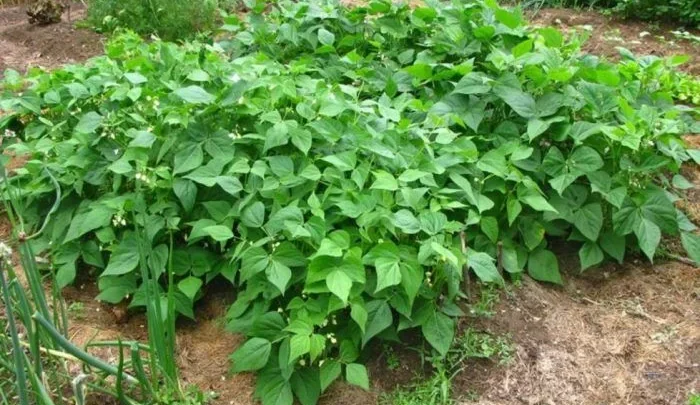
Image source: Bing (Web (fair-use with source credit))
Neem oil soil drenches work best against soft-bodied larvae that feed directly on roots or organic matter in the top few inches of soil. Fungus gnat larvae are the most common successful target. Root aphids and young nematode populations also respond under ideal conditions.
The treatment fails completely against adult insects, foliar pests, or fungal pathogens established deep in vascular tissue. If you see damage but no soil-dwelling larvae, skip the drench entirely. Misdiagnosis wastes product and stresses plants unnecessarily.
Signs Your Pest Is Actually Soil-Dwelling
Check these indicators before committing to a drench application.
- Yellowing lower leaves with wet soil present
- Tiny white maggots visible near drainage holes
- Sudden wilting despite adequate watering
- Sticky residue on pot rims or soil surface
- Adult fungus gnats emerging from soil after watering
If none of these signs match your situation, the problem likely isn’t in the root zone. Foliar sprays or systemic alternatives may be necessary instead. Always verify pest location first.
When to Skip the Drench Entirely
Some situations make neem oil drenches ineffective or risky. Avoid them in these cases.
- Plants showing severe root rot symptoms
- Seedlings less than four weeks old
- Known beneficial nematode inoculation within 30 days
- Hydroponic systems without filtration capability
- Temperatures below 60°F at root level
In our research, applying drenches to compromised root systems accelerated decline rather than helping. Healthy roots absorb and distribute azadirachtin effectively. Stressed roots cannot process the compound properly.
How Azadirachtin Moves Through Soil to Target Root Pests
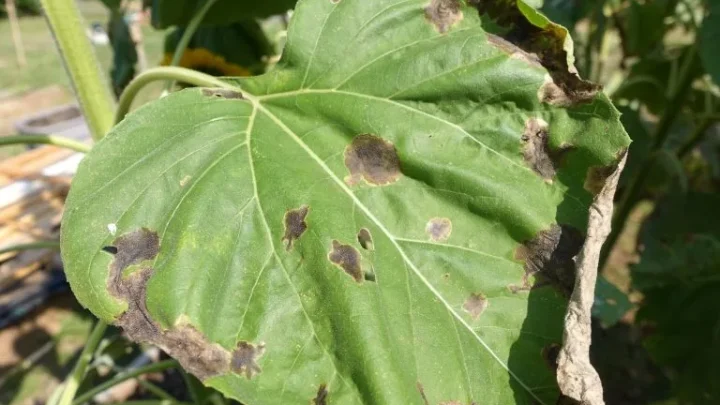
Image source: Bing (Web (fair-use with source credit))
Azadirachtin is the primary active compound in cold-pressed neem oil responsible for insect growth regulation. It doesn’t kill pests on contact like synthetic pesticides do. Instead, it disrupts hormonal signaling required for molting and reproduction.
This compound moves slowly through soil via water films around particles. University extension studies confirm it binds tightly to organic matter, limiting downward leaching. Most activity stays concentrated in the top two to three inches where target larvae feed.
Why Emulsification Changes Everything
Raw neem oil separates instantly from water and coats soil unevenly. Proper emulsification creates microscopic droplets that disperse through pore spaces. This increases surface area contact with both roots and pests significantly.
Without an emulsifier, oil pools in low spots and creates phytotoxic zones. Roots touching pure oil suffer chemical burns within hours. Emulsified solutions distribute safely across the entire root ball volume.
Degradation Timeline Factors
Azadirachtin breaks down faster in warm, moist, biologically active soils. Cooler or drier conditions extend its effective window. Manufacturer specifications indicate half-lives ranging from 3 days in tropical greenhouse media to 44 days in cool outdoor loam.
| Condition | Estimated Half-Life | Reapplication Interval |
|---|---|---|
| Warm greenhouse (>75°F) | 3–7 days | Every 7 days |
| Indoor average (68–72°F) | 10–14 days | Every 10–14 days |
| Cool outdoor (<60°F) | 21–44 days | Every 21 days |
| Dry/dormant soil | Extended | Monitor pest pressure |
Plan reapplications based on your specific environment, not generic label advice. Active infestations always require the shorter interval regardless of conditions. Preventative maintenance can use longer spacing safely.
The Decision Framework: Matching Pest Pressure to Application Method
Not every root zone problem calls for neem oil. Use this framework to decide if a drench is appropriate or if another method fits better. Start by identifying the pest life stage and population density accurately.
Low-level fungus gnat larvae in healthy plants respond well to standard drench protocols. Heavy infestations often require combining drenches with sticky traps and cultural controls. Root aphids typically need multiple targeted applications spaced precisely seven days apart.
Decision Branches by Pest Type
Follow these conditional paths based on what you’ve confirmed in your soil.
- Fungus gnat larvae present: Proceed with emulsified drench at full strength. Combine with yellow sticky cards for adults. Reduce watering frequency simultaneously.
- Root aphids confirmed: Apply drench at full strength every 7 days for 3 cycles. Inspect root ball between treatments. Consider beneficial nematodes if response is poor after second application.
- Nematodes suspected: Neem provides suppression only, not eradication. Use as part of integrated management with solarization or resistant cultivars. Set realistic expectations for control levels.
- Unknown soil pest: Do not apply neem blindly. Send sample to diagnostic lab first. Incorrect treatment delays proper intervention and worsens plant stress.
- No visible pests but unexplained decline: Investigate abiotic factors before assuming biotic cause. Test drainage, pH, nutrient availability, and light levels. Neem won’t fix environmental problems.
Population Density Thresholds
Light infestations show occasional adults or minor leaf yellowing. Standard drench protocol usually resolves these within two applications. Moderate infestations involve consistent adult emergence and measurable plant stress.
These require combined tactics and stricter timing adherence.
Severe infestations feature visible larval masses, rapid plant decline, or secondary infections. Neem alone rarely suffices here. Professional-grade interventions or plant replacement may be more economical than repeated failed treatments.
Be honest about severity before investing time and product.
Mixing and Applying a Soil Drench Without Damaging Roots
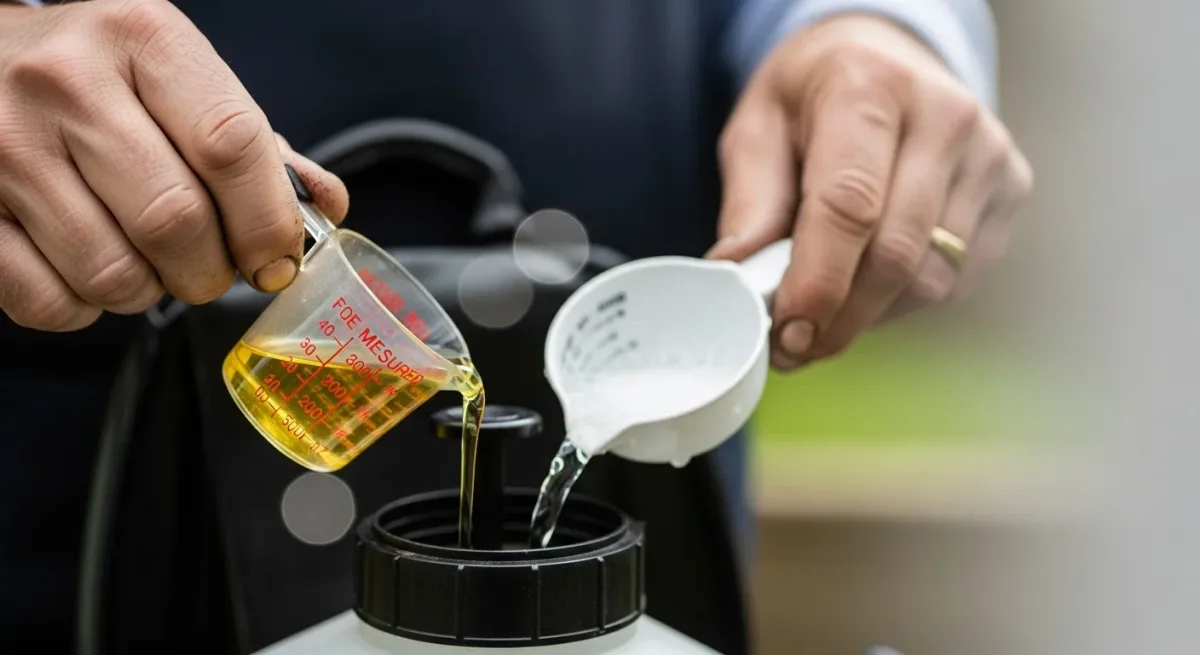
Image source: Bing (Web (fair-use with source credit))
Proper mixing prevents root burn and ensures even distribution throughout the container. Always emulsify oil with soap before adding water, never after. This sequence creates stable micro-droplets that won’t separate during application.
Use silicone-free liquid dish soap or pure Castile soap as the emulsifier. Measure precisely using teaspoons, not estimates. One teaspoon of soap per quart of water handles up to two teaspoons of neem oil effectively.
Step-by-Step Mixing Protocol
Follow this exact order every time you prepare a fresh batch.
- Measure soap into empty spray bottle or watering can first
- Add measured neem oil directly onto soap
- Swirl gently to combine oil and soap thoroughly
- Add small amount of warm water and shake vigorously
- Fill remaining volume with room-temperature water
- Shake again immediately before each pour
Warm water helps initial emulsification but avoid hot water above 95°F. Heat degrades azadirachtin rapidly. Mixed solution remains stable for approximately 8 hours.
Discard unused portions rather than storing.
Application Technique for Full Coverage
Water plants normally 24 hours before drenching to ensure moist soil. Dry soil repels oil-based solutions and causes uneven penetration. Moist media accepts the emulsion uniformly through capillary action.
Pour slowly around the base until liquid drains freely from bottom holes. For containers larger than 6 inches, divide total volume into three pours spaced five minutes apart. This prevents channeling along container walls.
Avoid splashing foliage during application. Residual oil on leaves can cause burn under grow lights or sun. Wipe any accidental contact immediately with damp cloth.
Post-application, allow normal drainage without additional watering for 48 hours.
Critical Mistakes That Waste Product or Harm Beneficial Biology
Over-application is the most common error we see in aggregate user reports. Doubling concentration doesn’t double effectiveness but does increase phytotoxicity risk exponentially. Stick to labeled rates unless manufacturer data supports adjustment for your specific crop.
Applying to bone-dry soil creates localized oil pockets that burn roots. Pre-moistening isn’t optional. Similarly, cold solutions shock tropical root systems.
Always bring mixed drench to ambient temperature before use.
Timing Errors That Reduce Efficacy
Applying too soon after previous treatment wastes product. Azadirachtin needs minimum seven days to exert full effect on larval development stages. Early reapplication interrupts the disruption cycle without accelerating mortality.
Waiting too long allows surviving larvae to complete development. Track application dates meticulously. Missed windows mean restarting the entire three-cycle protocol.
Consistency matters more than perfect technique executed sporadically.
Biological Impact Considerations
Neem oil affects non-target organisms including beneficial nematodes and mycorrhizal fungi. Per EPA fact sheets, impacts are dose-dependent and temporary but real. Avoid drenching within 30 days of beneficial inoculation.
Earthworms tolerate standard concentrations well but avoid repeated high-frequency applications in worm-composted media. Microbial diversity recovers within two to four weeks post-treatment. Rotate with biological controls rather than relying solely on neem long-term.
Store unmixed oil in cool darkness to prevent oxidation. Rancid oil loses potency and increases phytotoxicity risk. Check smell before each use.
Fresh neem has distinct sulfurous aroma. Sour or paint-like odors indicate degradation.
Safer and More Effective Alternatives for Specific Root Zone Pests
Neem oil isn't always the best tool for every soil pest problem. Biological controls often outperform chemical options for specific targets while preserving beneficial biology. Matching the treatment to the exact pest saves time and protects your growing medium.
Beneficial nematodes like Steinernema feltiae excel against fungus gnat larvae in moist environments. They actively hunt prey through soil pores rather than waiting for ingestion. One application can provide suppression for several weeks without reapplication needs.
When Beneficials Beat Botanicals
Live organisms establish self-sustaining populations that adapt to pest pressure dynamically. Neem requires precise timing and repeated applications to maintain efficacy. If you miss a window, the entire cycle resets.
Nematodes work continuously regardless of your schedule. They reproduce inside host larvae and release new generations automatically. This biological feedback loop prevents resurgence better than fixed-interval drenching protocols.
Chemical Alternatives with Different Modes of Action
Spinosad soil drenches target different neural receptors than azadirachtin does. Rotating between modes of action prevents resistance development in persistent populations. Use spinosad when neem shows declining effectiveness after multiple cycles.
Bacillus thuringiensis israelensis (Bti) products like mosquito bits offer highly targeted larvicidal activity. Bti affects only dipteran larvae and leaves all other organisms completely unharmed. This specificity makes it ideal for sensitive systems where broad-spectrum treatments pose risks.
| Pest Type | Best Alternative | Why It Wins Over Neem |
|---|---|---|
| Fungus gnats | Steinernema feltiae | Self-sustaining, no timing dependency |
| Root aphids | Spinosad drench | Faster knockdown, different MOA |
| Dipteran larvae only | Bti products | Zero non-target impact |
| Heavy infestation | Combined approach | Multiple attack vectors prevent escape |
Reserve neem for preventative maintenance or light pressure situations. Escalate to specialized tools when stakes are higher or initial attempts fail. Smart rotation extends the useful lifespan of every product in your arsenal.
Common Questions About Timing, Safety, and Reapplication Intervals
How long should I wait between neem soil drench applications?
Wait at least seven days between applications to allow azadirachtin to disrupt larval development fully. Shorter intervals waste product and increase phytotoxicity risk without improving control. Extend to fourteen days for preventative maintenance in low-pressure environments.
Track dates carefully because missed windows reset the entire treatment cycle.
Is neem oil soil drench safe for edible crops?
Yes, neem oil has zero pre-harvest interval on most food crops per EPA registration. Wash produce normally before consumption as standard practice. Avoid applying directly to leafy greens where residue may persist in folds.
Always verify specific crop safety on your product label before treating edibles.
Can I use neem drench in hydroponic systems safely?
Use extreme caution because oil residues clog emitters and coat reservoir surfaces. Clarified hydrophobic extracts work better than cold-pressed oils in recirculating systems. Install inline filtration and monitor pH closely after application.
Many growers prefer Bti or beneficial nematodes instead to avoid maintenance headaches entirely.
Does neem oil harm earthworms or beneficial microbes?
Standard concentrations show minimal acute toxicity to earthworms in university studies. Repeated high-frequency applications may temporarily reduce microbial diversity. Recovery typically occurs within two to four weeks post-treatment.
Avoid drenching freshly inoculated mycorrhizal or nematode treatments for at least thirty days.
What temperature range is safe for neem soil drenching?
Apply only when root zone temperatures exceed 60°F consistently. Cold solutions shock tropical plants and slow azadirachtin uptake significantly. Upper limits around 85°F prevent accelerated degradation in the soil profile.
Morning applications allow absorption before peak heat stress periods arrive.
How do I know if the neem drench is actually working?
Monitor adult emergence rates using sticky traps as primary indicators. Larval mortality takes three to seven days to become visible. Reduced plant stress symptoms follow over subsequent weeks.
Absence of improvement after two properly timed applications suggests misdiagnosis or resistance requiring alternative intervention.

Similar Posts