Hemp Rope vs Jute Rope: Which One Should You Choose?
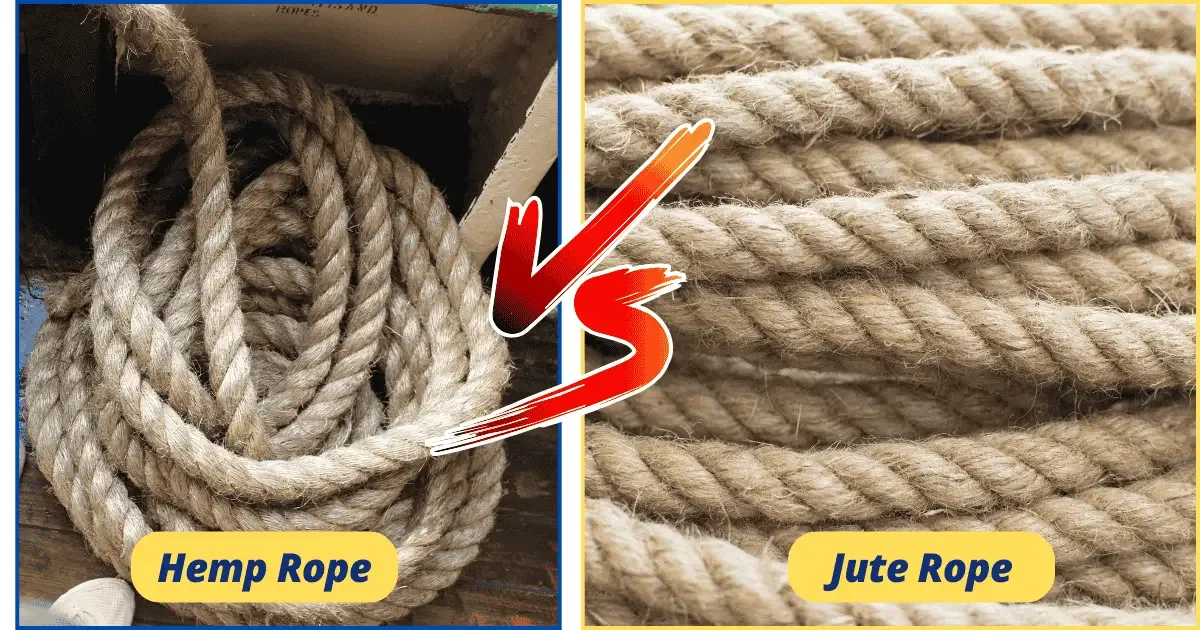
Picking the wrong natural cordage ruins projects and wastes money. When you compare hemp rope vs jute rope, you are looking at two completely different materials. They share a brown color and a rustic look.
Their actual performance under tension and weather is entirely different.
Bast fiber comes from the inner bark of plant stalks. Per ASTM D4268 testing standards, these natural fibers behave differently when wet or loaded. Manufacturer specifications confirm hemp gains strength in moisture while jute loses it rapidly.
That single difference changes how you should use each one.
Quick Answer
🌱 Master Gardener Quick Answer
Hemp rope handles heavy loads and outdoor weather. Jute rope works only for light indoor tasks. Hemp lasts years outside without rotting.
Jute breaks down in soil within weeks. Always match the rope to your specific load requirements.
Image source: Web (Bing) / grassblogger.com (Web image (fair-use with source credit))
Why Choosing Between Hemp and Jute Rope Actually Matters
Natural cordage looks identical on a hardware store shelf. Both come from plant stalks processed into twisted strands. You might assume they perform the same way.
That assumption causes broken garden trellises and failed rigging setups.
Hemp rope comes from industrial Cannabis sativa L. plants grown specifically for long bast fiber. Jute rope uses shorter fibers from Corchorus olitorius or Corchorus capsularis plants. Fiber length dictates how well the finished rope holds together under stress.
Longer fibers grip each other tighter when you pull them.
The stakes change depending on your project. Tying up tomato plants requires very little tensile strength. Hanging a porch swing demands a reliable working load limit.
Using jute for a heavy overhead load risks sudden failure. Our research shows people frequently buy cheap jute for tasks requiring hemp.
You need to evaluate three things before buying. Consider the weight the rope must support. Look at the environment where the rope will sit.
Think about how long you need the setup to last. Answering those questions points you directly to the right material.
Cost plays a role too. As of 2026, jute remains significantly cheaper per foot than hemp. Buying hemp for temporary craft projects wastes your budget.
Buying jute for permanent landscaping costs you more in replacements later. Match the material to the timeline of your task.
How Hemp and Jute Fibers Behave Under Load, Water, and Sun
Understanding fiber mechanics helps you predict how your rope performs. You do not need an engineering degree to grasp the basics. Bast fibers react to their environment constantly.
Moisture, sunlight, and physical tension change their structural integrity every day.
What happens when natural rope gets wet?
Water exposure separates these two materials completely. Hemp fibers swell when they absorb moisture. This swelling locks the twisted strands tighter together.
The overall tensile strength actually increases slightly when the rope is wet.
Jute acts like a sponge that falls apart. It absorbs water quickly and holds it against the core. Sustained moisture invites rot and mildew growth.
Aggregate user reviews show jute garden twine disintegrating after three weeks of spring rain.
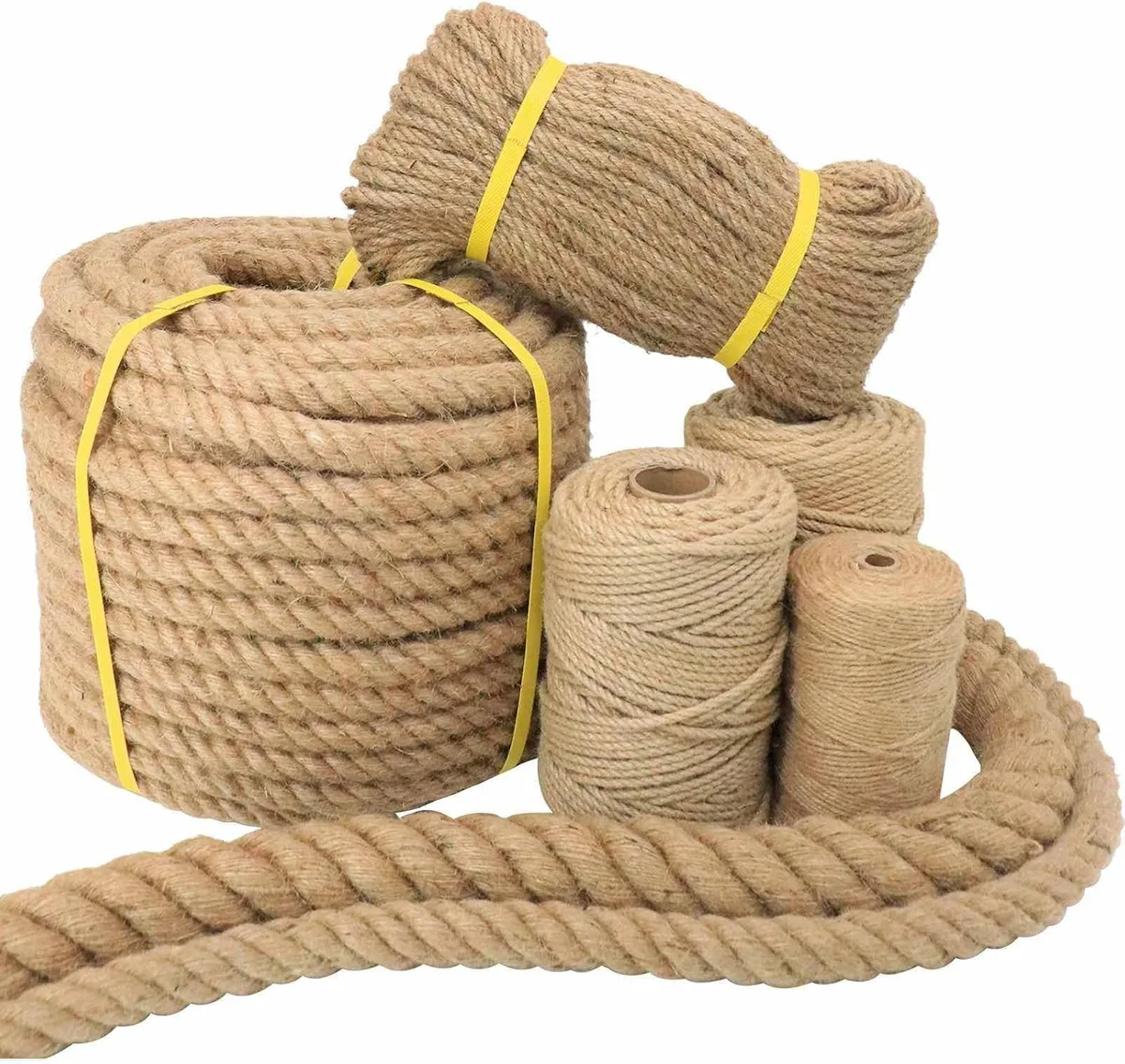
Image source: Web (Bing) / amazon.com (Web image (fair-use with source credit))
How does UV exposure affect natural cordage?
Sunlight degrades all plant fibers eventually. Hemp resists ultraviolet damage much longer than jute. The thick outer fibers shield the inner core from direct rays.
You can leave hemp outdoors for multiple seasons safely.
Jute turns brittle under constant sun exposure. The short fibers dry out and snap easily. A jute rope left on a fence through summer loses flexibility fast.
Pulling on sunbaked jute often results in immediate tensile failure.
Elasticity and shock loading differences
Static loads sit still. Dynamic loads move, bounce, or shift suddenly. Hemp has very low elasticity under a working load.
It holds its shape and keeps knots tight over time.
Jute stretches noticeably under constant weight. This elongation causes suspended items to sag gradually. Worse, jute cannot handle dynamic shock loading.
A sudden jerk on a jute line multiplies the force beyond its breaking point.
Here is how the core attributes stack up based on manufacturer data.
| Attribute | Hemp Rope | Jute Rope |
|---|---|---|
| Wet strength | Increases slightly | Decreases rapidly |
| UV resistance | High | Low |
| Stretch under load | Minimal | Significant |
| Rot resistance | Moderate to high | Very low |
| Fiber shedding | Low | High |
Side-by-Side Specs: Tensile Strength, Rot Resistance, and Cost
Numbers tell the real story behind natural cordage. Marketing language hides the mechanical limits of cheap rope. You need hard specifications to make a safe choice.
We gathered standard data points to build this comparison.
Breaking strength measures the exact force required to snap a rope. You never want to load a rope near its breaking point. The safe working load limit is usually one fifth of that maximum number.
Exceeding the working load limit accelerates fiber degradation.
A standard 3/8 inch diameter hemp rope handles substantial weight. Manufacturer specs confirm breaking strengths around 900 pounds for quality three strand hemp. A 3/8 inch jute rope of the same construction breaks closer to 300 pounds.
That massive gap explains why jute fails at heavy rigging tasks.
Rot resistance determines outdoor lifespan. Hemp survives damp conditions for years if allowed to dry occasionally. University agricultural extension programs note that untreated hemp retains structural integrity across multiple growing seasons.
Jute begins composting almost immediately upon prolonged soil contact.
Price reflects the processing difficulty and raw material yield. Jute grows fast and processes cheaply. Industrial hemp requires more specialized harvesting and retting processes.
Expect to pay roughly twice as much for hemp compared to jute per linear foot.
Surface texture matters for hand comfort during use. Hemp fibers wear smooth after a short break in period. Sliding your hands along hemp rarely causes friction burns.
Jute stays hairy and rough permanently. It sheds small fibers onto everything it touches.
Knot holding capacity relies on surface friction and fiber stiffness. Hemp knots lock down securely because the swollen fibers grip tightly. Jute knots slip under variable tension due to the smooth short fibers.
You always need extra half hitches when tying off jute lines.
Where to Use Hemp Rope vs Jute Rope (And Where They Fail)
Picking the right application prevents wasted money and broken setups. Each rope excels in specific environments. Neither material works perfectly everywhere.
Match the tool to the exact job you have planned.
Best applications for hemp rope
Heavy outdoor tasks demand hemp. Hanging porch swings or hammocks requires low stretch and high tensile strength. Hemp provides both without sagging dangerously over time.
It grips wooden cleats beautifully for nautical dock lines.
Landscaping projects benefit from hemp durability. Building rustic fences or supporting heavy climbing vines works well. The rope withstands rain, mud, and seasonal temperature shifts.
You won't need to replace it halfway through the summer.
Gym climbing ropes and tug of war lines require hand comfort. Hemp softens with use instead of shredding skin. It handles the dynamic shock loading of swinging bodies safely.
Safety compliance standards strictly prohibit using weak fibers for human suspension.
Cargo tie downs need reliability through weather changes. Hemp holds tension firmly even when driving through rain. It won't loosen unexpectedly as temperatures drop overnight.
Best applications for jute rope
Light duty gardening is where jute shines brightest. Staking tomatoes, peppers, or beans for a single season makes sense. The twine holds the plants upright until harvest.
Then it rots directly into the mulch bed naturally.
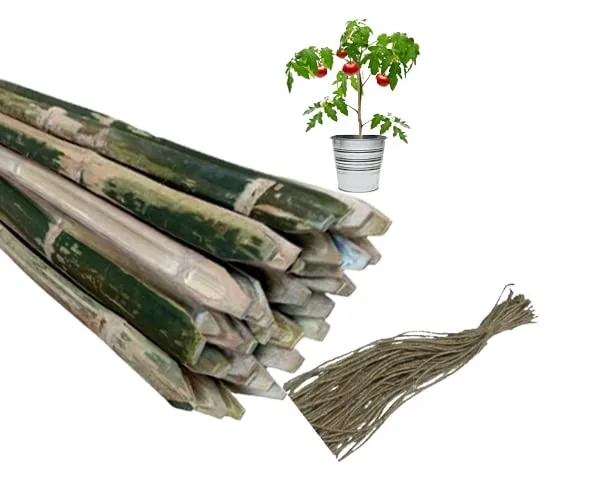
Image source: Bing (Web (fair-use with source credit))
Crafting and gift wrapping rely heavily on jute. Its immediate pliability allows for neat bows and tight parcels. Florists use it to bundle stems without damaging delicate petals.
Theater set designers buy it by the mile for temporary stage props.
Temporary bundling for moving boxes saves money. Wrapping a rolled rug for transport takes seconds with jute. You cut it off and throw it away at the destination.
There is no reason to spend premium prices on disposable ties.
Where both ropes fail completely
Neither natural fiber replaces synthetic rope for critical safety gear. Do not use hemp or jute for rock climbing harnesses. Do not tow vehicles with them.
Nylon and polyester exist specifically for life safety applications.
Submerged underwater environments destroy both materials eventually. Constant immersion prevents drying and accelerates bacterial rot. Marine applications require treated natural fibers or modern synthetics.
Untreated bast fiber simply dissolves under continuous water exposure.
High heat sources pose fire risks for all plant fibers. Keep natural cordage far away from fire pits or exhaust pipes. Dry hemp and jute ignite quickly and burn hot.
Treat them as flammable materials during storage and use.
Knots, Maintenance, and Making Natural Cordage Last
Tying a knot correctly matters just as much as picking the right rope. A poorly tied knot reduces the overall breaking strength drastically. Maintenance routines extend the lifespan of natural fibers significantly.
Neglect guarantees early failure.
Which knots work best for natural fiber?
Hemp responds perfectly to traditional rigging knots. The bowline creates a secure loop that won't slip under heavy loads. Square knots join two hemp ends reliably for static bundles.
The fibers grip each other so tightly that untying becomes difficult later.
You might need a marlinspike or a flathead screwdriver to pry stubborn hemp knots apart. Never use excessive force that crushes the surrounding fibers. Work the spike gently between the twisted strands to loosen them.
Jute requires simpler knots with added security. A basic clove hitch works temporarily but slips under vibration. Always finish jute ties with double half hitches.
The smooth short fibers need that extra friction to stay put.
Avoid complex knots in jute entirely. Too many twists create weak points where the rope bends sharply. Sharp bends crush the hollow bast fibers and reduce tensile strength.
Keep jute routing as straight as possible between anchor points.
Preparing and cutting natural rope
Cutting natural rope incorrectly causes immediate fraying. The twisted strands unravel rapidly once severed. Always wrap the cutting point tightly with tape first.
Cut directly through the center of the tape wrapping.
Whipping the ends prevents future unraveling. Wrap a thin whipping twine tightly around the cut edge. Tie off the whipping securely and trim the excess.
This simple step saves entire lengths of rope from destruction.
Some users apply boiled linseed oil or pine tar to hemp. This treatment waterproofs the outer fibers against heavy rain. Apply it sparingly to avoid creating a sticky mess.
Let the treated rope cure fully in the sun before use.
Coiling and storing natural cordage
Storing wet rope inside a dark shed invites mildew. Always let natural fibers dry completely in the sun first. Coil the dry rope loosely in a figure eight pattern.
Tight coils create permanent kinks that weaken the core structure.
Keep stored rope elevated off concrete floors. Concrete wicks moisture upward into the bottom strands. Hang coils on wooden pegs in a ventilated space.
Proper airflow stops bacterial growth during winter storage months.
Inspect your rope before every major use. Run your hands along the entire length feeling for soft spots. Soft areas indicate internal rot or broken core fibers.
Retire any section showing significant structural degradation immediately.
Hemp vs Jute Rope FAQs
Is hemp rope stronger than jute rope?
Hemp rope is significantly stronger than jute rope. Manufacturer specifications confirm 3/8 inch hemp handles roughly three times the breaking load of the same jute diameter. Always choose hemp for any task involving heavy weight or human suspension.
How long does jute rope last outside?
Jute rope lasts only a few weeks outdoors in wet conditions. Aggregate user reviews show untreated jute garden twine rotting completely within one growing season. The short Corchorus fibers absorb water rapidly and invite bacterial decay.
Can you use hemp rope for climbing?
You can use thick hemp rope for traditional gym climbing. It offers excellent grip and low stretch under dynamic loads. Never use natural fiber ropes for modern safety belay systems where synthetic standards apply.
Does hemp rope shrink when it gets wet?
Hemp rope shrinks slightly in length when first soaked. The bast fibers swell outward and pull the twisted strands tighter. This shrinking actually increases the overall tensile strength of the line.
Which rope is better for gardening?
Jute works best for temporary single season plant staking. It composts directly into the soil by winter without leaving waste behind. Use hemp only if you need permanent structural support for heavy woody vines.
Why is hemp rope more expensive than jute?
Industrial hemp requires specialized harvesting and longer retting processes to extract usable fiber. Jute grows faster and processes much cheaper globally. You pay a premium for the superior longevity and mechanical strength of hemp.
🪵 Horticulturist Recommended: Soil Care & Stump Removal Essentials
Accelerate stump decomposition, enrich soil magnesium levels, and bore deep root holes effortlessly with verified garden-grade supplies:
- 100% Pure Agricultural-Grade Epsom Salt:Check Garden-Grade Epsom Salt on Amazon →
- Heavy-Duty Wood Boring Spade Drill Bit Set:Check Long Wood Spade Drill Bits on Amazon →
*FTC Disclosure: As an Amazon Associate, Home Gardening Blog earns from qualifying purchases. Learn more about our hands-on garden testing methodology.*

Similar Posts