Why Raspberry Leaves Turn Yellow and How to Fix It
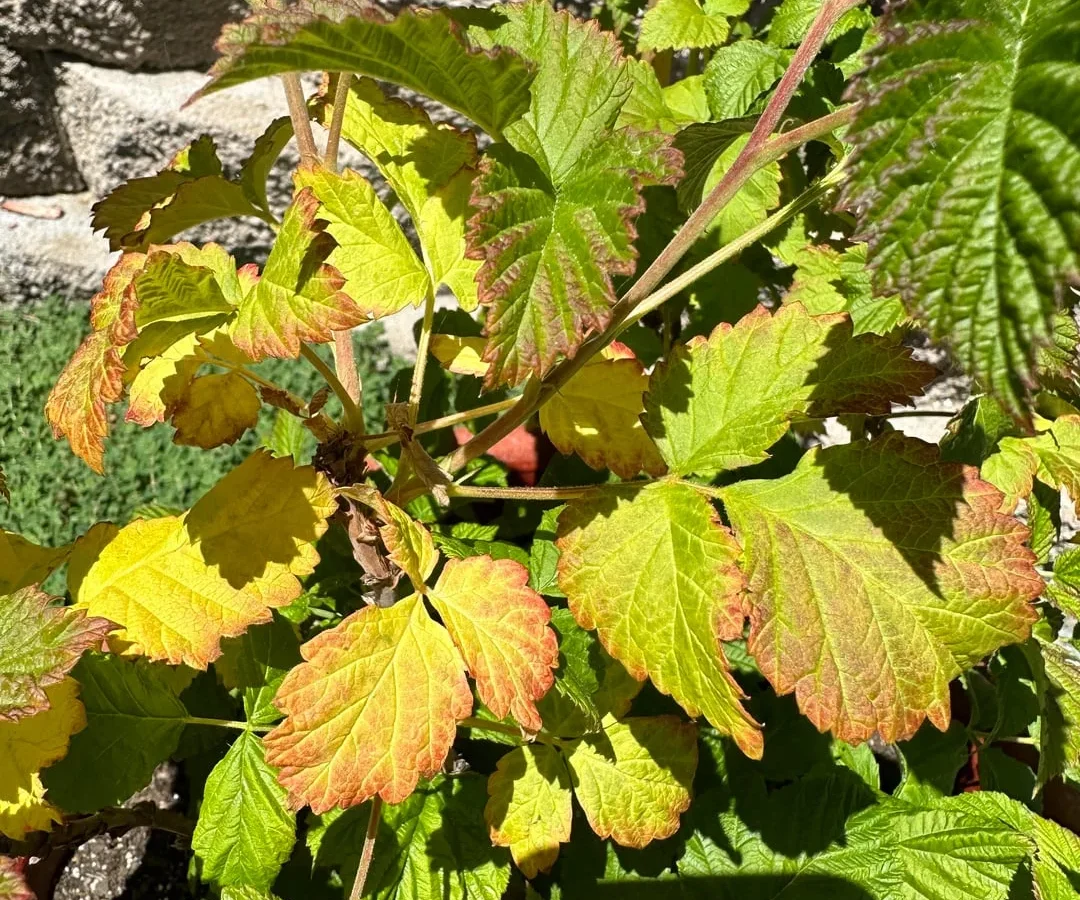
Yellowing leaves on raspberry plants usually signal nutrient deficiency, water stress, or disease. Identifying the exact pattern tells you which problem your patch faces. Treating the wrong cause wastes time and can kill your canes.
Raspberries require a soil pH between 5.6 and 6.2 for optimal nutrient uptake. Values outside this range lock out iron and manganese even in fertile soil. Use this diagnostic workflow to match symptoms to solutions accurately.
Quick Answer
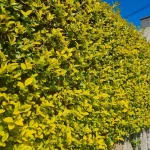
Yellowing leaves on raspberry plants indicate specific underlying problems. Uniform pale foliage points to nitrogen deficiency or overwatering. Yellowing between green veins signals iron chlorosis from high pH.
Vein banding or sudden wilting suggests viral or fungal infection. Correct diagnosis requires matching visual patterns to soil conditions.
The 3-Step Diagnostic: Is It Nutrients, Water, or Disease?
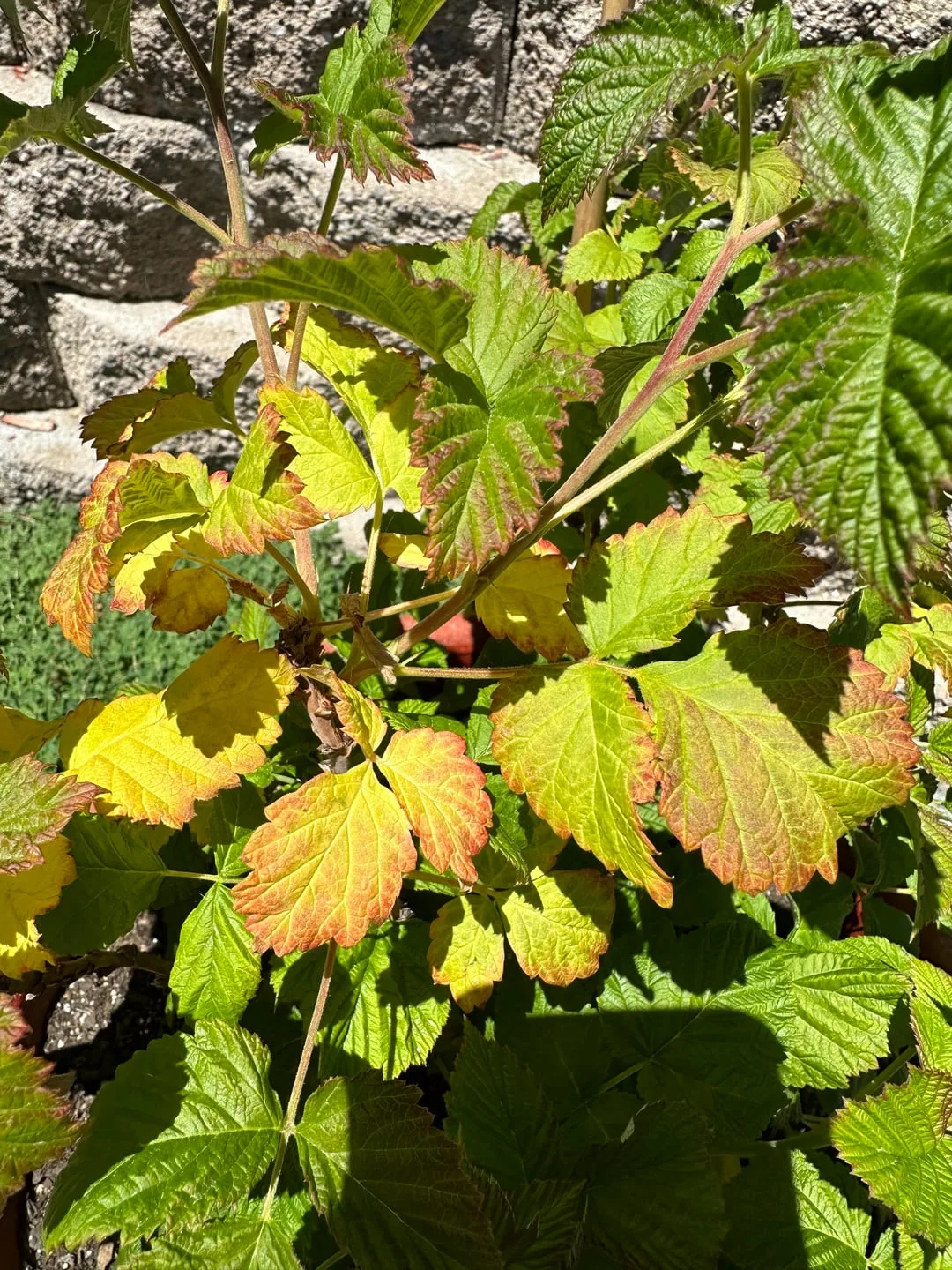
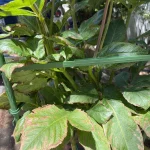
Image source: Bing (Web (fair-use with source credit))
Start by examining where the yellowing appears first. New growth showing symptoms indicates immobile nutrient issues like iron deficiency. Older lower leaves turning yellow suggest mobile nutrients like nitrogen are lacking.
This distinction immediately narrows your diagnostic path significantly.
Next check your recent watering history and soil drainage. Soggy soil causes root suffocation that mimics nutrient starvation perfectly. Dry crumbly soil combined with uniform yellowing confirms simple drought stress.
Feel the soil at root depth before adding any amendments.
Finally inspect the yellowing pattern itself closely. Uniform color loss differs fundamentally from interveinal chlorosis or vein banding. Each pattern corresponds to distinct physiological disruptions in the plant.
These three observations form your complete diagnostic foundation.
What does the symptom location tell you?
Nutrient mobility determines where deficiencies appear first. Nitrogen and magnesium move freely within raspberry canes. The plant relocates these nutrients to support new growth during shortage.
Lower older leaves yellow and die as resources shift upward.
Iron and manganese cannot move once deposited in tissue. Deficiencies manifest exclusively in emerging primocane tips and new leaves. The plant cannot redistribute these micronutrients from older tissue.
Fresh growth shows distress while established canes remain green.
This mobility principle works reliably across all raspberry cultivars. Observing symptom location eliminates half the possible causes instantly. You will know whether to focus on soil fertility or pH chemistry.
Location data provides faster answers than soil tests alone.
How do you assess water and drainage accurately?
Overwatering remains the most common misdiagnosed cause of yellowing. Roots need oxygen as much as they need moisture. Saturated clay soils exclude air pockets entirely within hours.
Root cells die without oxygen regardless of nutrient availability.
Dig a test hole six inches deep near affected canes. Soil should feel cool and slightly moist but never wet. Standing water or mud indicates severe drainage failure.
Amend heavy clay with compost or consider raised beds.
Container grown raspberries dry out faster than in ground plantings. Check pot weight daily during summer heat waves. Lightweight containers signal dehydration despite adequate watering frequency.
Mulch heavily to retain consistent moisture levels.
Branch 1: Uniform Yellowing and Stunted Growth (Nitrogen or Water Stress)
Uniform pale green or yellow foliage across entire canes points to two possibilities. Nitrogen deficiency causes gradual overall lightening starting from bottom leaves. Chronic overwatering produces identical symptoms through root oxygen deprivation.
Distinguishing between them requires checking soil moisture directly.
If soil is dry and lower leaves yellow first then apply balanced fertilizer. Raspberries need roughly two ounces of actual nitrogen per hundred square feet annually. Split applications prevent salt burn and leaching losses.
Water thoroughly after fertilizing to move nutrients into root zone.
If soil stays wet despite reduced watering then address drainage immediately. Stop all irrigation until top two inches dry completely. Install French drains or build raised mounds for permanent relief.
Fertilizer added to waterlogged soil worsens root rot conditions.
When is nitrogen deficiency the confirmed cause?
Soil testing provides definitive confirmation before applying amendments. Tissue analysis reveals current nutrient status inside the cane. Combined results show whether soil lacks nitrogen or roots cannot absorb it.
University extension services offer affordable testing kits for home growers.
Visual confirmation includes stunted primocane growth alongside yellowing. New canes emerge thin and weak instead of vigorous and upright. Berry production drops noticeably compared to previous seasons.
Recovery begins within two weeks of proper nitrogen application.
Avoid excessive nitrogen applications late in growing season. Late growth remains tender and vulnerable to winter kill. Cease fertilization by midsummer in most temperate climates.
Let canes harden off naturally before dormancy arrives.
How do you fix chronic overwatering problems?
Improve soil structure through organic matter incorporation. Compost increases pore space in heavy clay soils dramatically. Gypsum helps flocculate clay particles without altering pH.
Apply two inches annually as top dressing around established patches.
Adjust irrigation schedules based on actual evapotranspiration rates. Weather stations provide local ET data for precision scheduling. Drip systems deliver water efficiently without surface saturation.
Avoid overhead sprinklers that promote foliar disease development.
Monitor recovery progress over several weeks carefully. New growth should emerge healthy green if roots survive. Persistently yellow canes despite corrections indicate irreversible damage.
Remove and replace severely compromised plants promptly.
Branch 2: Interveinal Chlorosis on New Leaves (Iron Deficiency and pH Lockout)
Image source: Web (Bing) / my.cytron.io (Web image (fair-use with source credit))
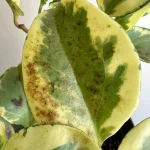
Interveinal chlorosis shows yellow tissue between distinctly green leaf veins. This pattern confirms iron or manganese unavailability rather than true deficiency. High soil pH above seven locks these micronutrients chemically.
The plant literally cannot absorb them regardless of soil content.
Test soil pH before attempting any corrective treatment. Applying iron sulfate to alkaline soil provides only temporary relief. Elemental sulfur lowers pH gradually over months not days.
Lime raises pH if testing shows values below five point six.
Foliar chelated iron sprays bypass soil chemistry entirely. Leaves absorb iron directly through stomata within days. Greening response confirms pH lockout as the root cause.
Repeat applications maintain health until soil pH adjusts permanently.
Why does pH matter more than iron content?
Iron exists abundantly in most mineral soils naturally. Solubility decreases exponentially as pH rises above neutral. At pH eight available iron drops to one part per million.
Roots simply cannot extract sufficient quantities for chlorophyll synthesis.
Chelated iron formulations remain soluble across wider pH ranges. EDDHA chelates work effectively up to pH nine. EDTA chelates fail above pH seven rendering them useless.
Always verify chelate type matches your measured soil pH.
Soil bicarbonate levels compound high pH problems significantly. Irrigation water from limestone aquifers carries dissolved carbonates. Each watering deposits alkalinity that buffers against acidification.
Test irrigation water separately if pH corrections fail repeatedly.
What is the safe pH adjustment timeline?
Elemental sulfur requires microbial oxidation to become active. Soil bacteria convert sulfur to sulfuric acid slowly. Warm moist conditions accelerate conversion during growing season.
Expect measurable pH change only after three to six months.
Apply sulfur at rates specified by soil test recommendations. Excessive sulfur burns roots and damages soil biology. Maximum single application rarely exceeds fifty pounds per acre.
Split heavy corrections across multiple seasons for safety.
Retest soil pH annually to track adjustment progress. Overcorrection creates new deficiencies of calcium and magnesium. Target range stays between five point six and six point two.
Precision matters more than speed when modifying soil chemistry.
Branch 3: Vein Banding, Curling, or Sudden Wilt (Viral and Fungal Threats)
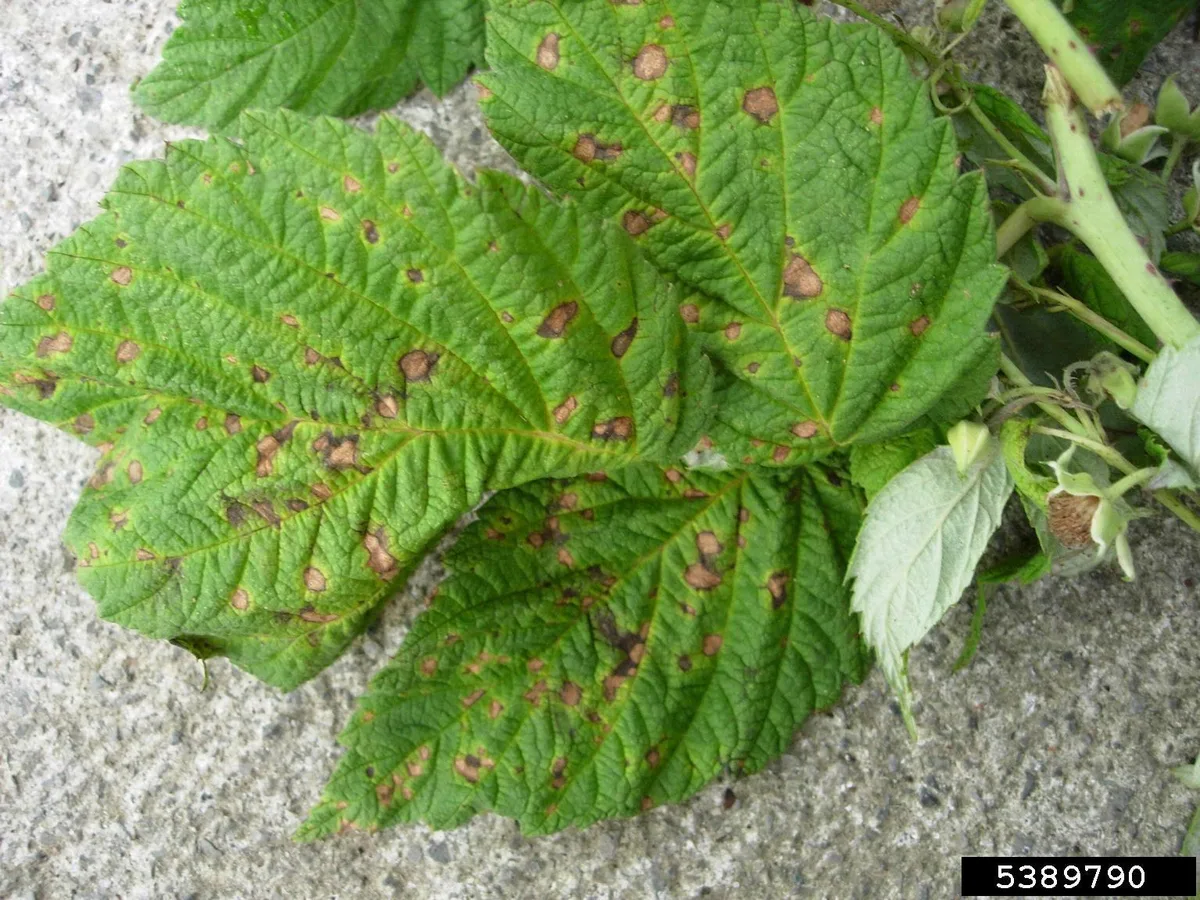
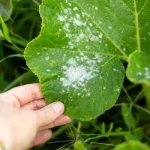
Image source: Bing (Web (fair-use with source credit))
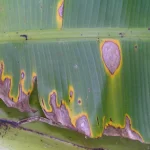
Vein banding appears as yellow lines tracing leaf vein networks precisely. This symptom specifically indicates Raspberry Mosaic Virus complex infection. Aphid vectors transmit viruses from infected wild brambles nearby.
No cure exists once infection establishes in the crown.
Sudden unilateral wilting on individual canes signals Verticillium wilt. This soil borne fungus blocks vascular tissue internally. Outer cane tissue may appear normal while inner xylem browns.
Infected plants decline irreversibly over weeks to months.
Remove and destroy symptomatic plants immediately upon confirmation. Do not compost diseased material under any circumstances. Sterilize pruning tools between cuts with ten percent bleach solution.
Prevention through certified virus free stock remains essential.
How do you distinguish viral from nutritional symptoms?
Viral symptoms display asymmetric patterns unlike uniform deficiencies. One side of the cane shows distress while other remains healthy. Nutritional problems affect entire plant evenly due to systemic distribution.
Asymmetry strongly suggests biotic rather than abiotic causes.
Mosaic patterns create irregular blotches rather than organized chlorosis. Yellow areas lack defined boundaries between green and pale tissue. Iron deficiency maintains crisp vein demarcations consistently.
Pattern recognition separates pathogens from physiology reliably.
Leaf curling accompanies many viral infections distinctly. Downward cupping differs from drought induced rolling. Viruses disrupt hormone balance causing permanent deformation.
Nutritional leaves flatten normally once corrected properly.
When must you remove infected plants entirely?
Verticillium infected canes never recover functionally. Fungus persists in soil for ten years or longer. Replanting susceptible varieties guarantees reinfection cycles continue.
Resistant cultivars like Heritage show tolerance not immunity.
Viral plants serve as permanent reservoirs for spread. Aphids acquire virus from infected crowns continuously. Neighboring healthy canes face escalating exposure risk.
Rogueing protects remaining productive plants effectively.
Document removal locations for future planting decisions. Avoid replanting raspberries in same spot for five years. Rotate with non host crops like corn or grasses.
Soil solarization reduces but rarely eliminates pathogen loads completely.
Corrective Action Plan: Matching Treatment to the Diagnosis
| Symptom Pattern | Primary Cause | Immediate Action | Long Term Solution |
|---|---|---|---|
| Uniform yellow lower leaves | Nitrogen deficiency | Apply balanced 10-10-10 fertilizer | Annual soil testing and scheduled feeding |
| Overall pale with wet soil | Overwatering | Cease irrigation and improve drainage | Install raised beds or amend clay soil |
| Interveinal chlorosis new growth | Iron chlorosis high pH | Foliar chelated iron spray | Apply elemental sulfur to lower pH gradually |
| Vein banding asymmetric mosaic | Raspberry Mosaic Virus | Remove and destroy infected plants | Source certified virus free replacement stock |
| Sudden unilateral cane wilt | Verticillium wilt | Rogue affected canes immediately | Plant resistant varieties in new location |
Match treatments precisely to confirmed diagnoses only. Guesswork wastes resources and risks worsening problems. Document interventions and responses for future reference.
Building institutional knowledge prevents repeated mistakes seasonally.
Timing matters as much as treatment selection itself. Apply nitrogen in early spring when growth resumes. Foliar iron works best during cool morning hours.
Soil amendments integrate most effectively during fall preparation.
Monitor treated plants weekly for response indicators. Recovery timelines vary from days to months depending on cause. Lack of expected response signals misdiagnosis requiring reassessment.
Stay flexible and willing to adjust strategies based on evidence.
Common Misdiagnoses That Kill Raspberry Patches
Applying nitrogen fertilizer to Verticillium infected plants accelerates decline rapidly. The fungus thrives on lush succulent growth stimulated by excess nitrogen. You essentially feed the pathogen while starving healthy tissue.
Always rule out vascular diseases before adding fertility amendments.
Treating iron chlorosis without testing pH wastes money repeatedly. Iron sulfate applied to alkaline soil precipitates instantly into unavailable forms. Plants show brief greening then revert within weeks.
Soil acidification must precede or accompany iron supplementation for lasting results.
Confusing natural fall senescence with pathology causes unnecessary panic. Primocanes naturally yellow and shed leaves as dormancy approaches in autumn. This process starts from bottom leaves moving upward systematically.
Pathological yellowing rarely follows such orderly seasonal progression patterns.
Why does overwatering mimic nutrient deficiency so closely?
Root cells require oxygen for active nutrient transport mechanisms. Saturated soil excludes air and halts uptake physiology completely. The plant starves despite abundant nutrients surrounding roots.
Adding fertilizer to waterlogged soil increases salt concentration harmfully.
Recovery requires drying cycles more than chemical corrections. Allow top two inches of soil to dry between waterings. Monitor moisture at root depth rather than surface appearance.
Mulch moderates evaporation without creating perched water tables.
Container plants suffer most frequently from this confusion. Potting media compacts over time reducing drainage capacity. Repotting into fresh porous mix often resolves chronic yellowing.
Root pruning during transplant stimulates new absorptive growth.
When is yellowing actually normal and healthy?
Post harvest floricane dieback is expected and necessary. Second year canes complete their lifecycle after fruiting finishes. Yellowing progresses evenly from base to tip over weeks.
Remove spent canes promptly to improve air circulation.
Transplant shock causes temporary yellowing in newly planted stock. Roots need four to six weeks establishing in new soil. Maintain consistent moisture without saturation during establishment period.
New growth emerging green confirms successful adaptation.
Shade induced pale foliage differs from true chlorosis. Lower leaves receiving insufficient light thin and lighten gradually. Pruning surrounding vegetation restores photosynthetic capacity naturally.
Nutrient tests remain normal despite visual pallor.
Frequently Asked Questions About Yellowing Raspberry Leaves
Can I save a raspberry plant with Verticillium wilt?
No effective cure exists once infection establishes systemically. Remove and destroy symptomatic canes immediately upon confirmation. Replant only resistant varieties like Heritage or Nova in that location.
Soil solarization reduces but rarely eliminates fungal inoculum completely.
How fast does chelated iron work on yellow leaves?
Foliar applications typically show visible greening within seven days. Soil drenches take two to four weeks for full effect. Response speed depends on severity and application timing.
Cool morning applications maximize absorption through open stomata.
Should I remove all yellow leaves from my raspberries?
Remove only severely damaged or diseased foliage selectively. Mildly chlorotic leaves often recover after proper treatment. Photosynthetic capacity supports recovery even when compromised.
Complete defoliation stresses plants unnecessarily during correction periods.
Does Epsom salt fix yellowing raspberry leaves?
Epsom salt addresses magnesium deficiency specifically not general yellowing. Test soil first to confirm actual magnesium shortage. Excessive application creates potassium antagonism worsening other deficiencies.
Use only when tissue analysis confirms true magnesium deficit.
Why do new raspberry leaves turn yellow every spring?
Cool wet spring soils temporarily suppress root activity and nutrient uptake. Growth resumes faster than roots can supply nutrients initially. Warming soil temperatures typically resolve this transient condition naturally.
Persistent symptoms beyond midsummer warrant soil testing investigation.

Similar Posts