Why Watermelon Leaves Turn Brown & How to Fix It
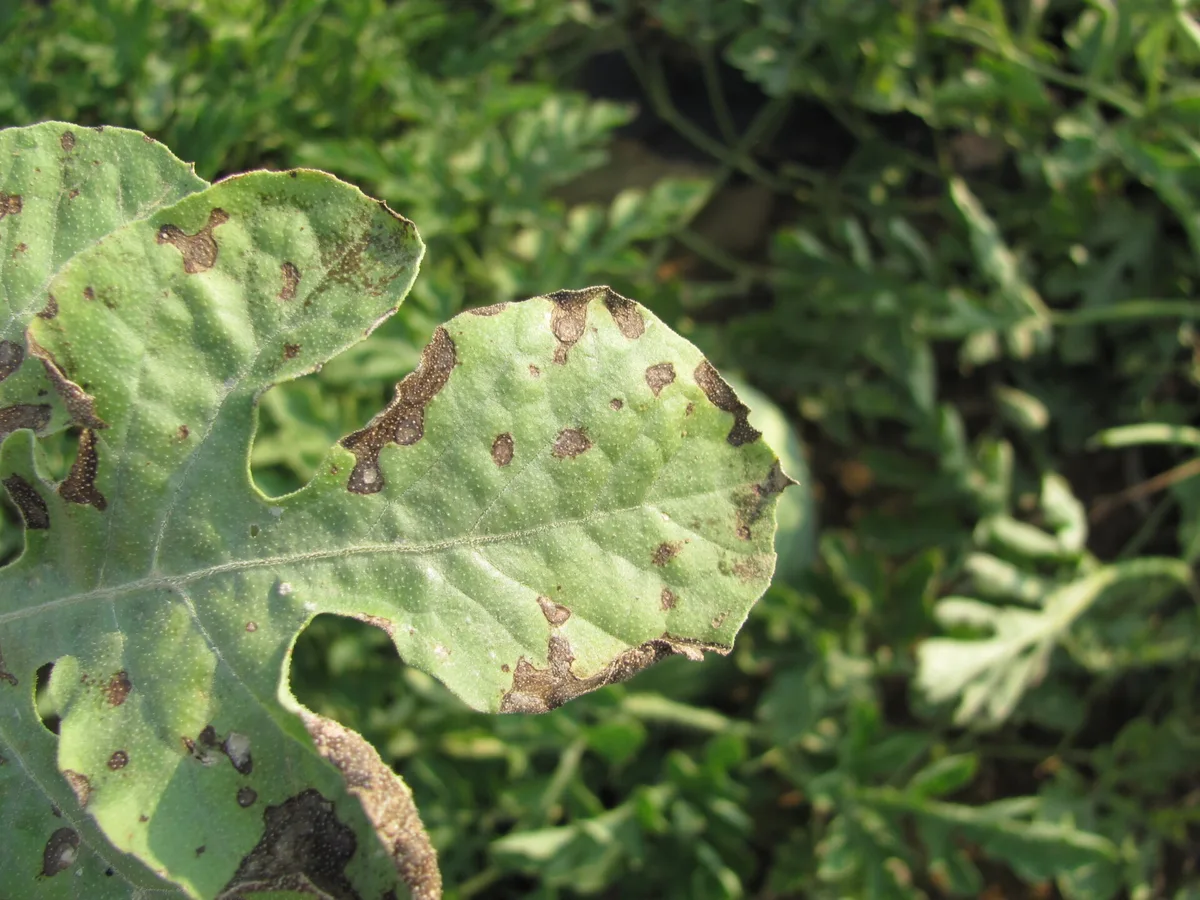
Seeing watermelon leaves turning brown usually means your plant is stressed by a fungal disease or a nutrient deficiency. The exact cause depends on where the browning starts and what the spots look like. You have to read the symptoms carefully before you treat anything.
Guessing often makes the problem worse.
Watermelons need 1 to 2 inches of water weekly, and soil pH must stay between 6.0 and 6.8 for proper nutrient uptake. When those numbers fall out of range, roots struggle and foliage burns. Let's walk through exactly how to figure out what is killing your vines.
Image source: Bing (Web (fair-use with source credit))
Quick Answer
Watermelon leaves turn brown from disease or nutrient issues. Fungal infections create distinct spots on the foliage. Potassium deficiency causes crispy brown leaf edges.
Overwatering also leads to root rot and browning. Check the leaf patterns to find the cause.
Why Your Watermelon Leaves Are Turning Brown (The Quick Diagnostic)
Brown leaves are just a symptom. The real issue hides in the pattern. If the browning starts at the outer edges and creeps inward, you are likely looking at a nutrient lockout or salt burn.
If it shows up as isolated spots with yellow halos, a fungal pathogen has moved in.
Our research into cucurbit diseases shows that growers frequently confuse drought stress with early blight. Both make leaves look crispy. Drought stress hits the whole plant evenly during hot afternoons.
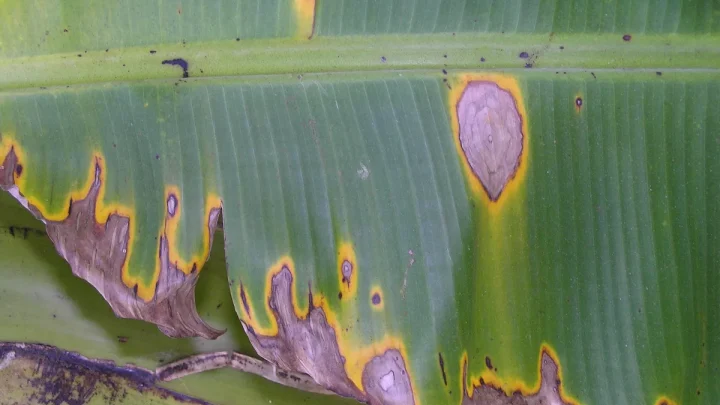
Fungal diseases like Alternaria leaf spot start small on older leaves and spread upward over several days.
You need to check three things right now. Look at the oldest leaves near the base of the vine. Feel the soil moisture about two inches down.
Examine the shape of the brown areas closely. These three clues will point you straight to the correct branch of our diagnostic tree.
Commercial growers and university extension programs use this exact scouting method every season. Skipping straight to a fungicide spray without checking these variables wastes money. It can also damage plants suffering from simple thirst or poor soil chemistry.
Diagnosis always comes first.
The Decision Tree: Matching Leaf Symptoms to the Real Problem
We built this decision tree to help you isolate the exact cause fast. Follow the if/then logic based on what you see on your vines. Do not jump ahead until you confirm the visual match.
Branch 1: Spots, Rings, and Fungal Patterns
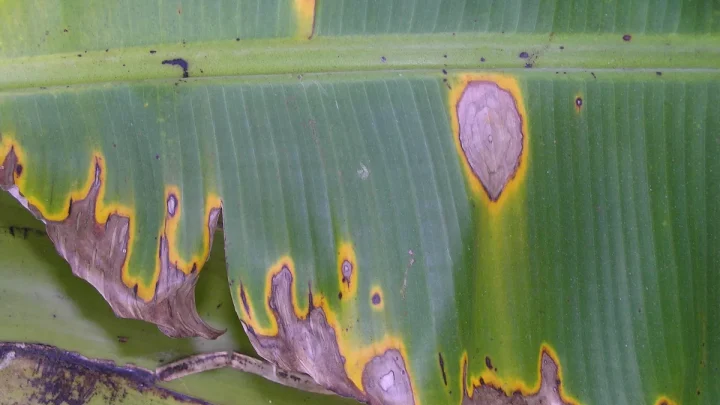
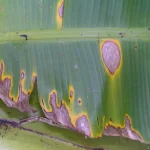
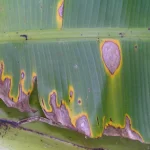
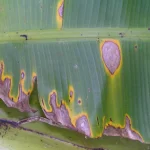
If the brown areas form distinct circles or target-like rings, you have a fungal infection. Alternaria leaf spot produces concentric rings on older foliage. Anthracnose creates angular brown spots bounded by leaf veins.
Downy mildew causes pale yellow patches on top with dark spores underneath.
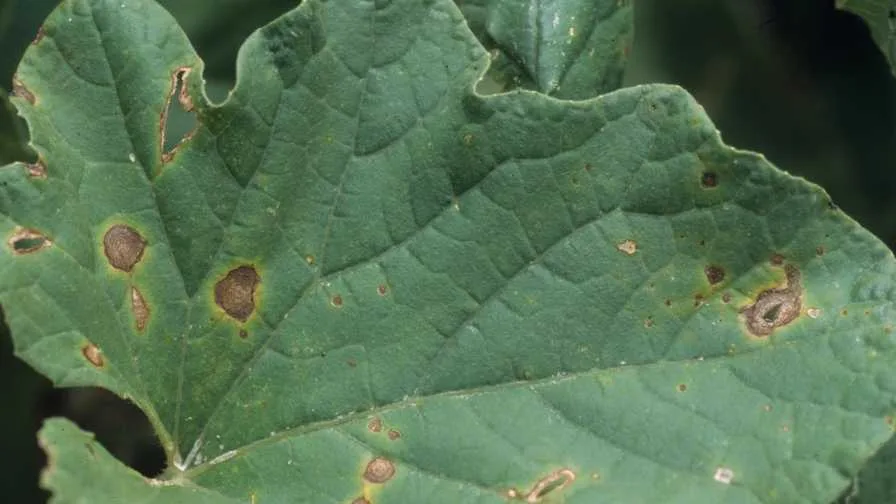
Image source: Bing (Web (fair-use with source credit))
Fungal spores germinate when leaves stay wet for more than six hours. Temperatures between 68°F and 85°F speed up this process. If your region has experienced heavy late summer humidity, disease pressure is high.
Overhead watering almost guarantees spore transfer from soil to lower leaves.
Gummy stem blight is another major threat as of 2026. It causes V-shaped lesions at the leaf margin. You might also notice an amber-colored ooze on nearby stems.
The American Phytopathological Society provides detailed diagnostic guides for identifying these specific cucurbit pathogens.
Branch 2: Crispy Edges, Yellowing, and Nutrient Lockout
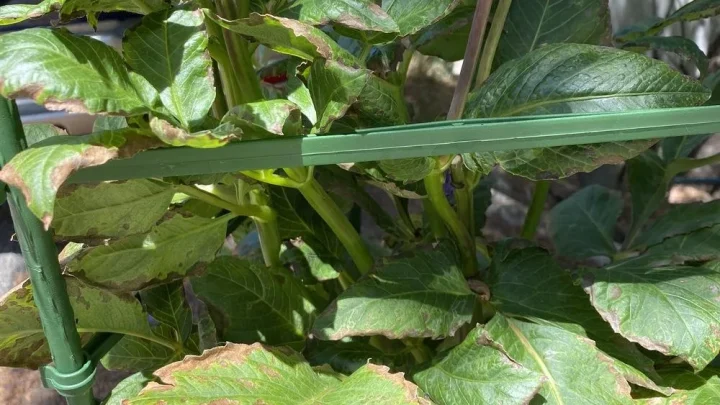
If the browning looks like scorched margins rather than isolated spots, suspect a nutrient deficiency. Potassium deficiency is the most common culprit for watermelons. It peaks during flowering because the plant pulls massive amounts of potassium to support fruit development.
When potassium drops too low, the older leaves turn yellow along the edges first. That yellow tissue quickly dies and turns brown and crispy. Magnesium deficiency acts differently.
It causes interveinal chlorosis, meaning the tissue between the veins yellows while the veins stay green before eventually dying.
Soil pH controls all of this. If your pH drifts below 6.0 or above 6.8, nutrients become chemically locked in the soil. The roots cannot absorb them even if you just applied fertilizer.
Always test your soil pH before adding amendments.
Branch 3: Wilting, Mushy Roots, and Water Stress
If the leaves are browning and the entire vine looks limp, check your watering habits. Overwatering heavy clay soils suffocates roots and invites root rot pathogens like Phytophthora. Underwatering simply dries the plant out until the foliage crisps up.
Stick your finger two inches into the soil. If it feels soggy, stop watering immediately. If it feels bone dry, give the plant a deep soak at the base.
Never water the leaves directly. Switch to drip irrigation to keep foliage completely dry.
Here is a quick reference table to help you match symptoms to causes:
| Symptom Pattern | Likely Cause | First Action |
|---|---|---|
| Concentric brown rings | Alternaria leaf spot | Remove infected leaves, apply fungicide |
| Marginal edge scorching | Potassium deficiency | Test soil pH, apply potassium fertilizer |
| Interveinal yellowing | Magnesium deficiency | Apply Epsom salt foliar spray |
| Angular spots with halos | Downy mildew | Improve airflow, apply copper spray |
| Overall wilting plus browning | Root rot or drought | Check soil moisture depth |
| Amber ooze on stems | Gummy stem blight | Destroy infected vines, rotate crops |
Step-by-Step Fixes for Each Diagnosis
Once you identify the problem using the decision tree, take action immediately. Delaying treatment allows diseases to spread and deficiencies to stunt fruit growth. Here is exactly what to do for each scenario.
For fungal infections like Alternaria or anthracnose, start by pruning the worst affected leaves. Use clean bypass pruners and wipe the blades with rubbing alcohol between cuts. Bag the diseased foliage in plastic and throw it away.
Never put infected cucurbit material in your compost pile.
After removing the damaged tissue, apply a protective fungicide. Copper-based sprays work well for organic gardens. Synthetic options containing chlorothalonil offer broader protection for severe outbreaks.
Always follow the label instructions regarding application rates and pre-harvest intervals.
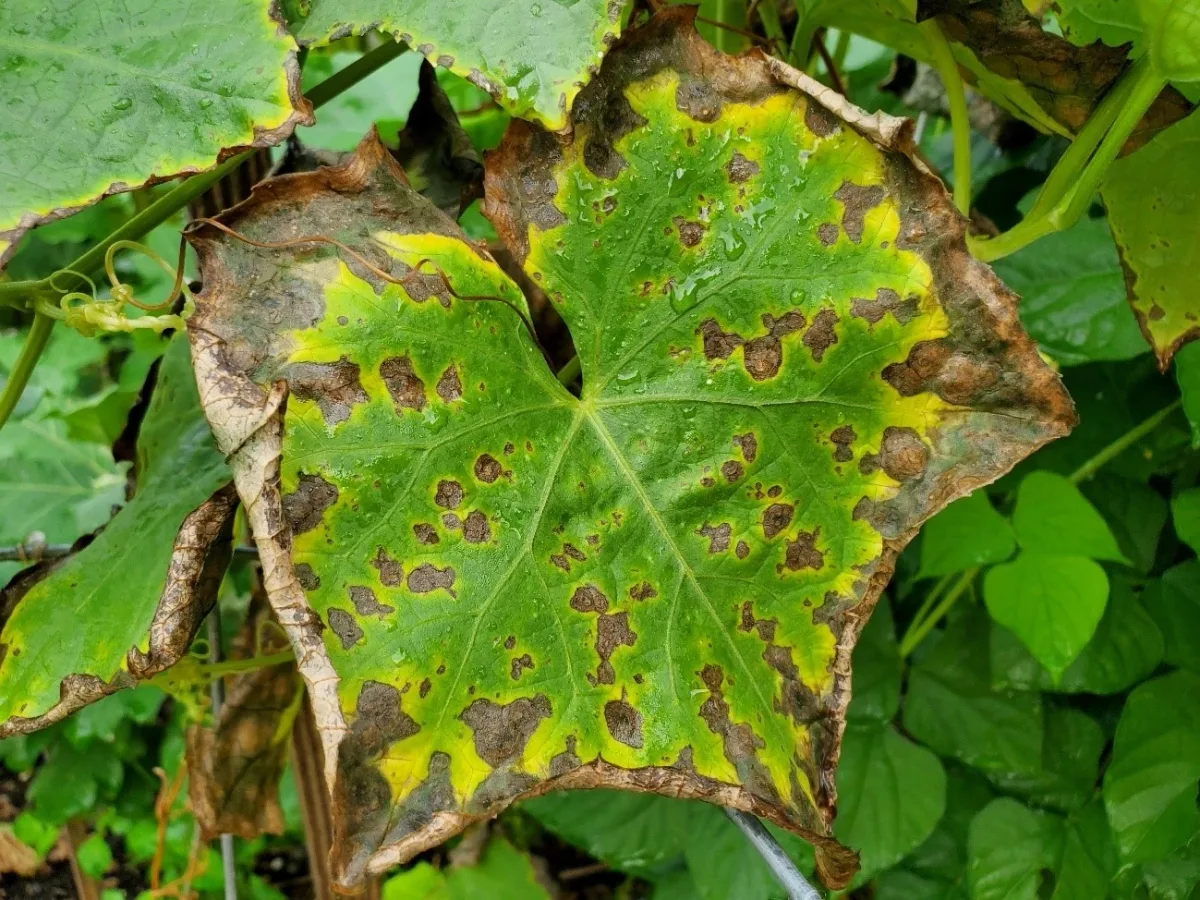
Image source: Bing (Web (fair-use with source credit))
If you diagnosed a potassium or magnesium deficiency, fix the soil chemistry first. Verify your pH sits between 6.0 and 6.8. If the pH is fine, apply a balanced watermelon fertilizer rich in potassium.
Liquid kelp extracts provide a fast foliar boost while granular fertilizers feed the soil long term.
For watering issues, adjust your schedule based on soil type. Sandy loam drains fast and needs frequent short watering sessions. Heavy clay holds moisture longer and requires less frequent but deeper soaking.
Local cooperative extension offices, such as Texas A&M AgriLife Extension, publish specific irrigation schedules tailored to regional soil types.
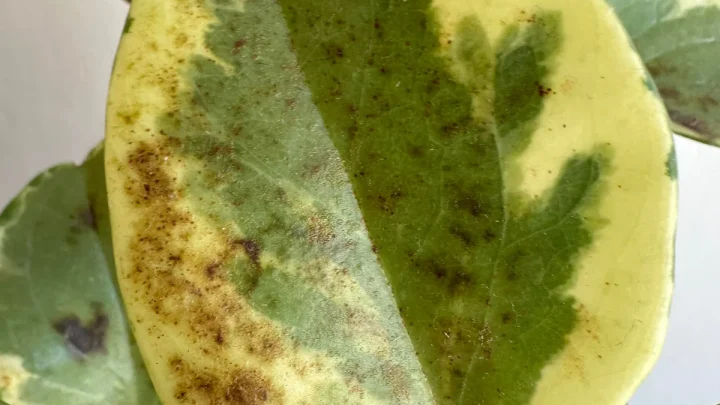
Spider mites can also cause stippled browning that mimics disease. If you see tiny webbing under the leaves, blast them off with a strong stream of water. For heavy infestations, introduce predatory mites or apply insecticidal soap directly to the undersides of the foliage.
Common Mistakes That Make Browning Worse
The biggest mistake we see is spraying fungicide on a nutrient problem. Chemical sprays will not fix a potassium lockout. They just add unnecessary cost and potential phytotoxicity to an already stressed plant.
Always confirm the symptom pattern before reaching for a bottle.
Overhead watering is the second most destructive habit. Splashing water moves soil-borne fungal spores directly onto healthy lower leaves. It also keeps the canopy wet overnight, creating the perfect humid environment for downy mildew.
Drip tape or soaker hoses solve this instantly.
Applying synthetic fertilizers too close to the main stem causes chemical root burn. This mimics drought stress because the damaged roots cannot pull water. Broadcast granular fertilizers evenly around the drip line of the vine instead of piling them at the base.
Ignoring natural senescence trips up many new growers. The very first leaves that emerge on a watermelon vine naturally die off as the plant matures. If only the oldest bottom leaves are slightly brown but the rest of the vine is vigorous, leave them alone.
That is normal aging.
Failing to rotate crops guarantees repeat infections. Fungal spores survive in the soil for years. Planting watermelons or other cucurbits in the exact same spot annually builds up massive pathogen loads.
Wait at least three to four years before returning melons to a specific garden bed.
Preventing Future Leaf Scorch and Vine Decline
Prevention beats treatment every single time. Once fungal spores establish themselves in your garden soil, they overwinter and wait for the next humid spell. Stopping that cycle requires changing how you manage your beds year after year.
Start with resistant seed varieties if you live in a humid climate. Many modern watermelon cultivars carry built-in resistance to anthracnose and fusarium wilt. Seed packets list these disease codes right on the label.
Choosing the right genetics saves you from fighting an uphill battle later.
Space your plants properly. Crowded vines trap moisture against the foliage and block airflow. Give standard watermelons at least 6 feet of space between hills.
This simple adjustment dries leaves faster after morning dew or rain.
Mulch heavily around the base of each plant. A thick layer of straw or wood chips stops rain from splashing soil-borne pathogens onto lower leaves. It also regulates soil temperature and holds moisture steady during dry spells.
If you rely on chemical controls, respect the pre-harvest interval printed on every EPA-registered label. That number tells you exactly how many days must pass before you can safely pick fruit. Skipping this waiting period risks chemical residue on your harvest.
Organic growers should verify any product carries current OMRI listing before spraying edible crops.
Frequently Asked Questions
Should I cut off brown watermelon leaves?
Remove leaves that are completely dead or covered in fungal spots. Leaving them attached gives diseases a place to produce more spores. Never remove healthy green leaves just because a few older ones look rough.
The vine needs that green tissue to sweeten the fruit.
Why are my watermelon leaf edges turning brown?
Crispy brown edges usually point to potassium deficiency or salt burn from over-fertilizing. Check your soil pH first. If it sits outside the 6.0 to 6.8 range, roots cannot absorb nutrients properly even if fertilizer is present.
Can overwatering cause watermelon leaves to turn brown?
Yes. Soggy soil suffocates roots and invites rot pathogens like Phytophthora. When roots die, the vine cannot pull water upward.
The leaves then wilt, turn yellow, and eventually crisp up brown despite sitting in wet dirt.
How do I treat Alternaria leaf spot on watermelons?
Prune out the worst infected foliage and throw it away. Apply a copper-based fungicide or chlorothalonil spray to protect remaining healthy leaves. Switch to drip irrigation immediately to stop water from spreading spores across the canopy.
Is it normal for bottom watermelon leaves to turn brown?
The oldest leaves near the soil naturally age and die as the vine matures. If only the lowest leaves are slightly brown while upper growth stays green and vigorous, that is normal senescence. Widespread browning means something else is wrong.

Similar Posts