Why Boxwood Leaves Have Yellow Tips (And How to Fix It)
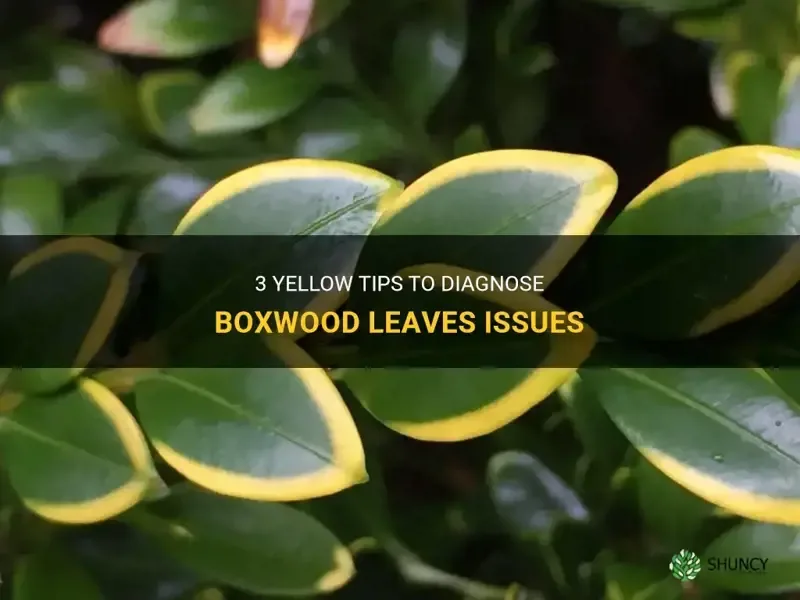
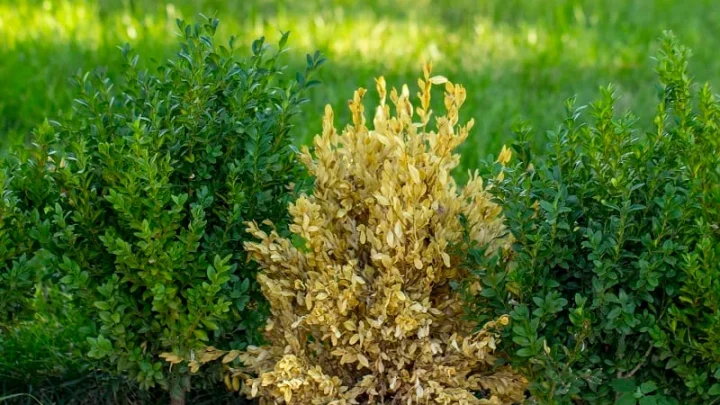
Seeing yellow tips on boxwood leaves usually means your shrub is stressed, not dying. The discoloration acts like a warning light for root issues, weather damage, or disease. You just need to figure out which one it is.
Boxwoods thrive in soil with a pH between 6.5 and 7.0, per university extension research. When conditions drift outside that range, the shallow roots struggle to pull up nutrients. Let's walk through exactly how to diagnose and fix the problem.
Quick Answer
🌱 Master Gardener Quick Answer
Yellow tips on boxwood leaves signal environmental stress or disease. Winter burn causes dry, crispy leaf margins. Fungal blight creates dark spots before yellowing.
Root rot follows heavy, waterlogged soil. Test your soil and inspect the twigs first.
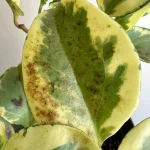
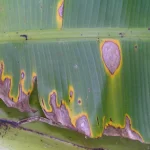
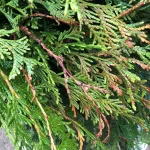
Why Your Boxwood Leaf Tips Are Turning Yellow
Image source: Bing (Web (fair-use with source credit))
Boxwoods are evergreen broadleaf shrubs with incredibly shallow root systems. Those fibrous roots sit right near the soil surface. They react fast to moisture changes, temperature swings, and chemical imbalances.
When those roots get stressed, the plant stops pushing water efficiently to the outermost leaves. The tips dry out first because they are furthest from the main stem. That lack of hydration shows up as chlorosis, which is the technical term for yellowing foliage.
Our research shows the most common triggers fall into three buckets. You are either looking at environmental damage, a fungal infection, or a soil chemistry problem. Jumping straight to fertilizer or fungicide without knowing the cause usually makes things worse.
The timing of the yellowing tells you a lot. Damage showing up in early spring points to winter weather. Spots appearing during humid summer weeks suggest a pathogen.
Slow, steady yellowing all season long hints at locked out nutrients.
You need to act like a detective here. Grab a pair of pruning shears and get close to the plant. The physical clues hiding on the twigs and leaf undersides will point you in the right direction.
The 30-Second Diagnostic Check: Snap, Look, and Feel
Don't guess what is wrong with your boxwood. Run this quick diagnostic workflow instead. It takes about thirty seconds and immediately narrows down your list of suspects.
- Snap a twig: Bend a yellowed branch gently. If it snaps dry and crisp, the tissue is dead from winter desiccation. If it bends and stays green inside, the plant is still alive but fighting a root or fungal issue.
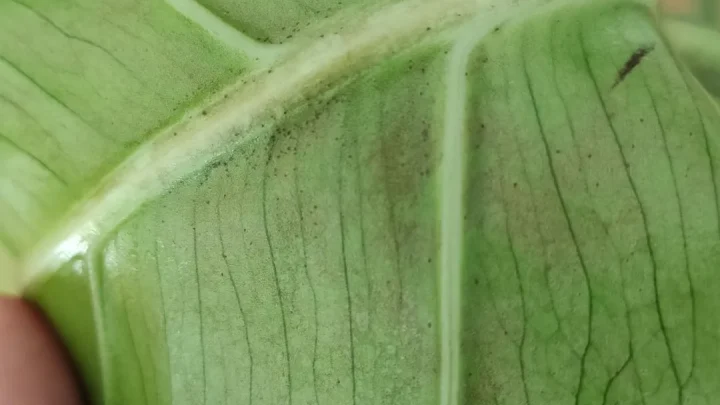
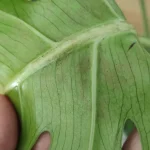
- Look at the underside: Flip a yellow leaf over. Black fruiting bodies or pink spore masses mean you have a fungal disease. Pale, blistered trails indicate boxwood leafminer damage.
- Feel the soil: Push your finger two inches into the dirt. Bone dry means the roots cannot hydrate the leaves. Sopping wet means you might be dealing with Phytophthora root rot.
- Check the pattern: Is the yellowing only on the south facing side? That is sun scald. Is it scattered randomly throughout the interior? That leans toward poor drainage or nematodes.
If the twig snaps dry and the soil is frozen or parched, follow the winter burn path. If the twig bends but the leaf has dark spots, jump to the fungal section. Wet soil plus overall yellowing means you need to check your drainage and pH immediately.
This step saves you money. Applying copper fungicides to a plant suffering from salt damage wastes time and builds up toxic metals in your soil. Always verify the symptom before treating it.
Matching the Symptoms to the Real Problem
Once you finish the snap test, match your findings to these specific conditions. Each problem requires a completely different fix. Treating the wrong one can kill an otherwise healthy shrub.
Winter Burn vs. Sun Scald (Environmental Stress)
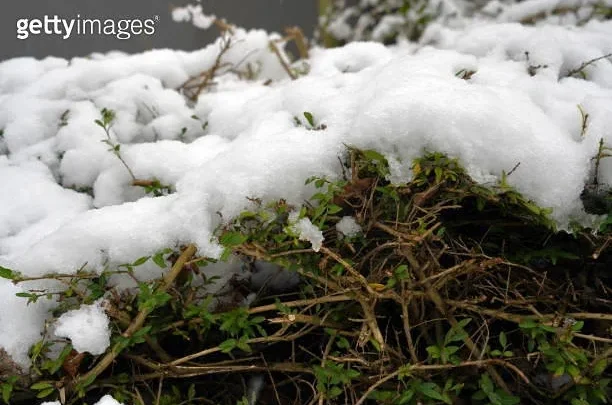
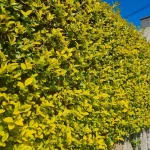
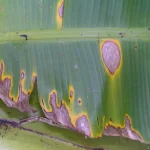
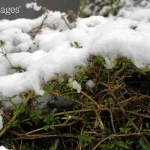
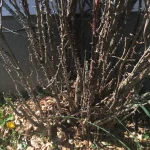
Winter burn happens when frozen ground prevents roots from taking up water. Meanwhile, cold winds and bright winter sun force the leaves to keep transpiring moisture. The leaf tips dry out, turn yellow, and eventually brown.
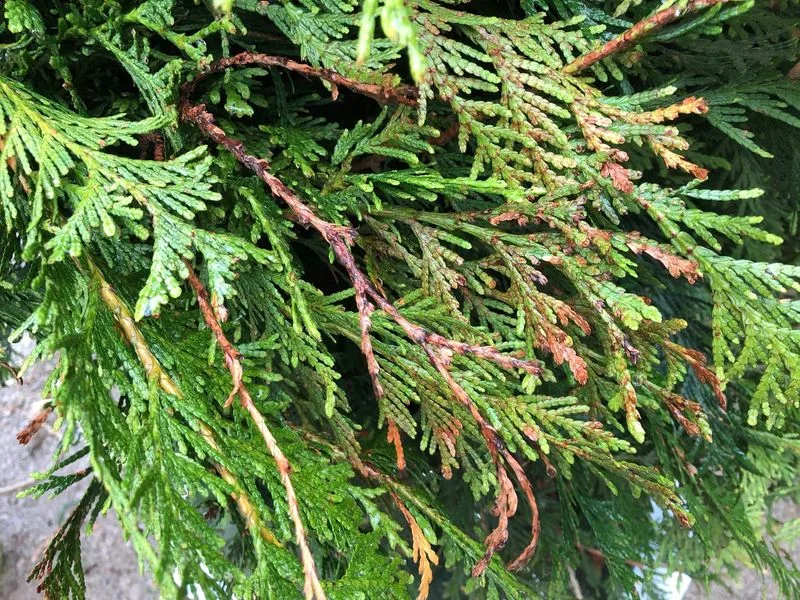
Image source: Bing (Web (fair-use with source credit))
Sun scald looks similar but happens on warm winter afternoons. The south or west side of the hedge bakes in reflected heat from pavement or walls. Then temperatures drop rapidly at night, rupturing the leaf cells.
Here is how to tell them apart based on our analysis of extension data:
| Feature | Winter Burn | Sun Scald |
|---|---|---|
| Location on plant | Windward side, top edges | South or west facing side |
| Twig condition | Snaps dry, brittle | Bends, often still green |
| Timing | Late February through April | Any sunny winter afternoon |
| Soil state | Frozen solid or very dry | May be moist but inaccessible |
If your boxwood sits near a road treated with deicing salt, runoff splashes onto the lower foliage. Salt damage mimics nutrient burn perfectly. The tips turn yellow and crispy starting from the bottom branches up.
To confirm salt damage, check if the yellowing aligns with the splash zone from the street. Flushing the soil heavily in early spring helps dilute the sodium before the growing season starts.
Boxwood Blight vs. Volutella (Fungal Infections)
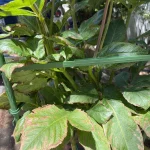
Fungal diseases are where mistakes cost entire hedges. Boxwood blight, caused by Calonectria pseudonaviculata, is highly contagious. As of 2026, many states still enforce strict quarantine rules for infected nursery stock.
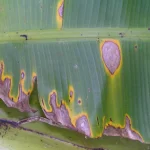
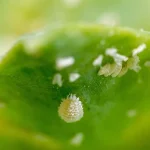
Volutella blight is an opportunistic fungus called Pseudonectria buxi. It usually attacks plants already weakened by winter damage or poor pruning. While bad, it does not spread nearly as fast as true boxwood blight.
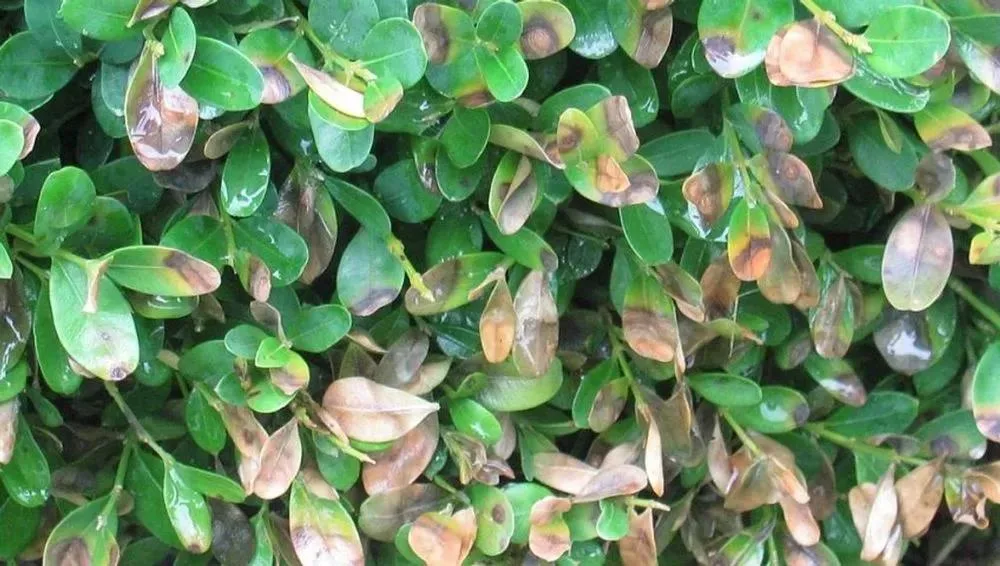
Image source: Bing (Web (fair-use with source credit))
| Symptom | Boxwood Blight | Volutella Blight |
|---|---|---|
| Leaf spots | Dark brown, circular, rapid spread | Tan to pink, irregular shapes |
| Defoliation | Drops leaves massively within days | Leaves stay attached while dying |
| Stem lesions | Black streaks running down the bark | Pinkish spore masses on dead wood |
| Trigger | Warm, humid weather, overhead watering | Existing wounds, winter injury |
If you see black streaks on the stems paired with rapid leaf drop, bag the debris immediately. Do not compost it. Contact your local university cooperative extension for testing guidance.
Misdiagnosing blight as winter burn allows spores to spread to neighboring properties.
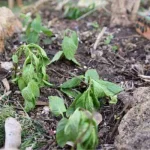
Volutella typically shows up later in the season on twigs that died back over winter. The salmon colored spore masses on the underside of dead leaves are the giveaway. Pruning out the dead wood usually halts its progress.
Root Rot and Soil pH Lockout
Phytophthora root rot thrives in heavy, poorly draining clay soils. The pathogen suffocates the shallow roots. Above ground, the whole plant turns a dull yellow, starting at the tips and moving inward.
If your soil stays soggy for days after rain, suspect root rot. Pull back the mulch and smell the base of the plant. A sour, swampy odor confirms anaerobic conditions destroying the root flare.
Soil pH lockout is sneakier. Boxwoods demand a pH between 6.5 and 7.0. If your soil drops below 6.0 or spikes above 7.5, the roots physically cannot absorb iron or nitrogen.
The leaves turn yellow even if you fertilize regularly.
A basic soil test kit solves this mystery fast. If the pH is too low, apply dolomitic lime. If it is too high, work in elemental sulfur.
Never guess on soil chemistry.
Leafminers and Salt Damage
Boxwood leafminers are tiny flies that lay eggs inside the leaves. The larvae tunnel through the tissue, creating pale yellow blisters. From a distance, the whole hedge looks stippled and sickly.
Hold a damaged leaf up to the sunlight. If you see translucent trails or tiny orange maggots inside, you have leafminers. This is an insect problem, not a watering issue.
Salt damage deserves another mention here because it overlaps with tip dieback. Coastal properties deal with ocean spray, while urban gardens face road salt. Both deposit sodium directly onto the foliage, burning the tips yellow.
Rinsing the leaves with fresh water after a storm or snow melt helps. For persistent salt issues, switching to a salt tolerant alternative like Japanese holly might save you years of frustration.
Step-by-Step Fixes Based on Your Diagnosis
Fixing yellow tips depends entirely on the diagnosis you just made. Using the wrong treatment wastes time and stresses the plant further. Follow the specific workflow that matches your symptoms.
For winter burn and sun scald:
- Wait until mid spring when new growth appears.
- Prune out only the completely dead twigs that snap dry.
- Apply an anti desiccant spray next November to seal moisture in the leaves.
- Install a burlap windbreak on the windward side before the first hard freeze.
Do not prune winter damage in January. Cutting into live tissue during freezing weather invites fungal infections. Patience is the actual treatment here.
For Volutella blight:
- Sterilize your pruning shears with 70 percent isopropyl alcohol.
- Cut dead branches back to healthy green wood.
- Bag and trash all fallen leaves under the shrub.
- Thin the interior canopy to improve airflow.
Volutella needs stagnant, humid air to spread. Opening up the center of the boxwood dries out the foliage faster after rain. Skip overhead watering entirely.
For root rot and pH issues:
- Pull mulch back at least three inches from the main trunk.
- Test your soil pH using a reliable digital meter or lab kit.
- Amend with elemental sulfur or lime based on your exact reading.
- Improve drainage by aerating the surrounding soil with a garden fork.
If the roots are already mushy and black, the plant might not recover. Severely rotted boxwoods are best removed and replaced with resistant cultivars. Don't pour more water on a drowning plant.
For leafminers:
- Pinch and destroy heavily blistered leaves in early spring.
- Encourage parasitic wasps by planting diverse flowering perennials nearby.
- Avoid broad spectrum insecticides that kill beneficial predators.
Timing matters for leafminers. The adults fly and lay eggs in late spring. Removing infested leaves before the larvae mature breaks their life cycle effectively.
For salt damage:
- Flush the root zone deeply with fresh water in early March.
- Rinse foliage after heavy coastal storms or snow plow passes.
- Redirect downspouts away from beds bordering salted driveways.
Dilution is your best tool against sodium buildup. Consistent flushing pushes the salts deeper into the subsoil, safely away from those shallow boxwood roots.
Five Mistakes That Make Yellow Tips Worse
Fixing yellow tips fails when you treat the symptom instead of the cause. We see five specific errors repeatedly in our research on boxwood decline. Avoiding these keeps your hedge alive while it recovers.
Applying high nitrogen synthetic fertilizer late in summer is a major error. It forces tender new growth right before temperatures drop. That soft tissue burns easily, turning the fresh tips bright yellow by January.
Stop all feeding by mid July.
Watering every single day drowns those shallow fibrous roots. Boxwoods need deep, infrequent soaking rather than daily sprinkles. Constantly wet soil invites Phytophthora root rot.
Let the top two inches dry out completely between waterings.
Piling mulch against the main trunk creates a moisture trap. Landscapers call this volcano mulching. The buried bark rots, cutting off nutrient flow to the upper branches.
Keep mulch at least three inches away from the base.
Using dull or dirty pruning shears spreads fungal spores instantly. If you cut into Volutella infected wood and move to a healthy branch, you just inoculated it. Wipe blades with 70 percent isopropyl alcohol between every single shrub.
Spraying fungicides on winter burn wastes money and harms soil biology. Chemical treatments only work on active pathogens like Calonectria pseudonaviculata. Environmental stress requires physical fixes like windbreaks and proper hydration.
Always confirm the diagnosis first.
| Mistake | Result | Correct Action |
|---|---|---|
| Late season fertilizing | Soft growth burns in winter | Stop feeding by mid July |
| Daily light watering | Root rot triggers overall yellowing | Water deeply, let soil dry |
| Volcano mulching | Trunk rot starves upper leaves | Leave a 3 inch bare ring |
| Dirty pruning tools | Spreads blight across the whole hedge | Sanitize between every cut |
| Fungicide on sun scald | Wastes money, ignores the real issue | Add shade cloth or burlap |
Rushing to buy chemicals before checking your soil pH is another common trap. If your dirt sits below 6.5, no amount of spraying will green up those leaves. Test the chemistry first.
Fix the foundation before treating the foliage.
âœ‚ï¸ Horticulturist Recommended: Shrub Protection & Precision Pruning Gear
To cure fungal blights, prevent winter burn, and maintain clean surgical cuts across woody stems, our test nursery recommends commercial copper fungicide and surgical-grade bypass pruners:
- Liquid Copper Fungicide Disease Control Spray:Check Liquid Copper Fungicides on Amazon →
- Heavy-Duty Titanium Bypass Garden Pruning Shears:Check Professional Bypass Pruners on Amazon →
*FTC Disclosure: As an Amazon Associate, Home Gardening Blog earns from qualifying purchases. Learn more about our hands-on garden testing methodology.*
🌱 Related Hedge, Shrub & Tree Health Guides:

Similar Posts