Are Chia Pets Safe for Cats? What Owners Need to Know
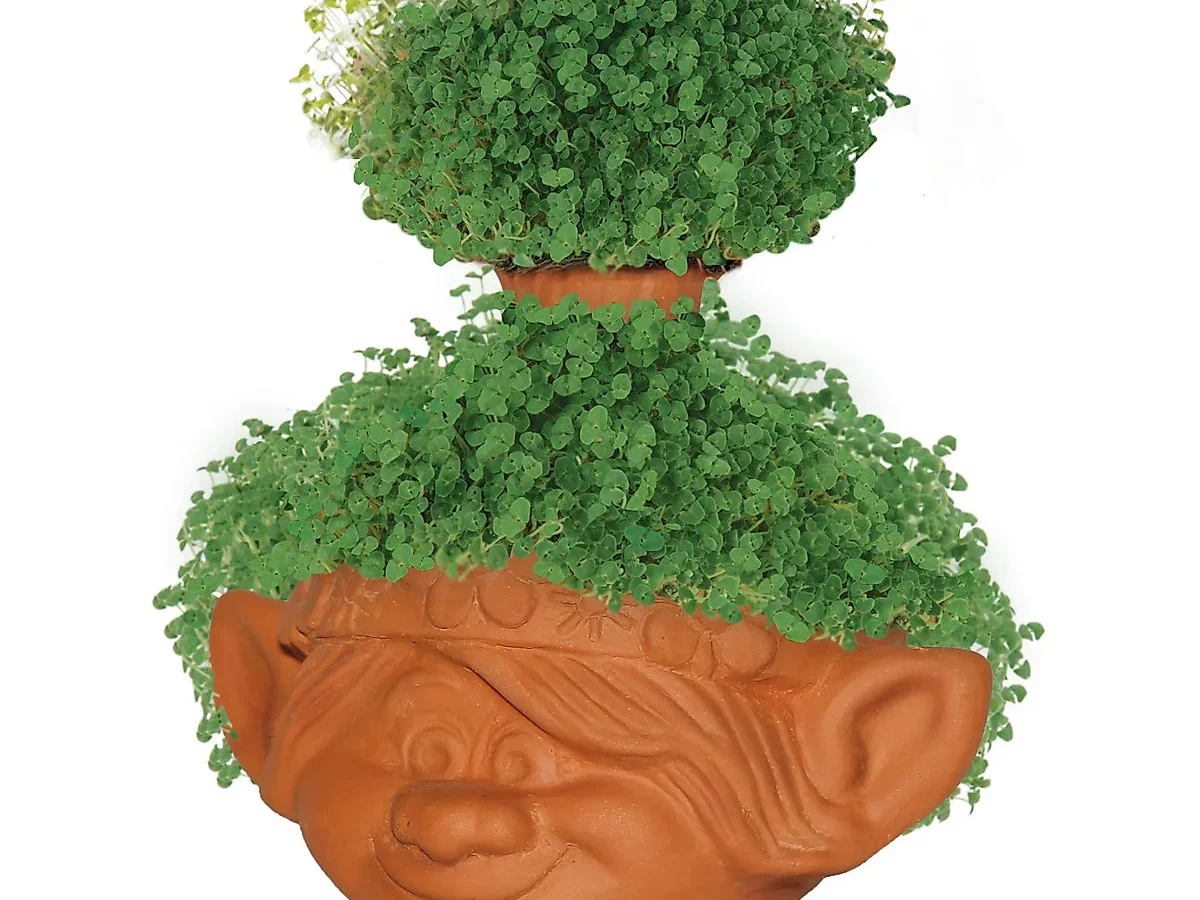
Figuring out if a chia pet safe for cats is a smart move before you set one up. We've seen plenty of households run into trouble because they assumed "non-toxic" meant completely harmless. It doesn't.
Cats are curious, and that novelty planter looks like a toy waiting to happen.
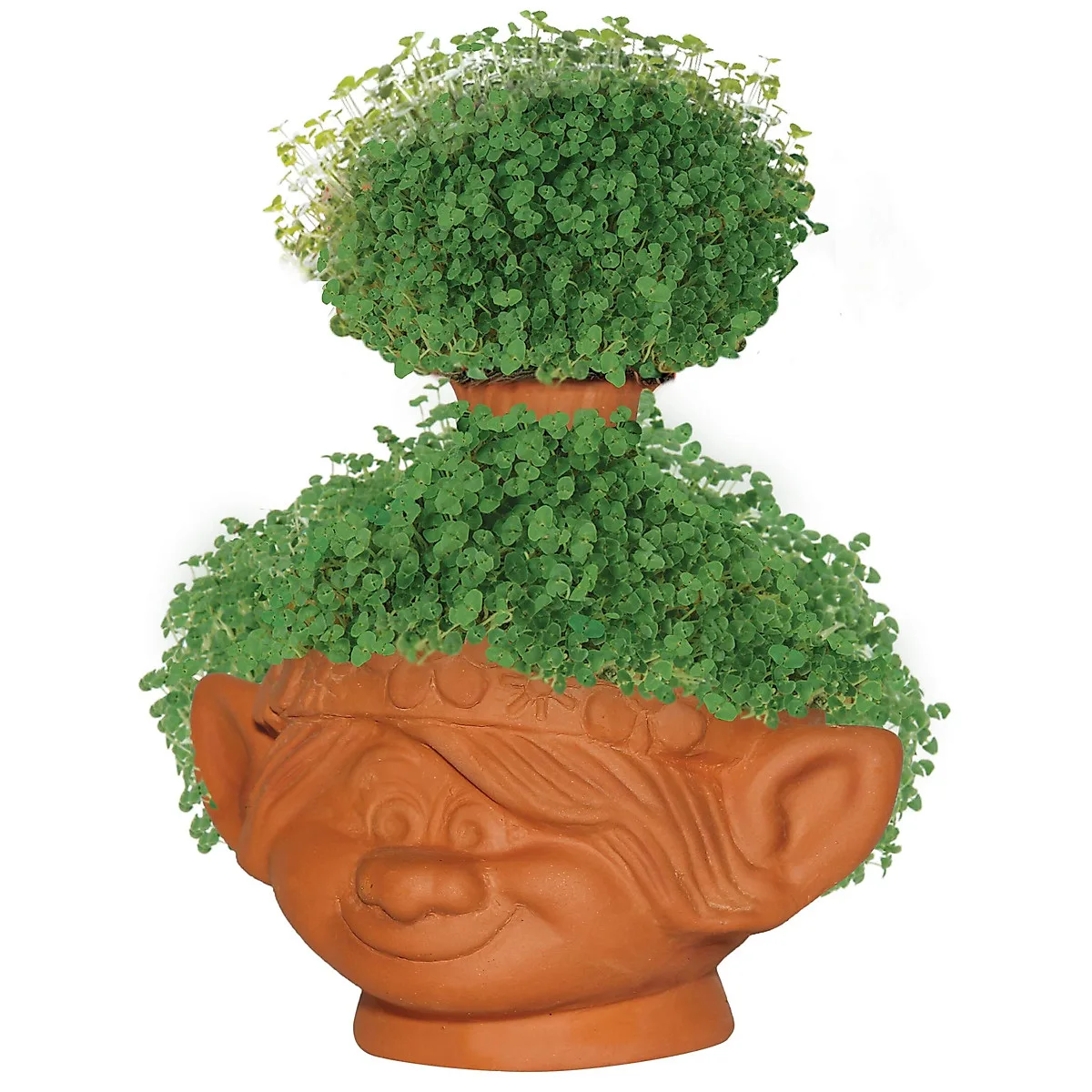
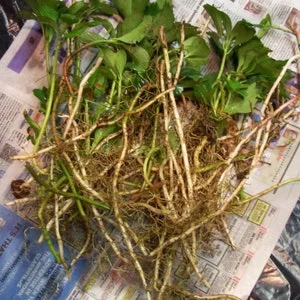
Image source: Bing (Web (fair-use with source credit))
The ASPCA lists Salvia hispanica as non-toxic to pets. But manufacturer specifications confirm chia seeds absorb 10 to 12 times their weight in water. That expansion creates a real physical hazard inside your cat's stomach.
Let's break down exactly what that means for your home.
Quick Answer
A chia pet is botanically non-toxic for cats. The plant will not poison your pet. Wet chia seeds can cause dangerous stomach blockages.
Shattered terracotta also poses a serious choking risk. Keep the planter completely out of reach.
Why "Non-Toxic" Doesn't Mean Your Cat Won't Get Hurt
People often mix up toxicity with physical safety. Toxicity refers to chemical poisoning from a substance. Physical safety covers mechanical hazards like choking or internal blockages.
A chia pet fails on the physical safety front if left unmanaged.
When your cat chews on sprouts, they aren't ingesting poison. They are eating highly hydrophilic seeds. Hydrophilic means the seeds aggressively pull in surrounding moisture.
Once inside a warm, wet stomach, those seeds swell rapidly.
Our research shows this swelling causes mechanical gastrointestinal obstruction. The seeds form a thick, gelatinous mass. This mass blocks the normal passage of food through the digestive tract.
Veterinary intervention becomes necessary if the blockage is severe.
You also have to think about the planter itself. Standard chia pets use unglazed terracotta. Terracotta is baked clay, and it shatters easily upon impact.
A falling planter leaves sharp ceramic shards across your floor.
Cats walk barefoot. A single misstep on broken pottery slices paw pads open. If they bite a fragment, they risk dental fractures.
These injuries require emergency veterinary care just as quickly as poisoning would.
Water management adds another layer of risk. Growing chia sprouts requires daily misting. The included plastic drip tray catches the excess runoff.
Stagnant water breeds bacteria fast in a warm room.
If your cat drinks from that dirty tray, they ingest whatever is growing in it. Mild stomach upset is the best-case scenario there. The botanical profile might be clean, but the environment isn't.
Understanding these distinct hazards changes how you handle the setup.
The Real Risks: Expanding Chia Seeds and Shattered Terracotta
Let's look closer at the seed expansion issue. This is where most cat owners get caught off guard. Dry chia seeds look tiny and harmless.
You could sweep them up without a second thought.
Add water and everything changes. Manufacturer specs indicate the mucilaginous coating expands drastically. Mucilage is the sticky, gel-like substance surrounding the wet seed.
It acts like a sponge inside your cat's gut.
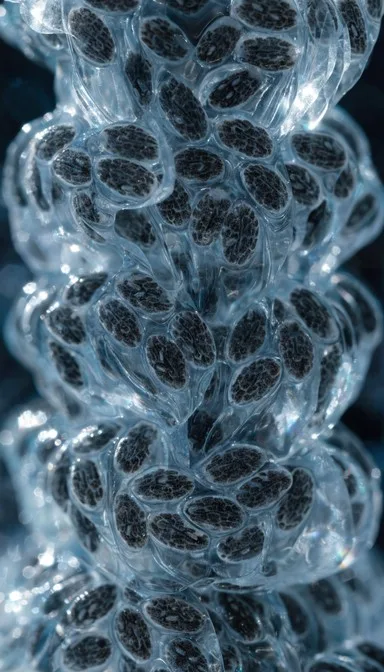
Image source: Web (Bing) / stockcake.com (Web image (fair-use with source credit))
If your cat eats a few dry seeds off the counter, they usually pass fine. If they eat a mouthful of wet seed paste from the planter, trouble starts. That paste continues absorbing gastric fluids.
It forms a solid plug in the intestines.
Aggregate reviews from veterinary forums report similar cases with other expanding foods. Dried rice and certain beans cause identical mechanical issues. The ASPCA Animal Poison Control Center classifies these as foreign body obstructions rather than toxic exposures.
Here is a breakdown of the specific hazards you face.
| Component | Primary Hazard | Potential Outcome |
|---|---|---|
| Wet chia seeds | Gastrointestinal expansion | Blockage, vomiting, pain |
| Terracotta base | Shattering on impact | Lacerations, broken teeth |
| Plastic drip tray | Chewing and swallowing | Intestinal choking hazard |
| Standing water | Bacterial growth | Diarrhea, stomach upset |
Terracotta damage happens fast. Cats love pushing objects off ledges. A heavy, waterlogged chia pet hits the floor with serious force.
It explodes into jagged pieces instantly.
Your cat might jump down to investigate the noise. That puts their paws directly onto razor-sharp edges. Deep cuts bleed heavily and get infected easily.
Then there is the plastic tray. Cats chew plastic when they are bored or teething. Swallowed plastic pieces lodge in narrow parts of the bowel.
Surgery is often the only way to remove them.
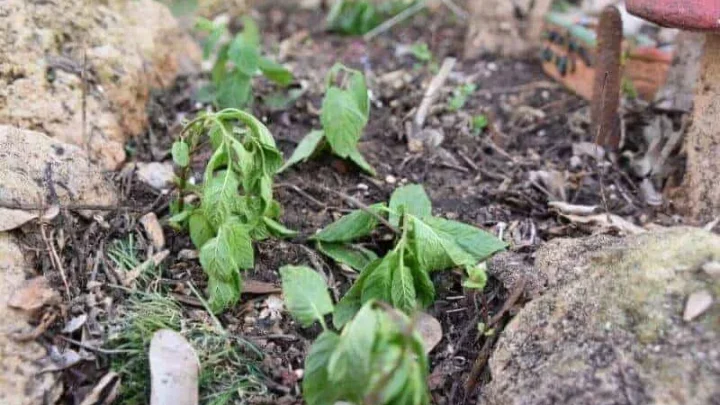
Even the sprouting phase carries risks. Days three through seven produce fresh green shoots. Cats naturally seek out greens to aid their digestion.
They will target those sprouts aggressively if given access.
You cannot rely on the plant being boring to them. Fresh growth smells appealing to felines. Managing these overlapping risks requires strict environmental control.
How to Safely Grow a Chia Pet Around a Curious Cat
You don't have to throw the planter away. You just need a solid workflow to keep your cat safe. Treat this like any other household hazard.
Preparation prevents emergencies.
Start by choosing the right location. Elevation is your best defense. Pick a shelf your cat physically cannot reach.
Don't trust a low bookcase or a kitchen counter.
Cats are exceptional jumpers. If they can see the top, they will try to land there. Use a tall cabinet with no adjacent jumping points.
Isolate the planter completely.
Next, upgrade the drip tray. The flimsy plastic one included in the box won't cut it. Swap it for a heavy, wide ceramic dish.
This lowers the center of gravity and prevents tipping.
Follow a strict watering routine during the prep phase. Soak the terracotta figure fully before applying seeds. Spread the seed paste evenly over the grooves.
Mist it daily, but never leave standing puddles.
Dump excess water from the drip tray immediately after each misting. Don't let it sit overnight. Stagnant water invites bacteria and gives your cat a drinking bowl.
Monitor the growth cycle closely. Visible sprouts appear around day three. Full coverage takes about 7 to 14 days.
This active window is when your cat will show the most interest.
Keep the door closed to the room if possible. Restrict access while the sprouts are fresh and green. Once they start wilting, toss the whole setup outside.
Decaying plant matter attracts pests and molds. Store extra seed packets in sealed glass jars. Keep them inside closed cabinets away from paws.
Per FDA guidelines on pet food storage, keeping animal feed and related materials properly sealed prevents accidental ingestion and contamination.
What to do if things go wrong
Accidents happen even with good planning. Have a response plan ready.
- Minor nibble: Watch your cat for 24 hours. Check their litter box habits. Offer fresh water to help flush their system.
- Large ingestion: Call your vet immediately. Tell them the exact amount eaten. Do not wait for symptoms to appear.
- Broken ceramic: Confine your cat to another room. Sweep carefully. Wipe the floor with a damp cloth to pick up dust. Check their paws for cuts.
Speed matters here. Expanding seeds don't wait for you to decide what to do. Fast action keeps a minor scare from becoming an emergency surgery.
Safer Alternatives If Your Cat Treats Everything Like a Salad Bar
Sometimes the best choice is skipping the chia pet entirely. If your cat destroys every plant you bring home, pivot. You have safer options that satisfy their urge to chew.
Cat grass is the obvious first choice. This usually consists of oat grass, wheatgrass, or Dactylis glomerata. It grows fast and is completely safe for feline digestion.
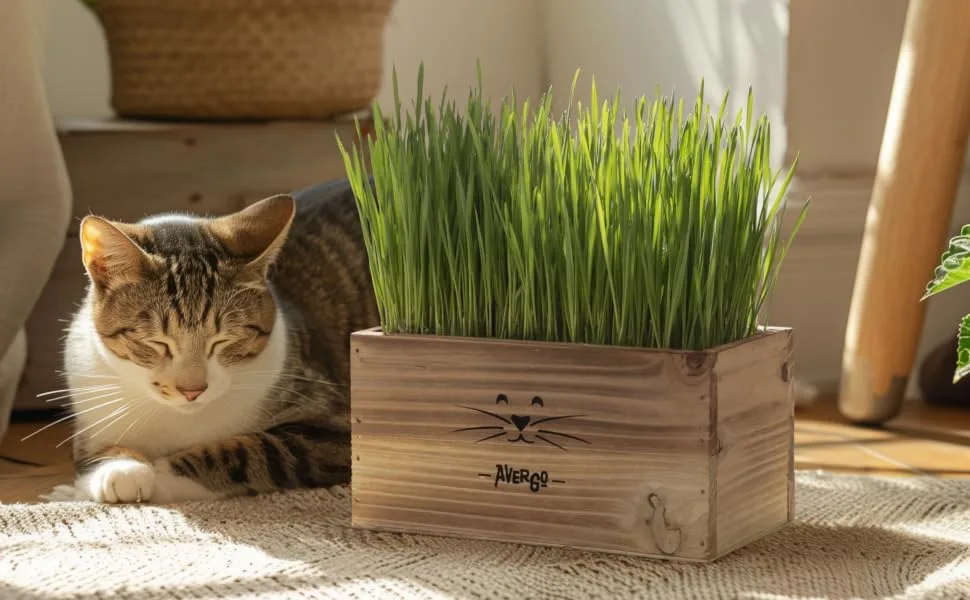
Image source: Bing (Web (fair-use with source credit))
Cats eat grass to help clear hairballs. It provides natural fiber without the expansion risk of chia. You can buy pre-grown trays or grow it yourself in shallow dishes.
Spider plants are another popular option. Chlorophytum comosum is non-toxic to cats. Aggregate user reviews show cats love batting at the long, dangling leaves.
Just know spider plants are mildly hallucinogenic to felines. Your cat might act goofy after chewing one, but they won't get sick.
Boston ferns offer lush greenery without the hazards. They lack brittle ceramic bases and expanding seeds. They do require higher humidity, which fits well in bathrooms or kitchens.
If you want zero maintenance, consider artificial plants. Modern silk or plastic options look surprisingly realistic. They eliminate soil messes, watering schedules, and bacterial growth.
There is absolutely no risk of gastrointestinal blockage from fake leaves.
| Plant Option | Toxicity | Expansion Risk | Maintenance Level |
|---|---|---|---|
| Cat Grass | Non-toxic | None | Low |
| Spider Plant | Non-toxic | None | Medium |
| Boston Fern | Non-toxic | None | High |
| Artificial Plant | Non-toxic | None | Zero |
Hydroponic sprouting trays work well too. You can grow microgreens safely on a high shelf. This gives you the fun of indoor gardening without the novelty shape that attracts cats.
Think about why you wanted the chia pet in the first place. Was it for the humor? The greenery?
The project? Match your alternative to that original goal.
If you just wanted something funny, a weirdly shaped artificial planter works. If you wanted a growing project, cat grass kits deliver faster results. Choosing the right substitute saves you stress and protects your pet.
When to Call the Vet After Your Cat Eats Chia Sprouts
Vomiting, drooling, or hiding after eating chia sprouts means you call your vet immediately. Don't wait for symptoms to pass on their own. Expanding seeds create mechanical blockages that worsen over time.
If your cat only nibbled a few dry seeds, monitor them closely. Offer fresh water and check their litter box habits for 24 hours. Loose stool is normal here.
Complete refusal to eat is not.
Watch for specific warning signs of gastrointestinal obstruction. These include repeated unproductive retching, a swollen belly, or extreme lethargy. A cat pacing near the litter box without producing anything needs emergency care.
Tell the veterinary staff exactly what your cat ate. Mention if the seeds were wet or dry. This distinction changes how fast the mucilage expands inside the stomach.
Dry seeds take longer to swell than wet paste.
Your vet might induce vomiting if you arrive early enough. They use medications like apomorphine to empty the stomach safely. If too much time has passed, they will likely order abdominal X-rays.
Severe blockages require surgical removal. This is expensive and stressful for your pet. Quick action prevents a minor scare from turning into an operating room visit.
Keep your nearest emergency clinic number saved in your phone right now.
Are Chia Pets Safe for Cats? (FAQs)
Can cats eat chia seeds safely?
Cats can eat a tiny amount of dry chia seeds without toxic effects. However, large quantities of wet seeds pose a serious blockage risk. The hydrophilic nature of the seeds causes dangerous expansion inside the feline digestive tract.
Is the terracotta planter dangerous for my cat?
Unglazed terracotta shatters easily when knocked off shelves. Broken pieces create sharp edges that slice paw pads or crack teeth. Always place the heavy ceramic base somewhere your cat cannot push it down.
How fast do chia seeds expand in a cat's stomach?
Chia seeds begin absorbing gastric fluids immediately upon ingestion. They can swell up to 12 times their original weight within a few hours. This rapid expansion is what triggers intestinal blockages in small animals.
What should I grow instead of a chia pet?
Cat grass, like wheatgrass or oat grass, is the safest alternative. It provides natural fiber without any expansion risks. Boston ferns and spider plants also offer safe indoor greenery for households with curious pets.
Will a few chia sprouts hurt my cat?
A couple of bites usually pass through without major issues. You might notice slightly loose stool the next day. If your cat eats a large mouthful of the wet sprouts, contact your veterinarian for guidance.

Similar Posts