Why Are My Boxwoods Turning Yellow? Causes & Fixes
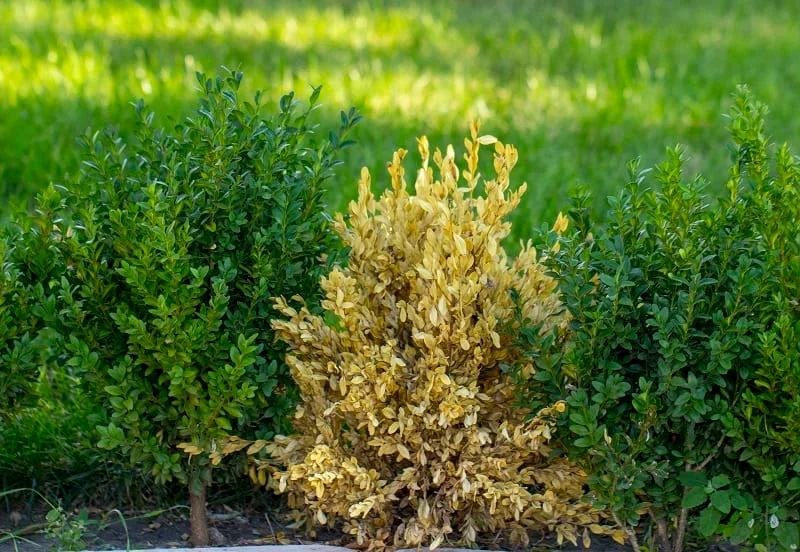
Image source: Bing (Web (fair-use with source credit))
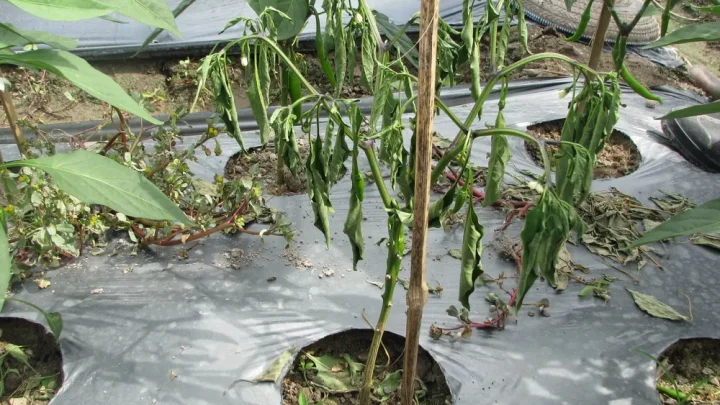
If your boxwoods are turning yellow, the shrub is reacting to stress. That stress could be harmless winter weather or a serious root disease. You need to figure out which one before you grab any fertilizer or fungicide.
Guessing usually makes things worse.
Boxwood roots sit shallow in the soil, mostly within the top 6 to 12 inches. This makes them highly sensitive to soggy ground and sudden temperature drops. Our research into plant pathology data shows that misdiagnosing the cause of yellowing kills more hedges than the actual diseases do.
Let's walk through how to identify the exact problem and fix it.
Quick Answer
Boxwoods turn yellow due to environmental stress or disease. Winter bronzing causes temporary, harmless yellow leaves. Root rot creates permanent yellowing from soggy soil.
Nutrient deficiencies also force leaves to lose their green color.
Why Your Boxwoods Are Turning Yellow (And How to Tell If It’s Serious)
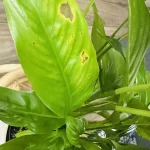
Yellow leaves on a boxwood mean the plant cannot produce enough chlorophyll. Chlorophyll is the pigment that keeps broadleaf evergreens green. When production stops, the underlying yellow pigments show through.
The reason behind that stoppage dictates whether your shrub survives.
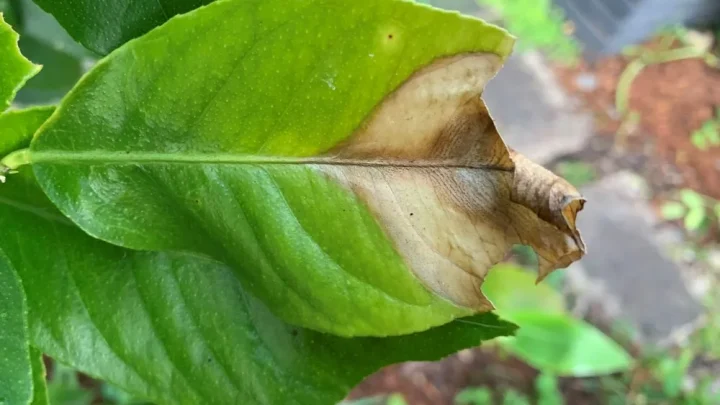
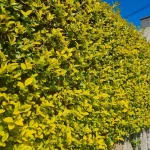
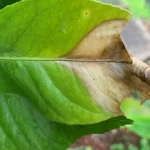
Sometimes the cause is purely seasonal. Winter bronzing happens when cold winds pull moisture from the leaves faster than frozen roots can replace it. The foliage turns a uniform copper or yellow color.
This is completely normal for many Buxus species in USDA Zones 5 through 7.
Other times, the yellowing signals a fatal issue. Fungal pathogens like Phytophthora root rot suffocate the shallow root system. Volutella canker attacks the stems directly.
Both block water movement, causing leaves to yellow and drop rapidly.
You have to separate the harmless problems from the deadly ones quickly. A mature replacement boxwood costs anywhere from $50 to over $300 as of 2026. Losing an entire hedge because you treated winter burn like a fungal infection hurts your wallet.
The diagnostic steps below will save you that headache.
The first clue is always the pattern of the damage. Uniform color changes point to weather or soil issues. Spotty, localized dieback points to pests or contagious fungi.
Pay close attention to where the yellow starts.
The Diagnostic Workflow: Pinpointing the Cause of Yellow Leaves
Finding the culprit requires a systematic approach. You cannot just look at the leaves and guess. You need to check the timing, the leaf pattern, and the roots themselves.
Think of this as a simple if/then troubleshooting tree.
Check the Pattern, Season, and Roots
Start by looking at the calendar. Did the yellowing appear after a hard freeze? If yes, you are likely dealing with winter desiccation injury.
Did it happen during a prolonged wet spell in spring? That points heavily toward root asphyxiation or fungal disease.
Next, examine exactly where the yellow leaves sit on the plant. Are they only on the outer edges facing the wind? That confirms winter burn.
Are the older inner leaves turning pale while new growth stays green? That suggests a nitrogen deficiency.
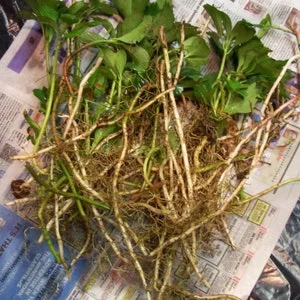
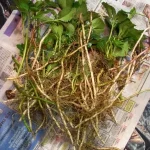
Finally, you must check the roots. Gently dig down about six inches near the base. Healthy roots feel firm and look light in color.
Diseased roots feel mushy, dark, and often smell foul.
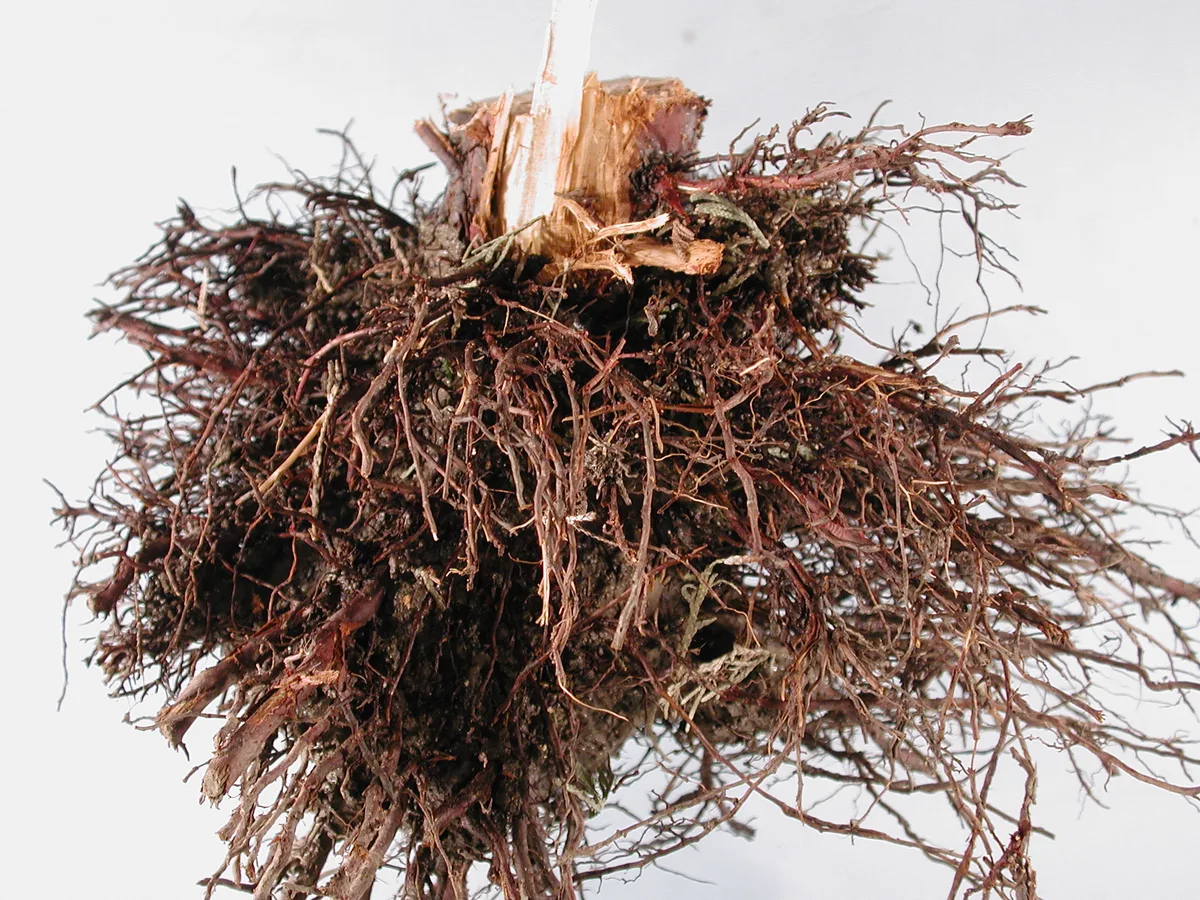
Image source: Bing (Web (fair-use with source credit))
If the roots are rotting, no amount of surface fertilizer will help. The plant physically cannot absorb nutrients anymore. You have to address the drainage issue immediately.
Always perform a scratch test on questionable branches. Use your thumbnail to lightly scrape the bark. Green tissue underneath means the wood is still alive.
Brown, brittle wood means that branch is dead and needs removal.
Match the Symptoms to the Problem
Once you have your clues, match them against known conditions. We built this reference table based on university extension diagnostic standards to speed up your decision.
| Symptom Pattern | Most Likely Cause | Is It Fatal? |
|---|---|---|
| Uniform bronze or yellow tint in late winter | Winter bronzing | No |
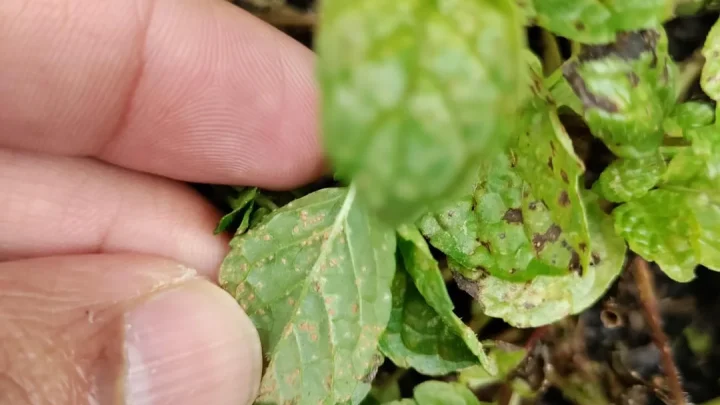
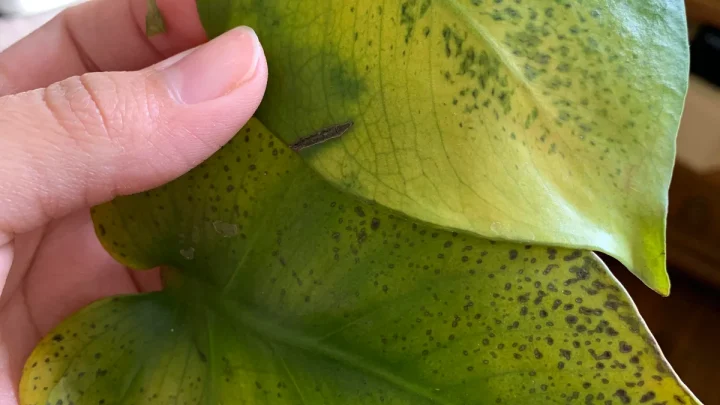
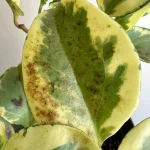
| New growth is yellow but veins stay green | Iron chlorosis | Only if ignored long term |
| Older inner leaves turn pale yellow first | Nitrogen deficiency | No |
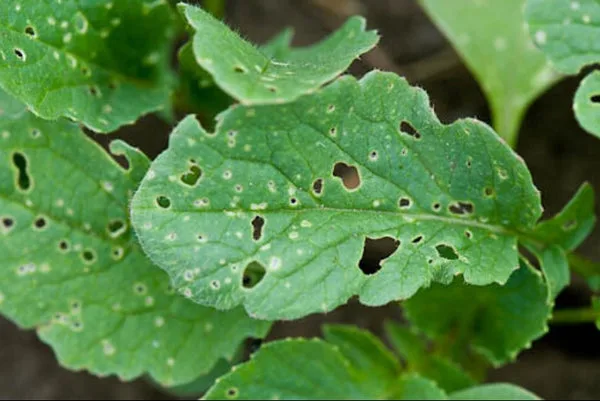
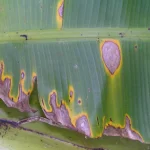
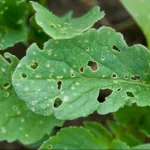
| Leaves blistered with yellowish mottling | Boxwood leafminer | Rarely fatal |
| Rapid defoliation with black streaks on stems | Boxwood blight | Yes |
| Slow decline starting at the base, mushy roots | Phytophthora root rot | Yes |
Use this table as your primary filter. If your symptoms match winter bronzing, put the pruners away. If they match root rot, you need to act today.
Matching the visual evidence to the right pathogen or environmental factor prevents wasted effort.
Per Clemson University Extension, accurate diagnosis relies heavily on observing these specific symptom patterns rather than guessing based on general discoloration. Taking ten minutes to run through this workflow saves months of failed treatments.
Fixing the Most Common Causes of Boxwood Yellowing
Treatment depends entirely on the branch you followed in the diagnostic tree. Applying the wrong fix accelerates the decline. Here is exactly what to do for each major category.
Reversing Winter Bronzing and Environmental Stress
Winter bronzing requires patience, not chemicals. The leaves will naturally green back up once consistent spring warmth returns. This recovery window typically takes three to six weeks.
Do not prune the discolored foliage off in February.
Those bronze leaves are still protecting the interior buds from late frosts. If you strip them away, you expose tender tissue to freezing temperatures. Just wait for the soil to thaw and the roots to resume water uptake.
You can prevent severe winter burn next year by applying an antidessicant spray in late fall. These sprays coat the broadleaf evergreen foliage to slow moisture loss. Make sure the leaves are dry and the temperature is above freezing when you apply it.
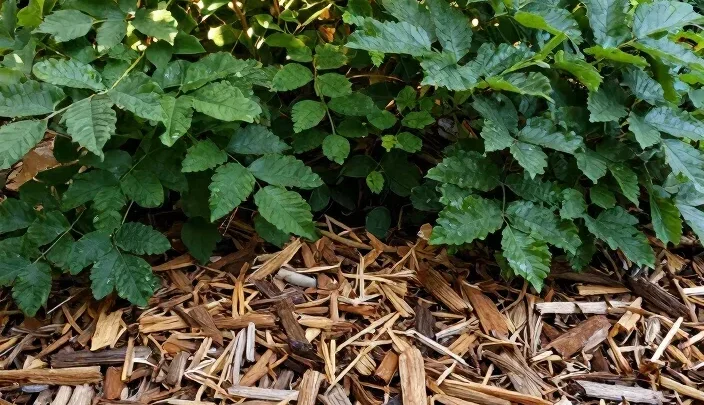
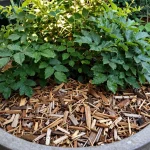
Also check your mulch depth. Mulch should never exceed two to three inches thick. Keep it pulled at least three inches away from the main trunk.
Piling mulch against the bark traps moisture and invites collar rot.
Treating Root Rot, Fungal Diseases, and Pests
Root rot demands immediate drainage correction. If your soil is heavy clay, the shallow root system is drowning. You might need to carefully lift the shrub and amend the planting bed with pine bark fines to improve aeration.
Fungal diseases like Volutella canker require aggressive pruning. Cut out all dead wood back to healthy, green tissue. You must sterilize your pruning shears between every single cut.
Wipe the blades with 70% isopropyl alcohol or a 10 percent bleach solution.
Skipping tool sterilization spreads the spores mechanically across your entire hedge. Bag and dispose of all infected debris immediately. Never compost material infected with boxwood blight or Volutella.
For boxwood leafminers, targeted insecticide applications work best in early spring. The larvae live inside the leaf tissue, so contact sprays fail once they burrow in. Systemic treatments applied as a soil drench offer better control.
Correcting Nutrient Deficiencies and Soil pH
Nutrient issues almost always trace back to soil pH. Boxwoods prefer slightly acidic to neutral soil, ideally between 6.5 and 7.0. If the pH drifts too high, the roots cannot absorb iron even if it exists in the dirt.
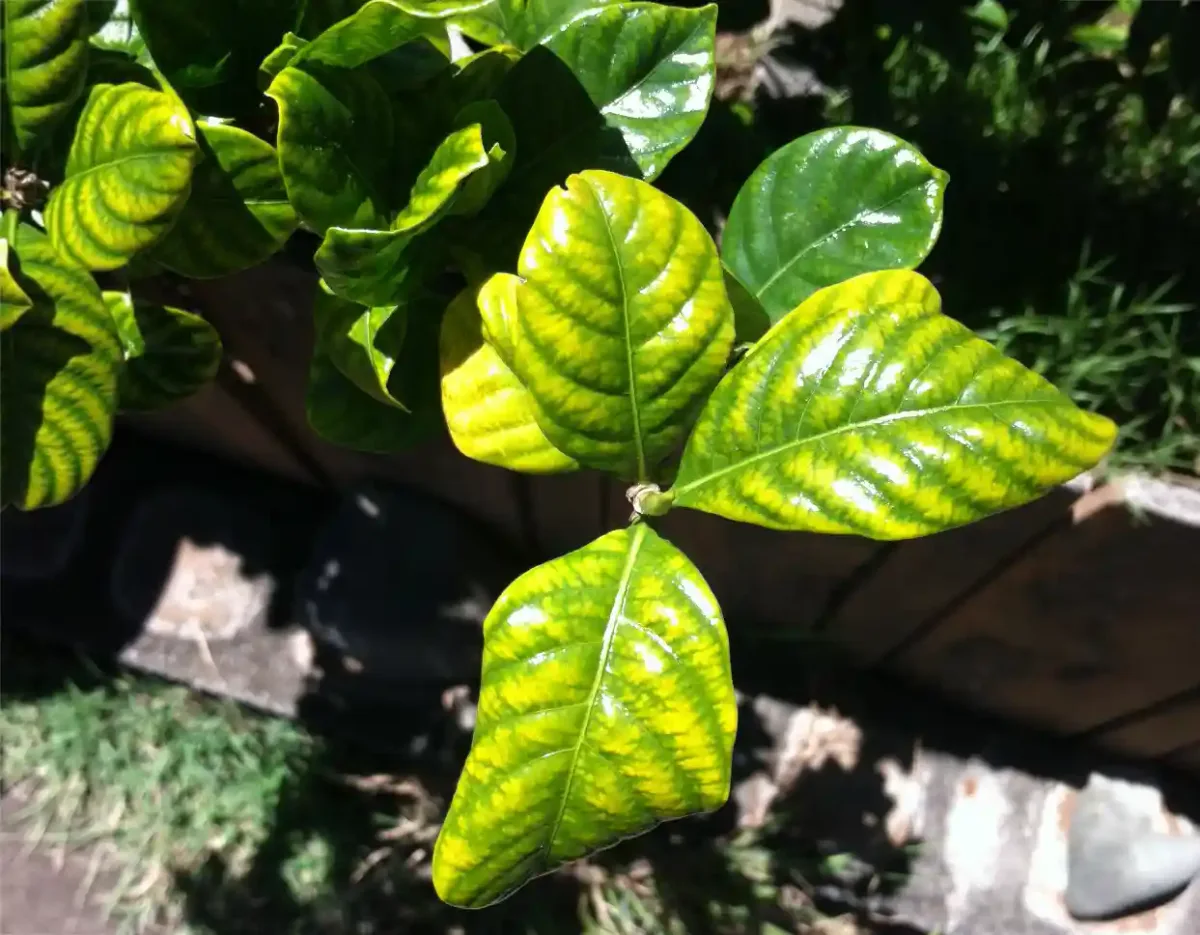
Image source: Bing (Web (fair-use with source credit))
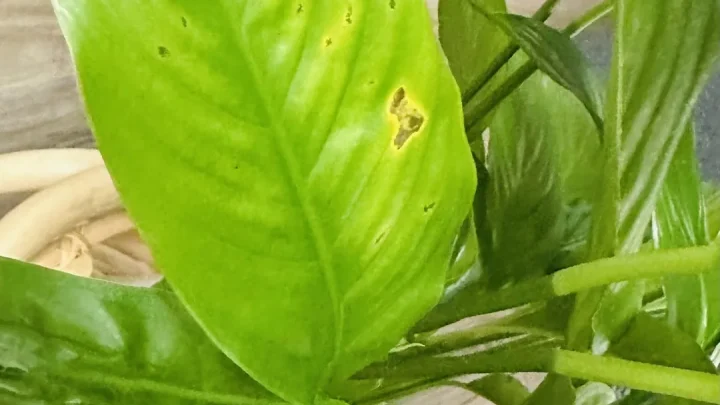
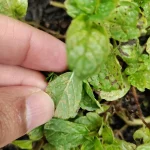
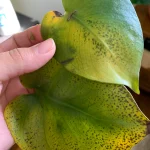
Iron chlorosis shows up clearly as yellow leaves with distinct green veins. To fix it, you need a proper soil test from a local university lab. Do not just dump generic fertilizer on the ground blindly.
If the test confirms low iron availability, apply a chelated iron product. Chelated forms remain accessible to the roots in higher pH soils. For a basic nitrogen shortage, a slow release granular fertilizer applied in early spring works well.
Avoid fertilizing late in the growing season. Pushing tender new growth in autumn guarantees it will freeze and turn yellow over winter. Always follow label rates precisely to avoid burning those shallow roots.
Aggregate user reviews and extension guidelines consistently show that fixing the pH yields better long term results than repeatedly adding synthetic nutrients. Get the soil chemistry right first.
Mistakes That Make Yellowing Boxwoods Worse
Homeowners frequently panic when they see yellow leaves. That panic leads to actions that actively harm the plant. Avoiding these errors is just as critical as applying the right treatment.
Overwatering is the most common mistake. People see a struggling shrub and assume it needs more water. If the yellowing is caused by Phytophthora root rot, extra water just feeds the fungus.
Always check soil moisture before grabbing the hose.
Applying nitrogen fertilizer too late in the season forces vulnerable growth. Those soft leaves lack the cellular structure to survive freezing temperatures. Stick to early spring feeding windows.
Volcano mulching suffocates the base of the plant. Stacking mulch eight inches high against the trunk holds constant moisture against the bark. This creates the perfect environment for fungal pathogens to enter the cambium layer.
Keep mulch flat and away from the stem.
Pruning with dirty tools turns a localized problem into a landscape disaster. Fungal spores hitch a ride on your shears from one shrub to the next. Sterilizing your blades takes seconds and prevents massive losses.
Finally, treating winter bronzing with fungicides wastes money and introduces unnecessary chemicals to your yard. Know the difference between seasonal color shifts and active infections. If the wood scratches green and the roots feel firm, step back and let nature handle it.
When to Save the Shrub vs. Replace It With a Better Alternative
Sometimes saving a yellowing boxwood costs more than replacing it. If over half the root system is mushy, the plant will not recover. Dig it out and bag it immediately.
Leaving infected roots in the soil guarantees your next shrub will fail too.
Boxwood blight is another hard stop. State agriculture departments often require removing heavily infected plants to protect neighboring properties. Do not try to nurse a blighted hedge back to health.
The fungal spores persist in the soil for years.
If you keep losing plants to Phytophthora or blight, switch species entirely. Japanese holly (Ilex crenata) looks almost identical to English boxwood but resists these specific pathogens. Inkberry holly (Ilex glabra) handles wet clay soils much better.
Both options save you money on fungicides long term.
For minor issues like winter bronzing or early leafminer damage, keep fighting for the shrub. A slow release fertilizer and proper pruning easily reverse those problems. Just know when to cut your losses.
Replacing one sick plant protects the rest of your foundation planting.
Frequently Asked Questions
Will yellow boxwood leaves turn green again?
Leaves damaged by winter bronzing usually green up naturally in spring. Leaves turned yellow by root rot or boxwood blight will not recover. You must prune away dead tissue and treat the underlying cause.
New growth will emerge healthy if the roots survive.
How do I fix yellow leaves caused by poor drainage?
Improve soil aeration around the shallow root zone immediately. Mix pine bark fines into heavy clay soil to increase oxygen flow. Pull mulch back at least three inches from the main trunk.
Avoid watering until the top few inches of soil feel dry.
Should I fertilize my boxwoods when they turn yellow?
Only fertilize after confirming a nutrient deficiency with a soil test. Applying nitrogen blindly can burn stressed roots or push tender growth that freezes. If the pH is above 7.0, apply chelated iron instead of standard granular fertilizer.
Always follow label rates exactly.
Can boxwood blight spread through pruning shears?
Yes, mechanical transmission is how this disease destroys entire hedges. Fungal spores stick to dirty blades and transfer directly to fresh cuts. Wipe your tools with 70 percent isopropyl alcohol between every single shrub.
Skipping this step spreads the infection rapidly.
What is the best boxwood alternative for wet clay soil?
Inkberry holly (Ilex glabra) thrives in poorly drained sites where boxwoods drown. Gembox inkberry offers a compact habit similar to formal hedges. Japanese holly works well in slightly better drained spots.
Both species completely avoid the fatal diseases that plague Buxus varieties.

Similar Posts