Black Stems on Roses: Causes and How to Save Your Plant
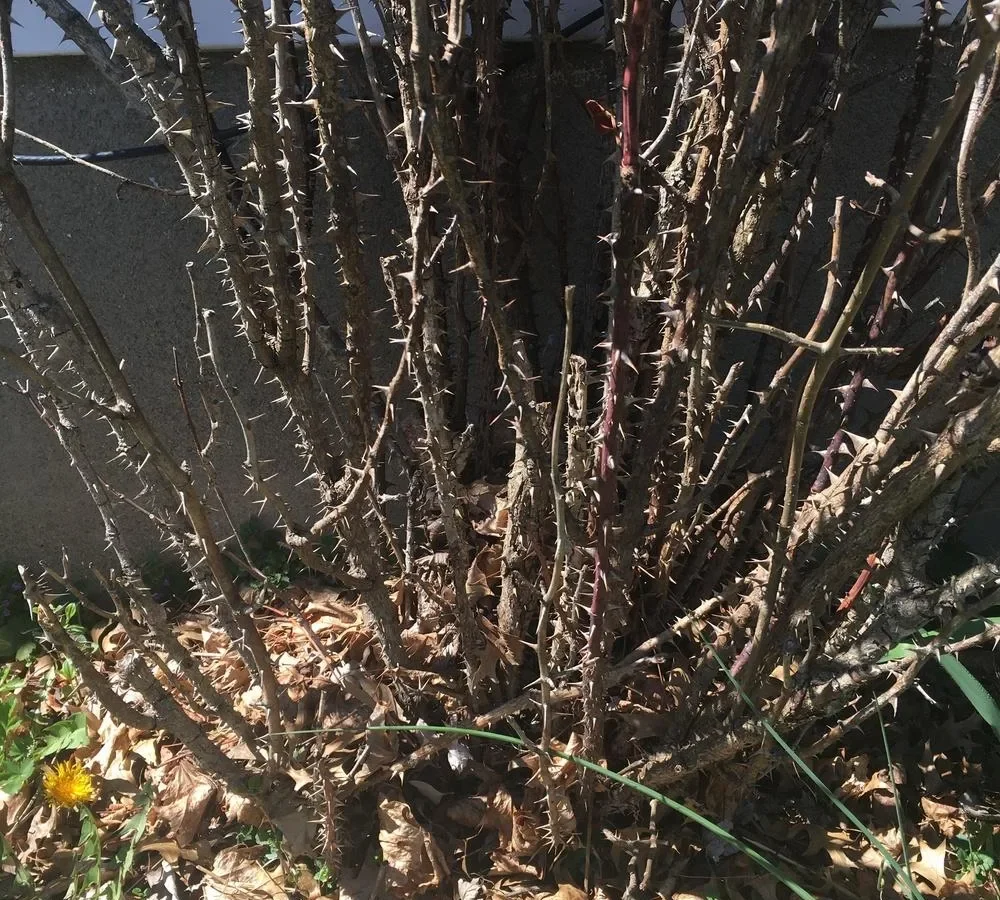
Finding black stems on roses usually means tissue death from cold, fungus, or bacteria. It can also be perfectly normal coloring on new growth. You need to figure out which one it is before you start cutting.
Grab your pruners and let's look closer.
In our research across university extension programs, winter dieback causes the most cane damage in USDA zones 6 and below. Fungal pathogens like Diplocarpon rosae need over seven hours of leaf wetness to germinate. Knowing these numbers changes how you treat your plants.
Let's walk through the diagnostic process step by step.
Quick Answer
Black stems on roses indicate dead tissue or natural pigmentation. Winter cold often kills cane tips first. Fungi cause sunken black lesions mid-cane.
Some new shoots are naturally dark plum. Scratch the bark to check for green life underneath.
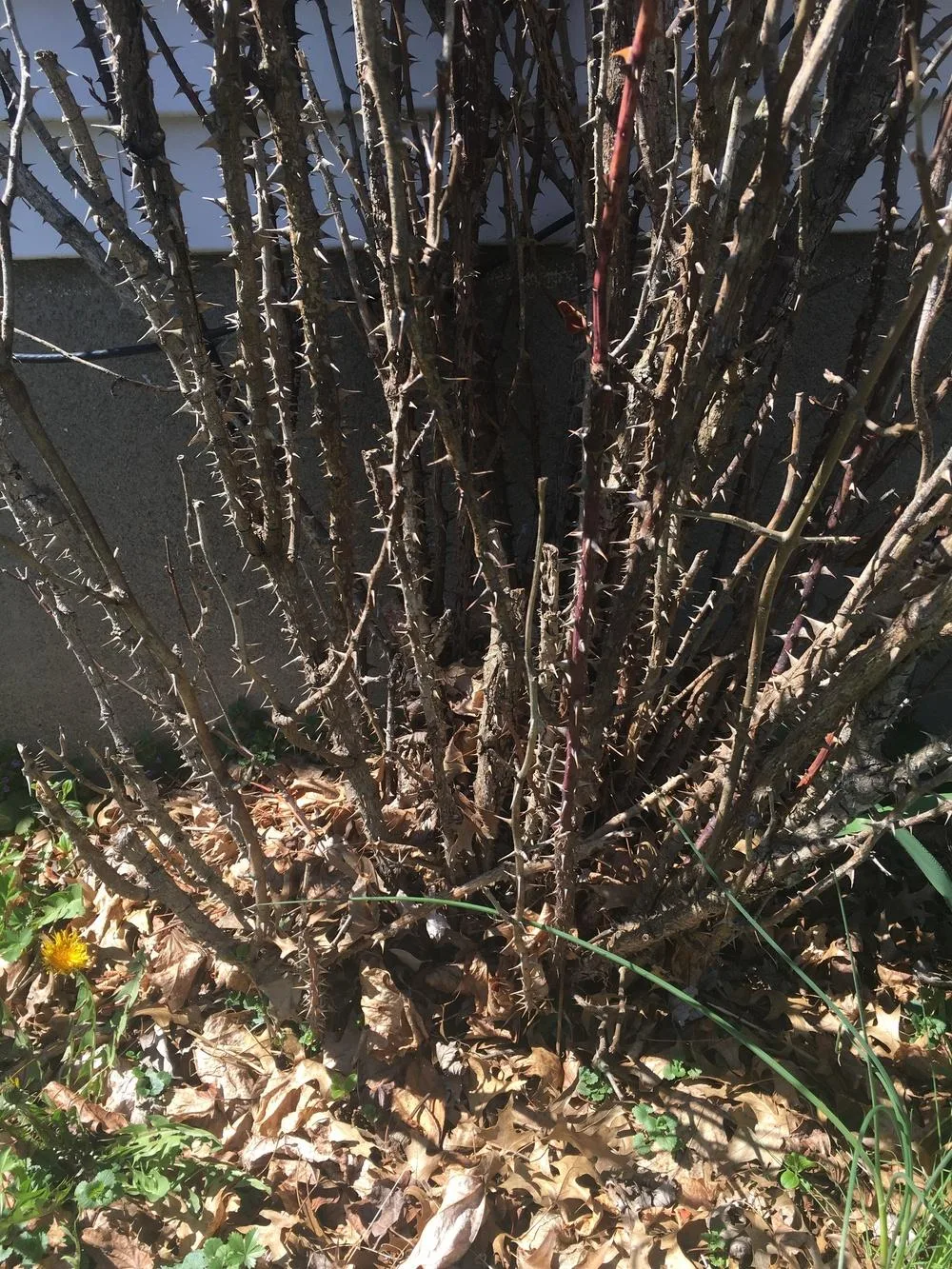
Image source: Bing (Web (fair-use with source credit))
Why Your Rose Stems Are Turning Black (And When It’s Actually Normal)
Roses show stress quickly. A black cane is just a symptom. The actual cause depends on the season, the weather, and the specific variety you are growing.
We see four main culprits in gardens as of 2026.
Winter dieback happens when freezing temperatures rupture plant cells. The water inside expands and breaks the cell walls. When the ice thaws, that tissue dies and turns black.
This always starts at the very tip of the cane.
Fungal infections work differently. Pathogens like Botryosphaeria enter through pruning wounds or wind scrapes. They create distinct, sunken lesions on the stem.
Everything above that lesion wilts because the fungus chokes off the vascular flow.
Then there is bacterial blight caused by Pseudomonas syringae. This creates slimy, foul-smelling black mush on the wood. It spreads fast in cool, wet spring weather.
You have to remove the entire affected cane immediately.
Sometimes the cane isn't sick at all. Many modern shrub roses push new growth loaded with anthocyanin pigments. These juvenile canes look deep burgundy or nearly black.
If the leaves are glossy and healthy, leave them alone.
Here is a quick breakdown of what causes dark canes.
| Cause | Visual Pattern | Tissue Status |
|---|---|---|
| Winter dieback | Black tips, green base | Dead at top, alive below |
| Fungal canker | Sunken mid-cane lesion | Dying above the spot |
| Bacterial blight | Slimy black rot | Completely dead |
| Natural pigment | Uniform dark plum | Very alive |
The Scratch Test: How to Tell if a Black Rose Cane Is Dead or Alive
You must know if the wood is alive before you prune. Cutting healthy wood stresses the plant unnecessarily. The thumbnail scratch test takes five seconds and gives you your answer.
Find a spot on the black cane away from any obvious spots or cracks. Press your thumbnail firmly into the outer bark. Scrape gently until you expose the layer right underneath.
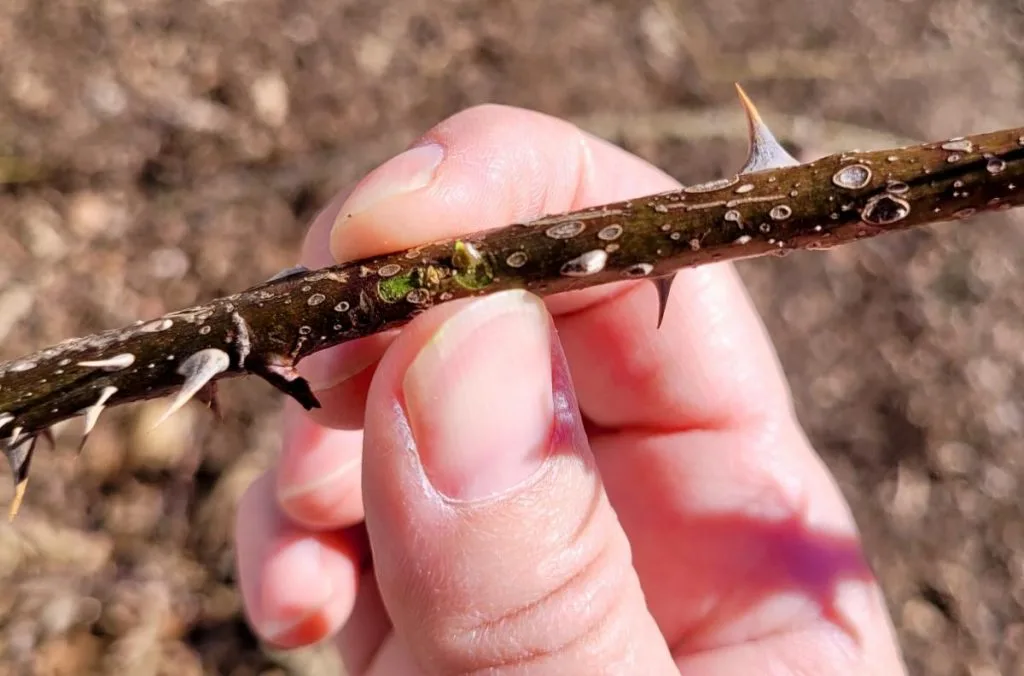
Image source: Bing (Web (fair-use with source credit))
If you see bright green tissue, the cane is alive. That green layer is called the cambium. It transports water and nutrients up and down the stem.
The black color is either surface frost damage or natural pigmentation.
If the tissue underneath is brown, dry, or hollow, that section is dead. Dead wood cannot recover. It will not push new buds or support leaves.
You need to find where the dead wood ends and living wood begins.
Keep scratching lower down the cane toward the base of the bush. Stop when you hit solid green cambium. That transition point tells you exactly where to make your pruning cut later.
Do this test on every suspicious cane. Don't guess based on the outer bark color alone. Outer bark can look terrible while the inside remains perfectly healthy.
Trust the cambium, not the surface.
The Diagnostic Decision Tree: Matching Symptoms to the Right Problem
Once you know which parts are dead, look at the pattern. The shape and location of the black tissue tell you what attacked it. Use this workflow to narrow down the exact problem.
Winter Dieback vs. Fungal Canker vs. Natural Pigmentation
Start by looking at where the black color begins. Does it start at the very tip and move downward? If yes, and you live in a region with hard freezes, it is almost certainly winter dieback.
Frost kills exposed tips first.
Does the black area form a defined, sunken patch in the middle of the cane? If the bark looks cracked or shriveled around a dark center, you are dealing with fungal canker. The pathogen entered through a wound and spread outward.
Is the entire length of a brand-new shoot uniformly dark? Check the leaves attached to it. If the foliage is fully formed, vibrant, and shows no yellowing or spotting, it is natural anthocyanin pigmentation.
University extension services consistently report that Coniothyrium fuckelii targets older, stressed wood. Healthy vigorous canes resist it much better. Per plant pathology guidelines from the University of Minnesota Extension, keeping bushes well-fed prevents many opportunistic fungal infections.
Use this simple logic chain next time you inspect your roses.
- If black starts at the tip and base is green then prune back to live wood.
- If a sunken lesion appears mid-cane then cut three inches below the dark margin.
- If the whole new shoot is dark but leaves are perfect then do nothing.
Black Spot on Canes and Bacterial Blight
Black spot fungus (Diplocarpon rosae) usually attacks leaves first. You will see yellowing foliage with dark splotches falling off the lower branches. If left untreated, those spores colonize young green canes too.
On the stems, black spot looks like raised purplish-black blisters. They aren't deeply sunken like canker lesions. They sit on the surface and spread during warm, humid weather.
Treat this with a protective fungicide.
Bacterial blight looks completely different. The black areas feel soft and slimy to the touch. They often smell bad.
This happens mostly in early spring when nights are cold but days are wet.
If you suspect bacteria, act fast. Cut the entire affected cane down to the crown. Bag it up and put it in the trash.
Never compost bacterial or fungal rose material.
Step-by-Step Pruning Workflow for Infected and Damaged Canes
Fixing black stems requires clean cuts in the right spots. Sloppy pruning spreads disease and invites more problems. Follow this exact sequence to protect the rest of the bush.
First, gather the right tools. You need sharp bypass pruners. Anvil pruners crush the vascular tissue instead of slicing it cleanly.
Crushed tissue heals slowly and gives fungi an easy entry point.
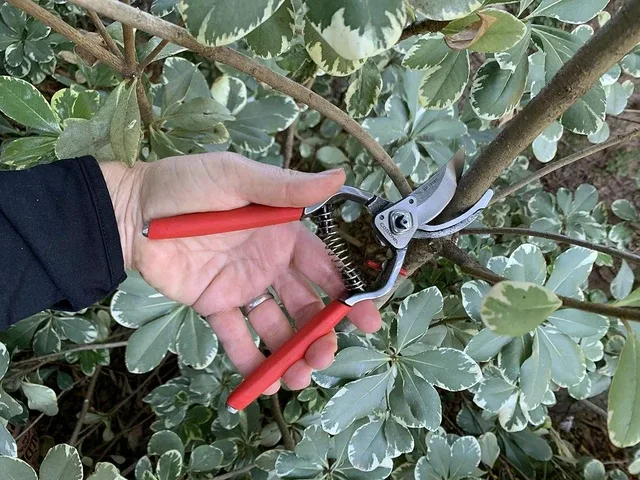
Image source: Bing (Web (fair-use with source credit))
Second, sterilize your blades. Wipe them thoroughly with 70% isopropyl alcohol. Do this before you touch the plant.
Do it again after every single cut you make. This stops you from dragging spores to healthy canes.
Third, locate your cut point using the scratch test we covered earlier. Find the highest spot where the cambium is bright green and healthy. Look just above that spot for an outward-facing bud.
Fourth, position your pruners about a quarter inch above that bud. Angle the blades so the cut slopes slightly away from the bud. This ensures rainwater runs off the wound instead of pooling on top of the new growth.
Fifth, make the cut in one smooth squeeze. Don't twist or tear the wood. If the cane is thick, use loppers designed for bypass cutting.
A clean wound seals over much faster.
Finally, clean up the debris. Pick up every fallen leaf and piece of pruned wood around the base. Apply two to three inches of mulch over the root zone.
Keep that mulch pulled back a few inches from the main crown to prevent rot.
Common Mistakes That Spread Disease or Kill Healthy Wood
Bad pruning habits cause more damage than the original infection. We see gardeners repeat the same errors every spring. Fixing these habits keeps your roses alive and thriving.
Using dull or dirty blades tops the list. A ragged cut tears the bark instead of slicing it cleanly. Fungal spores enter those torn edges instantly.
Sharpen your bypass pruners before every season starts.
Skipping the alcohol wipe between cuts is another major problem. You might save five minutes, but you risk infecting the whole bed. Wipe the metal with 70% isopropyl alcohol after every single snip.
This takes seconds and prevents cross-contamination.
Cutting too close to the bud kills the new growth before it starts. The tissue dries out and dies back into the node. Always leave that quarter inch of wood above the outward-facing bud.
It acts as a protective buffer while the wound seals.
Tossing diseased canes into your backyard compost pile spreads spores everywhere. Fungi like Diplocarpon rosae survive standard composting temperatures easily. Bag all black, spotted, or slimy wood in plastic.
Put it directly in the municipal trash bin.
Watering from overhead creates the perfect environment for black spot. Those fungal spores need prolonged leaf wetness to germinate. Aim your hose or drip line directly at the soil surface.
Keep the foliage completely dry whenever possible.
Panic-pruning healthy dark wood wastes the plant's energy. If the scratch test shows green cambium, leave the cane alone. Many David Austin varieties naturally push deep plum shoots.
Cutting them off just forces the bush to work harder for no reason.
Here is a quick checklist to avoid these pitfalls:
- If blades are dull then sharpen them before touching the plant.
- If you cut diseased wood then sanitize immediately.
- If the cane has green cambium then put the pruners down.
- If you remove infected material then bag it for the trash.
Frequently Asked Questions
Should I cut off black stems on roses immediately?
Only cut them if the scratch test reveals dead brown tissue underneath. Green cambium means the cane is still alive. Wait until early spring when buds swell to make your final cuts.
Pruning live wood too early stresses the plant unnecessarily.
Can black spot fungus kill an entire rose bush?
Yes, severe untreated infections will eventually defoliate and weaken the whole plant. The fungus usually attacks leaves first, then moves to young green canes. Consistent fungicide applications and proper sanitation stop this progression.
Remove fallen leaves to break the spore cycle.
Why are my new rose shoots dark purple or black?
This is normal anthocyanin pigmentation in juvenile canes. Many modern shrub roses naturally push very dark new growth. As the stem matures and hardens off over a few weeks, it turns green.
Leave these healthy shoots completely alone.
What is the best fungicide for black rose canes?
Chlorothalonil works well as a preventative contact spray. Myclobutanil offers systemic protection if the infection has already started. Apply according to the manufacturer label directions during humid weather.
Always combine chemical treatments with good airflow and base watering.
How far down should I prune a cankered rose cane?
Cut at least two to three inches below the lowest visible sign of the sunken lesion. You must reach solid white or green pith inside the center. Sterilize your bypass pruners with rubbing alcohol before making the next cut.
This ensures you removed all infected tissue.

Similar Posts