Why Is My Alberta Spruce Turning Brown? Causes & Fixes
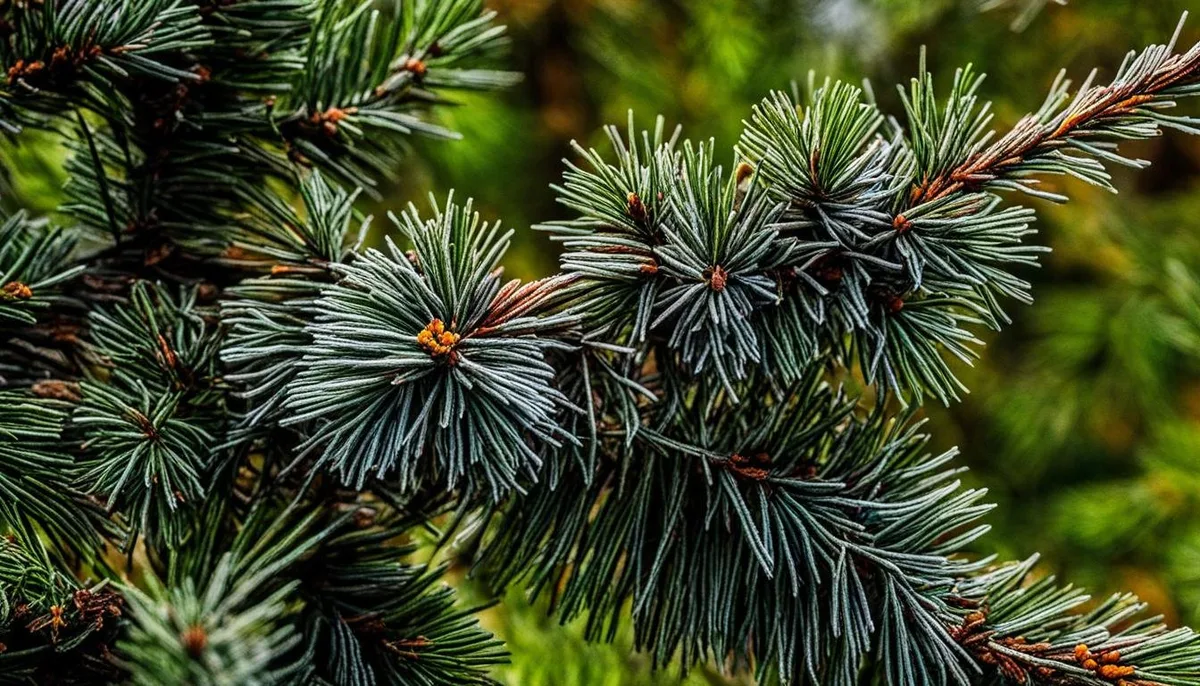
Image source: Bing (Web (fair-use with source credit))
If you are asking why is my alberta spruce turning brown, the tree is already stressed. Dwarf Alberta spruces (Picea glauca 'Conica') hide problems well until needles start dropping. The cause usually comes down to mites, winter wind, or soggy roots.
In our research across university extension data, these trees only grow 2 to 4 inches a year. That slow growth means damage takes a long time to recover from as of 2026. We built this diagnostic workflow to help you pinpoint the exact problem fast.
Quick Answer
Your Alberta spruce turns brown from stress. Spider mites eat inner needles first. Winter winds dry out exposed branches.
Soggy soil drowns shallow roots. Find the browning location to fix it.
Why Your Alberta Spruce Is Turning Brown: The Quick Diagnostic Check
The fastest way to diagnose a sick conifer is looking at exactly where the damage sits. A dwarf Alberta spruce has a very dense canopy. That tight structure creates specific hiding spots for pests and traps moisture against the trunk.
Browning on the inside branches near the trunk almost always points to spider mites. These tiny pests thrive in the dark, sheltered interior of the tree. They suck sap directly from the needles until the foliage turns bronze.
Browning on one side of the tree tells a different story. If the damage faces the prevailing wind or a sunny street, that is winter burn. The frozen ground stops roots from replacing moisture lost to cold air.
Bottom-up browning combined with wet soil signals root rot. Shallow roots suffocate when water pools around the base. Fungi take over quickly in those anaerobic conditions.
Random patches of dead branches with sticky white sap mean disease. Cytospora canker targets stressed trees and kills individual limbs. You need to identify the pattern before applying any treatment.
Reading the Damage: Where the Browning Tells You Exactly What’s Wrong
Every symptom points to a specific failure in the tree's environment. You just need to know what to look for. Grab some gloves and inspect the canopy closely.
Are the inner needles turning rusty or bronze?
Spider mites (Oligonychus ununguis) cause this exact damage. They build fine webbing deep inside the dense foliage. You might notice a dusty appearance on your fingers if you touch the inner branches.
Hold a piece of white printer paper under a suspect branch. Tap the branch sharply against the paper. Look closely for tiny moving specks that smear red or green when touched.
Those are your mites.
Is the damage only on the windward side?
Winter desiccation happens when frozen roots cannot drink water. The wind strips moisture directly from the evergreen needles. The sunny side of the house often suffers the worst damage.
The needles will feel completely crispy and dry. This damage usually becomes obvious in late winter or early spring. The buds underneath might still be alive despite the ugly exterior.
Is the soil soggy and smelling sour?
Root rot destroys the shallow root system of an Alberta spruce. Phytophthora fungi thrive in heavy clay soils that stay wet. The lower branches turn yellow first, then brown, and finally drop.
Dig down two inches near the base. Healthy roots feel firm and look tan. Rotted roots feel mushy, look dark brown, and smell terrible.
Stop watering immediately if you find this.
Are random branches dying with oozing sap?
Cytospora canker causes sunken spots on the bark. The tree pushes out white or bluish resin to fight the fungus. Lower branches usually die off first while upper branches stay green temporarily.
This fungal disease attacks trees already weakened by drought or poor planting depth. Pruning shears spread the spores easily from branch to branch. You must sterilize your tools constantly when dealing with canker.
The Decision Tree: Matching Symptoms to Spider Mites, Winter Burn, Root Rot, or Canker
Use this workflow to lock in your diagnosis. Match your visual clues to the correct column. Then follow the recommended action path.
| Symptom Location | Primary Suspect | Confirmation Test | Recommended Action |
|---|---|---|---|
| Inner canopy, near trunk | Spider mites | White paper tap test | Blast with hose, apply horticultural oil |
| One side facing wind/sun | Winter burn | Visual check of exposure | Wait until spring, wrap next fall |
| Bottom branches up, wet soil | Root rot | Smell and feel the roots | Stop watering, improve drainage |
| Random limbs, oozing sap | Cytospora canker | Look for sunken bark spots | Prune infected wood, sterilize tools |
If your tree fails the paper tap test, you have mites. Do not use broad spectrum pesticides. They kill the beneficial predatory mites that naturally control spider mite populations.
Stick to targeted treatments like insecticidal soap.
If the scratch test reveals green cambium under brown needles, wait. Winter burn looks fatal but often hides living tissue. Give the tree until late spring to push new growth from dormant buds.
If the soil stays wet for days after rain, you have a drainage problem. Planting an Alberta spruce at the bottom of a hill guarantees trouble. You may need to transplant it to a raised bed amended with pine bark fines.
Image source: Bing (Web (fair-use with source credit))
If you see sticky sap oozing from the trunk, act fast. Cytospora canker spreads quickly through stressed conifers. University extension programs consistently recommend removing infected wood immediately to save the rest of the tree.
Step-by-Step Fixes: Water Blasts, Burlap Wraps, Pruning, and Soil Drainage
Treating a dwarf Alberta spruce requires matching the fix to the exact problem. Applying the wrong treatment wastes time and harms the tree. Follow these specific protocols based on your diagnosis.
Flushing out spider mites
Mites hate moisture and strong airflow. Attach a spray nozzle to your garden hose. Set it to a sharp stream without being strong enough to strip healthy needles.
Blast the interior canopy thoroughly every three days for two weeks. Focus on the dense areas near the trunk where webbing gathers. This physical removal knocks down the population significantly.
If water alone fails, apply horticultural oil or insecticidal soap. Spray during the cooler morning hours to prevent needle burn. Coat the interior branches completely since contact is required to kill the pests.
Managing winter burn recovery
Do not prune brown needles immediately after winter ends. The tree needs time to activate dormant buds beneath the damaged foliage. Premature pruning removes living tissue that would otherwise recover.
Wait until late spring to assess true dieback. Scratch the bark gently with your thumbnail. Green, moist tissue means the branch is alive and will produce new needles eventually.
Prevent future damage by wrapping the tree loosely in breathable burlap before the first hard freeze. Never use plastic wraps because they trap heat and cook the foliage on sunny winter days. Water the root zone deeply in late autumn before the ground freezes solid.
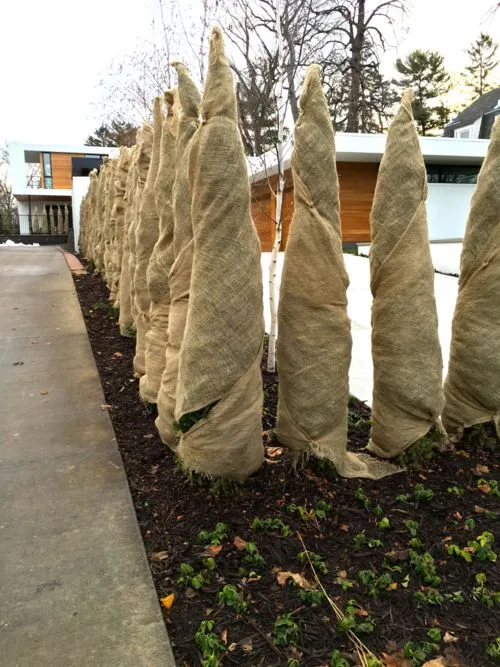
Image source: Bing (Web (fair-use with source credit))
Fixing root rot and drainage issues
Stop watering immediately if the soil feels waterlogged. Let the top few inches dry out completely before adding more moisture. Alberta spruces need consistent hydration but absolutely despise sitting in puddles.
Add 2 to 3 inches of shredded bark mulch around the base. Keep the mulch pulled several inches away from the actual trunk. Piling mulch against the bark invites rot and hides the critical root flare.
If the planting site holds water chronically, transplant the tree. Mix pine bark fines into the native soil to increase porosity. Plant the tree slightly higher than its original nursery pot level to encourage runoff.
Pruning Cytospora canker safely
Remove dead branches by cutting several inches below the visible damage. Always cut back into healthy, green wood. Leaving infected stubs allows the fungus to spread deeper into the trunk.
Wipe your pruning shears with rubbing alcohol between every single cut. Skipping this step drags fungal spores directly into fresh wounds. Dispose of all diseased clippings in the trash rather than the compost bin.
Avoid fertilizing a tree fighting a fungal infection. Synthetic fertilizers force rapid growth that stresses the remaining healthy tissue. Focus entirely on improving airflow and reducing environmental stress instead.
Five Mistakes That Kill a Stressed Dwarf Alberta Spruce Faster
Good intentions ruin plenty of conifers. Homeowners often panic when they see brown needles and try too many fixes at once. Avoid these common errors to give your tree a real chance at survival.
Shearing the outside like a hedge blocks light and air from reaching the interior. That dense outer shell creates the perfect humid microclimate for spider mites and fungal diseases. Let the tree maintain its natural conical shape.
Fertilizing a sick tree forces it to push new growth when it lacks the energy to survive. Synthetic nutrients burn compromised root systems rapidly. Wait until the tree shows vigorous new green growth before applying any plant food.
Planting the tree too deep buries the root flare under suffocating soil. The trunk needs to widen visibly right at the soil line. Burying that transition point slowly chokes the vascular system over several seasons.
Watering the foliage instead of the soil encourages foliar diseases. Evergreen needles should stay relatively dry. Run your hose on a slow trickle directly at the base for 20 to 30 minutes to reach the shallow roots properly.
Using chemical sprays during high summer heat causes phytotoxicity. The oils and soaps literally fry the needles when temperatures climb above 85 degrees Fahrenheit. Always apply treatments early in the morning or late in the evening.
Will the Brown Needles Turn Green Again? (Cambium Scratch Test and Recovery)
Dead conifer needles never turn green again. Once a needle dries out completely, that tissue is gone for good. Your tree can still survive if the underlying wood stays alive.
You need to perform the cambium scratch test right now. Take your thumbnail or a small knife. Scratch away the outer bark on a brown branch gently.
If you see green, moist tissue underneath, that branch is living. It will push fresh growth from dormant buds near the tips. Just give it time and proper care.
If the tissue under the bark is dry, brittle, and brown, that specific branch is dead. No amount of water or oil will bring it back. You should prune it off to improve airflow.
Recovery takes patience because these trees grow slowly. A healthy dwarf Alberta spruce only adds 2 to 4 inches of new growth per year. Covering up bare spots might take two full seasons.
Keep checking the soil moisture while you wait for spring growth. Stick your finger two inches into the dirt near the base. Water deeply only when that top layer feels completely dry.
How do I know if the whole tree is dead?
Scratch several branches at different heights around the canopy. If every single branch shows brown, dry wood underneath, the root system has failed. The tree cannot recover at that point.
Sometimes the lower half dies while the top stays green. This usually points to root rot or Cytospora canker moving upward. Prune the dead lower sections immediately to protect the living top growth.
Monitor the tree closely through its active growing season in spring. Look for tiny green buds swelling at the branch tips. Those buds are your best sign that the root system is functioning properly.
Frequently Asked Questions
Why is my Alberta spruce turning brown from the inside out?
Browning that starts deep inside the canopy and moves outward almost always means spider mites. These pests hide where the needles are thickest. Hold white paper under a branch and tap it to confirm their presence.
Flush them out with a strong stream of water every few days.
Can a brown Alberta spruce recover after winter burn?
Yes, winter burn looks much worse than it actually is. The crispy needles are dead, but the buds underneath often survive. Wait until late spring before pruning anything.
Perform the cambium scratch test to check for green tissue before cutting branches.
How often should I water a potted dwarf Alberta spruce?
Potted spruces dry out much faster than those planted in the ground. Check the soil every two or three days during summer heat. Water deeply until liquid drains freely from the bottom holes.
Never let the pot sit in a saucer full of standing water.
Should I fertilize my browning spruce to help it grow?
Do not apply fertilizer to a stressed or browning conifer. Synthetic nutrients force the tree to push new growth when it lacks energy. This burns compromised roots and accelerates decline.
Wait until the tree produces healthy green needles naturally before feeding it.
Is it normal for an Alberta spruce to drop inner needles?
Dropping a few older inner needles every three to five years is natural. Evergreens shed their oldest foliage to conserve resources. However, massive browning or rapid needle loss across multiple branches indicates a pest or environmental problem.
Use the diagnostic steps above to find the exact cause.

Similar Posts