Schefflera Leaves Turning Black? Causes & How to Fix It
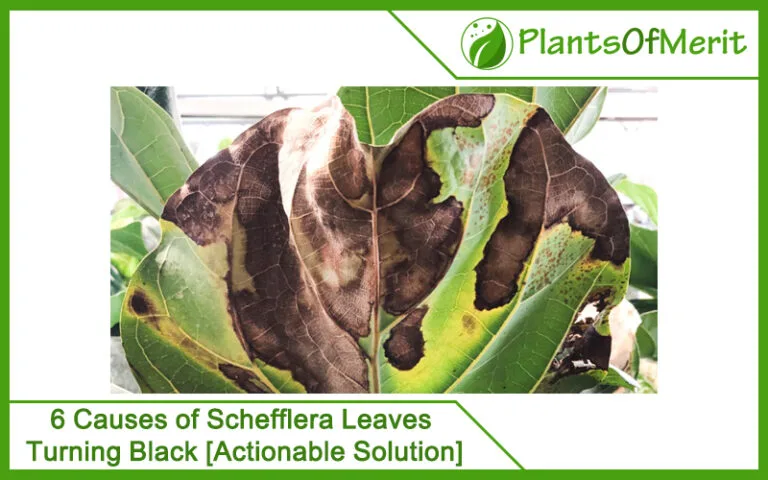
Seeing schefflera leaves turning black is a stressful sight for any plant owner. That dark, mushy tissue means something in your care routine or environment has gone wrong. The good news is that you can usually save the plant if you act fast.
Schefflera plants thrive between 65°F and 90°F. Per University of Florida IFAS Extension guidelines, temperatures dropping below 50°F cause rapid cellular damage. Let's figure out exactly what is hurting your umbrella tree so you can stop the spread.
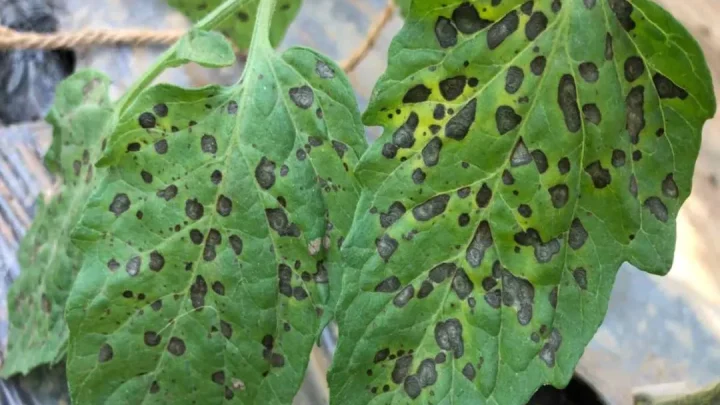
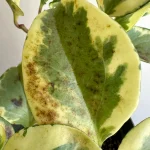
Image source: Bing (Web (fair-use with source credit))
Quick Answer
Black schefflera leaves signal root rot, cold damage, or infection. Overwatering causes roots to suffocate and turn slimy. Cold drafts below 50°F kill leaf tissue quickly.
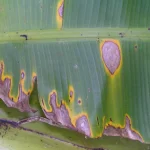
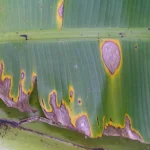
Bacterial spots create black lesions with yellow rings. Prune dead growth and fix the root cause immediately.
Why Your Schefflera Leaves Are Turning Black (And How to Read the Damage)
Black leaves on a Schefflera arboricola or Schefflera actinophylla are never normal. Leaf necrosis means the plant cells have died. Your job is figuring out why they died.
The pattern of the blackening tells you everything you need to know.
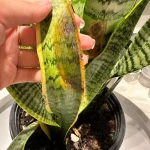
If the leaves turn black and feel mushy, water is likely the culprit. Soggy soil drowns the roots. Without oxygen, the roots rot and stop pulling up nutrients.
The leaves collapse from the bottom up.
If the black spots look dry and crispy, think about temperature. A sudden blast of cold air from an AC vent or drafty window will freeze the cell walls. This happens incredibly fast during winter months.
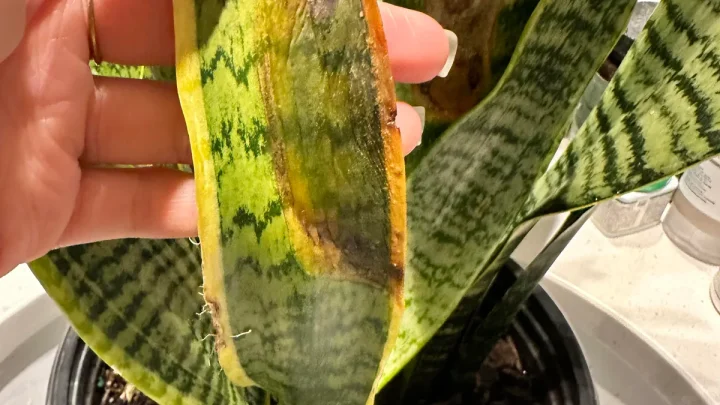
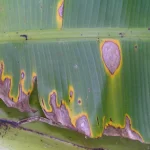
Spots with yellow halos point toward disease. Bacterial leaf spot caused by Pseudomonas or fungal issues like Alternaria create distinct targets. They start small and spread outward.
You need to isolate the plant immediately.
Here is a quick reference table to help you read the damage.
| Symptom | Texture | Likely Cause |
|---|---|---|
| Entire leaf turns black | Mushy, wet | Overwatering or root rot |
| Black edges or tips | Dry, papery | Cold damage or low humidity |
| Spots with yellow rings | Sunken lesions | Bacterial or fungal infection |
| Black stems near soil | Slimy base | Severe Phytophthora root rot |
Reading these signs correctly saves time. Treating a cold damaged plant for fungus wastes weeks. Look closely at the texture before you grab your watering can or fungicide.
The Decision Tree: Figuring Out What’s Actually Killing Your Umbrella Plant
You cannot fix the problem until you identify it. Use this decision tree to narrow down the exact cause. Follow the branches based on what you observe right now.
Branch 1: Cold Drafts and Frost Injury
Is your plant sitting near a window, door, or HVAC vent? Did the blackening happen overnight after a temperature drop? If yes, you are dealing with cold damage.
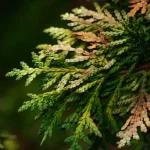
Schefflera plants are tropical. Sustained exposure below 50°F destroys their waxy leaf cuticle. The leaves turn black starting at the margins.
They might even drop off while still looking wet.
Move the plant away from the draft immediately. Do not prune the damaged leaves right away. Wait a few days to see how far the dieback actually goes.
Cutting too early invites secondary infections.
Branch 2: Overwatering and Root Rot
Is the soil constantly wet? Does the pot smell swampy or sour? If yes, your plant is drowning.
This is the most common reason we see umbrella trees failing indoors.
Overwatering leads directly to root rot. Pathogens like Pythium, Fusarium, and Phytophthora thrive in soggy soil. Healthy roots should be firm and light colored.
Rotted roots are brown, black, and slimy.
Stop watering immediately. Pull the plant out of its pot to inspect the root ball. If more than half the roots are mush, recovery will take serious effort.
You must trim the dead roots away.
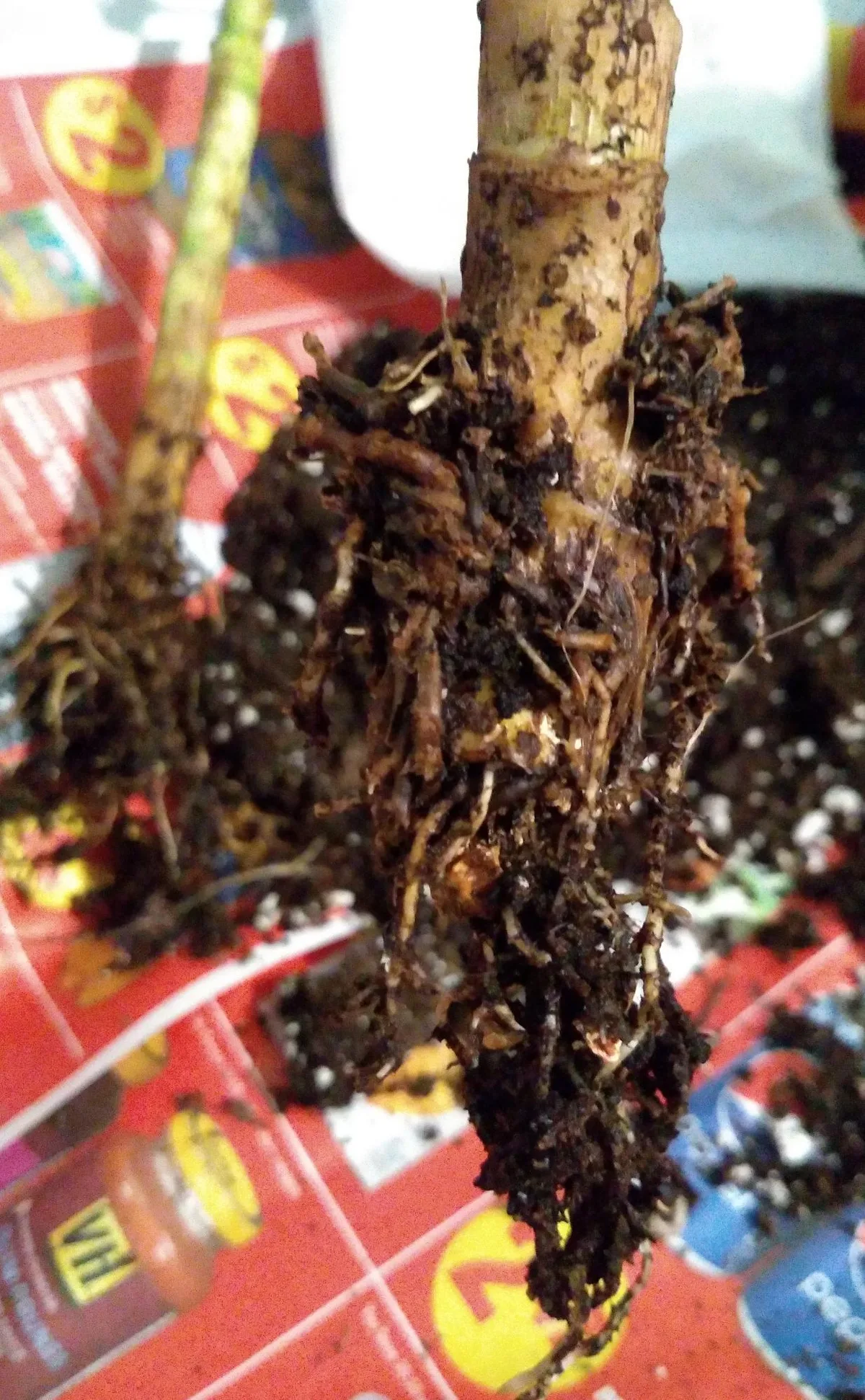
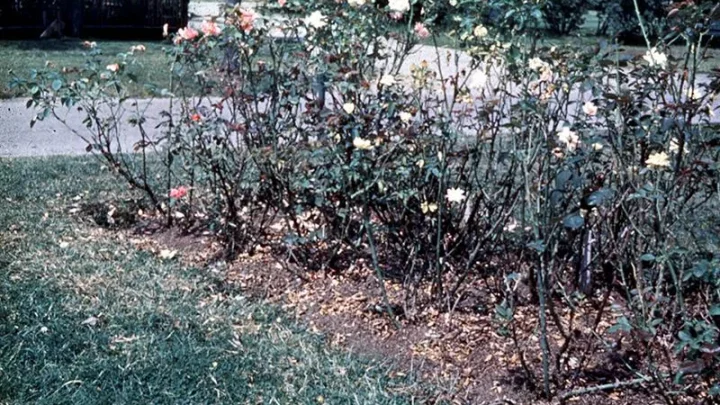
Image source: Web (Bing) / reddit.com (Web image (fair-use with source credit))
Branch 3: Bacterial or Fungal Leaf Spot
Are the black areas isolated spots rather than whole leaves? Do they have distinct borders or yellow rings? If yes, a pathogen has moved in.
Bacterial leaf spot from Xanthomonas spreads through water droplets. Fungal issues like sooty mold often follow pest infestations. Both require immediate isolation from your other houseplants.
Do not mist the leaves. Water splashing spreads bacteria across the canopy. You will need to prune the infected tissue using sterilized tools.
Chemical treatments only work if you catch this early.
Step-by-Step Rescue Workflow for a Blackening Schefflera
Once you know the cause, it is time to act. Follow these steps in order. Skipping ahead usually makes things worse.
Step 1: Isolate the plant. Move your Schefflera away from other houseplants. This prevents fungal spores or bacteria from jumping ship. Give it a spot with bright, indirect light.
Step 2: Check the soil moisture. Push your finger two inches into the dirt. If it feels soggy, skip watering for a while. You can also use a wooden skewer to test deeper moisture levels.
Step 3: Unpot and inspect the roots. Gently slide the plant out of its nursery pot. Shake off the old soil. Look for firm white roots versus mushy black ones.
Step 4: Sterilize your bypass pruners. Wipe your blades with 70% isopropyl alcohol. Let them sit for at least 30 seconds. Clean tools prevent spreading diseases back into fresh cuts.
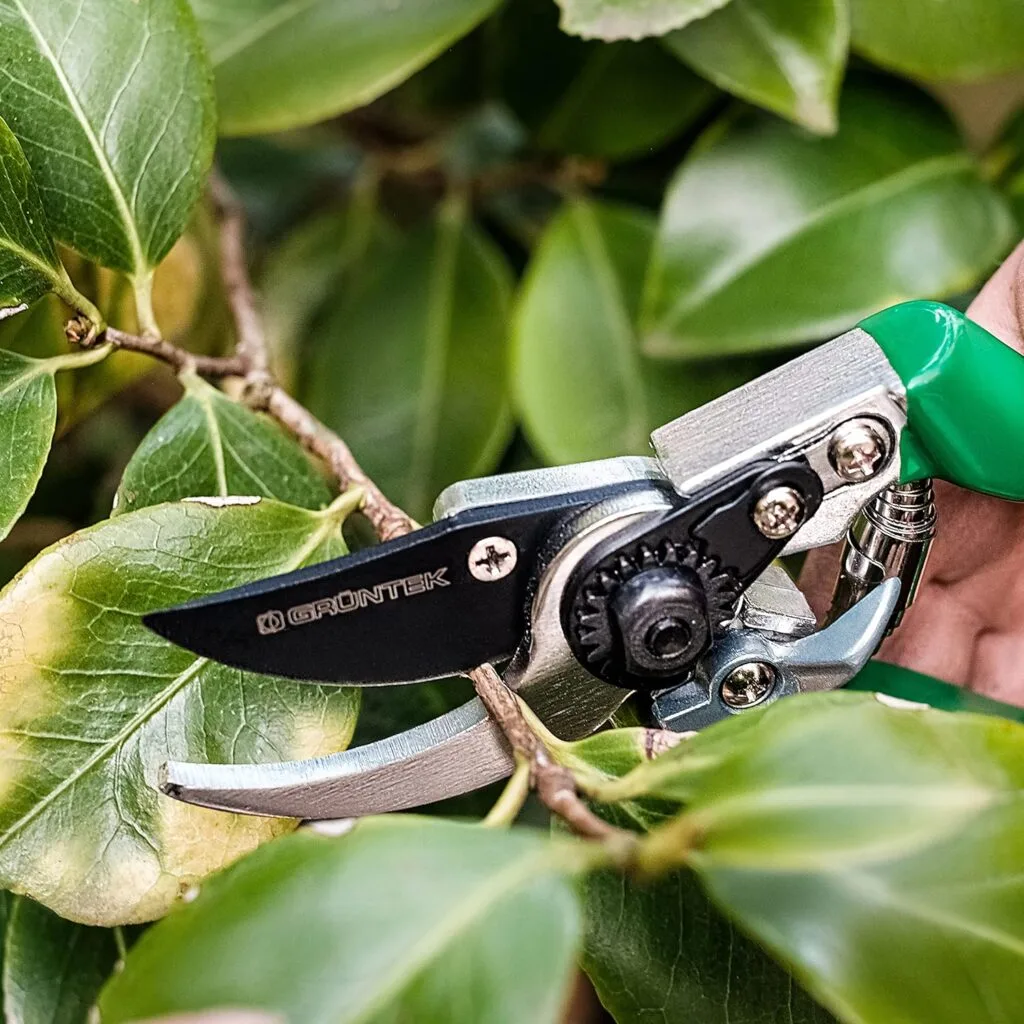
Image source: Web (Bing) / japanesegardencraft.com (Web image (fair-use with source credit))
Step 5: Prune the damage. Cut black, mushy roots back to healthy green tissue. Snip off completely dead leaves. Always cut just above a healthy node on the stem.
Step 6: Repot if necessary. Use a sterile, well draining mix. A blend of peat, perlite, and coco coir works perfectly. Only go one to two inches wider than the root ball.
Step 7: Adjust your environment. Keep the room between 65°F and 90°F. Avoid direct afternoon sun. Let the top two inches of soil dry out completely before you water again.
Recovery takes time. Expect to wait two to six weeks for a new flush of healthy growth. Be patient and stick to the schedule.
Common Mistakes That Make Black Leaves Worse
Good intentions often ruin struggling plants. We see the same errors repeated constantly as of 2026. Avoid these traps to give your Schefflera a real chance.
Watering on a calendar schedule. Plants do not read calendars. Soil dries at different rates depending on light and temperature. Always check the moisture level physically before adding water.
Repotting into a massive container. A huge pot holds too much wet soil. The roots cannot drink it fast enough. That excess moisture sits there and breeds Pythium and Fusarium fungi.
Misting leaves to increase humidity. Misting sounds helpful, but it creates problems. Wet foliage encourages bacterial leaf spot and Alternaria. Use a room humidifier instead of spraying the plant directly.
Using dull or dirty pruning shears. Ragged cuts heal slowly. Dirty blades push pathogens deep into the vascular tissue. Always sharpen and sanitize your tools before touching a sick plant.
Fertilizing a stressed plant. Fertilizer burns damaged roots. A plant fighting root rot cannot process extra nutrients. Wait until you see strong new growth before feeding it again.
Ignoring the drainage holes. Decorative pots without holes are death traps. Water pools at the bottom and suffocates the lowest roots. Always use a pot with proper drainage or keep the plant in its plastic nursery pot.
Fixing these habits stops the cycle of decline. Your umbrella tree wants to survive. You just have to stop accidentally working against it.
Long-Term Care to Keep New Growth Healthy
Saving your plant is only half the battle. You have to change the conditions that caused the black leaves in the first place. Otherwise, the necrosis will just come back next season.
Start by fixing your watering habits. Let the top two inches of soil dry out completely between waterings. Stick your finger in the dirt or use a wooden skewer to check.
If it feels damp, walk away.
Light plays a massive role here too. Schefflera plants need bright, indirect light to process water efficiently. A dark corner means the soil stays wet longer.
That extra moisture invites Pythium and Fusarium right back into the root zone.
Keep an eye on the temperature year round. Never let the room drop below 50°F, even for a few hours. Move the plant away from drafty windows during winter.
Avoid placing it directly under air conditioning vents in summer.
If you pruned heavily during the rescue phase, hold off on fertilizer. Wait until you see at least two new healthy leaves emerge. Then apply a balanced liquid houseplant fertilizer at half strength.
Feeding a stressed root system causes chemical burns.
Check your potting mix every spring. Soil compacts over time and loses its ability to drain. If water pools on the surface for more than a few seconds, repot the plant.
Use a fresh blend of peat, perlite, and coco coir.
Consistency is what keeps umbrella trees thriving indoors. Monitor the soil, watch the thermometer, and keep your tools clean. Do those three things, and your schefflera will push out glossy green foliage for years.
Frequently Asked Questions
Should I cut off black schefflera leaves?
Yes, remove them immediately. Black leaves are dead tissue and will not turn green again. Leaving them attached drains energy and can spread fungal spores.
Always use bypass pruners wiped down with 70% isopropyl alcohol before making cuts.
Can a schefflera recover from root rot?
Recovery depends on how much root mass remains. If over half the roots are firm and light colored, the plant usually survives. Trim the slimy black roots, repot in sterile soil, and reduce watering.
Expect a two to six week recovery period.
Why are my schefflera leaves turning black in winter?
Cold drafts are the usual suspect in winter. Temperatures dropping below 50°F destroy the leaf cells rapidly. Windowsills and exterior doors create microclimates that freeze tropical plants.
Move your schefflera to a warmer interior room until spring arrives.
How often should I water a dwarf umbrella tree?
Never water on a strict schedule. Check the soil first. Only water when the top two to three inches feel completely dry.
In our research, most indoor schefflera plants need watering every seven to ten days during summer and much less frequently in winter.
Is a blackening schefflera toxic to pets while dying?
The toxicity does not change based on plant health. Schefflera contains calcium oxalate crystals in all its tissues. Per the ASPCA, these crystals cause severe oral irritation if cats or dogs chew the leaves.
Keep struggling plants out of reach while you treat them.

Similar Posts