Japanese Aloe Vera Plant: Care, Uses & Growing Tips
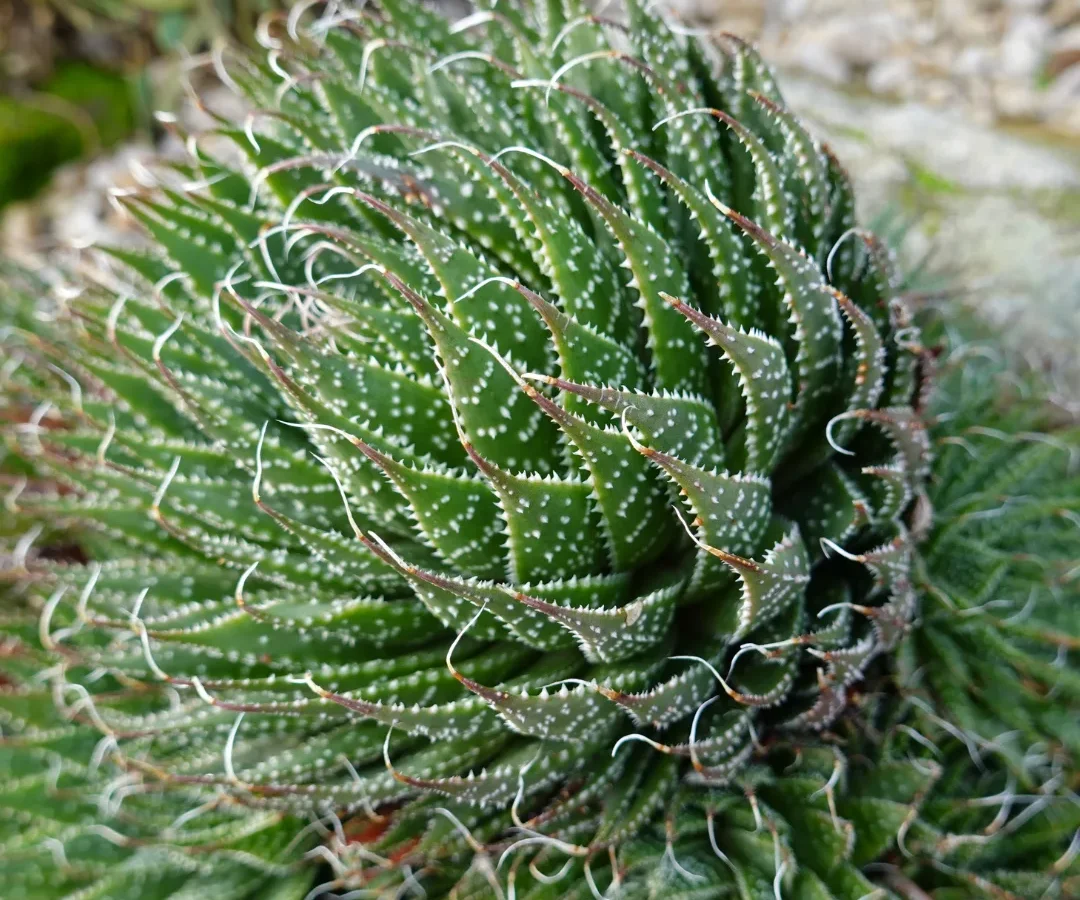
If you’ve ever tried to identify a japanese aloe vera plant from memory, you already know how confusing it gets. The name covers two entirely different species in the houseplant trade. You might be looking at Aloe vera var. chinensis, a traditional medicinal variety.
Or you might have Aloe aristata, a small spotted succulent often sold under the same label.
Telling them apart requires looking closely at leaf width, spotting patterns, and overall shape. In our research across nursery catalogs and botanical databases, standard Aloe barbadensis leaves reach over 2 inches wide. True Japanese varieties stay much narrower.
Mature plants rarely exceed 12 inches tall. Let’s look at exactly what your eyes need to catch.
Quick Answer
The japanese aloe vera plant refers to two distinct succulents. It usually means Aloe aristata or Aloe vera var. chinensis. Both form tight rosettes with narrow leaves.
They require bright light and very little water.
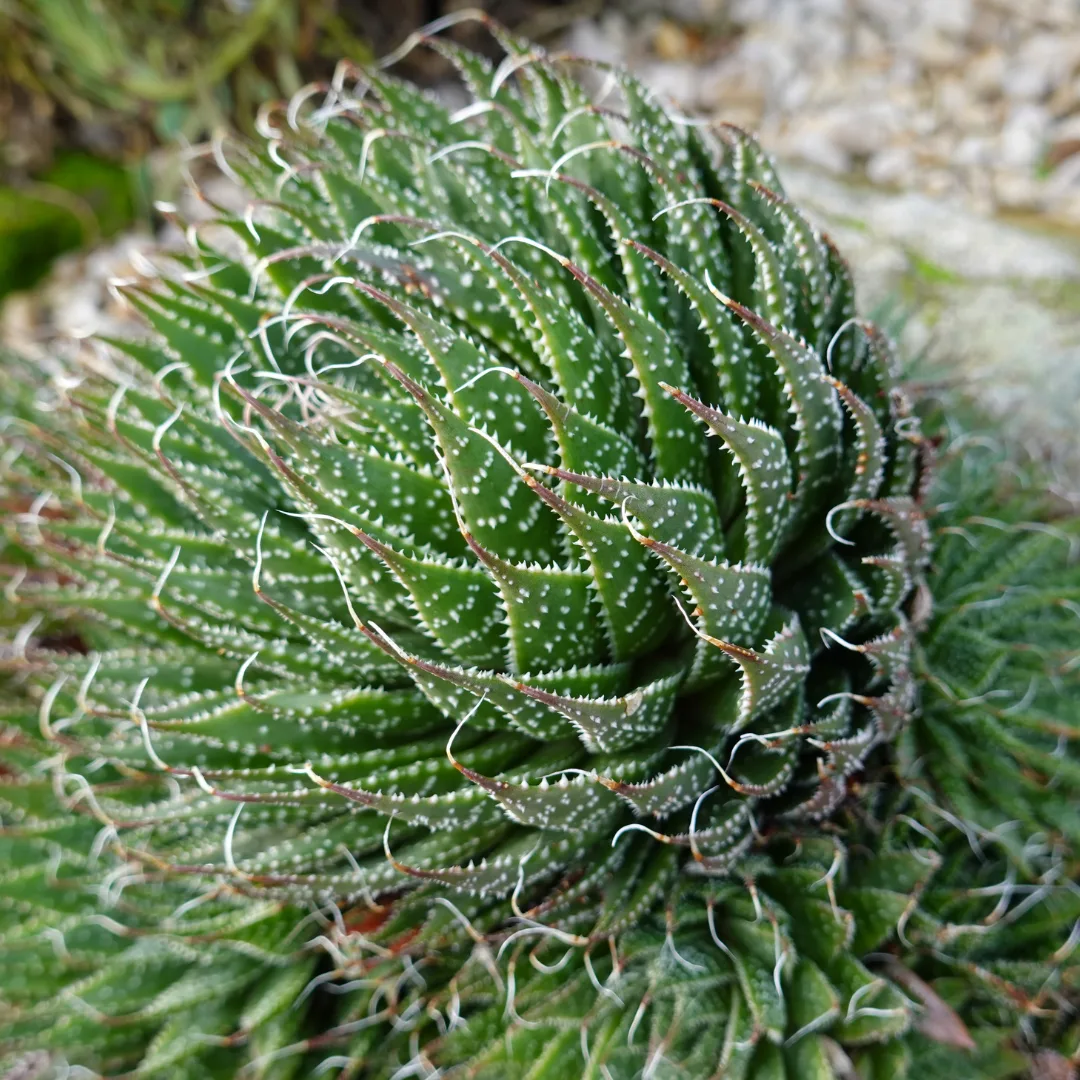
Image source: Bing (Web (fair-use with source credit))
Why Visuals Are the Only Way to Actually Identify a Japanese Aloe
Text descriptions only get you so far with succulents. If you read that an aloe has "green leaves with spots," that matches dozens of species. Your eyes have to do the heavy lifting.
That is why visual identification is the only reliable method for this plant.
Generic care guides treat all aloes the same. They assume you are growing a massive Aloe barbadensis meant for harvesting gel. But a compact Aloe aristata has completely different spatial needs.
Giving it the deep pot and heavy watering schedule meant for larger species will rot its shallow roots quickly.
Botanical databases like Plants of the World Online confirm these taxonomic differences clearly. Still, garden centers frequently mislabel them on retail tags. You cannot trust the plastic stake in the soil.
You have to trust the physical traits of the plant sitting in front of you.
When you look at the plant, focus on three things first. Check the width of the individual leaves. Look for white speckling on the surface.
Examine the edges for tiny serrated teeth. These visual markers separate the Japanese varieties from standard medicinal aloes instantly.
Photos and diagrams make this process much faster. A side-by-side image shows the size difference better than any measurement chart. We rely heavily on visual cues because the structural differences are stark once you know where to look.
Spotting the Real Thing: Key Visual Cues That Separate It from Standard Aloe
Identifying the correct plant comes down to four specific visual markers. You need to check leaf shape, surface texture, margins, and growth habit. If a plant hits all four marks, you have the right one.
First, look at the leaf shape. Standard medicinal aloe grows thick, broad, fleshy swords. Japanese varieties grow narrow, lance-shaped leaves.
They taper to a fine point rather than staying wide and blunt.
Next, examine the surface texture. Aloe aristata features dense white spotting across its green skin. These spots often fade if the plant sits in harsh, direct sunlight. Aloe vera var. chinensis has lighter, less dense speckling compared to the lace aloe.
Then check the leaf margins. Run your finger gently along the edge. You should feel distinct white, serrated teeth.
Standard aloes have softer, less pronounced margins. The teeth on Japanese varieties are sharp and highly visible.
Finally, step back and look at the whole plant. It should form a tight, compact rosette. It stays low to the soil.
Standard aloes stretch upward and outward, eventually developing thick woody stems.
Here is how the visual traits stack up against each other.
| Feature | Japanese Aloe (A. aristata) | Standard Aloe (A. barbadensis) |
|---|---|---|
| Leaf Width | Narrow, under 1 inch | Broad, over 2 inches |
| Surface Texture | Dense white spots | Mostly solid green |
| Margins | Sharp white teeth | Soft, minor teeth |
| Growth Habit | Tight, flat rosette | Tall, upright, branching |
| Max Height | 6 to 12 inches | 24 to 36 inches |
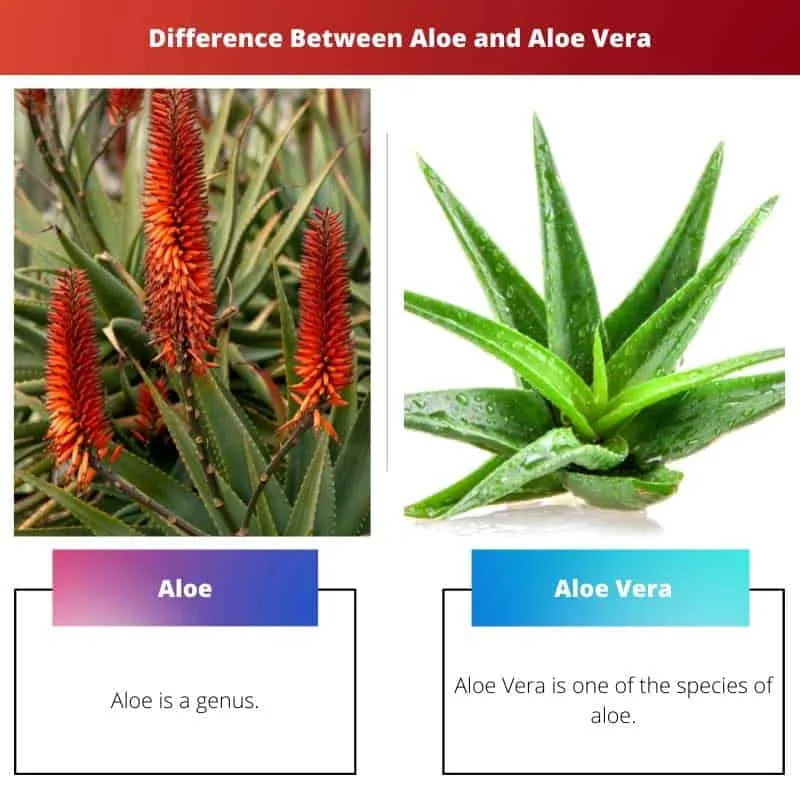
Image source: Bing (Web (fair-use with source credit))
Use this table as a quick reference when shopping. If the plant in the pot looks tall and lacks white spots, it is likely the standard variety. Keep looking until you find the compact, speckled rosette.
The Identification Mistakes Everyone Makes (And How to Fix Them)
The biggest mistake buyers make is trusting the retail label blindly. Nurseries group all small aloes together. They print "Japanese Aloe" on tags for anything compact.
Aggregate reviews from plant buyers show this causes constant confusion.
Another common error involves lighting changes. Those signature white spots on Aloe aristata are not permanent paint. They react to light intensity.
If you move the plant into harsh afternoon sun, the spots fade out. You might think you bought the wrong species. Move it back to bright, indirect light.
The spots usually return within a few weeks.
People also confuse juvenile standard aloes with mature Japanese ones. A baby Aloe barbadensis looks small and somewhat compact. But its leaves will still lack the dense white speckling.
Watch the leaf margins. If the teeth are soft and barely there, it is just a young standard aloe.
Misidentifying the plant leads directly to bad care choices. If you think your tight little rosette is a standard medicinal aloe, you might overwater it. You might put it in a deep pot that holds too much moisture.
Root rot follows quickly.
To fix these mistakes, always verify the plant visually before buying. Ignore the tag. Look for the narrow leaves and sharp white teeth.
Feel the texture. Confirm the tight rosette shape. Trust your eyes over printed text every single time.
If you inherit a mystery plant, compare it directly against verified photos from university extension programs. Many .edu agricultural sites host accurate image galleries for succulent identification. Match your plant's physical structure to those reference images.
That removes the guesswork entirely.
Care Routines Built Around What You See, Not Generic Succulent Advice
Stop using generic succulent care sheets for this plant. Its shallow root system and compact shape demand specific attention. Your daily routine should revolve around observing visual changes in the leaves.
Watering relies entirely on the soak-and-dry method. Pour water through the soil until it drains from the bottom. Then wait.
Do not water again until the soil is completely dry. Stick your finger an inch into the dirt to check. As of 2026, most commercial moisture meters still struggle with gritty succulent mixes.
Your finger works better.
Watch the leaves for hydration signals. Plump, firm leaves mean the plant is happy. Thin, slightly wrinkled leaves tell you it needs water soon.
If the lower leaves turn translucent and mushy, you are watering too often. Cut back immediately.
Light requirements differ from desert cacti. These plants prefer bright, indirect light indoors. Four to six hours near an east-facing window works perfectly.
If you see the rosette stretching out and losing its tight shape, it needs more light. That stretching is called etiolation. It ruins the compact visual appeal permanently.
Soil choice matters just as much as water. Never use standard potting mix. You need a gritty blend.
Mix regular cactus soil with equal parts perlite or pumice. The goal is 50% to 70% inorganic material. This ensures rapid drainage for those shallow roots.
Temperature is the final visual trigger. Keep the plant between 65°F and 80°F. If temperatures drop below 40°F, the leaves will blacken and soften.
Bring outdoor pots inside well before the first frost. Cold damage shows up fast and cannot be reversed.
Here is a quick seasonal checklist based on visual cues.
- Spring: Increase watering as new central growth appears. Repot if roots circle the surface.
- Summer: Provide filtered light to prevent spot fading. Water every two to three weeks.
- Fall: Reduce watering frequency as growth slows. Watch for mealybugs hiding in the tight leaves.
- Winter: Water only every four to six weeks. Keep away from cold window drafts.
Propagation and Maintenance: Reading Your Plant's Visual Signals
Propagation happens naturally if the plant is healthy. Mature specimens push out offsets, commonly called pups. These small clones sprout directly from the base of the mother plant.
You do not need seeds or special hormones.
Wait until the pup reaches about one-third the size of the main rosette. It needs its own established root system before separation. Gently brush away the topsoil to check for roots.
If you see a solid network connecting the pup to the soil, it is ready.
Pull the entire plant from its pot. Use a clean, sharp knife to cut the pup away from the mother. Leave as many roots attached to the pup as possible.
Do not rush this step. Clean cuts heal faster and resist fungal infections.
Let both the mother plant and the separated pup sit out in dry air for two days. This allows the cut wounds to callous over completely. Planting wet, open wounds directly into soil invites rot.
Patience here saves the plant.
Pot the new pup in a small container. A 4-inch terracotta pot is ideal. Terracotta breathes better than plastic or glazed ceramic.
Fill it with that same gritty soil mix mentioned earlier. Wait a full week before giving it the first watering.
Maintenance mostly involves reading the plant's lower leaves. Older leaves naturally dry out, turn brown, and become papery. This is normal aging.
Peel them off gently once they are completely crisp. Leaving dead foliage piled at the base traps moisture and hides pests.
Mealybugs love tight spaces. They look like tiny bits of white cotton stuffed between the leaves. Inspect the crevices weekly.
If you spot them, dab them with a cotton swab dipped in rubbing alcohol. Catching them early prevents a full infestation.
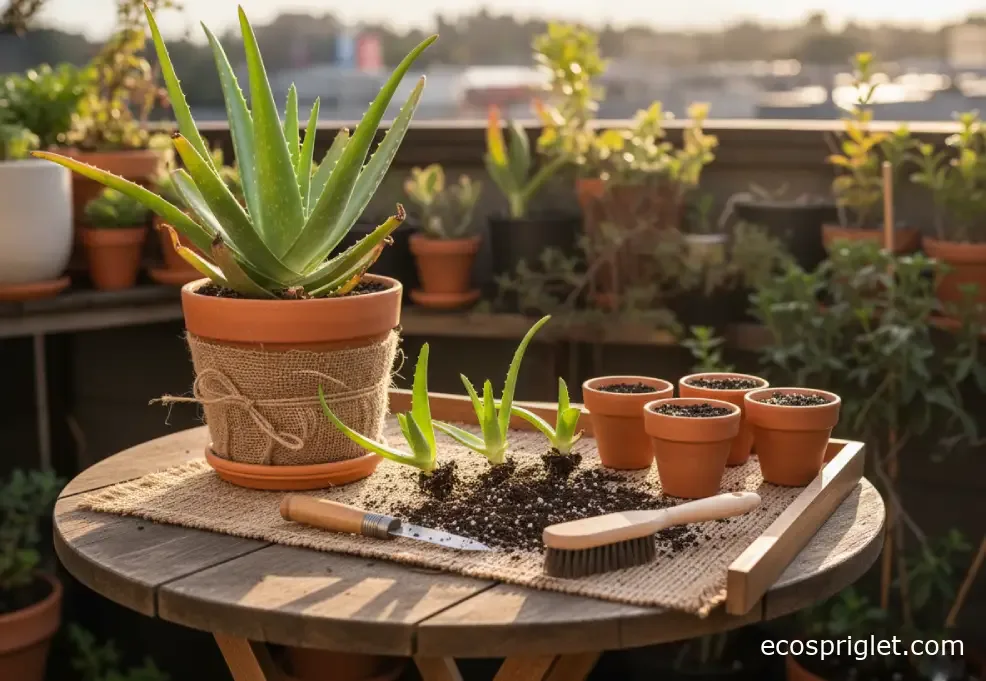
Image source: Bing (Web (fair-use with source credit))
Keep an eye on spacing as the plant matures. Clumping varieties fill their pots quickly. When the rosettes press hard against the pot rim, it is time to divide them again or move up one pot size.
Never jump to a massive pot. Too much empty soil holds excess water and drowns the shallow roots.
Is a Japanese Aloe Right for Your Space?
Choosing the right spot depends entirely on your available light and space. These compact rosettes thrive in small apartments, sunny windowsills, and tight dish gardens. They do not need the sprawling floor space that standard medicinal aloes demand.
If you live in USDA Hardiness Zones 9 through 11, they handle outdoor rock gardens beautifully year round.
Indoor growers get the best results near east or south facing windows. The plant needs four to six hours of bright light daily. Direct afternoon sun through glass can scorch the narrow leaves.
Filtered light keeps the white spotting intact without burning the tissue.
Think about who this plant actually serves. It is perfect for beginners who forget to water their houseplants. The shallow root system forgives missed watering schedules easily.
It also suits collectors who want visual variety without managing massive pots.
Pet owners need to exercise caution here. According to the ASPCA, aloes contain saponins and anthraquinones. These compounds cause vomiting and diarrhea if cats or dogs chew the leaves.
Keep the pot elevated on a high shelf or hanging planter if you have curious pets.
Here is a quick breakdown of where this plant fits best.
| Environment | Suitability | Key Requirement |
|---|---|---|
| Small apartment | Excellent | Bright windowsill |
| Outdoor patio (Zone 9+) | Great | Afternoon shade |
| Terrarium / Dish garden | Good | Very gritty soil mix |
| Low light room | Poor | Will etiolate quickly |
| Homes with chewing pets | Risky | Must be kept out of reach |
Do not buy this plant expecting large harvests of soothing gel. The leaves are too narrow and thin compared to Aloe barbadensis. You can use the sap for minor scrapes in a pinch.
Just know it is primarily an ornamental succulent rather than a medicinal crop.
Traditional Japanese Kampo medicine historically used Aloe vera var. chinensis for digestion. That specific variety has slightly thicker leaves than Aloe aristata. Still, modern safety standards advise against consuming raw aloe internally without professional guidance.
Stick to using it as a striking visual addition to your collection.
Frequently Asked Questions
How often should I water my Japanese aloe?
Water only when the soil is completely dry. In summer, this usually means every two to three weeks. During winter dormancy, stretch that to four or six weeks.
Always check the soil with your finger before adding water. Plump leaves mean the plant has enough moisture.
Why are the white spots disappearing from my plant?
Intense direct sunlight causes the white speckling to fade. This is a natural stress response, not a disease. Move the plant to bright, indirect light.
The spots typically return within a few weeks. Avoid harsh afternoon sun through glass windows.
Is the Japanese aloe toxic to cats and dogs?
Yes, it is toxic to household pets. The leaves contain saponins that cause stomach upset if ingested. Symptoms include vomiting and diarrhea.
Keep the plant on high shelves or in rooms your pets cannot access. Contact a veterinarian immediately if your pet chews the leaves.
Can I grow this aloe outdoors all year?
You can grow it outdoors year round in USDA Zones 9 through 11. Temperatures must stay above 40°F to prevent cold damage. If your area experiences frost, bring the pot indoors before winter.
Blackened, mushy leaves indicate the plant got too cold.
How big does a Japanese aloe get?
Most varieties stay very compact. Mature plants typically reach 6 to 12 inches tall and spread about 8 inches wide. They grow slowly compared to standard medicinal aloes.
A 4 to 6 inch pot usually supports them for years before repotting becomes necessary.
What is the difference between Japanese aloe and regular aloe?
Regular aloe (Aloe barbadensis) grows tall with thick, broad, solid green leaves meant for gel harvesting. Japanese varieties stay short and form tight rosettes. Their leaves are narrow, heavily spotted, and feature sharp white teeth along the edges.
They serve mostly as ornamental plants rather than medicinal sources.

Similar Posts