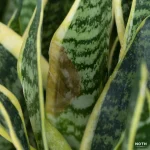
Will Dawn Dish Soap Hurt Plants? What You Need to Know
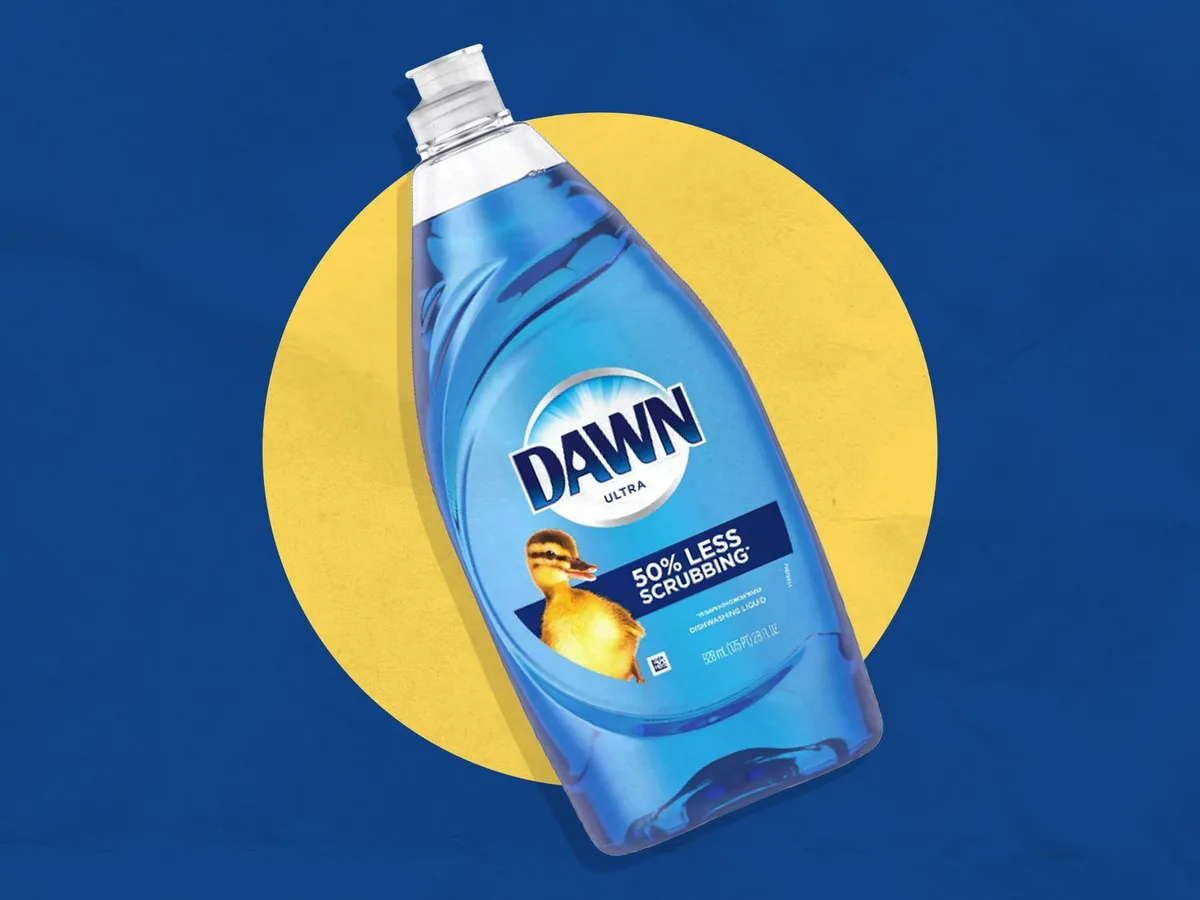
If you are wondering, "will dawn dish soap hurt plants," the answer depends on your mix. That blue bottle under the sink is a powerful degreaser. It strips oils off dirty pans in seconds.
It does the exact same thing to plant leaves if you use too much.
Image source: Web (Bing) / allrecipes.com (Web image (fair-use with source credit))
University extension research confirms that soap sprays only work safely below a 2 percent concentration. Anything stronger causes rapid phytotoxicity and permanent tissue damage. Let's look at exactly how this works so you can protect your garden.
Quick Answer
Dawn dish soap can hurt plants if mixed too strong. It strips the protective waxy layer off leaves. Use only a quarter teaspoon per quart of water.
Always rinse the leaves after two hours. Never spray plants sitting in direct sunlight.
How Dawn Works on Bugs (And Why It Strips Plant Cuticles)
Dawn dish soap is not a registered pesticide. It functions as a surfactant. A surfactant breaks the surface tension of water.
This allows the liquid to spread evenly across surfaces instead of beading up and rolling off.
When you spray diluted Dawn on soft bodied insects like aphids or spider mites, the soapy water coats their bodies. It blocks their spiracles. Spiracles are the tiny pores insects use to breathe.
Without air, they suffocate quickly.
The problem is that your plants have a protective barrier too. Every leaf is covered by a thin waxy layer called the epicuticular wax or plant cuticle. This wax prevents water loss and shields the leaf from ultraviolet radiation.
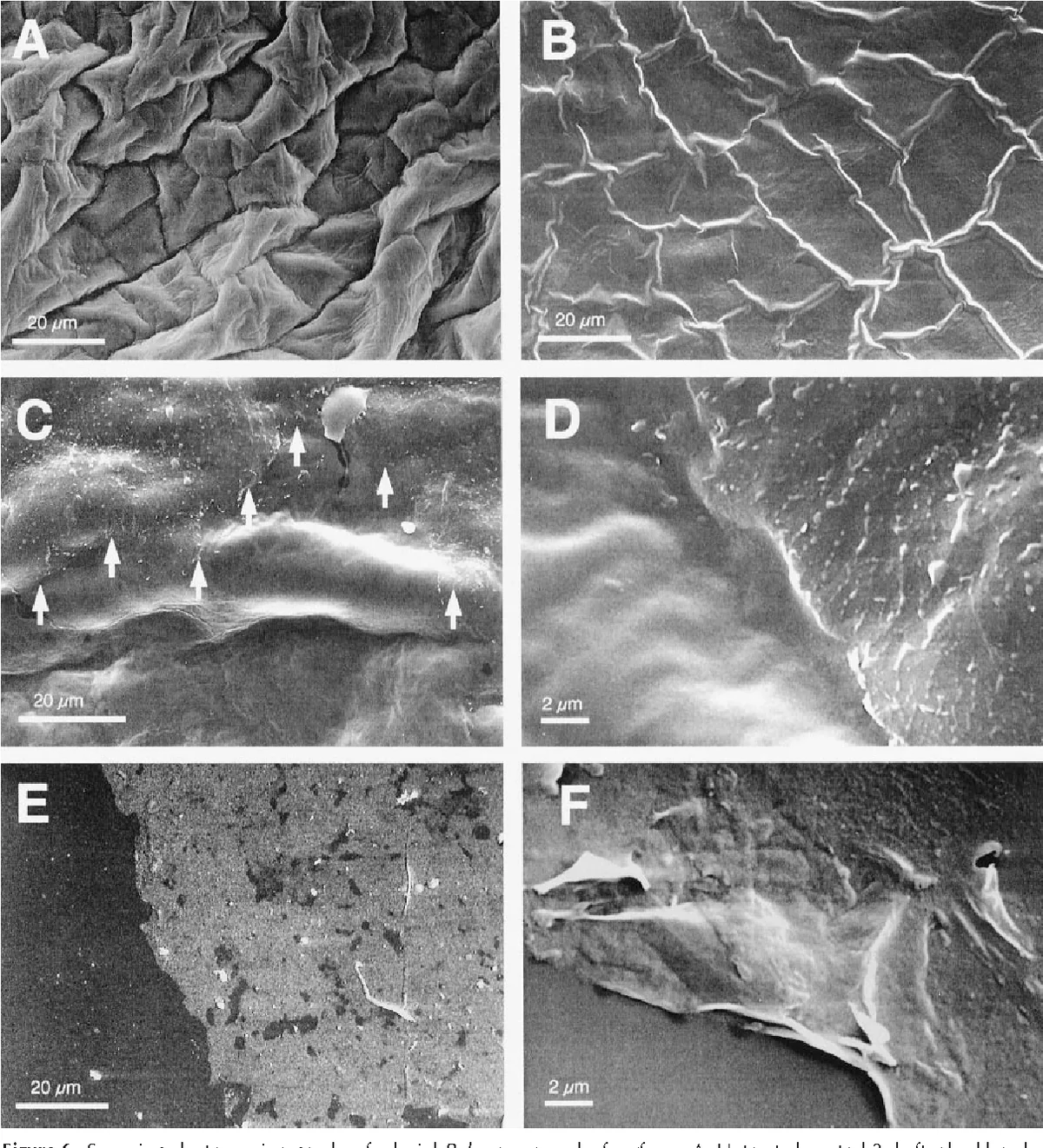
Image source: Web (Bing) / semanticscholar.org (Web image (fair-use with source credit))
Dawn contains synthetic detergents like sodium lauryl sulfate. These chemicals are engineered to dissolve heavy grease. When applied to foliage, they dissolve the plant cuticle just as easily as bacon fat on a skillet.
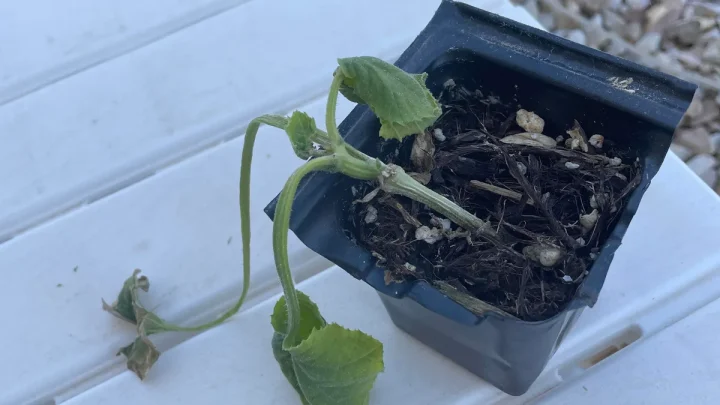
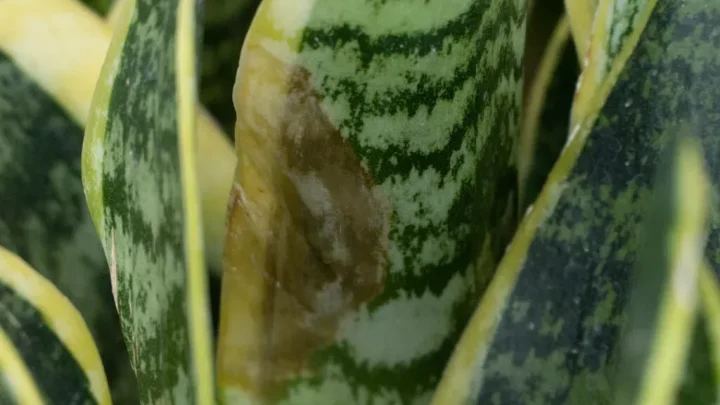
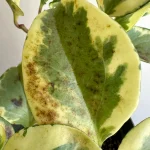
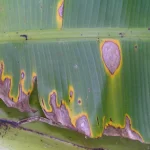
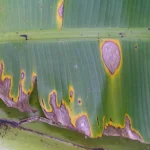
Once that wax is gone, the leaf loses moisture rapidly. You will notice yellowing edges and crispy brown patches within a day or two. The stomata, which are the pores the plant uses for gas exchange, can also become clogged with dried soap residue.
According to integrated pest management guidelines from UC IPM, repeated applications of harsh detergents cause cumulative desiccation. The plant spends all its energy trying to repair cellular damage instead of growing new roots or flowers.
Hard shelled pests like adult beetles or armored scale insects do not even care about soap sprays. Their thick exoskeletons block the liquid entirely. You end up damaging your plant tissue without actually solving the underlying pest problem.
This is why understanding the mechanics matters. You are using a kitchen degreaser as a contact insecticide. It works through physical action rather than chemical poisoning.
Respect the chemistry, and your plants stay healthy.
The Decision Tree: When to Use Dawn and When to Skip It
Not every pest problem requires a bottle of dish soap. Not every plant can handle it either. Use this decision tree to figure out if Dawn is the right move for your specific situation today.
First, identify the pest. If you are dealing with aphids, whiteflies, mealybugs, or spider mites, proceed to the next step. If you see caterpillars, hard scale, or Japanese beetles, stop.
Dawn will not work on them.
Second, check the plant type. Sturdy plants like tomatoes, peppers, and roses generally tolerate very dilute soap sprays well. Delicate plants like ferns, sweet peas, or African violets react poorly.
If your plant has fuzzy leaves, skip the soap entirely.
Third, evaluate the environment. Are you in an arid climate with intense afternoon sun? High heat accelerates leaf scorch when soap is present.
If temperatures are above 85 degrees Fahrenheit, wait for a cooler day.
Fourth, consider your water source. If you live in a region with extremely hard water, the calcium reacts with the soap. It forms an insoluble scum that blocks leaf pores faster than the soap itself.
Use distilled water or collected rainwater instead.
Here is a quick reference guide to help you decide based on our research into common home gardening scenarios.
| Condition | Action to Take |
|---|---|
| Soft bodied bugs on sturdy plants | Proceed with highly diluted Dawn spray |
| Hard shelled bugs on any plant | Skip Dawn and hand pick or use horticultural oil |
| Fuzzy or thin leaved houseplants | Skip Dawn and use commercial insecticidal soap |
| Temperatures over 85F outside | Wait until evening or choose another treatment |
| Near koi ponds or storm drains | Skip Dawn due to aquatic toxicity risks |
If you hit a "skip" condition, do not force it. The risk of phytotoxicity far outweighs the convenience of using what is already in your kitchen sink.
Remember that Dawn is an emergency tool. It is not a long term maintenance strategy. Relying on it weekly will degrade the epicuticular wax faster than the plant can regenerate it between treatments.
Step by Step Workflow: Mixing, Patch Testing, and Spraying Safely
If your decision tree gave you the green light, you need a strict process. Sloppy mixing is how people accidentally kill their favorite houseplants. Follow these steps exactly as written.
Gather Your Materials
You only need three things for this workflow. Grab the original blue Dawn dish soap. Avoid antibacterial versions or heavily scented variants.
Those extra additives harm beneficial soil microbes if they drip into the pot.
You also need a clean spray bottle and fresh water. As mentioned earlier, use distilled or rain water if your tap water is hard. Hard water minerals create soap scum directly on the leaf surface.
Mix the Correct Dilution Ratio
Measure exactly one quart of water. That is 32 fluid ounces. Add no more than one quarter teaspoon of Dawn to the water.
Swirl the bottle gently to combine everything. Do not shake it violently, or you will create a bottle full of useless foam.
This creates roughly a 0.5 percent solution. University extension testing shows this low concentration suffocates pests while minimizing cuticle damage. Going up to half a teaspoon is the absolute maximum limit for stubborn infestations.
Never exceed one teaspoon per quart. At that concentration, you are essentially washing your plant's protective armor down the drain.
Run a Patch Test
Pick one single leaf near the bottom of the plant. Spray it thoroughly with your mixture. Wait a full 24 hours before doing anything else.
Check that leaf for spotting, browning, or wilting.
If the test leaf looks perfectly normal, your dilution is safe for the rest of the plant. If it looks burned or crispy, dump the mixture out. Your plant is too sensitive for Dawn, or your water chemistry is reacting badly with the detergent.
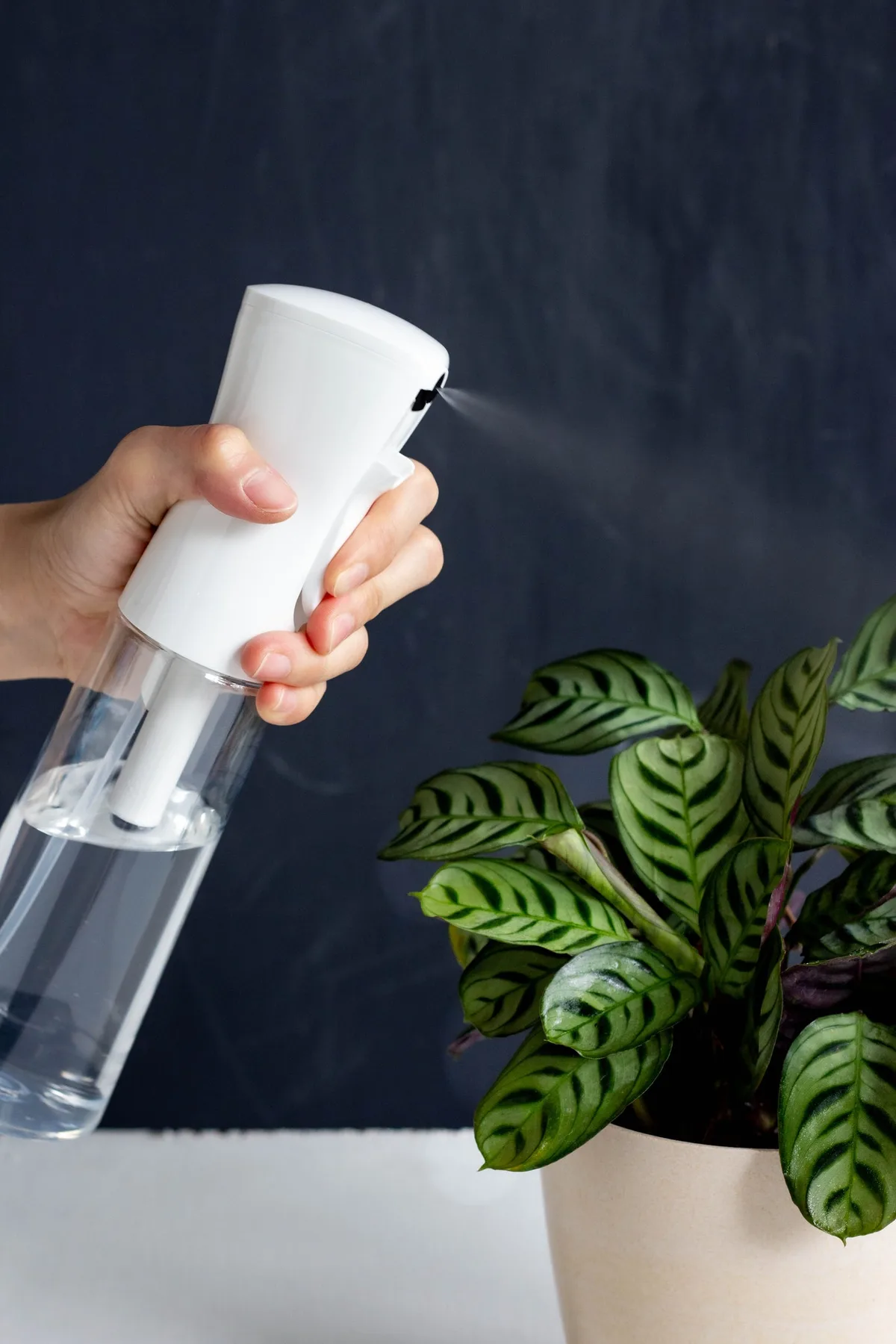
Image source: Bing (Web (fair-use with source credit))
Apply the Foliar Spray
Spray early in the morning or late in the evening. Direct sunlight combined with wet soap guarantees severe UV leaf burn. Target the undersides of the leaves where pests actually hide and lay their eggs.
Try to shield the soil during application. Lay a plastic bag over the pot if you are treating indoor plants. Detergent drenching the root zone disrupts mycorrhizal fungi networks that help roots absorb nutrients.
Let the spray sit for about two hours. That gives the surfactant enough time to coat the insects and block their spiracles. After two hours, rinse the entire plant with plain fresh water.
Rinsing stops the soap from continuing to eat away at the leaf wax. It also clears the stomata so the plant can resume normal respiration. Repeat this process every five to seven days only if the pest population returns.
Dawn vs. Insecticidal Soap vs. Castile Soap: Which Should You Actually Use?
People often use the words "soap" and "detergent" interchangeably. They are completely different chemicals. Understanding this difference explains why garden centers sell dedicated plant sprays alongside the dishwashing aisle.
Dawn is a synthetic detergent. Its active ingredients are petroleum based surfactants like sodium lauryl sulfate. These molecules are incredibly aggressive against lipids and fats.
That makes them brilliant for greasy pans but harsh on living plant tissue.
True insecticidal soap relies on potassium salts of fatty acids. These are derived from natural plant or animal fats. They kill soft bodied insects through the exact same suffocation mechanism.
However, they break down rapidly in sunlight and soil.
Because they lack heavy synthetic degreasers, true insecticidal soaps leave the plant cuticle mostly intact. They are specifically formulated and tested for foliar application. Brands registered with the EPA as minimum risk pesticides carry clear usage labels.
Castile soap sits somewhere in the middle. Products like Dr. Bronner's are true soaps made from saponified vegetable oils.
They are gentler than Dawn but still contain essential oils and fragrances that can irritate sensitive foliage.
Here is how they stack up side by side based on aggregate product specifications and extension research data as of 2026.
| Feature | Dawn Dish Soap | True Insecticidal Soap | Liquid Castile Soap |
|---|---|---|---|
| Active Ingredient | Synthetic detergents | Potassium salts of fatty acids | Saponified vegetable oils |
| Cuticle Damage Risk | High if overmixed | Very Low | Moderate |
| Soil Breakdown Rate | Slow | Rapid | Moderate |
| Best Application | Emergency outdoor use | Routine indoor and outdoor care | Light spot treatments |
| Cost Per Quart | Under 5 cents | Around 15 cents | Around 10 cents |
If you have a sudden aphid explosion on a tough outdoor tomato plant, Dawn works fine in a pinch. Just keep the dilution incredibly weak. It costs pennies and is always available in your kitchen.
For delicate indoor orchids or weekly preventive maintenance, buy actual insecticidal soap. The slightly higher cost prevents expensive heartbreak when a prized plant suffers irreversible chemical burns from synthetic degreasers.
Avoid using dish soaps with added bleach, antibacterial agents, or heavy citrus solvents. Those extra chemicals introduce variables that university researchers have never tested for foliar safety. Stick to the plain original formula if you must use Dawn.
Mistakes That Cause Leaf Burn and Soil Damage
Most plant damage from dish soap comes down to three specific errors. You either mix it too strong, spray at the wrong time, or forget to rinse. Fix these habits, and your plants stay safe.
Are you mixing the ratio by eye?
Guessing the amount of soap is the fastest way to cause chemical burns. A heavy squeeze from the bottle easily pushes your concentration past 2 percent. At that level, synthetic detergents dissolve the epicuticular wax almost immediately.
Always use actual measuring spoons for your mixture. One quarter teaspoon per quart of water is the strict limit. If you cannot measure it accurately, do not spray it on your plants.
Are you spraying in direct sunlight?
Wet leaves in hot sun are a recipe for disaster. The water droplets act like tiny magnifying glasses against the foliage. Soap makes this worse because it prevents the water from beading up and rolling off.
The soapy film spreads out and bakes directly into the leaf tissue. You will see scorched brown patches within hours. Only apply sprays when the plant is completely shaded or the sun has set.
Are you letting the soap pool in the soil?
Dawn is not meant to accumulate in your root zone. Heavy runoff drenches the potting mix with sodium lauryl sulfate. This kills beneficial mycorrhizal fungi that help roots absorb phosphorus and water.
Place a plastic bag over the soil before spraying indoor pots. Outside, aim strictly for the foliage rather than drenching the base. If soap does spill heavily into the dirt, flush the pot thoroughly with plain water.
Repeated applications without rinsing leave a sticky residue behind. This dried soap clogs the stomata permanently. The plant slowly suffocates because it can no longer exchange carbon dioxide properly.
Frequently Asked Questions
Can I spray Dawn on edible vegetables?
Yes, but you must wash the produce thoroughly before eating it. Stick to the one quarter teaspoon per quart dilution rate. Rinse the vegetable plants with fresh water two hours after application.
Never spray close to harvest day if you can avoid it.
Does Dawn kill beneficial insects like bees?
Wet soapy water harms bees and ladybugs on contact. It coats their bodies just like it coats aphids. Spray very early in the morning or late at evening when pollinators are inactive.
Avoid spraying open flowers entirely to protect visiting bees.
How often can I treat my plants with soap?
Limit applications to once every five to seven days. Plants need time to regenerate their protective waxy cuticle between treatments. Spraying daily guarantees severe desiccation and permanent leaf damage.
Stop spraying completely once the pest population disappears.
Will Dawn kill fungus gnats in houseplant soil?
No, pouring soapy water into the soil is a bad idea. It damages delicate root hairs and destroys healthy soil biology. Fungus gnats live deep in the moist potting mix where surface sprays cannot reach them.
Use yellow sticky traps or let the top inch of soil dry out instead.
Why did my plant leaves turn white after spraying?
White crusty spots usually mean hard water reacted with the soap. Calcium and magnesium form insoluble scum when mixed with synthetic detergents. This scum dries directly onto the leaf surface and blocks light absorption.
Switch to distilled water or collected rainwater for your next batch.

Similar Posts