Shou Sugi Ban Raised Beds: The Ultimate Gardening Guide
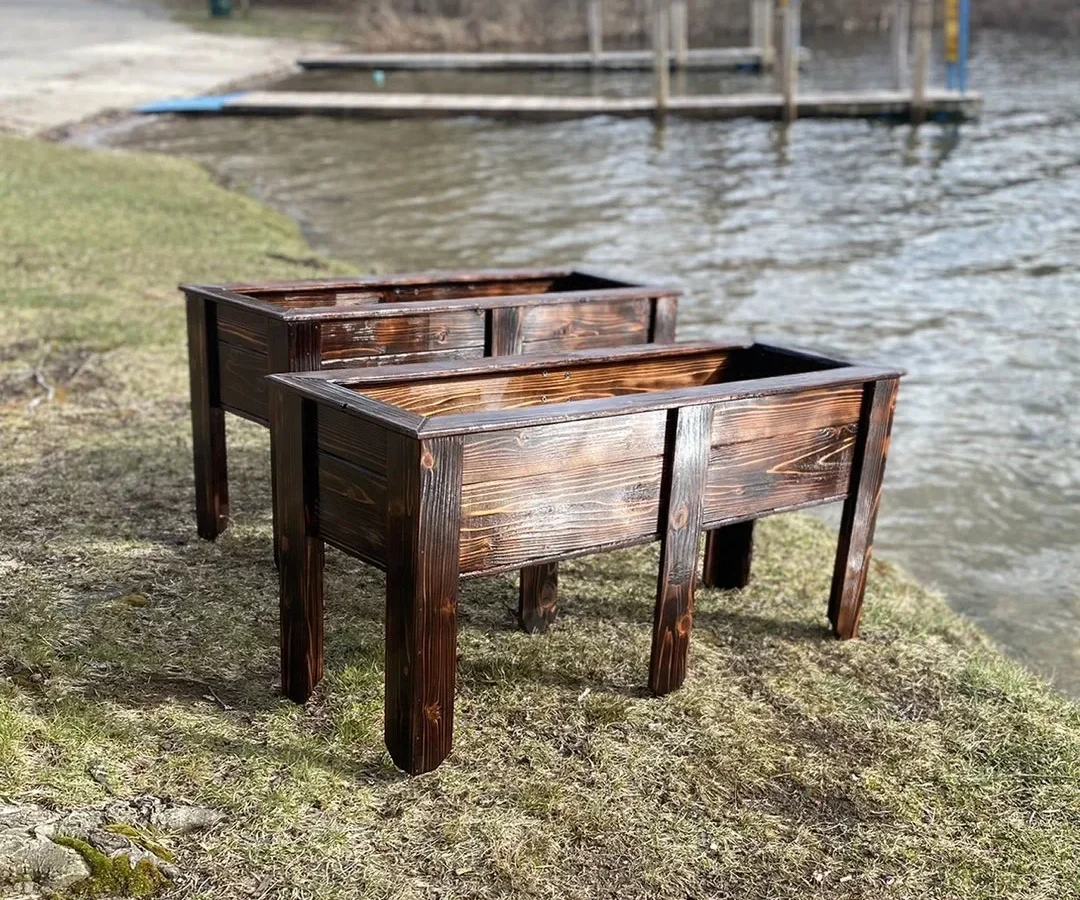
Building shou sugi ban raised beds solves the biggest problem with wooden garden boxes. Untreated wood rots fast, and chemical treatments leach into your soil. This Japanese technique uses fire to carbonize the wood surface.
That creates a natural barrier against moisture and pests.
You don't need expensive lumber to make this work. Our research shows properly charred softwood lasts 10 to 20 years in ground contact. The USDA Forest Service confirms that carbonized wood resists fungal decay naturally.
Let's walk through exactly how to build these beds safely.
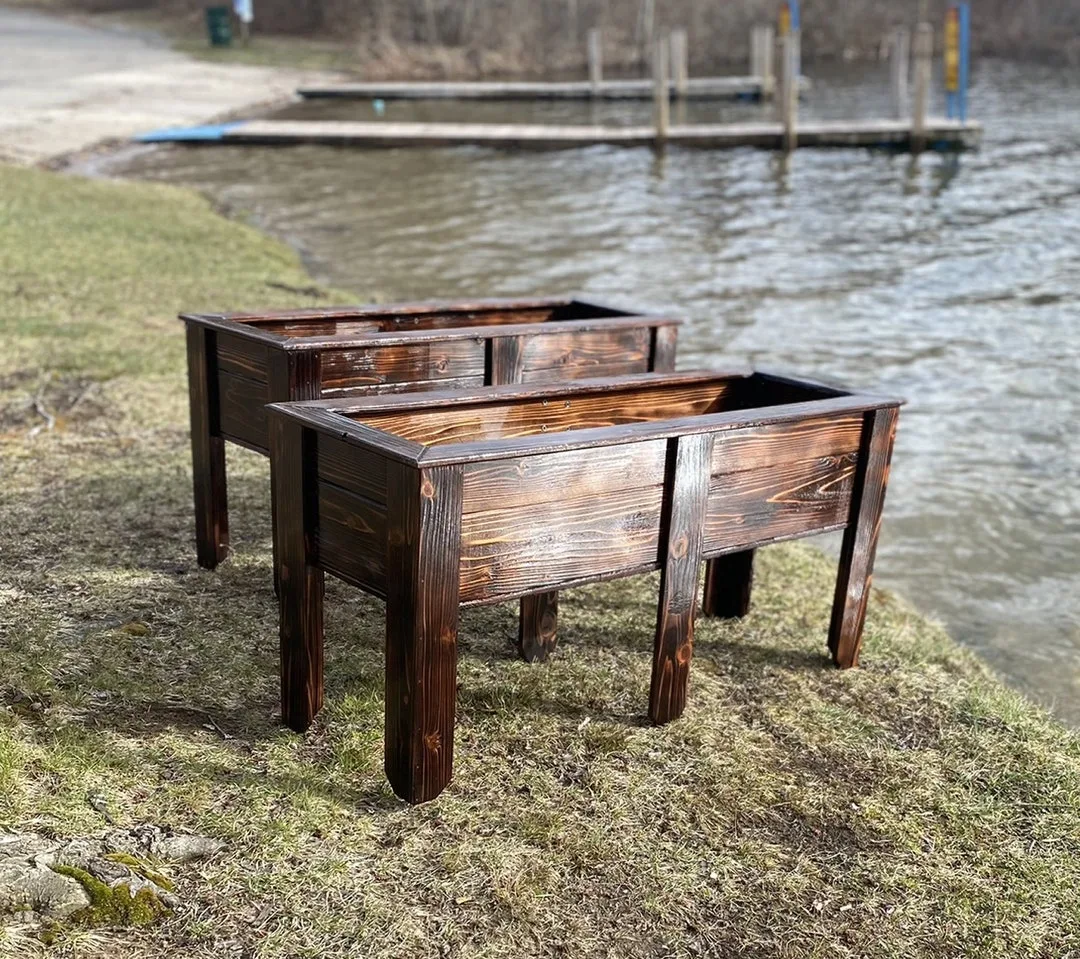
Image source: Web (Bing) / etsy.com (Web image (fair-use with source credit))
Quick Answer
Shou sugi ban raised beds use fire to preserve wood. The charring process creates a natural rot barrier. You burn the boards until black.
Then you brush off loose soot and seal them. This keeps chemicals out of your garden soil.
Why Untreated Wood Fails in Raised Beds (And How Shou Sugi Ban Fixes It)
Wood touching wet soil starts decaying almost immediately. Fungi and bacteria break down the cellulose fibers. Termites and carpenter ants move in shortly after.
If you grow vegetables, you can't just buy cheap pressure-treated pine. Older treatments used copper arsenate, which is toxic. Modern treatments use copper azole or alkaline copper quaternary compounds.
These are safer but still introduce heavy metals near food crops.
That leaves raw cedar or cypress as common choices. They contain natural oils that resist rot. But those oils wash out over time.
A raw cedar bed might last five years before the bottom boards fail. Shou sugi ban, also called yakisugi, changes the wood chemistry entirely.
The process burns the outer layer of the board. This converts the cellulose into pure carbon. Fungi cannot eat carbon.
Insects find no nutritional value in it. The charred layer acts like armor for the softer wood underneath. You get the safety of untreated lumber with double the lifespan.
This matters most if you practice no-dig gardening. Those methods keep soil constantly moist against the wood walls. Aggregate user reviews show that unsealed wood fails quickly under those conditions.
Charring gives you a reliable way to keep organic practices without replacing beds every few seasons.
Choosing Your Variables: Wood Species, Char Depth, and Finish
Your final bed depends on three main decisions. Pick the wrong wood, and it burns too fast. Pick the wrong finish, and soot flakes into your carrots.
Here is how to choose based on your specific situation.
Which wood should you use?
Softwoods work best because they char evenly. Hardwoods tend to scorch on the outside while staying raw inside. Western Red Cedar is the top choice for longevity.
Cypress and Douglas Fir are excellent budget alternatives. Pine works if you are on a tight budget, but it chars faster and loses more thickness. Avoid any painted or reclaimed wood where you don't know the history.
Burning old paint releases toxic fumes.
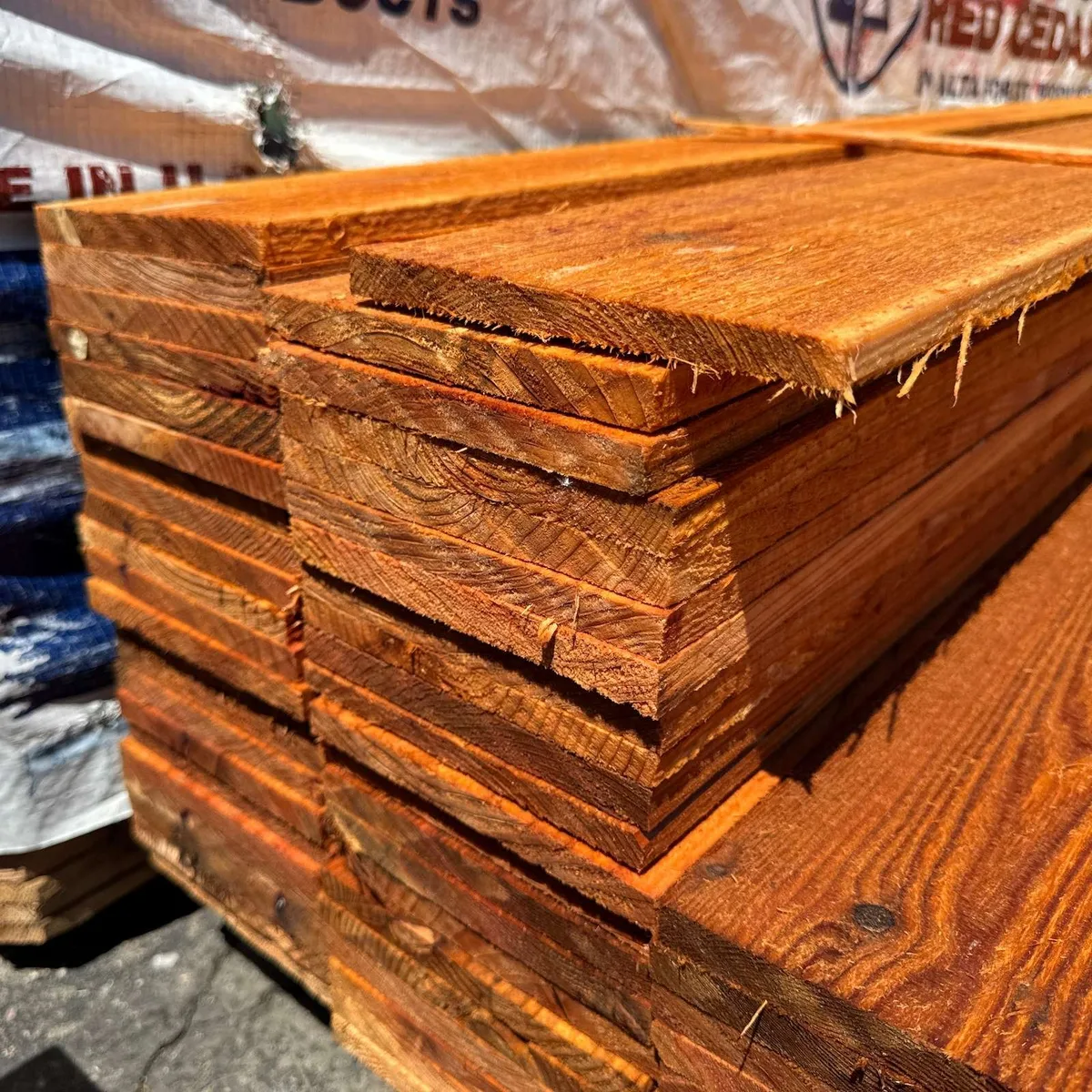
Image source: Web (Bing) / rmfp.com (Web image (fair-use with source credit))
How deep should the char be?
If you live in a wet climate like the Pacific Northwest, aim for a deep alligator skin texture. This means burning until the surface cracks into thick scales. You will lose about 1/8 inch of thickness per side.
If you live in a dry climate, a lighter brownish-black char is plenty. Deep charring thin boards weakens them structurally. Always start with nominal 2-inch thick boards if you plan to char deeply.
What finish is safe for edibles?
Never use polyurethane or standard deck stains on garden beds. Pure tung oil is the safest option for food gardens. Raw linseed oil also works well.
Do not buy "boiled" linseed oil from a hardware store. It contains metallic drying agents that you don't want near root vegetables. Apply the oil after brushing off the loose soot.
It locks the carbon layer in place and stops it from rubbing off on your hands.
| Variable | Best Choice | Budget Alternative | Avoid |
|---|---|---|---|
| Wood Species | Western Red Cedar | Douglas Fir | Painted or unknown reclaimed wood |
| Char Depth | Alligator skin (wet climates) | Light brown char (dry climates) | Burning completely through the board |
| Board Thickness | 2-inch nominal | 1-inch nominal | Thin paneling or lattice |
| Finish Oil | Pure tung oil | Raw linseed oil | Boiled linseed oil or polyurethane |
The Build Workflow: From Raw Lumber to Finished Yakisugi Bed
Building these beds follows a strict sequence. If you assemble the box first, you can't char the joints properly. Burn the individual boards first, then build the frame.
Here is the exact workflow.
Step 1: Cut and prep the wood
Cut your boards to the final dimensions of your raised bed. Sanding is optional. Rough-sawn lumber actually takes the char better because the textured surface holds more carbon.
Make sure the wood is completely dry. Wet wood steams instead of burning, leaving an uneven finish.
Step 2: Burn the boards
Use a propane torch or weed burner. Keep the flame moving at roughly one foot every three to five seconds. If you hold it in one spot, you will ignite the board rather than carbonize it.
Work outdoors on bare dirt or concrete. Have a water hose ready.
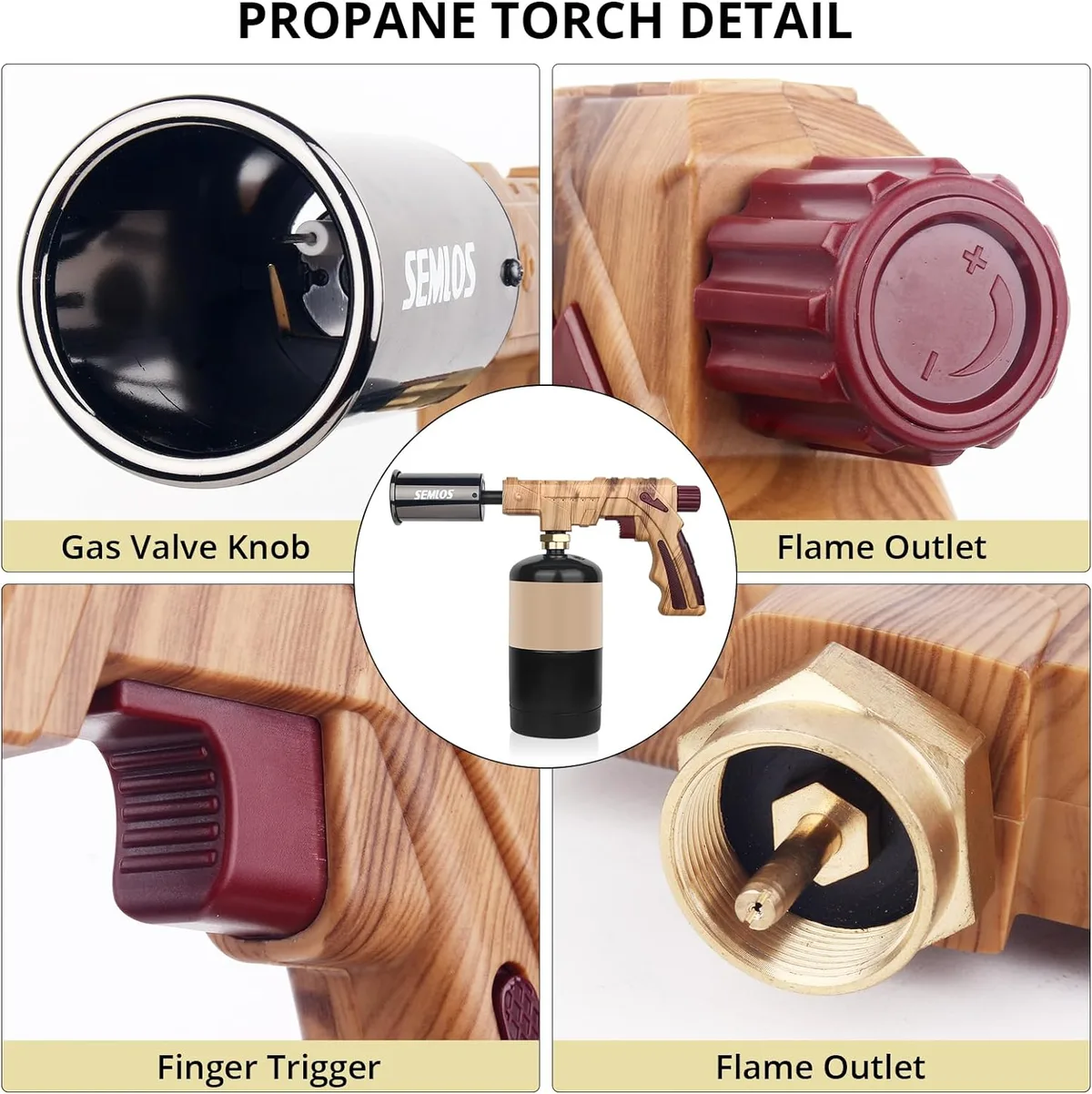
Image source: Web (Bing) / sousvideidea.com (Web image (fair-use with source credit))
Step 3: Quench and cool
Some builders spray the boards lightly with water to stop the burning. Others let them air cool. If you use water, do it quickly.
Soaking the charred wood can cause it to warp severely as it dries again. Let the boards sit for 24 hours until they reach ambient temperature.
Step 4: Brush off the soot
Take a stiff brass or stainless steel wire brush. Scrub along the grain of the wood. This removes the loose, powdery carbon that would otherwise fall into your soil.
You want the hard, cracked texture left behind. Wipe the boards down with a dry rag afterward.
Step 5: Seal and assemble
Apply your pure tung oil with a brush or rag. Let it cure according to the manufacturer instructions, usually 48 to 72 hours. Once dry, assemble the bed using exterior-grade stainless steel screws.
Standard coated screws will rust out long before the charred wood fails. Line the inside bottom with landscape fabric if you want extra protection between the soil and the char.
Shou Sugi Ban vs. Pressure-Treated Pine and Galvanized Steel
You have other options for building raised beds. Each material behaves differently depending on your goals. Here is how shou sugi ban compares to the two most common alternatives.
Shou sugi ban vs. pressure-treated pine
Pressure-treated pine is cheaper and faster to build with. You just buy it and screw it together. But university extension programs consistently advise keeping modern treated wood away from direct root zones for edibles.
Shou sugi ban requires hours of manual labor. The tradeoff is zero chemical exposure. If you are growing flowers or ornamentals, treated pine makes sense.
For tomatoes and leafy greens, the charred wood is the safer route.
Shou sugi ban vs. galvanized steel
Galvanized steel beds last decades with zero maintenance. They are popular for urban homesteads. But metal conducts heat rapidly.
In hot summer climates, the soil near the edges bakes plant roots. Charred wood provides natural insulation. It buffers soil temperature much better than thin steel panels.
Steel also costs significantly more upfront.
| Feature | Shou Sugi Ban Wood | Pressure-Treated Pine | Galvanized Steel |
|---|---|---|---|
| Expected Lifespan | 10 to 20+ years | 5 to 10 years | 20 to 30+ years |
| Chemical Safety | Completely natural | Contains copper compounds | Zinc coating (generally safe) |
| Soil Temperature | Insulates well | Insulates well | Heats up rapidly in sun |
| Labor Required | High (burning and brushing) | Low (cut and assemble) | Low (bolt together kits) |
| Upfront Cost | Medium (lumber plus fuel) | Low | High |
Choose charred wood if you want natural materials and don't mind the physical work. Choose steel if you want a permanent installation with zero ongoing effort. Per EPA guidelines, avoiding unnecessary chemical exposure in food gardens remains a priority for home growers as of 2026.
Mistakes That Ruin the Char or Contaminate Your Soil
Building shou sugi ban raised beds is straightforward, but a few errors will ruin the project. Most failures come from rushing the burn or skipping the sealing step. Here is what to watch out for.
Burning too deep or too shallow
If you move the torch too slowly, you burn past the carbon layer into raw ash. The board loses its structural strength. A 1-inch board burned too aggressively becomes brittle.
If you move too fast, you only toast the surface. That light brown color offers very little rot resistance. You need actual black carbon cracking to get the protective benefits.
Skipping the wire brushing
This is the most common mistake we see in aggregate user reviews. Builders burn the wood, oil it, and put it straight into the garden. Unbrushed char is basically thick soot.
The first heavy rain washes it directly into your soil. While pure carbon isn't highly toxic, it alters soil pH and looks terrible. Always brush the boards down to the hard alligator texture before sealing.
Using the wrong fasteners
Charred wood resists rot beautifully. Cheap zinc-plated screws do not. Within three years, the screws snap under the weight of wet soil.
The bed falls apart even though the wood is perfectly fine. Always spend the extra money on stainless steel or heavily coated exterior structural screws.
Ignoring local fire rules
Burning lumber in your driveway seems harmless. But many municipalities enforce strict open-burn bans during dry seasons. Check your local county fire ordinances before firing up a propane torch.
You also need a P100 mask when wire brushing. Inhaling fine carbon dust irritates the lungs quickly. Treat this like any other construction project where safety gear matters.
Frequently Asked Questions
How long do shou sugi ban raised beds last?
Properly charred and oiled softwood lasts 10 to 20 years in ground contact. The carbon layer blocks moisture and fungal decay entirely. If you skip the oil finish, expect that lifespan to drop by half.
Reapply pure tung oil every two or three years to maintain protection.
Is the ash from charring safe for vegetable gardens?
Pure wood carbon is generally inert and safe around edibles. The risk comes from loose soot altering your soil pH if left unbrushed. Always wire brush the boards down to the hard texture before assembly.
This prevents powdery residue from washing into your root zones during heavy rain.
Can I use pine instead of cedar for this project?
Pine works but burns much faster than Western Red Cedar. You will lose more thickness during the charring process. Start with nominal 2-inch pine boards to compensate for that material loss.
Aggregate user reviews suggest pine beds require more frequent oil maintenance than cedar ones.
Do I need to line the inside of the bed?
Lining is optional but helpful if you want zero carbon transfer. Heavy-duty landscape fabric stapled to the inside walls keeps moist soil off the char. This extends the life of the finish significantly.
It also makes cleaning out old soil much easier between planting seasons.
What torch size is best for burning garden lumber?
A standard weed burner attached to a 20-pound propane tank works perfectly. Smaller handheld culinary torches take far too long for full boards. Keep the flame tip roughly two inches from the wood surface.
Move steadily to avoid igniting the fibers instead of carbonizing them.

Similar Posts