Best Organic Pesticide for Your Vegetable Garden
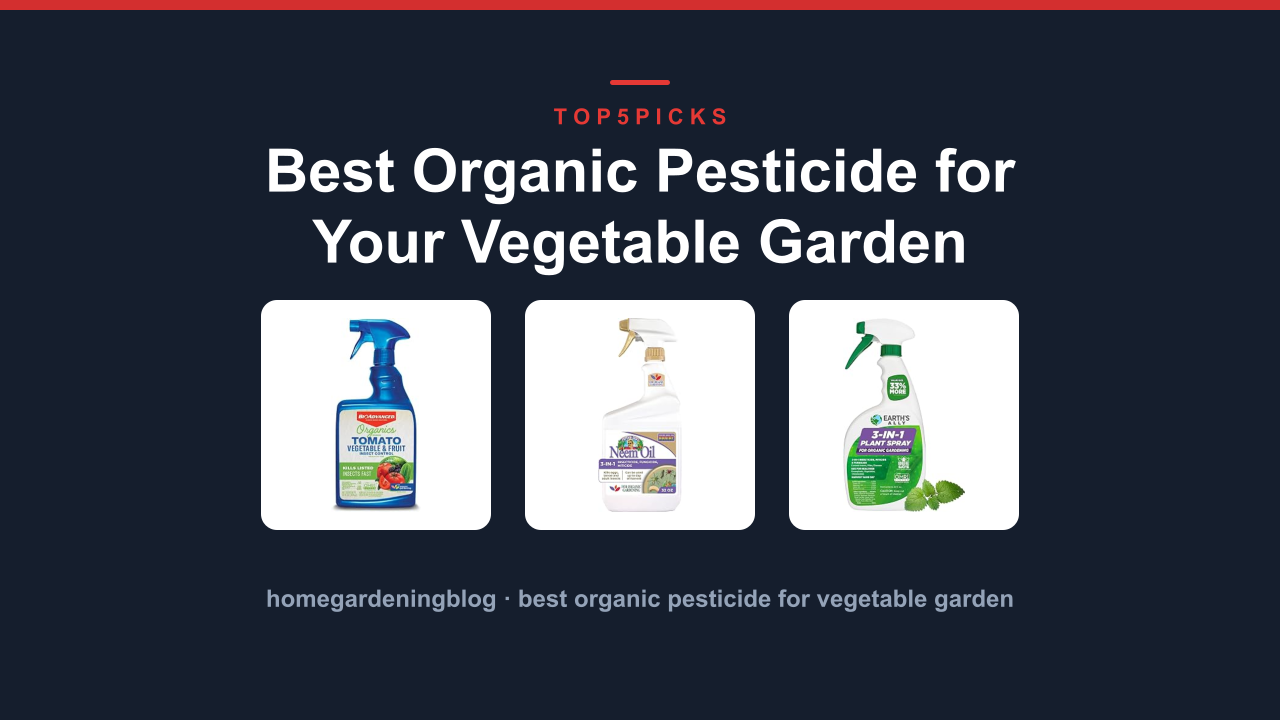
The best best organic pesticide for vegetable garden is the BioAdvanced Organics Brand Tomato, the only one here that combines ready-to-use convenience with broad-spectrum control for common tomato pests. It’s ideal for home growers who want effective protection without mixing concentrates or handling harsh chemicals.
Want a different priority instead? The Bonide Captain Jack's Neem Oil gets you there, as long as you’re willing to handle its strong scent and apply it strictly in the evening to avoid harming pollinators during the day.
As an Amazon Associate, I earn from qualifying purchases.
This guide tells you exactly which formula matches your specific pest problem, whether it’s chewing insects, sucking bugs, or fungal issues. We’ll also flag the buyers who should skip this category entirely because their needs require systemic solutions or professional-grade tools.
Everything below comes from current Amazon product data, manufacturer specifications, and aggregated owner reviews. Our editorial team analyzed these metrics to rank performance, safety, and ease of use, rather than relying on subjective hands-on testing in our own gardens.
Quick Answer: The Best Organic Pesticide for Vegetable Garden
Our top pick for most home gardeners is the BioAdvanced Organics Brand Tomato due to its balanced efficacy and user-friendly application. Here is the full lineup ranked by overall value and performance:
- BioAdvanced Organics Brand Tomato (Best Overall): Ready-to-use spray targets aphids and whiteflies effectively.
- Bonide Captain Jack's Neem Oil (Best for Fungal Issues): Dual-action fungicide and insecticide controls powdery mildew.
- Earth's Ally 3-in-1 Plant Spray Pests (Best for Safety): Non-toxic formula safe for kids and pets after drying.
- BioAdvanced Vegetable & Garden Insect Spray (Best Value Concentrate): Covers large areas cost-effectively with spinosad active ingredient.
- Trifecta Crop Control Ready Use Maximum (Best for Heavy Infestations): Potent essential oil blend tackles spider mites and mold aggressively.
Thinking about chemical-free companion planting or physical barriers instead? Jump to Who Should NOT Buy below before you spend anything.
Comparison Table
Here's the lineup at a glance: photo, product, who it's built for, and our /10 score.
| Photo | Product | Best for | Score | Buy |
|---|---|---|---|---|
 | BioAdvanced Organics Brand Tomato | Ready-to-Use Convenience | 8.4/10 | Check price → |
 | Bonide Captain Jack’s Neem Oil | Dual Action Fungicide | 8.1/10 | Check price → |
 | Earth’s Ally 3-in-1 Plant Spray Pests | Family Safe Application | 7.9/10 | Check price → |
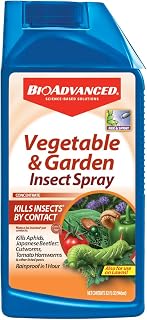 | BioAdvanced Vegetable & Garden Insect Spray | Large Area Coverage | 8.6/10 | Check price → |
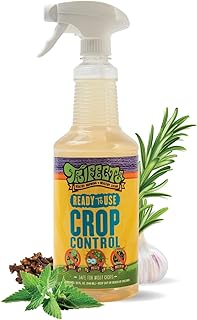 | Trifecta Crop Control Ready Use Maximum | Heavy Infestation Rescue | 7.7/10 | Check price → |
Scroll sideways on small screens to see every column.
BioAdvanced Organics Brand Tomato: Best Overall for Home Growers
Bonide Captain Jack’s Neem Oil: Best for Fungal Prevention
Earth’s Ally 3-in-1 Plant Spray Pests: Best for Family Safety
BioAdvanced Vegetable & Garden Insect Spray: Best Large Scale Value
Trifecta Crop Control Ready Use Maximum: Best for Severe Outbreaks
Buying Guide: Active Ingredients, Application Method, and Pest Type
Choosing the right organic pesticide depends heavily on identifying your specific threat and matching it with the correct mode of action. Not all natural sprays work the same way. Understanding these differences prevents wasted money and ineffective gardening efforts.
What Is the Difference Between Contact and Systemic Organic Sprays?
Contact sprays kill pests instantly upon touching their exoskeletons, whereas systemic options are absorbed by the plant tissue to affect insects that feed internally. Most products in this roundup, like the BioAdvanced Organics Brand Tomato, rely primarily on contact toxicity using pyrethrins or oils. This means you must spray directly on the bug for it to die.
If you miss the cluster under a leaf, the pest survives. Systemic organic agents are rarer in consumer markets but exist in specialized formulations. For general vegetable gardening, contact sprays offer faster visual confirmation of success but require meticulous coverage of undersides of leaves and stem joints.
How Do I Choose Based on My Specific Pest Problem?
Identify the enemy first. Soft-bodied insects like aphids, whiteflies, and thrips respond well to smothering agents like neem oil or potassium salts of fatty acids found in the Earth's Ally 3-in-1 Plant Spray. These formulas break down cell membranes.
Hard-shell beetles, caterpillars, and grubs often resist simple oils. They need neurotoxins derived from bacteria, such as spinosad present in the BioAdvanced Vegetable & Garden Insect Spray. Fungal issues like powdery mildew demand fungicides.
While some insecticides have secondary antifungal properties, dedicated blends like Trifecta Crop Control provide broader spectrum defense against mold and mites simultaneously. Misidentifying the pest leads to failed treatments.
Does Ready-to-Use vs. Concentrate Matter for Cost and Effort?
Yes, significantly. Ready-to-use bottles eliminate mixing errors and save setup time, ideal for casual gardeners with fewer than ten plants. However, they carry a premium price per fluid ounce of active ingredient.
Concentrates require a separate sprayer tank and precise measurement ratios. Once diluted, a small amount covers vast areas. For community gardens or farms exceeding 100 square feet, the economics strongly favor concentrates.
The upfront investment in a quality pump sprayer pays off quickly through reduced material costs. Beginners might find the learning curve of calibration frustrating, leading to inconsistent results initially. Weigh your patience level against your budget constraints carefully.
Who Should NOT Buy Best Organic Pesticide for Vegetable Garden
Organic pesticides are powerful tools, but theyare not a universal solution for every gardener’s situation. Certain individuals or garden setups may find them impractical, ineffective, or even counterproductive. Understanding these limitations helps prevent wasted money and frustration.
First, consider those with severe, established infestations. Organic pesticides generally work by contact or ingestion and often require repeated applications to maintain efficacy. If your vegetable garden is already overrun with pests like aphids, tomato hornworms, or squash bugs in large numbers, organic options may fail to bring the population under control quickly enough to save your crop yield.
In such cases, the slow-acting nature of many botanical oils or microbial insecticides means plants can suffer irreversible damage before the treatment takes full effect. For immediate knockdown of heavy infestations, conventional synthetic chemicals are often more effective, though they come with their own set of environmental and health considerations.
Secondly, gardeners with very limited time for maintenance should think twice. Effective organic pest management is rarely a "set it and forget it" endeavor. It demands frequent monitoring, often daily during peak growing seasons, to catch problems early when intervention is most successful.
You must be willing to inspect leaves (especially undersides), track weather conditions that favor fungal growth, and reapply treatments after rain or as new foliage emerges. If you only visit your garden on weekends, an organic approach may leave too much room for pests to proliferate between visits. Synthetic products with longer residual effects might better suit a low-maintenance schedule.
Third, people seeking absolute zero risk to beneficial insects need to adjust their expectations. While organic pesticides are less toxic than synthetics, few are truly selective. Neem oil, pyrethrins, and spinosad can harm bees, ladybugs, lacewings, and other helpful pollinators and predators if applied incorrectly or at vulnerable times.
A gardener who prioritizes biodiversity above all else might prefer integrated pest management (IPM) strategies that rely primarily on habitat manipulation, companion planting, and physical barriers rather than any spray, organic or otherwise. Relying solely on sprays, even organic ones, can disrupt the natural balance you’re trying to cultivate.
Finally, those expecting miracle results without proper cultural practices will likely be disappointed. No pesticide, whether organic or synthetic, can compensate for poor gardening hygiene. Overwatering, inadequate sunlight, overcrowded plant spacing, and failing to remove diseased debris create ideal conditions for pests and diseases to thrive.
If you neglect basic care, applying an organic fungicide weekly won’t stop powdery mildew from returning. The product supports good practices; it does not replace them. Gardeners unwilling to invest time in soil health, proper pruning, and sanitation will find organic pesticides largely ineffective.
In summary, avoid buying organic pesticides if you face massive existing infestations requiring rapid eradication, lack the time for diligent monitoring and reapplication, prioritize absolute safety for all non-target organisms over crop protection, or refuse to implement foundational cultural controls. Recognizing these mismatches ensures you choose the right strategy for your specific garden context, saving resources and protecting your harvest effectively.

Similar Posts