How to Kill Weeds With Baking Soda: A Simple Guide
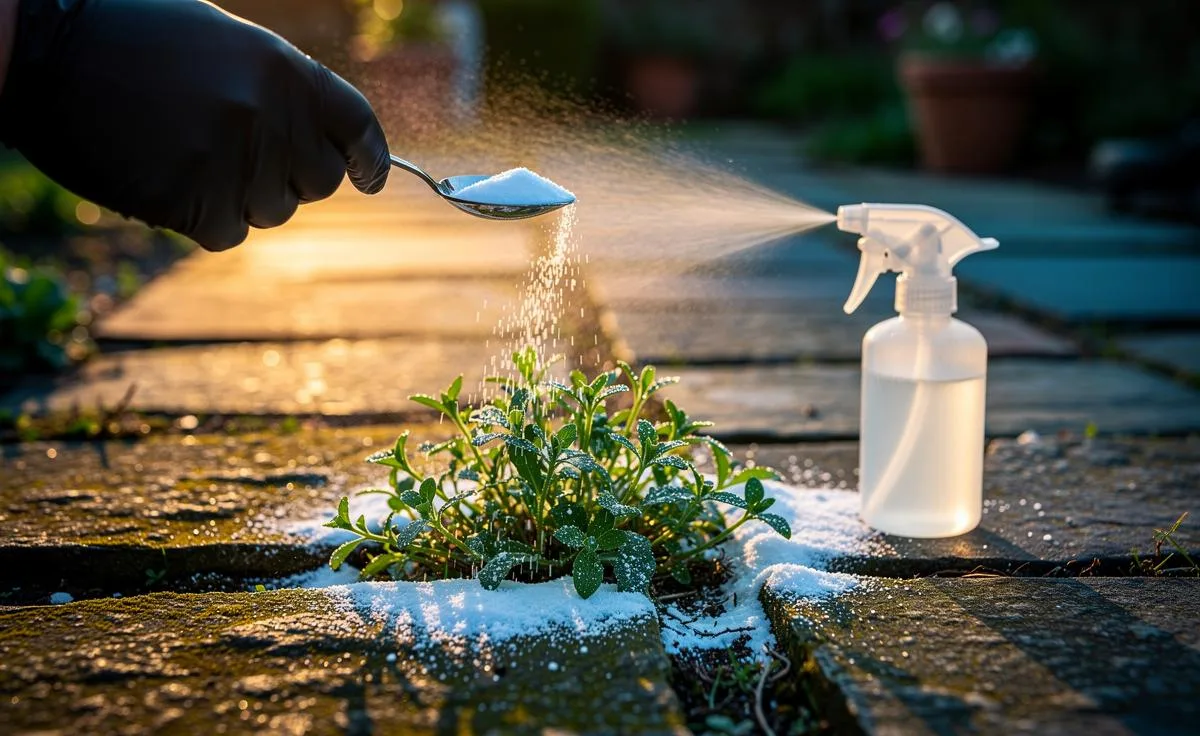
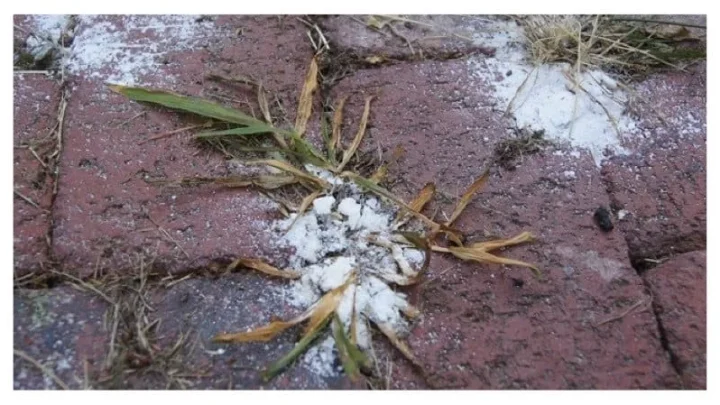
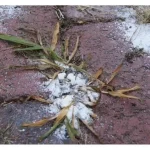
Figuring out how to use baking soda to kill weeds is easy if you know where to apply it. You just sprinkle sodium bicarbonate directly onto damp weed leaves in your driveway cracks or patio joints. It works by pulling moisture straight out of the plant tissue.
In our research, soil science data from university extension programs shows that heavy sodium bicarbonate applications can push localized soil pH well above 8.0. That level of alkalinity permanently sterilizes garden beds. That is exactly why you need a strict workflow before opening the box.
Image source: Bing (Web (fair-use with source credit))
Quick Answer
Baking soda kills weeds through osmotic dehydration. Sprinkle sodium bicarbonate on damp broadleaf weeds. Target only hardscape cracks and paver joints.
Avoid applying it near garden soil. Wait three to five days for results.
Why Baking Soda Kills Weeds (And Where It Will Ruin Your Soil)
Sodium bicarbonate kills plants through a process called plasmolysis. The powder creates a high salt concentration on the leaf surface. Water naturally moves from low salt areas to high salt areas.
This pulls vital moisture right out of the plant cells.
The foliage dries up and turns brown within a few days. This desiccant action hits young broadleaf weeds the hardest. Plants like dandelions and clover lack the deep root systems needed to recover.
Grassy weeds often survive because their growing points sit safely underground.
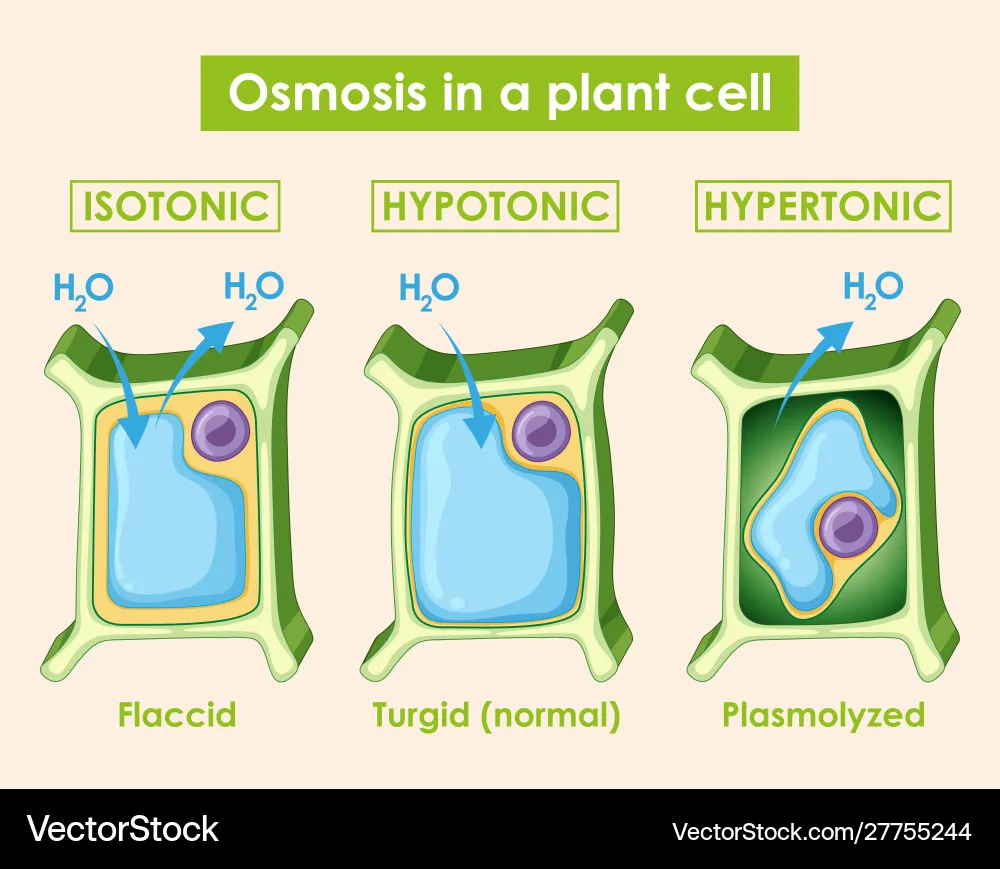
Image source: Bing (Web (fair-use with source credit))
The real danger is what happens after the weed dies. Baking soda dissolves into the ground and leaves behind residual sodium. According to soil management guidelines from the USDA Natural Resources Conservation Service, excess sodium destroys soil structure.
It binds tightly to clay particles and blocks water absorption.
If you apply this near your lawn or flower beds, you create a dead zone. Nothing will grow there until heavy rains wash the sodium deep into the subsoil. That leaching process takes months in arid climates.
Hardscapes are the only safe place for this treatment.
Concrete expansion joints and gravel paths do not rely on healthy soil biology. You can safely alter the pH there without long term consequences. Garden beds require a completely different approach.
Keep the powder far away from any roots you want to keep alive.
The Decision Tree: Should You Use Sodium Bicarbonate on These Weeds?
You should only use baking soda if the weeds are growing in hard surfaces. If they are in your lawn or garden beds, pick a different method. This simple choice prevents permanent soil damage.
Follow these conditions to make the right call every time.
First, look at the location. If the weed is pushing through a driveway crack, proceed. If it sits between patio pavers, proceed.
If it grows within two feet of a desirable plant, stop immediately. Wind drift alone can carry fine powder into your garden soil.
Second, identify the weed type. Broadleaf annuals respond best to osmotic shock. Perennial grassy weeds with deep taproots usually bounce back.
Applying extra powder to force them to die just dumps more sodium into the ground. Hand pulling is better for tough grasses.
Third, check the weather forecast. You need at least 48 hours of dry conditions. Rain washes the powder away before plasmolysis finishes its work.
It also pushes dissolved sodium directly into adjacent planting zones. Only apply this treatment during a reliable dry spell.
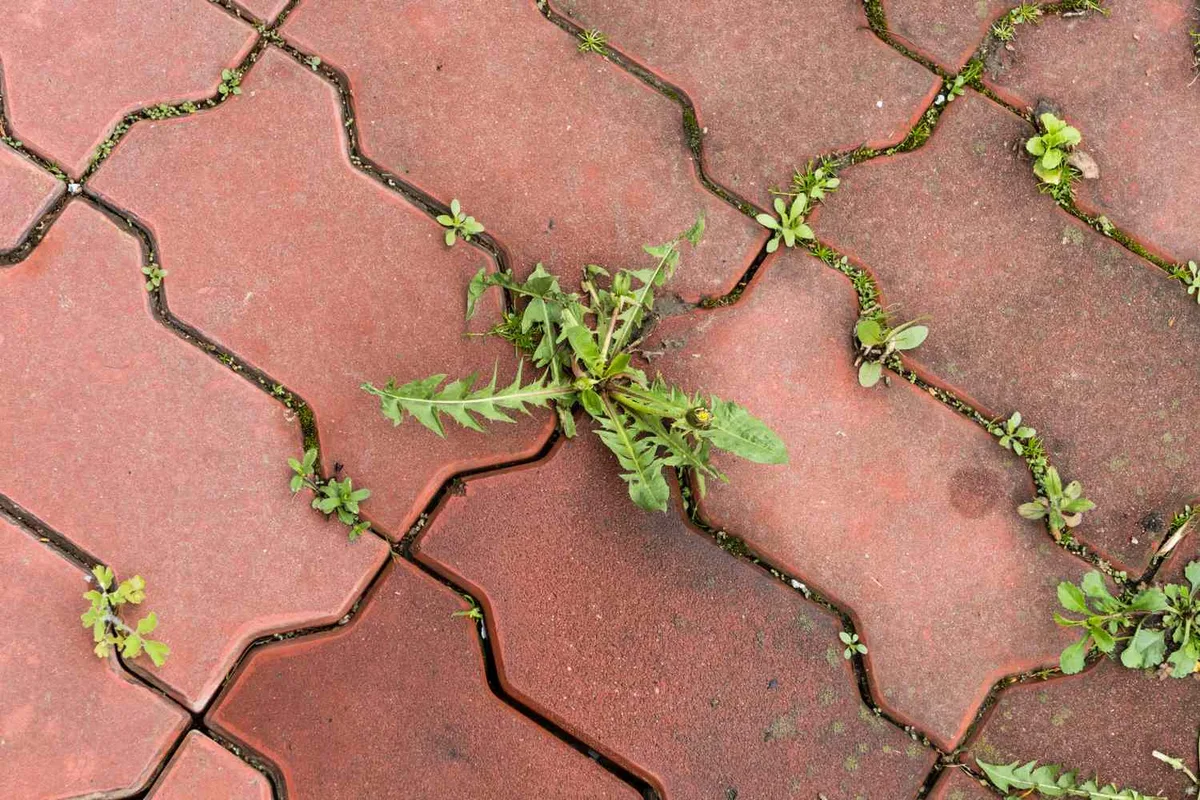
Image source: Bing (Web (fair-use with source credit))
Here is a quick reference guide to help you decide.
| Condition | Action |
|---|---|
| Weed in driveway crack | Apply baking soda |
| Weed in patio paver joint | Apply baking soda |
| Weed near garden bed edge | Do not apply |
| Deep rooted perennial grass | Pull by hand instead |
| Rain expected within 48 hours | Wait for dry weather |
If your situation matches the "Do not apply" rows, move to an alternative method. Horticultural vinegar or boiling water might fit better. We cover those options below.
Making this decision first saves you from fixing ruined soil later.
Step-by-Step Workflow for Clearing Hardscape Cracks and Pavers
Once you confirm the weeds are in a safe hardscape location, follow this exact process. Precision matters here. You want the powder on the weed, not scattered across your entire driveway.
A targeted application gives you the best results with the least waste.
Gather your materials before heading outside. You need standard grocery store baking soda. Bulk boxes cost around $1 to $3 per pound as of 2026.
Grab a spray bottle filled with plain water and some gloves to protect your skin from drying out.
Wait for a calm day with zero wind. Even a light breeze blows fine sodium bicarbonate powder off target. Check your local forecast to guarantee that 48 hour rain free window we mentioned earlier.
Morning applications work best because the sun helps drive the desiccation process all day.
Here is the exact sequence to follow.
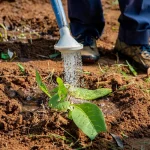
- Mist the weed: Spray the target plant lightly with water. You just want the leaves damp enough for the powder to stick. Do not soak the surrounding concrete.
- Apply the powder: Sprinkle about one tablespoon of baking soda directly over the weed. Focus heavily on the center crown where new growth emerges. Coat the base thoroughly.
- Leave it alone: Do not water it in. Let the sun and the natural moisture activate the osmotic pull.
- Inspect after 3 days: Check the weed. Small annual broadleaf weeds should be brown and crispy. Tougher plants might still show green.
- Reapply if needed: Hit surviving weeds with a second light dusting. Most stubborn perennials give up after two rounds.
This workflow keeps your application tight and controlled. You avoid dumping unnecessary sodium into the environment. Stick to roughly one tablespoon per small weed cluster.
Over applying does not speed up the kill time. It just creates a bigger mess to sweep up later.
How Baking Soda Stacks Up Against Vinegar, Boiling Water, and Glyphosate
Baking soda is not your only option for clearing hardscape weeds. Comparing it against common alternatives helps you pick the right tool for the job. Each method has specific strengths and drawbacks depending on the weed type and your budget.
Horticultural vinegar contains 20% to 30% acetic acid. It burns plant tissue on contact much faster than sodium bicarbonate. However, it is non selective and highly corrosive.
You must wear eye protection and heavy gloves when spraying it. It also costs significantly more per application.
Boiling water is completely free if you have a kettle. It cooks the plant cells instantly upon contact. The main limitation is safety and scale.
Carrying a pot of boiling water across your yard is risky. It also cools down fast, making large areas difficult to treat effectively.
Glyphosate is a synthetic systemic herbicide. It travels down to the roots and kills the entire plant. University agricultural extensions frequently note its effectiveness on tough perennials.
Many homeowners prefer avoiding synthetic chemicals entirely due to runoff concerns. It also requires specialized mixing and careful spraying equipment.
Here is how they compare side by side for driveway and patio use.
| Method | Cost | Speed | Best Target | Safety Risk |
|---|---|---|---|---|
| Baking Soda | Very Low | 3 to 5 days | Young broadleaf weeds | Low |
| Horticultural Vinegar | Medium | 1 to 2 days | Most surface weeds | High (corrosive) |
| Boiling Water | Free | Instant | Small isolated weeds | High (burn risk) |
| Glyphosate | Medium | 7 to 14 days | Deep rooted perennials | Moderate (chemical) |
Baking soda wins on cost and safety for casual weekend maintenance. It loses on speed and effectiveness against established grassy weeds. If you have a massive infestation of deep rooted perennials, you might need a stronger systemic option.
For routine crack maintenance, the cheap pantry staple does the job perfectly.
Mistakes That Cause Drift, Wash-Away, and Permanent Alkaline Damage
Applying sodium bicarbonate on a breezy afternoon is the fastest way to ruin nearby plants. Fine powder catches even a slight wind easily. It drifts right off the driveway crack and lands in your lawn.
Once it hits moist grass blades, osmotic damage starts immediately.
Always check wind speed before opening the box. If tree branches are actively swaying, wait for another day. Calm mornings usually offer the best conditions for precise application.
You need total control over where every grain lands.
Mixing baking soda into a heavy liquid spray causes similar problems. Some online guides suggest dissolving cups of it into a gallon of water. Spraying that mixture gives you zero targeting accuracy.
You end up broadcasting dissolved sodium across healthy soil biology.
Dry application on slightly damp weeds keeps the treatment localized. The powder sticks exactly where you place it. It does not run off into adjacent garden beds or storm drains.
Stick to the dry method we covered earlier.
Using baking powder instead of pure baking soda completely fails. Baking powder contains acid salts and cornstarch mixed with sodium bicarbonate. Those additives neutralize the alkaline punch you actually need.
Plant cell plasmolysis requires high pH levels to work effectively.
Check the label on your box carefully. You want 100% pure sodium bicarbonate. Grocery store bulk boxes are usually the correct product.
Double check the ingredient list just to be safe.
Finally, ignoring rain forecasts washes your effort down the street. Water dissolves the powder before desiccation finishes its job. It also pushes concentrated sodium directly into municipal storm drains.
Local environmental agencies discourage dumping high salinity solutions into public waterways.
Frequently Asked Questions
Does baking soda kill weeds permanently?
Baking soda kills existing broadleaf weeds through severe dehydration. It does not act as a pre-emergent weed preventer. New seeds will blow into the cracks eventually.
You must reapply the powder when new growth appears.
How long does baking soda take to kill weeds?
Visible browning usually starts within three to five days. Young annual weeds die faster than established perennials. Hot sunny weather accelerates the drying process significantly.
Cloudy or humid conditions slow the results down.
Will baking soda harm my concrete or pavers?
Pure sodium bicarbonate does not etch or stain standard concrete. It is chemically mild enough for hardscape surfaces. However, excessive buildup might leave a temporary white residue.
A quick sweep or light rinse clears it away.
Can I mix vinegar and baking soda for weeds?
Mixing them together neutralizes both ingredients instantly. Vinegar is an acid and baking soda is a base. They react to form salt water and carbon dioxide gas.
This fizzy reaction destroys the weed killing power of both liquids.
Is baking soda safe for pets after application?
Dry sodium bicarbonate poses very low toxicity risks for dogs or cats. Keep pets off the treated area until the powder settles completely. Sweeping up excess clumps prevents them from tracking it inside.
Standard grocery store baking soda is generally recognized as safe by regulatory bodies.
Why did my weed grow back after treatment?
Deep rooted perennial grasses often survive surface desiccation. Their growing points sit safely below the soil line. Baking soda only damages what it physically touches.
You likely need manual extraction for tough taproots.
Final Verdict: When to Reach for the Baking Soda Box
Sodium bicarbonate belongs in your weed control toolkit for one specific job. Use it exclusively on hard surfaces like driveways and patios. It offers a cheap, non synthetic way to clear out annoying broadleaf invaders.
Just respect the soil boundaries.
If your weeds grow near desirable plants, pick a different method. Hand pulling or targeted boiling water protects your garden beds. Dumping sodium into fertile soil creates long term alkaline damage.
Make the right location choice first. Then follow the dry application steps for clean, effective results.

Similar Posts