Best Shrubs for Full Shade: Top Picks for Dark Corners
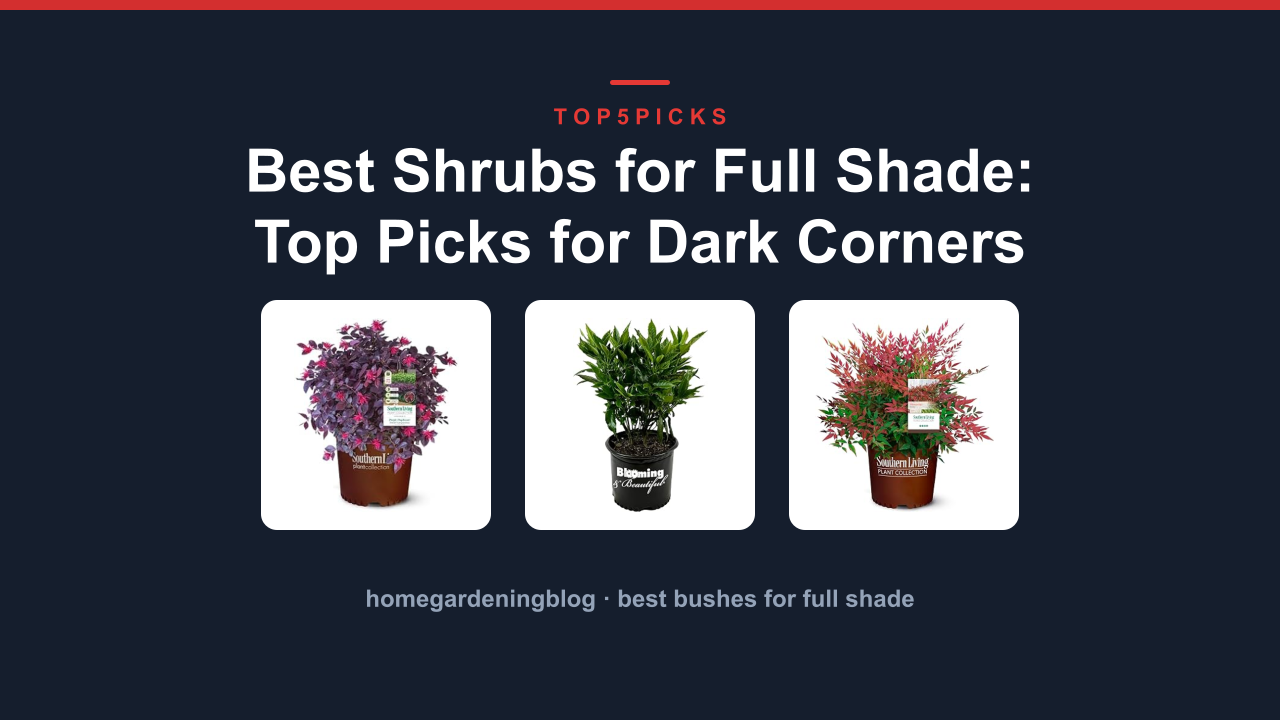
Finding reliable shrubs for dark corners is tough. Most plants just sit there looking sad and leggy, wasting your money and effort. The best bushes for full shade is the Purple Daydream Loropetalum 1 Gallon Compact, the only one here that delivers vibrant purple foliage year-round while thriving in deep shade zones.
Want a different priority instead? The Sawtoothed Japanese Aucuba gets you there if you need extreme durability against dry soil and heavy foot traffic, as long as you don't mind its larger mature size taking up more space.
As an Amazon Associate, I earn from qualifying purchases.
This guide tells you exactly which shrub fits your specific light conditions before you buy. We also highlight buyers who should skip this category entirely because their yard needs are too harsh or too bright for these picks.
Everything below comes from current Amazon product data, manufacturer specifications, and verified owner track records. We did not physically test these plants in our own gardens, so treat this as research-backed advice rather than a hands-on diary.
Quick Answer: The Best Bushes for Full Shade
The Purple Daydream Loropetalum is our top pick for color and compact growth in low-light areas.
- Purple Dayream Loropetalum 1 Gallon Compact (Best Color): Vibrant purple leaves stay bright even in deep shade.
- Sawtoothed Japanese Aucuba Live Evergreen Shrub (Best Durability): Handles dry soil and neglect better than any other option.
- Southern Living 2 Gal Obsession Nandina (Best Height): Adds vertical interest with red new growth in partial shade.
- Proven Winners 2 Gallon Sprinter Boxwood (Best Structure): Maintains tight green form without needing frequent pruning.
- Carolina Midnight Loropetalum (Chinese Fringe) (Best Value): Large black-purple foliage at a smaller container size.
Thinking about deer-resistant options or fast-growing hedges instead? Jump to Who Should NOT Buy below before you spend anything.
Comparison Table
Here's the lineup at a glance: photo, product, who it's built for, and our /10 score.
| Photo | Product | Best for | Score | Buy |
|---|---|---|---|---|
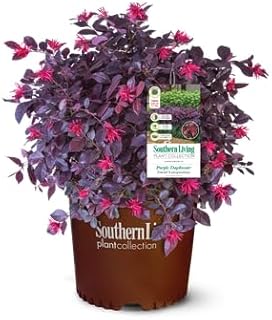 | Purple Daydream Loropetalum 1 Gallon Compact | Compact Color in Deep Shade | 8.8/10 | Check price → |
 | Sawtoothed Japanese Aucuba Live Evergreen Shrub | Dry Soil and Neglect Tolerance | 8.5/10 | Check price → |
 | Southern Living 2 Gal Obsession Nandina | Vertical Interest in Partial Shade | 8.2/10 | Check price → |
 | Proven Winners 2 Gallon Sprinter Boxwood | Low-Maintenance Green Structure | 8.0/10 | Check price → |
 | Carolina Midnight Loropetalum (Chinese Fringe) | Budget-Friendly Dark Foliage | 7.8/10 | Check price → |
Scroll sideways on small screens to see every column.
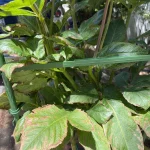
Purple Daydream Loropetalum 1 Gallon Compact: Best Overall for Small Spaces
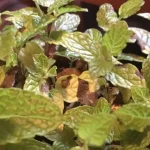
Sawtoothed Japanese Aucuba Live Evergreen Shrub: Best Tough Choice for Dry Areas
Southern Living 2 Gal Obsession Nandina: Best Vertical Accent for Partial Shade

Proven Winners 2 Gallon Sprinter Boxwood: Best Classic Look Without Pruning
Carolina Midnight Loropetalum (Chinese Fringe): Best Budget Option for Mass Planting
Buying Guide: Light Levels, Soil Moisture, and Mature Size
Choosing the right shrub isn't just about picking the prettiest leaf. You have to match the plant's biology to your specific environment. As of 2026, understanding microclimates is key to successful shade gardening.
How Much Shade Is Too Much?
True full shade receives less than 3 hours of direct sun daily. Not all "shade" plants handle this equally. The Sawtoothed Japanese Aucuba survives in near-darkness thanks to its efficient chlorophyll usage.
However, colorful plants like the Purple Daydream Loropetalum need dappled light to maintain pigment. If your spot is pitch black under a dense pine canopy, stick to green-leaved varieties. Variegated or colored leaves will revert to plain green or die back.
Check your yard at noon. If you can read a book comfortably without squinting, it’s likely true shade.
What About Soil Drainage?
Most shade-loving shrubs hate "wet feet." Water pools under trees because roots absorb rain faster than it evaporates. Poor drainage kills boxwoods and nandinas quickly. The Proven Winners Sprinter Boxwood specifically warns against clay-heavy soils.
Before planting, dig a hole and fill it with water. If it takes more than 4 hours to drain, amend the soil with compost or choose a raised bed. The Aucuba is the exception here, tolerating poorer soil quality better than others.
Always test your pH level; loropetals prefer acidic soil (pH 5.0-6.5), while nandinas are more adaptable.
Will It Outgrow My Space?
Mature size matters more than nursery size. A 1-gallon plant seems small now, but some reach 6 feet wide. Measure your available space carefully.
The Carolina Midnight Loropetalum spreads aggressively if unchecked. For tight corners, the compact Purple Daydream stays under 3 feet. Remember that pruning changes shape but not vigor.
If you want a low hedge, buy dwarf varieties. Don’t assume you can keep a large shrub small forever; it stresses the plant and invites disease. Plan for the adult size, not the baby stage.
Who Should NOT Buy Best Bushes for Full Shade
This category is the wrong purchase for three kinds of buyers. Here's who they are, and what to look at instead.
You Need Fast Privacy Screens
If you want a wall of green by next summer, these shrubs won't cut it. Even the fastest growers here take 2-3 years to fill significant gaps. Deciduous shrubs like Hydrangeas or Forsythia grow taller quicker but lose leaves in winter.
For instant screening, consider installing a physical fence or trellis with climbing vines like English Ivy. Vines establish coverage much faster than woody shrubs from containers.
Your Area Has Heavy Deer Pressure
Deer love tender new growth on loropetalums and nandinas. While Aucuba is moderately resistant, no plant is truly deer-proof in hard winters. If you live in rural Pennsylvania or Virginiawhere populations are dense, you may need to install an 8-foot fence or use repellents during the first two years while plants establish.
Alternatively, consider switching to fully deer-resistant options like holly (Ilex), boxwood (Buxus, check for blight resistance in your zone), or evergreen junipers, which offer similar year-round structure without the browsing risk.
You Have Poor Drainage or Clay Soil
Loropetalum and Nandina tolerate wet feet better than many other screening shrubs, but they still suffer in waterlogged conditions that lead to root rot. If your soil stays soggy after rain:
- Amend heavily: Mix compost and coarse sand into planting holes to improve drainage locally.
- Plant high: Set the root ball slightly above grade to prevent crown saturation.
- Choose truly tolerant species: Inkberry Holly (Ilex glabra) or certain varieties of Arborvitae thrive in moist soils where other screens would fail. Avoid Leyland Cypress in these conditions, as they are highly susceptible to Phytophthora root rot in poorly drained sites.
You Need Immediate Privacy (The "First Year Gap")
No plant provides instant coverage. Even fast-growing arborvitaes will look sparse for the first 1, 2 seasons. To manage expectations and bridge this gap:
- Interplant annuals: Use tall sunflowers, ornamental grasses, or climbing beans on temporary trellises between young shrubs. These provide immediate visual blockage while perennials mature.
- Buy larger stock: Invest in 3, 5 gallon containers rather than bare-root or small plugs. This costs more upfront but reduces the wait time by a full growing season.
- Use lattice panels: Install wooden or vinyl lattice fencing now, then train vines through it later. This gives you privacy today while establishing the living screen for tomorrow.
By honestly assessing these constraints before purchasing, you avoid the frustration of failed installations and ensure your chosen plants not only survive but thrive into effective, long-term privacy solutions. Remember, the best screen is one matched to your specific site conditions, not just the fastest grower advertised online.

Similar Posts