Why Cats Pee in Plants and How to Stop It
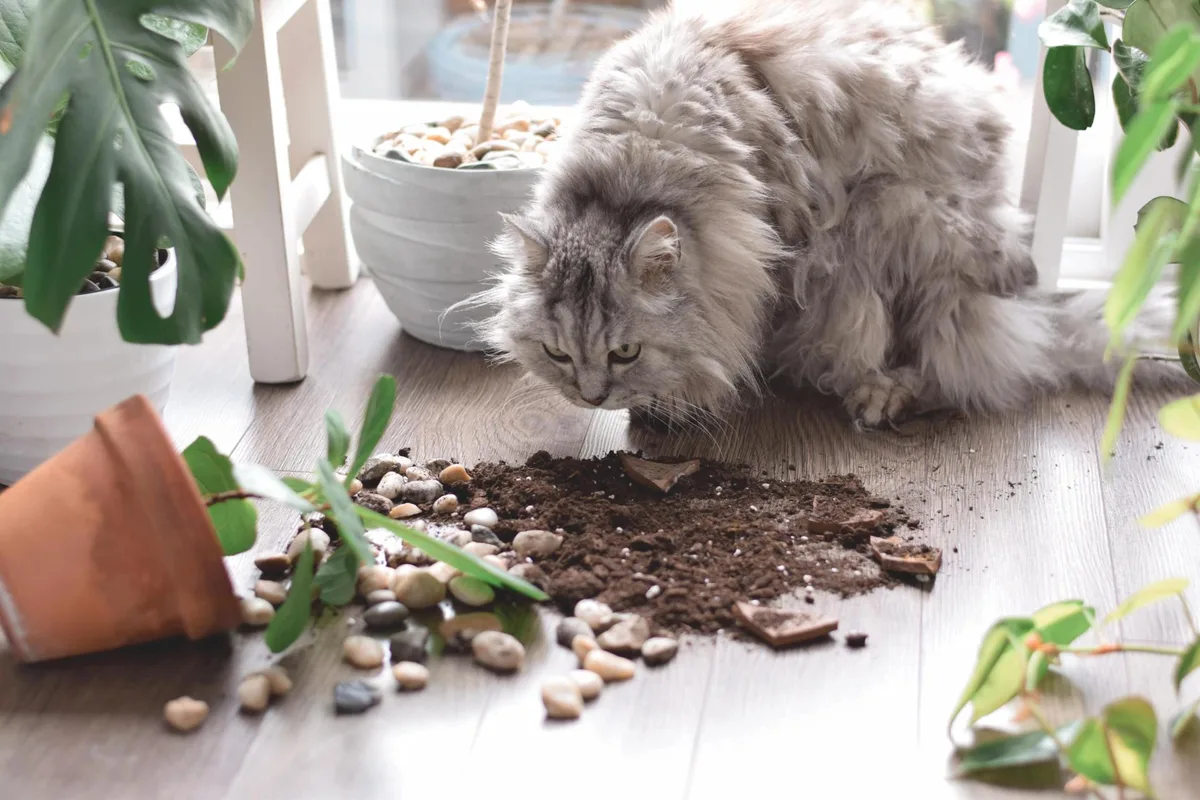
Finding cats peeing in plants is frustrating and often signals an underlying issue rather than simple defiance. This behavior typically stems from medical pain, litter box aversion, or a specific substrate preference that soil satisfies.
The American Association of Feline Practitioners states inappropriate elimination requires immediate veterinary assessment to rule out life-threatening conditions. We have structured this guide as a diagnostic workflow to help you identify the root cause safely before attempting behavioral fixes.
Quick Answer
Cats peeing in plants usually indicates medical pain or litter aversion. Soil texture mimics preferred natural elimination substrates for many felines. Urinary blockages can become fatal within twenty-four hours.
Always consult a veterinarian before assuming behavioral causes. Rule out feline lower urinary tract disease first.
Stop Guessing: The Medical vs. Behavioral Triage Checklist
You must determine if this is a health crisis or a preference issue before changing anything. Treating a medical emergency as bad behavior wastes critical time and risks your cat's life. Use this conditional logic to categorize the problem accurately based on observable symptoms.
If your cat strains to urinate, vocalizes in the box, or produces only drops, assume a medical emergency. Male cats are especially prone to urethral obstruction, which kills quickly without intervention. These signs override all other considerations and require immediate veterinary care regardless of recent litter box history.
If your cat urinates normally but chooses plants over the box consistently, suspect substrate or location aversion. Soft soil feels similar to fine-grain clumping litter under sensitive paws. This pattern suggests the current litter setup fails to meet their physical or sensory needs rather than indicating acute illness.
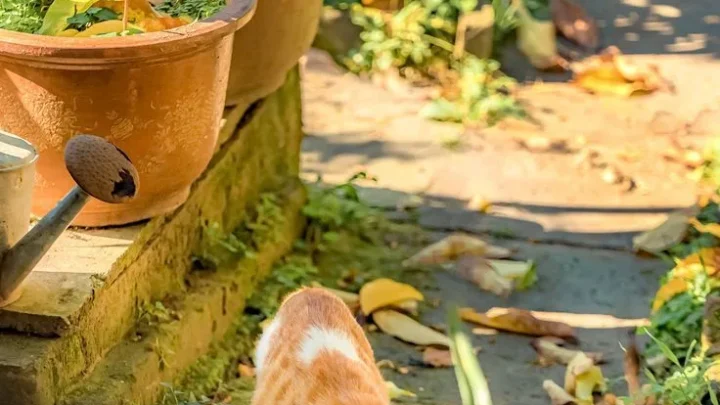
Territorial marking presents differently than inappropriate elimination. Spraying involves standing upright and depositing small amounts on vertical surfaces like plant pots or walls. True squatting and voiding large volumes into soil points back to elimination disorders or medical discomfort rather than social communication or stress-related marking behaviors.
Image source: Web (Bing) / myplantin.com (Web image (fair-use with source credit))
Multi-cat households introduce resource guarding as a variable. If the plant sits near a high-traffic zone or another cat's territory, avoidance may stem from fear. Observe inter-cat dynamics during litter box access times to confirm whether social tension drives the plant preference over medical or substrate factors.
Age modifies the decision tree significantly. Senior cats often develop arthritis making high-sided boxes painful to enter. Low-entry alternatives become necessary accommodations rather than training corrections.
Younger cats without mobility issues warrant stricter medical screening before attributing plant use to environmental dissatisfaction or behavioral rebellion.
Rule Out Medical Emergencies Before Changing Anything
Feline Lower Urinary Tract Disease encompasses infections, crystals, and idiopathic cystitis that make urination painful. Cats associate that pain with the litter box and seek softer surfaces like plant soil instead. Veterinary diagnostics including urinalysis and culture are mandatory first steps in our research-backed protocol.
Urethral obstruction represents the most dangerous possibility within this category. Crystals or mucus plugs block urine flow entirely, causing bladder rupture or kidney failure rapidly. Per Cornell University College of Veterinary Medicine guidelines, any male cat showing straining requires emergency evaluation within hours to prevent irreversible damage or death.
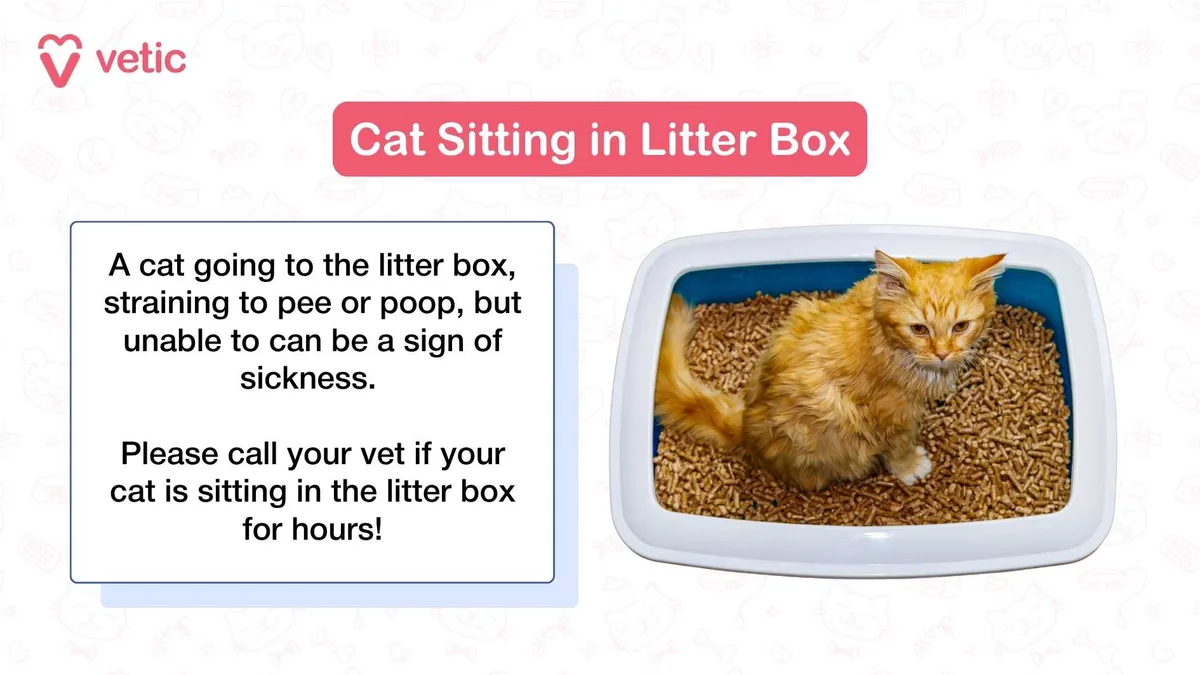
Image source: Web (Bing) / vetic.in (Web image (fair-use with source credit))
Idiopathic cystitis flares often correlate with household stressors but still require medical confirmation. Pain management and anti-inflammatory medications address the physiological component that behavioral modification alone cannot fix. Skipping this step leaves your cat suffering while you rearrange furniture or change litter types ineffectively.
Urinary crystals form when urine pH becomes too alkaline or acidic depending on crystal type. Struvite and calcium oxalate require opposite dietary interventions that only lab work can distinguish. Guessing at diet changes without testing risks worsening the condition and reinforcing the plant-seeking behavior through continued discomfort.
Senior cats frequently develop chronic kidney disease or diabetes increasing urine volume dramatically. Overflow accidents or deliberate search for absorbent surfaces like soil result from polyuria rather than spite. Blood panels reveal these metabolic shifts long before external symptoms become obvious to owners monitoring litter habits casually.
Post-surgical recovery periods also trigger temporary substrate preferences. Declawed cats or those recovering from abdominal surgery find standard litter abrasive against healing tissues. Temporary use of paper-based litter or shallow pans accommodates pain sensitivity while preventing permanent association between the box and post-operative discomfort.
Audit Your Litter Box Setup for Hidden Aversions
Litter box aversion drives more plant-peeing incidents than territorial marking in aggregate reviews. Cats reject boxes that are dirty, poorly located, or physically uncomfortable to use. An honest audit reveals gaps between human convenience and feline biological requirements that soil accidentally fulfills better.
The N+1 rule remains the gold standard for multi-cat homes as of 2026. One box per cat plus one extra prevents resource competition and ensures availability during peak usage times. Insufficient box count forces subordinate cats to seek alternative sites where they feel safer or less interrupted.
Box size matters more than most manufacturers acknowledge in product descriptions. Minimum length should equal cat nose-to-tail-base measurement plus fifty percent for comfortable turning. Covered boxes trap odors and restrict movement creating negative associations that drive cats toward open, airy plant pots instead.
Cleanliness standards exceed daily scooping for sensitive individuals. Complete litter changes and enzymatic washing weekly prevent ammonia buildup invisible to humans but offensive to cats. Residual odor accumulation in plastic boxes eventually makes even clean litter smell contaminated prompting relocation to fresh-smelling soil.
Location placement influences security perception directly. Boxes in high-traffic corridors, laundry rooms, or near appliances create ambush anxiety. Cats prefer quiet corners with multiple escape routes and visual command of room entry points.
Relocating a box just three feet can resolve chronic avoidance issues instantly.
Substrate texture testing identifies specific preferences efficiently. Offer three to four unscented options simultaneously including fine-grain clumping, non-clumping clay, and paper pellets. Most cats selecting plant soil gravitate toward fine unscented clumping varieties once given legitimate choices matching their tactile expectations.
| Litter Factor | Ideal Specification | Common Failure Point |
|---|---|---|
| Depth | 2 to 3 inches minimum | Too shallow for digging instinct |
| Scent | Unscented always | Perfumes mimic chemical irritants |
| Granule Size | Fine sand-like texture | Large pellets hurt sensitive paws |
| Box Entry | Low sides for seniors/arthritis | High walls deter painful entry |
| Cleaning Frequency | Scoop 2x daily, wash weekly | Ammonia residue repels reuse |
Decode the Message: Substrate Preference vs. Territorial Marking
Distinguishing elimination from communication dictates entirely different remediation strategies. Misreading spraying as inappropriate elimination leads to ineffective litter changes when environmental enrichment was actually needed. Understanding the functional difference saves weeks of trial-and-error frustration for both owner and cat.
True substrate preference manifests as consistent squatting and full bladder emptying in soil. The cat treats the plant exactly like a litter box because texture matches innate preferences. This indicates current litter fails sensory requirements rather than signaling social distress or territorial insecurity requiring pheromone therapy.
Spraying serves communicative functions unrelated to waste elimination needs. Cats stand erect, tread hind feet, and quiver tails while depositing small amounts vertically. Triggers include outdoor cat sightings, new pets, renovation noise, or owner schedule changes disrupting established security routines and confidence.
Soil moisture level amplifies attraction for substrate-preferring cats. Damp potting mix releases earthy volatiles mimicking natural outdoor elimination sites far better than dry clay litter. Overwatered plants inadvertently create irresistible bathroom targets even when adequate litter boxes exist elsewhere in the home environment.
Plant accessibility determines vulnerability regardless of motivation type. Wide-open soil surfaces invite use simply because no barrier exists. Elevated placement, narrow rims, or dense foliage reduce usability without addressing underlying cause but buy time during active remediation phases while root issues get resolved properly.
Vertical territory deficits contribute to marking behaviors specifically. Insufficient climbing spaces, window perches, or scratching posts leave cats feeling insecure about spatial ownership. Adding vertical resources reduces spraying frequency more reliably than punishment or deterrent sprays according to feline behaviorist consensus and published literature.
Scent soaking creates feedback loops perpetuating both behaviors. Urine penetrates porous terracotta pots permanently even after surface cleaning. Replacing contaminated containers breaks olfactory reinforcement cycles that draw repeat offenses despite successful medical treatment or litter improvements elsewhere in the household routine.
The Step-by-Step Remediation Workflow for Plants and Pots
Effective remediation follows a strict sequence after medical clearance and litter audits complete. Jumping straight to barriers without cleaning guarantees failure because residual scent overrides physical deterrents. This workflow prioritizes odor elimination then prevention then positive reinforcement in that exact order.
Deep cleaning requires enzymatic cleaners specifically formulated for urine protein breakdown. Standard household cleaners mask odors temporarily but leave biological markers detectable to cats indefinitely. Follow manufacturer dwell time specifications precisely because premature wiping renders active enzymes ineffective against embedded uric acid crystals.
Contaminated soil removal is non-negotiable for potted plants. Top layer replacement insufficiently addresses saturation reaching root zones and pot interiors. Complete soil exchange combined with thorough container sanitization eliminates olfactory anchors triggering recurrent elimination even after behavioral modifications succeed elsewhere in the home.
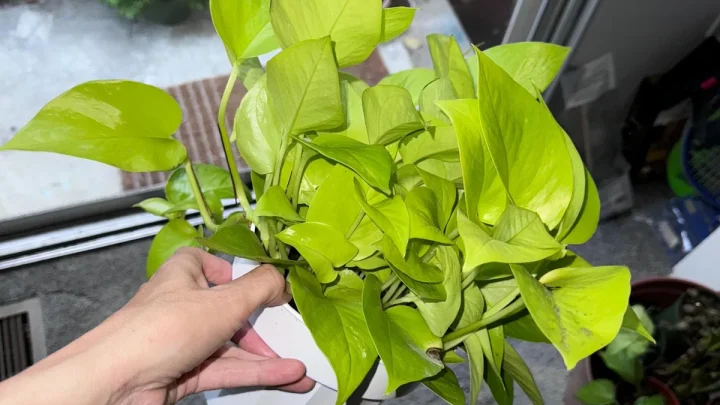
Physical barriers provide immediate protection during retraining periods. Decorative river rocks, chicken wire beneath mulch, or commercial plant cages block direct soil contact effectively. These tools manage symptoms while underlying causes receive proper attention through veterinary care or environmental adjustments already identified in earlier triage steps.
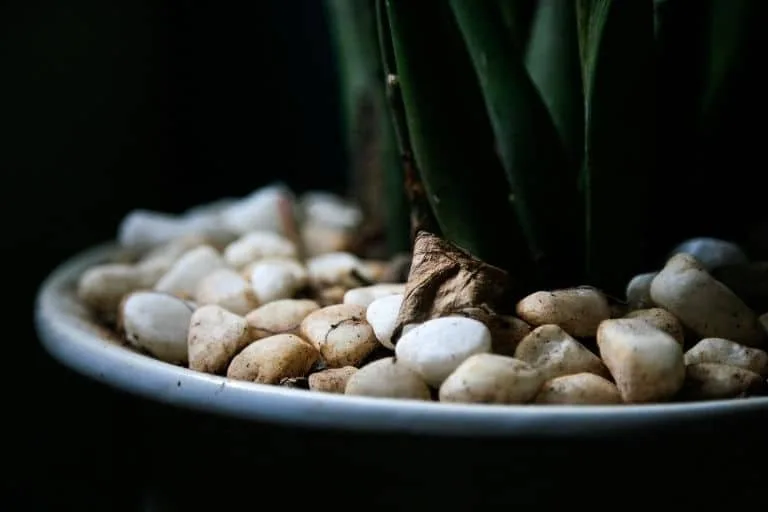
Image source: Web (Bing) / flourishingplants.com (Web image (fair-use with source credit))
Positive reinforcement redirects appropriate behavior without creating new aversions. Reward litter box use immediately with treats or play sessions strengthening desired associations. Never punish accidents near plants because fear increases stress-related elimination and damages trust essential for long-term compliance and emotional wellbeing.
Environmental enrichment supports sustained success beyond initial correction phases. Puzzle feeders, window perches, and interactive play sessions reduce boredom-driven exploration of forbidden areas. Addressing unmet behavioral needs prevents relapse once novelty of cleaned spaces fades and old habits threaten resurfacing during stressful transitions.
Monitoring duration should extend minimum thirty days post-correction. Premature declaration of victory invites backsliding when subtle triggers reemerge unnoticed. Track frequency, location, and context of any recurring incidents to refine interventions before full regression establishes itself as renewed habitual pattern requiring complete restart.
Common Mistakes That Make Inappropriate Elimination Worse
Punishment is the single most damaging response to plant urination. Yelling, spraying water, or rubbing noses in soil creates fear without teaching appropriate alternatives. Cats associate that terror with you or the location rather than connecting it to the act itself, often worsening stress-related elimination cycles.
Using ammonia-based cleaners inadvertently reinforces the problem chemically. Urine contains ammonia compounds that signal bathroom appropriateness to feline olfactory systems. Standard household cleaners containing similar compounds smell like fresh invitations rather than deterrents, perpetuating the exact behavior you are trying to extinguish through cleaning efforts.
Ignoring subtle medical signs delays critical treatment windows significantly. Owners frequently dismiss occasional straining as hairballs or minor constipation until obstruction becomes complete. Waiting for obvious distress symptoms means missing early intervention opportunities when dietary changes or medications could have prevented emergency hospitalization entirely.
Changing multiple variables simultaneously prevents accurate troubleshooting diagnosis. Swapping litter type, moving box location, and adding deterrents all at once obscures which change actually helped. Systematic single-variable adjustments spaced two weeks apart reveal true causation versus coincidence, saving months of unnecessary experimentation and frustration.
Assuming one successful week means permanent resolution invites inevitable relapse. Behavioral modification requires minimum thirty-day consistency before new habits solidify neurologically. Premature celebration leads to relaxed vigilance exactly when old patterns threaten reemergence during predictable stress periods like holidays or schedule disruptions.
Overlooking plant toxicity risks compounds health dangers beyond urinary issues. Many common houseplants cause kidney failure or gastrointestinal damage if ingested alongside urine-soaked soil. Checking ASPCA toxic plant lists protects cats from secondary poisoning incidents while addressing primary elimination concerns through proper veterinary and environmental channels.
Neglecting multi-cat social dynamics undermines individual interventions consistently. Resource guarding between cats creates chronic low-grade stress manifesting as inappropriate elimination even when medical and litter factors appear perfect. Professional behavior consultation identifies subtle tension signals owners miss during casual observation of group interactions daily.
Frequently Asked Questions About Cats Peeing in Plants
Why does my cat suddenly start peeing in plants after years of litter box use?
Sudden onset typically indicates new medical pain or acute environmental stressor rather than learned bad habit. Urinary tract infections, crystal formation, or arthritis develop silently before behavioral symptoms emerge visibly. Schedule veterinary examination immediately to identify underlying physiological triggers before attempting any behavioral modifications or environmental adjustments at home.
Can I use citrus peels or essential oils to deter cats from plants?
Most essential oils including citrus, tea tree, and eucalyptus are toxic to cats causing liver damage or respiratory distress. Citrus peels offer inconsistent deterrence while risking gastrointestinal upset if chewed or ingested accidentally. Physical barriers and enzymatic cleaning provide safer, more reliable protection without introducing chemical hazards into your shared living environment.
How long does it take to stop this behavior completely?
Medical issues resolve within days to weeks depending on diagnosis and treatment compliance. Behavioral preferences require minimum thirty to sixty days consistent management before new habits replace old patterns permanently. Relapse risk remains elevated during stressful transitions, so maintain protocols through at least three months of observed success before gradually reducing interventions.
Should I remove all plants until the problem is solved?
Temporary removal eliminates opportunity while addressing root causes through veterinary care and litter optimization. Reintroduce protected plants only after thirty consecutive days appropriate litter use confirms underlying issues resolved successfully. Permanent exclusion may be necessary for particularly persistent cases where barriers fail repeatedly despite comprehensive medical and behavioral remediation efforts.
Is vinegar effective for cleaning urine from plant soil and pots?
Vinegar neutralizes ammonia odor temporarily but fails to break down uric acid crystals responsible for long-term scent marking. Enzymatic cleaners specifically target protein structures that vinegar cannot dissolve effectively. Complete soil replacement combined with enzyme treatment of containers provides superior results compared to vinegar soaking alone for preventing repeat offenses reliably.

Similar Posts