Little Gem Magnolia Tree: Pros and Cons to Know
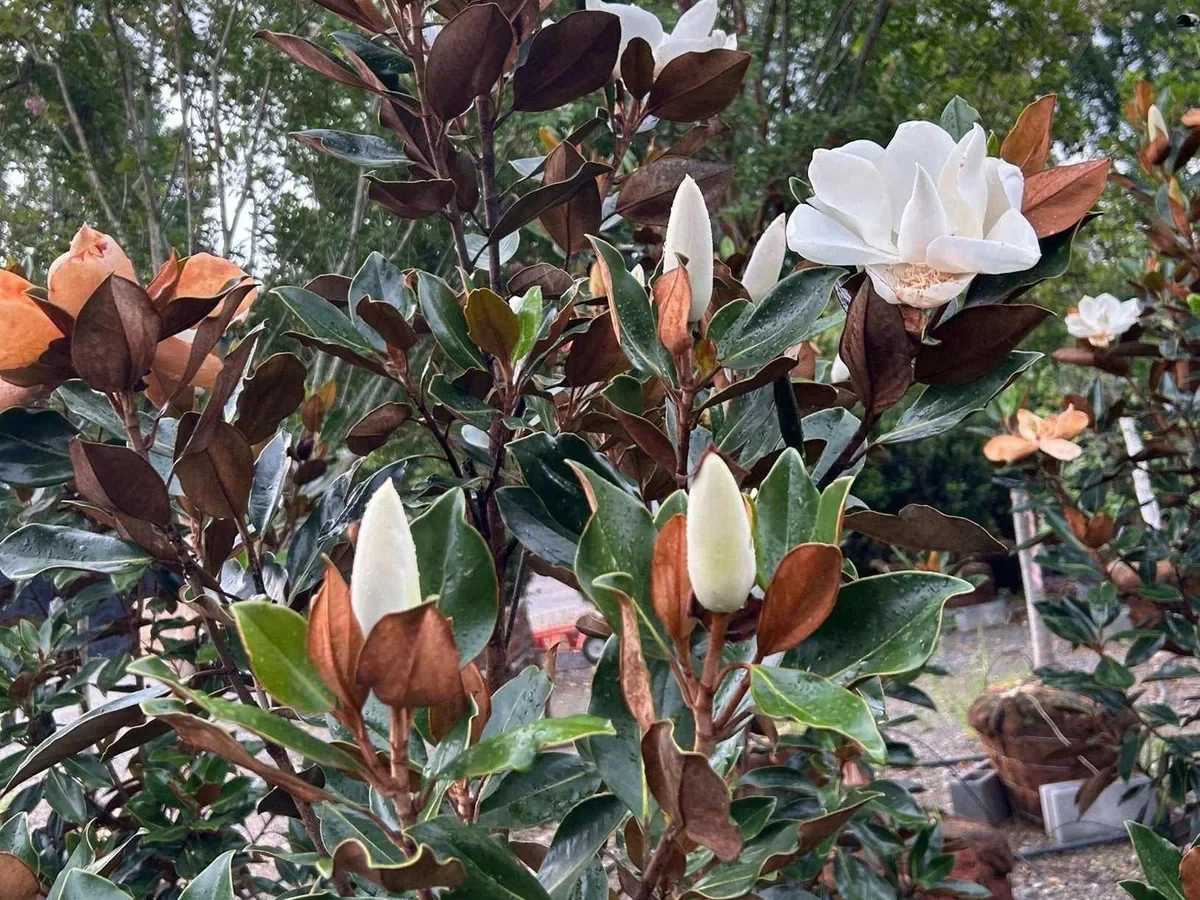
Understanding little gem magnolia tree pros and cons helps you avoid costly landscaping mistakes. This compact evergreen offers year-round beauty but demands specific conditions to thrive. We have analyzed its performance across diverse climates to give you the unvarnished truth.
Manufacturer specifications indicate a mature height of 20 to 25 feet with an 8 to 10 foot spread. This size makes it manageable for small yards yet substantial enough for privacy screening. Let us break down exactly what this cultivar delivers in real landscapes.
Quick Answer
Little gem magnolia tree pros include evergreen privacy and fragrant blooms. Cons involve messy leaf drop and slow establishment rates. It thrives in acidic soil within zones 7 through 9.
Alkaline soils cause yellowing leaves without regular treatment. Expect intermittent flowering from late spring through early fall.
The Real Pros and Cons of Little Gem Magnolia Trees
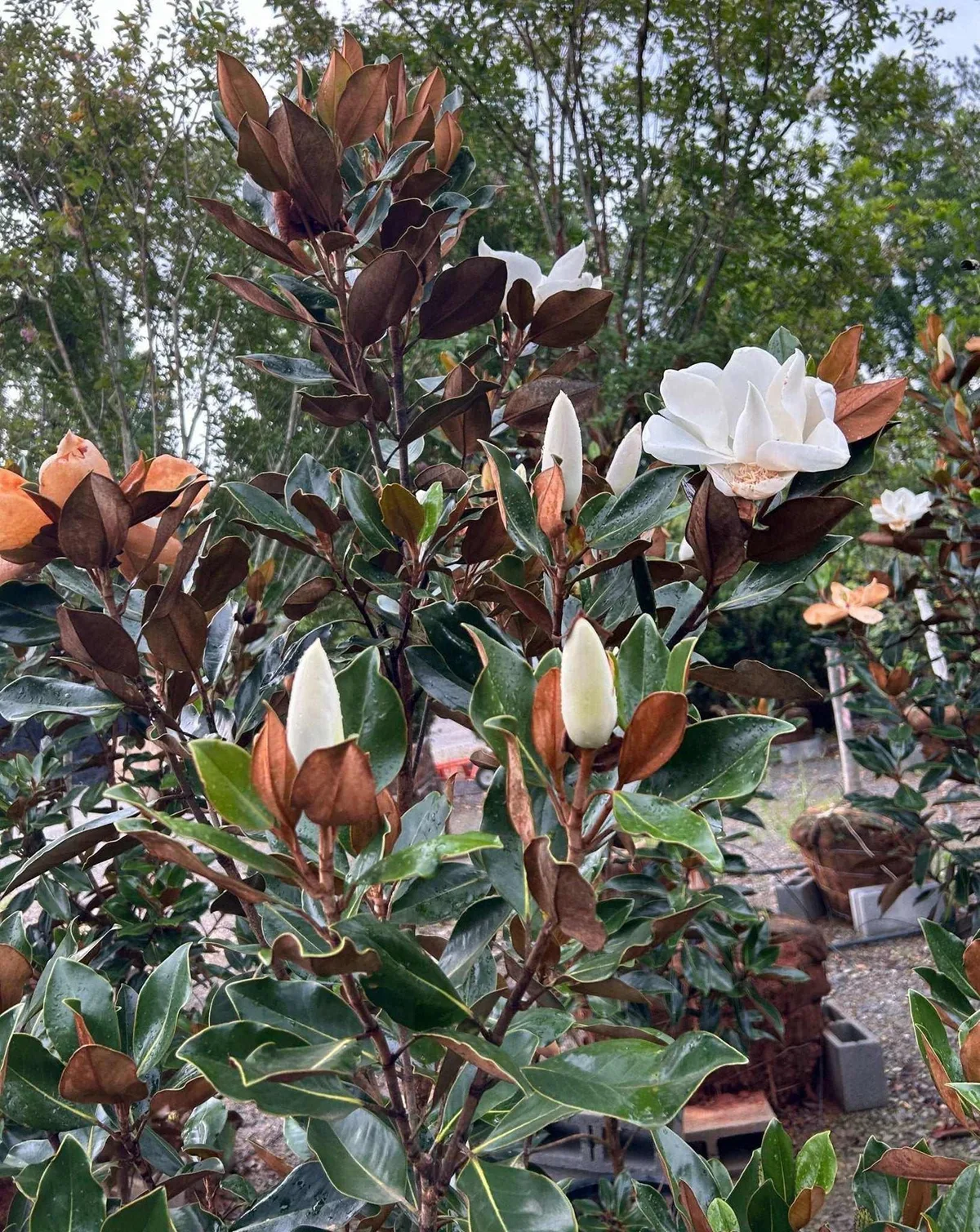
Image source: Web (Bing) / simpaticonursery.com (Web image (fair-use with source credit))
The Little Gem Magnolia (Magnolia grandiflora 'Little Gem') earns its reputation as a versatile landscape specimen. Its columnar habit fits tight spaces where standard southern magnolias would overwhelm a yard. You get four-season evergreen coverage without sacrificing valuable ground space.
Fragrant white flowers appear intermittently from late spring into early fall. These six-inch blooms provide sensory interest far longer than species magnolias that flower only once. Deer typically avoid the leathery foliage, making it ideal for rural or suburban edges.
Salt spray tolerance allows coastal planting where other evergreens fail. Air pollution resistance suits urban courtyards and street-side foundations. The shallow root system rarely damages hardscapes or building foundations when sited properly.
Year-round leaf litter remains the most cited complaint among owners. Old leaves drop continuously as new growth emerges, requiring frequent raking beneath the canopy. Spent flower petals also create messes on patios and walkways during bloom cycles.
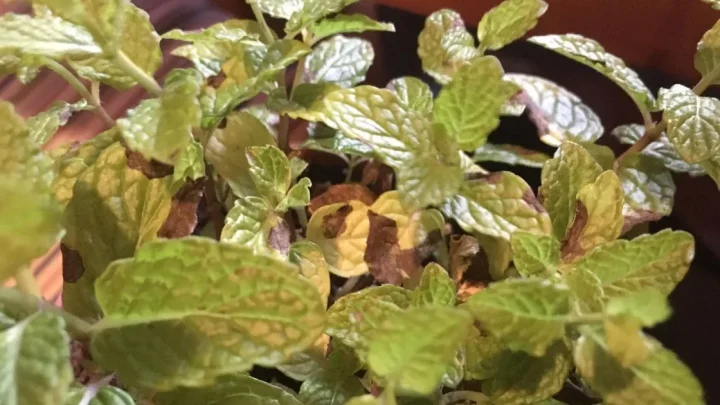
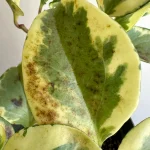
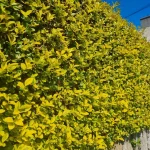
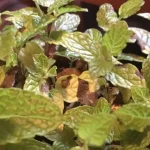
Chlorosis plagues trees planted in alkaline soils above pH 6.5. Leaves turn pale yellow between veins while veins stay green, signaling iron deficiency. Correcting this requires ongoing acidifying treatments rather than one-time fixes.
Establishment takes two to three full growing seasons even under ideal conditions. During this period, inconsistent watering causes irreversible stress or death. The slow growth rate means mistakes in siting take years to correct.
Dense canopy shade limits understory planting options significantly. Few perennials or shrubs survive directly beneath the low-hanging branches. Plan for mulch rings or accept bare soil zones around the trunk.
Scale insects attack stressed specimens, producing sticky honeydew that fosters sooty mold. While treatable, infestations mar the glossy aesthetic that draws people to this cultivar. Prevention through proper siting matters more than reactive spraying.
Winter burn risks exist in exposed Zone 7 locations without wind protection. Desiccating winds scorch evergreen foliage when roots cannot replace lost moisture. Site selection determines whether your tree survives northern winters intact.
How Little Gem Compares to Teddy Bear and Other Dwarf Magnolias
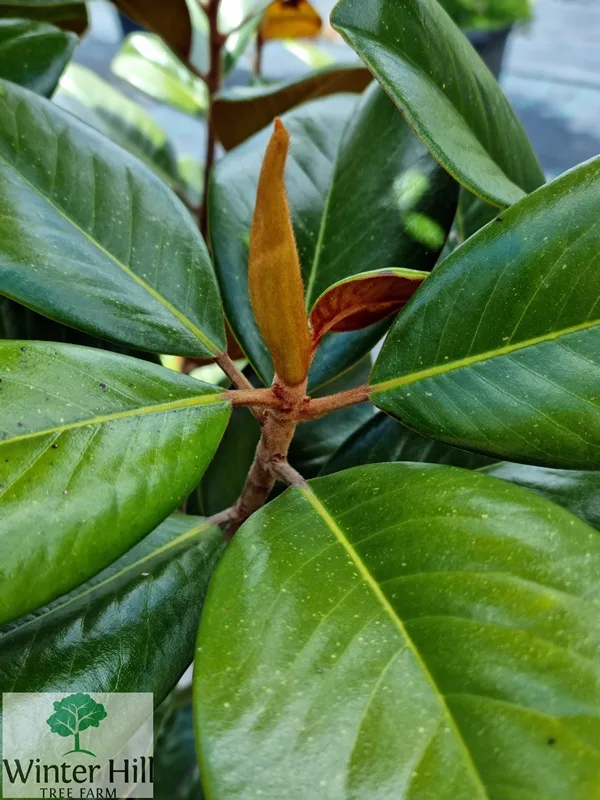
Image source: Web (Bing) / winterhill.com.au (Web image (fair-use with source credit))
Choosing between dwarf magnolia cultivars hinges on understanding their distinct growth habits. Little Gem and Teddy Bear are often confused, but they serve different design purposes. Our research shows spacing and form differ more than marketing suggests.
Teddy Bear Magnolia grows denser and rounder than the upright Little Gem. Its mature spread reaches 10 to 12 feet versus Little Gem’s narrower 8 to 10 feet. Choose Teddy Bear for mass plantings where individual tree definition matters less.
Little Gem’s columnar form works better for tight foundation plantings or narrow side yards. Vertical emphasis draws the eye upward without consuming horizontal space. Teddy Bear’s broader habit suits open lawn specimens or wide hedge rows.
Flower production varies subtly between these two popular cultivars. Little Gem blooms more reliably in partial shade according to aggregate nursery reports. Teddy Bear may produce fewer flowers when light levels drop below four hours daily.
Leaf size distinguishes them upon close inspection. Little Gem bears four to six inch leaves with pronounced rusty undersides. Teddy Bear foliage tends slightly smaller and denser, creating a finer texture at distance.
Bracken’s Brown Beauty offers superior cold hardiness for Zone 6b microclimates. It grows larger than both dwarfs, reaching 30 feet tall and 15 feet wide. Consider this option if winter survival outweighs compact size requirements.
Jane Magnolia provides deciduous spring spectacle instead of evergreen screening. Its pink-purple flowers emerge before leaves on bare branches. Use Jane for seasonal drama rather than year-round privacy or structure.
| Feature | Little Gem | Teddy Bear | Bracken’s Brown Beauty |
|---|---|---|---|
| Mature Height | 20–25 ft | 15–20 ft | 25–30 ft |
| Mature Spread | 8–10 ft | 10–12 ft | 12–15 ft |
| Growth Habit | Columnar | Rounded Dense | Pyramidal |
| Shade Tolerance | High | Moderate | Moderate |
| Cold Hardiness | Zone 7–9 | Zone 7–9 | Zone 6–9 |
| Flower Season | Late Spring–Fall | Summer–Fall | Late Spring–Summer |
Star Magnolia serves colder regions where southern magnolias cannot survive. It stays under 20 feet with delicate white strap-like flowers. Sacrifice evergreen foliage for reliable blooming in Zones 4 through 8.
Camellia sasanqua competes directly for screening applications in warm climates. It tolerates deeper shade and produces fall blooms when magnolias fade. However, camellias lack the architectural presence and fragrance of magnolia cultivars.
Nellie R. Stevens Holly provides faster screening with less mess. Berries add winter color absent in magnolias.
Trade off floral fragrance for quicker establishment and cleaner ground maintenance.
Where Little Gem Actually Thrives (And Where It Struggles)
Site selection determines success more than any other factor for this cultivar. Little Gem excels in protected urban courtyards with reflected warmth. Buildings buffer winter winds while extending the effective growing season in marginal zones.
Partial shade sites receive optimal performance across its hardiness range. Morning sun with afternoon shade prevents leaf scorch in Zone 9 summers. Filtered light beneath high-canopy oaks mimics native woodland conditions perfectly.
Acidic soils between pH 5.0 and 6.5 support vigorous growth without amendment. Native forest soils in the Southeastern United States typically meet this requirement naturally. Test your soil before planting to confirm suitability or plan amendments accordingly.
Coastal landscapes benefit from exceptional salt spray tolerance. Oceanfront properties can use Little Gem where ligustrum or holly would burn. Ensure drainage is adequate since sandy coastal soils dry quickly despite humidity.
Container culture succeeds with consistent moisture management. Large half-barrels accommodate the root system for patio or rooftop gardens. Repot every three to four years as roots fill available volume.
Alkaline limestone soils in Texas and Florida present chronic challenges. Iron becomes unavailable above pH 7.0 regardless of fertilizer applications. Budget for annual chelated iron treatments or choose a different species entirely.
Exposed hilltop sites suffer winter desiccation in Zone 7. Wind strips moisture from evergreen leaves faster than frozen roots can replace it. Plant only where buildings or evergreen windbreaks provide shelter.
Compacted clay soils invite root rot without significant remediation. Heavy clay retains water against fleshy magnolia roots, promoting fungal pathogens. Amend planting holes generously with compost and raise the grade if drainage is poor.
Deep shade beneath dense conifers suppresses flowering and thins foliage. While tolerant of partial shade, Little Gem needs some direct light. Aim for at least three to four hours of sun for acceptable bloom production.
Regions with extreme summer heat require afternoon shade protection. Zone 9b and hotter climates stress trees without relief from intense solar radiation. Mulch heavily and irrigate deeply during extended drought periods.
Maintenance Trade-Offs: Mess, Pests, and Soil Sensitivity
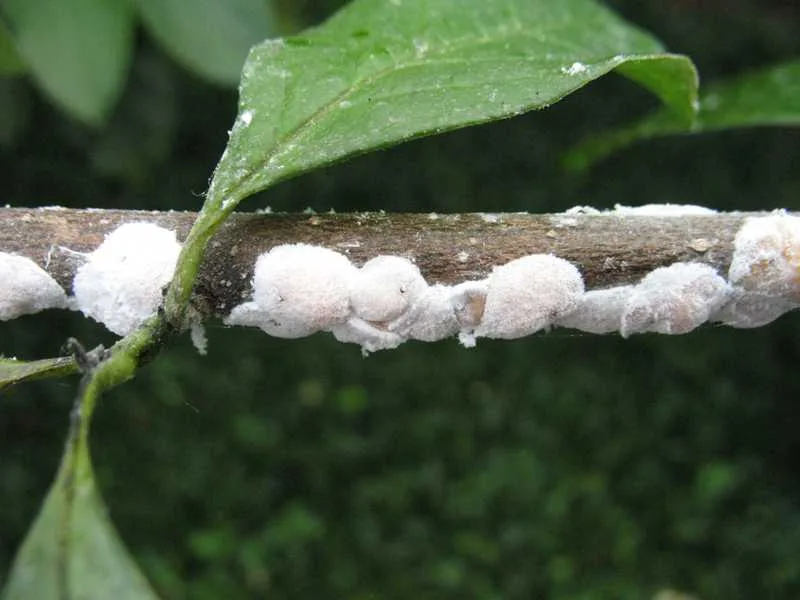
Image source: Web (Bing) / blog.irontreeservice.com (Web image (fair-use with source credit))
Accepting year-round cleanup is non-negotiable with this evergreen species. Old leaves shed continuously as new flushes emerge throughout growing seasons. Rake monthly or install ground covers that tolerate occasional debris accumulation.
Spent flower petals stain light-colored pavers during peak bloom periods. Position trees away from high-traffic walkways or entertainment areas. Dark mulch or gravel beneath the canopy hides fallen material better than grass.
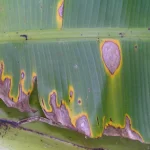
Scale insects target weakened trees, appearing as brown bumps on stems and leaf midribs. Horticultural oil applied during dormant season suffocates overwintering nymphs effectively. Monitor susceptible specimens monthly during active growth periods for early detection.
Sooty mold coats leaves black when scale excretes honeydew excessively. The fungus itself harms nothing but blocks photosynthesis and ruins aesthetics. Controlling scale eliminates the food source, allowing mold to weather off naturally.
Chlorosis manifests as interveinal yellowing on newer growth first. Apply chelated iron formulated for acidic-loving plants per label directions. Reapply annually in alkaline soils since correction is temporary without pH adjustment.
Soil pH testing should occur every two to three years in borderline sites. Acidifying fertilizers containing sulfur help maintain optimal ranges gradually. Avoid aluminum sulfate which can accumulate toxic levels over repeated applications.
Pruning timing affects next year’s flower production significantly. Trim selectively immediately after main spring bloom flush completes. Late summer or fall pruning removes developing buds destined for following season.
Deep watering twice weekly sustains trees through first two establishment years. Surface sprinkling encourages shallow roots vulnerable to drought stress. Soaker hoses or drip irrigation deliver moisture directly to the root zone efficiently.
Mulching conserves moisture and moderates soil temperature fluctuations. Maintain two to three inches of organic mulch extending to drip line. Keep mulch pulled back from trunk flare to prevent crown rot diseases.
Winter protection wraps benefit newly planted trees in Zone 7 margins. Burlap screens block desiccating winds without trapping excessive heat. Remove wrapping promptly in spring to avoid girdling or fungal issues.
Planting and Establishment Essentials for Long-Term Success
Proper planting technique prevents decades of struggle or premature failure. Dig holes twice as wide as container diameter but no deeper than root ball height. Set the crown slightly above surrounding grade to compensate for settling.
Amend native soil with thirty percent compost by volume for improved structure. Pure organic matter creates bathtub effects that drown roots in heavy rain. Blend amendments thoroughly with excavated soil before backfilling.
Water deeply immediately after planting to eliminate air pockets. Continue twice-weekly deep soakings through first two growing seasons without exception. Rainfall rarely penetrates sufficiently to sustain establishing magnolias alone.
Staking is unnecessary unless site experiences extreme wind exposure. Flexible ties allow beneficial trunk movement that builds taper strength. Remove stakes after one year to prevent girdling damage.
Fertilize lightly in spring after first new growth appears. Balanced slow-release formulas designed for acid-loving plants work best. Over-fertilization burns tender feeder roots and promotes weak succulent growth.
Monitor soil moisture weekly using finger test or probe method. Dryness at four-inch depth signals need for supplemental irrigation. Soggy conditions indicate drainage problems requiring immediate correction.
Transplant shock may cause temporary leaf drop or stunted growth. Patience during first season avoids unnecessary panic interventions. Recovery signs include fresh bud break and resumed extension growth.
Avoid planting during summer heat waves or frozen winter periods. Early fall offers ideal establishment windows in most zones. Spring planting works if consistent irrigation is guaranteed through summer.
Check utility lines before digging to prevent dangerous strikes. Call 811 several days prior to any excavation work. Underground infrastructure repairs cost far more than relocation planning.
Document planting date and care schedule for future reference. Establishment timelines vary based on climate and site conditions. Records help diagnose problems when growth deviates from expectations.
Is Little Gem Right for Your Yard? A Practical Decision Guide
Choose this cultivar if you need evergreen privacy in a narrow space. Its columnar habit fits side yards where spreading trees fail. Verify your soil pH falls below 6.5 before committing to planting.
Skip Little Gem if pristine ground maintenance is your priority. Continuous leaf drop demands weekly raking or acceptance of natural debris. Clean-freak gardeners often regret this choice within the first year.
Select it for coastal properties exposed to salt spray. Few evergreens tolerate oceanfront conditions as reliably as southern magnolias. Ensure sandy soil receives adequate irrigation since drainage can be excessive.
Avoid planting in exposed Zone 7 sites without wind protection. Winter desiccation kills more specimens here than cold temperatures alone. Use burlap screens or choose Bracken’s Brown Beauty for marginal climates.
Pick this tree for container culture on patios or rooftops. Compact root systems adapt well to large half-barrels with proper drainage. Plan for repotting every three to four years as growth fills volume.
Reject it for deep shade beneath dense conifer canopies. Insufficient light suppresses flowering and thins foliage unattractively. Aim for at least three hours of direct sun for acceptable performance.
Consider Teddy Bear instead for wide hedge rows or mass plantings. Its denser rounded habit creates uniform screening faster than upright forms. Little Gem works better as individual accent specimens.
Confirm budget allows for potential soil amendment costs. Alkaline sites require ongoing chelated iron treatments indefinitely. Factor these recurring expenses into long-term landscape planning decisions.
Common Little Gem Magnolia Questions Answered
How fast does Little Gem magnolia grow?
Expect 12 to 24 inches of vertical growth annually under optimal conditions. Establishment takes two to three full growing seasons before normal rates resume. Slow initial growth frustrates impatient gardeners seeking instant screening solutions.
Can Little Gem magnolia tolerate full shade?
Partial shade produces best results across its hardiness range. Deep shade suppresses flowering and causes thin, leggy growth habits. Provide at least three to four hours of direct sunlight daily.
Why are my Little Gem leaves turning yellow?
Chlorosis from alkaline soil is the most common cause. Iron becomes unavailable above pH 6.5 despite fertilizer applications. Apply chelated iron and test soil pH to confirm diagnosis.
Do Little Gem magnolias have invasive roots?
Shallow fleshy roots rarely damage foundations or hardscapes when sited properly. Maintain recommended spacing from structures to prevent minor surface issues. Avoid planting directly over septic drain fields as precaution.
When is the best time to plant Little Gem?
Early fall offers ideal establishment windows in most zones. Spring planting works if consistent summer irrigation is guaranteed. Avoid midsummer heat waves and frozen winter periods entirely.

Similar Posts