Why Are My Dahlia Flowers Drying Up? Causes & Fixes
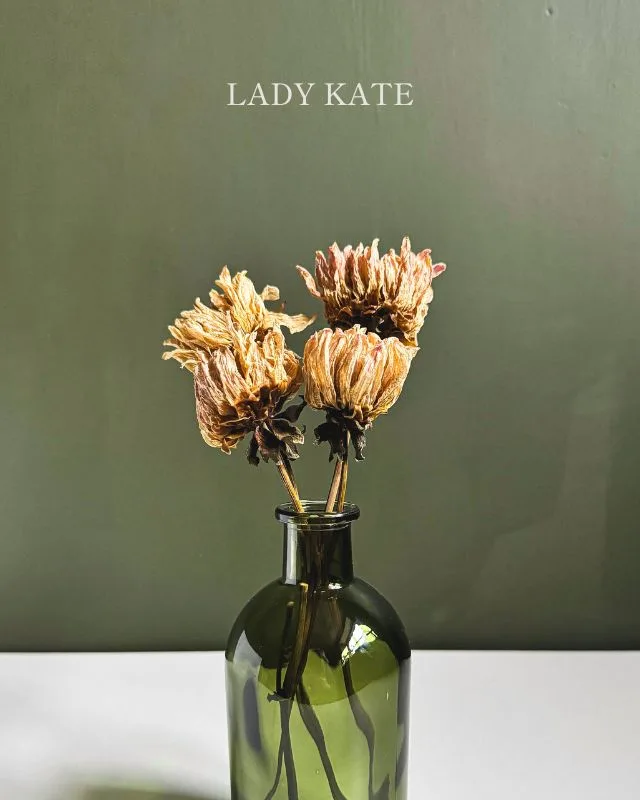
Seeing your dahlia flowers drying up right in the middle of summer is incredibly frustrating. You water them, you feed them, and they still look like crispy paper by August. The problem usually comes down to three things: heat stress, root rot, or natural dormancy kicking in early.
Dahlias need about 1 to 2 inches of water per week during active growth, according to guidelines from the American Dahlia Society. If they get less, the blooms dry out fast. If they get too much sitting in heavy soil, the tubers rot.
Figuring out which one is happening requires a quick check of the stems and leaves.
Quick Answer
Dahlia flowers drying up happens for three main reasons. Heat stress causes crispy petals and brown leaf edges. Overwatering rots tubers and collapses stems suddenly.
Late summer triggers natural dormancy and gradual yellowing. Check your soil moisture first.
Why Your Dahlia Flowers and Leaves Are Drying Up
Image source: Web (Bing) / brambleandbeyond.com (Web image (fair-use with source credit))
Dahlias are dramatic plants. They tell you exactly what they need, but their symptoms often overlap. A drooping plant might be thirsty, or it might be drowning.
That confusion is why so many gardeners panic and overwater a plant that actually has root rot.
Our research shows the most common culprit for drying dahlias is inconsistent soil moisture paired with high heat. When temperatures climb above 90°F, dahlias shut down. They stop pushing water to the outer petals.
The blooms crisp up while the center of the plant looks fine.
Another major factor is fungal disease. Verticillium wilt blocks the vascular system inside the stem. Water cannot reach the top of the plant no matter how much you pour on the soil.
The leaves dry out from the top down, usually on just one side of the plant first.
Finally, there is the timing issue. Dahlias naturally pull energy back into their tubers as days shorten. This process is called senescence.
If it is late August or September, your plant drying up might just be going to sleep. Fighting natural dormancy wastes time and risks rotting healthy tubers.
The Quick Check: Is It Dormancy, Disease, or a Watering Problem?
Before you change your watering schedule or spray fungicides, run through this decision tree. Look at where the drying starts. Then feel the stem near the soil line.
These two steps solve most mysteries.
If the lower leaves turn yellow first and the stems stay firm, it is likely natural dormancy or mild underwatering. If the top leaves wilt suddenly while the soil is wet, suspect root rot or fungal wilt. If the whole plant looks crispy and the soil is bone dry, you have a simple moisture deficit.
Here is a quick breakdown to guide your next move:
| Symptom | Likely Cause | Immediate Action |
|---|---|---|
| Crispy leaf edges, dry soil | Underwatering or heat stress | Deep soak early morning |
| Top leaves limp, wet soil | Root rot or verticillium wilt | Stop watering, check tuber |
| Bottom leaves yellowing first | Natural senescence | Reduce water, prep for dig |
| One side of plant dying | Fungal vascular blockage | Remove plant, do not compost |
Squeeze the base of the main stem gently. A healthy dahlia stem feels firm, even though it is naturally hollow inside. If it feels mushy or squishy, the tuber underneath is rotting.
No amount of surface watering will fix that. You have to dig it up.
Check the time of year as well. As of 2026, late summer heat domes are lasting longer in many growing zones. A sudden spike in temperature will scorch blooms overnight.
But if the calendar says autumn is approaching, let the plant rest.
Reading the Symptoms: A Decision Tree for Drying Dahlias
Every drying dahlia tells a specific story. You just have to read the leaves correctly. We have broken down the three main patterns below.
Match what you see in your garden to these descriptions.
Crispy Edges and Wilting Blooms (Heat and Moisture Stress)
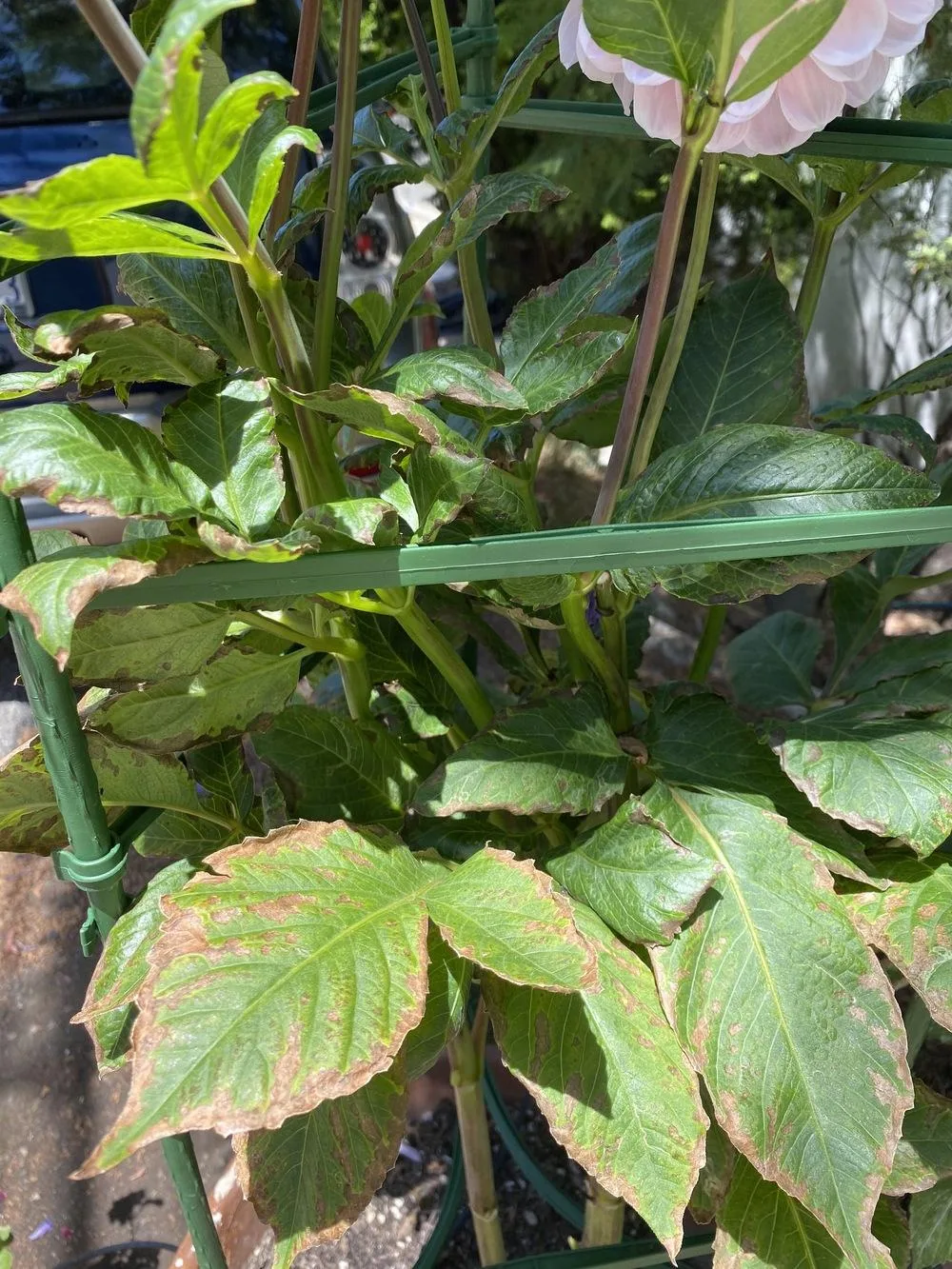
Image source: Bing (Web (fair-use with source credit))
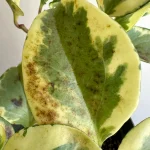
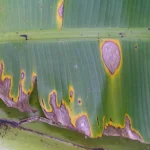
Crispy brown edges mean the plant cannot pull water fast enough to replace what the sun evaporates. This happens during peak afternoon heat. Container dahlias suffer from this constantly because potting mix dries out in hours.
If the soil is dry two inches down, give the plant a slow, deep soak. Use drip irrigation if possible. Overhead sprinklers waste water and invite powdery mildew.
Water early in the morning so roots absorb moisture before the heat hits.
Spider mites also cause a similar crispy look. These tiny pests suck sap from the undersides of leaves. The foliage turns stippled and pale before drying out completely.
Tap a leaf over white paper. If you see moving specks, treat with insecticidal soap.
Mulch is your best defense here. A two inch layer of straw or shredded bark keeps soil temperatures stable. It slows evaporation dramatically.
University extension programs consistently recommend mulching dahlias in zones with hot summers.
Sudden Stem Collapse and Blackening (Fungal Wilt and Rot)
Sudden collapse means a pathogen has breached the plant's plumbing. Fusarium wilt and verticillium wilt live in the soil. They enter through damaged roots or hollow stems filled with standing water.
Once inside, they multiply and block water flow entirely.
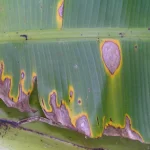
You will notice the leaves turning dark green, then black, then papery. This happens fast, sometimes in 48 hours. The base of the stem often turns brown or black right at the soil line.
If you cut the stem open, the vascular ring inside looks dark instead of pale green.
Root rot works similarly but feels different. Bacterial soft rot turns the underground tuber into foul smelling mush. The plant above ground simply falls over because it has no anchor left.
This almost always follows heavy rain in clay soil.
Do not try to save a plant with confirmed wilt. Pull it out. Bag it in plastic and put it in the trash.
Never compost diseased dahlia material. The spores survive standard composting temperatures and will infect next year's crop. Sterilize your pruners with rubbing alcohol immediately after cutting.
Bottom-Up Yellowing in Late Summer (Natural Senescence)
Bottom up yellowing in late summer is perfectly normal. Dahlias are preparing for winter. They stop feeding the upper canopy and push starches down into the tubers.
The lowest leaves die off first because they are furthest from the storage destination.
This process usually starts four to six weeks before your first hard frost. The blooms might dry up faster than usual too. That is fine.
Deadhead the spent flowers so the plant does not waste energy making seeds. Let the foliage fade naturally.
Do not panic and flood the plant with water trying to green it back up. Wet soil combined with cooling autumn temperatures invites tuber rot. Gradually reduce your watering frequency as the leaves yellow.
Keep the soil barely moist until you are ready to dig.
If you live in USDA Zones 8 through 11, you can leave tubers in the ground. Just cut the dead stems back to two inches above the soil. Cover the area with extra mulch.
In colder zones, wait until frost blackens the remaining foliage before digging.
How to Fix Drying Dahlias Based on What You Find
Fixing a drying dahlia depends entirely on the diagnosis from the previous step. There is no universal cure. Applying the wrong fix makes things worse.
Here is the workflow we recommend based on verified horticultural practices.
If you identified heat stress or underwatering, adjust your irrigation immediately. Switch to deep watering twice a week rather than shallow daily sprinkles. Shallow watering encourages roots to stay near the surface where they bake.
Deep watering forces roots downward into cooler soil.
Add mulch around the base if you have not already. Keep the mulch an inch away from the main stem to prevent collar rot. For container dahlias, move the pots to a spot with afternoon shade.
Dark plastic pots absorb intense heat and cook the roots.
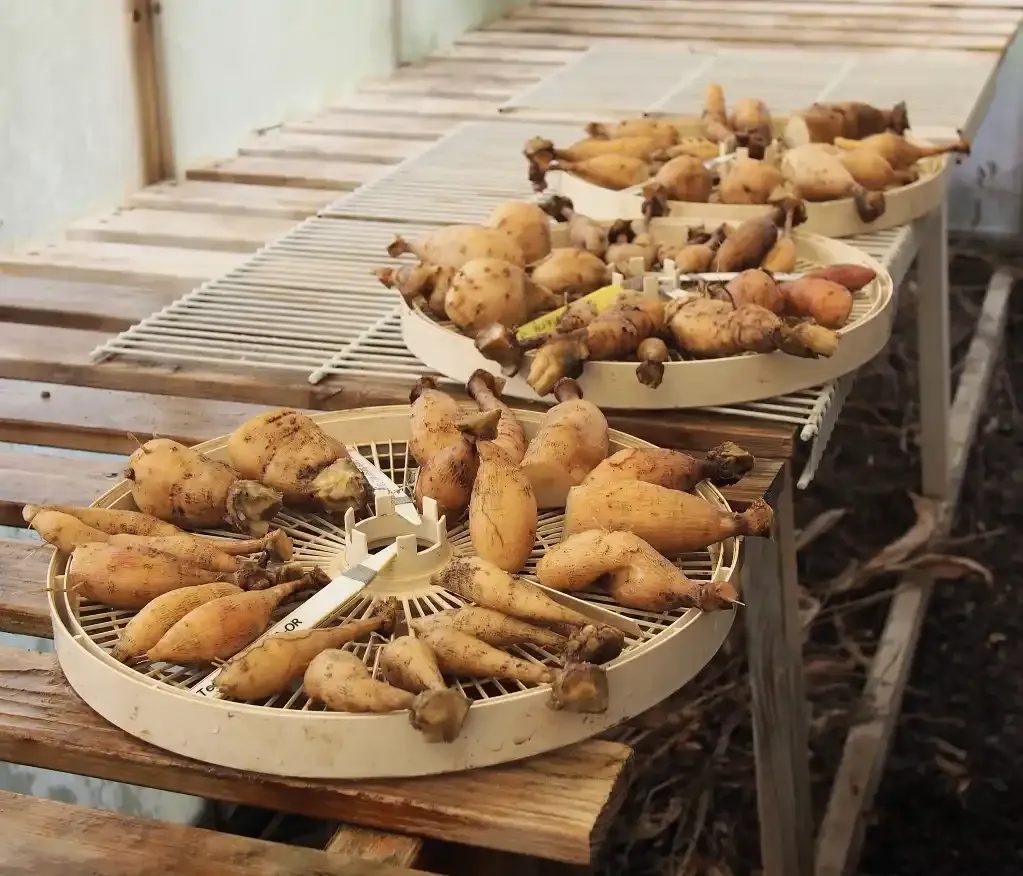
Image source: Bing (Web (fair-use with source credit))
If you found fungal wilt or mushy stems, the plant is done. Remove it carefully without shaking soil onto neighboring plants. Dig wide around the root zone.
Dispose of the entire plant and the immediate surrounding soil if possible. Do not plant another dahlia in that exact spot next season. Rotate your crops.
For spider mite damage causing dried leaves, spray the plant thoroughly with water to dislodge pests. Follow up with neem oil or insecticidal soap applied in the evening. Spraying oils in direct sun burns the foliage and accelerates drying.
Repeat every five days until the specks disappear.
If the plant is simply entering natural dormancy, your only job is preparation. Stop fertilizing entirely. Nitrogen pushes new growth that will freeze and rot anyway.
Let the plant finish its cycle. Once the tops are completely brown and dry, cut them back and dig the tubers for winter storage.
Wash dug tubers gently and let them air dry for two to three days in a shaded spot. Pack them in slightly damp peat moss or vermiculite. Store them at 40 to 45°F.
Checking them monthly prevents small rot spots from spreading through your entire winter stash.
Common Mistakes That Kill Dahlias Faster Than Drought
Overwatering a drying plant is the fastest way to kill it. You see crispy leaves and immediately grab the hose. If the soil was already wet, you just drowned the tubers.
Root rot sets in within days of standing water.
Applying high nitrogen fertilizer late in the season causes another common problem. It forces tender new growth right when temperatures drop. That weak tissue dries out and collapses almost instantly.
Switch to a low nitrogen blend by midsummer, or stop feeding entirely in August.
Ignoring drainage is a silent killer for container dahlias. Pots without holes trap water at the bottom. The top inch of soil feels bone dry while the roots sit in mud.
Always drill extra holes if your decorative pots lack them.
Leaving diseased plants in the ground ruins next year's crop. Fungal spores overwinter in dead stems and fallen leaves. Clean up every piece of debris before frost hits.
Bag infected material instead of tossing it in your compost bin.
Frequently Asked Questions
Should I cut off dried dahlia flowers?
Yes, snip off dried blooms immediately. This process is called deadheading. It stops the plant from wasting energy on seed production.
Cut the stem back to the next healthy leaf node. New buds will form much faster.
Why are my potted dahlias drying out so fast?
Containers lose moisture rapidly in summer heat. Dark plastic pots absorb extra solar radiation. The soil bakes from the outside in.
Water potted dahlias daily during heat waves, and add a thick layer of mulch on top.
Can a dahlia recover from verticillium wilt?
No, verticillium wilt is fatal once symptoms appear. The fungus permanently blocks the vascular tissue inside the stem. Pull the plant immediately to protect neighboring dahlias.
Do not plant susceptible crops in that exact soil spot for at least three years.
Is it normal for dahlia leaves to dry in September?
Yes, autumn senescence is completely natural. Shorter days signal the plant to store energy in its tubers. Lower leaves yellow and crisp up first.
Reduce watering gradually and prepare to dig the tubers after the first hard frost.
How often should I water dahlias in extreme heat?
Water deeply every two to three days when temperatures exceed 90°F. Shallow daily sprinkles encourage weak surface roots. Use drip irrigation to deliver moisture directly to the soil.
Water early in the morning so roots hydrate before afternoon sun stress begins.

Similar Posts